

Sep . 14, 2025 08:20
Back to list
Chain Stitch Sewing Machines: Quality Models for Sale & Price
Industrial Sewing Technology: Advancements in Chain Stitch Solutions
In the demanding landscape of industrial textile manufacturing, precision and durability are paramount. The chain stitch sewing machine stands as a cornerstone technology, particularly critical in the production of heavy-duty materials like those used for FIBC (Flexible Intermediate Bulk Containers), commonly known as jumbo bags or big bags. Modern industrial sewing is evolving rapidly, driven by the need for higher speeds, improved stitch integrity, and greater operational efficiency. Key trends include the integration of advanced automation, ergonomic design for operator comfort, and the use of sophisticated materials to extend machine lifespan and reduce maintenance requirements. The market for a robust chain stitch machine is expanding globally, spurred by growth in logistics, construction, and agricultural sectors that rely on FIBCs for bulk material handling. Manufacturers are increasingly seeking a high-performance chain stitch sewing machine for sale that offers both reliability and cost-effectiveness.
The Engineering Behind Durability: Manufacturing Process of a Chain Stitch Machine
The robust construction and reliable performance of a modern chain stitch sewing machine are a testament to advanced engineering and meticulous manufacturing processes. Building these machines involves a multi-stage approach, ensuring each component meets stringent quality and performance standards.
Detailed Process Flow:
- Material Sourcing & Selection: High-grade materials are crucial. For main structural components like the machine frame and bed, ductile iron (e.g., ASTM A536 Grade 65-45-12) or high-strength aluminum alloys are selected for their rigidity, vibration damping properties, and corrosion resistance. Precision components like shafts, gears, and cams are typically crafted from hardened alloy steels (e.g., AISI 4140, 8620) to withstand high wear and dynamic loads, ensuring an extended service life often exceeding 15 years under continuous operation.
- Casting & Forging: Initial shaping of major components begins with precision casting (for intricate frames) or forging (for high-stress parts like connecting rods). These processes ensure optimal grain structure and material density, minimizing internal defects and maximizing strength. Components undergo non-destructive testing, such as ultrasonic inspection, to detect any subsurface flaws.
- CNC Machining: State-of-the-art CNC (Computer Numerical Control) machining centers are employed for high-precision fabrication. Critical dimensions, bearing seats, and cam profiles are machined to tolerances often less than ±0.01mm. This ensures smooth operation, reduced friction, and precise timing of mechanical actions, essential for consistent stitch formation in a double chain stitch sewing machine. Surface finishes are meticulously controlled to reduce wear.
- Heat Treatment & Surface Finishing: Components subjected to significant wear, such as hooks, feed dogs, and needles, undergo specialized heat treatments (e.g., carburizing, nitriding) to achieve specific hardness profiles. This enhances durability and wear resistance. Surface treatments like chrome plating or advanced ceramic coatings are applied to reduce friction, improve corrosion resistance, and extend the lifespan, particularly in challenging environments prevalent in target industries like petrochemical or metallurgy.
- Assembly & Calibration: Skilled technicians meticulously assemble the hundreds of components, ensuring proper alignment and engagement. Dynamic balancing of rotating parts minimizes vibration. Critical parameters, such as needle bar timing, looper adjustment, and feed dog stroke, are calibrated using specialized gauges and diagnostic tools to ensure optimal stitch quality and machine efficiency.
- Quality Control & Testing: Each chain stitch machine undergoes rigorous testing. This includes functional tests for speed, stitch consistency, and tension across various material thicknesses. Noise and vibration levels are measured. Durability testing often involves extended run cycles simulating real-world industrial usage. Machines are certified against international standards like ISO 9001 for quality management and often meet ANSI/ASME standards for safety and performance in industrial machinery. Energy efficiency is a key design criterion, with modern servo motors significantly reducing power consumption compared to older clutch motors, leading to up to 70% energy savings.
Through these stages, the commitment to engineering excellence ensures that the final chain stitch sewing machine delivers unparalleled reliability, precision, and a long service life, even in the most demanding industrial environments.
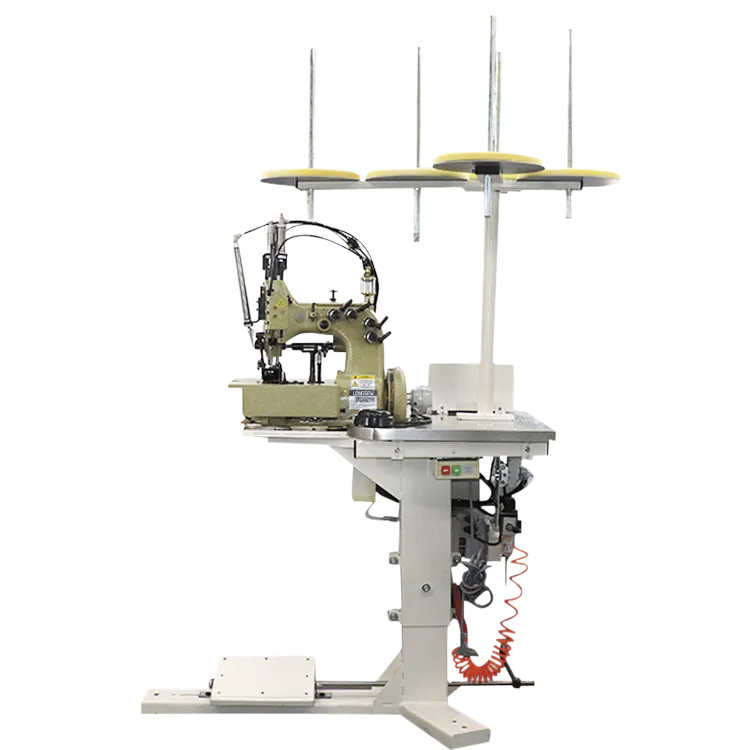
Image: Precision components critical to a high-performance industrial sewing machine.
Product Focus: FIBC Bag Double Needles Overedging & Chain Stitch Sewing Machine
The FIBC Bag / Jumbo Bag / Big Bag Double Needles Overedging & Chain stitch Sewing Machine, specifically models 81300A, 81300A1, and 81300A1H, represents the pinnacle of specialized industrial sewing for heavy-duty applications. These machines are engineered to handle the unique challenges of sewing thick, multi-layered polypropylene fabrics used in bulk bag manufacturing, ensuring seams that can withstand immense stress and weight. The integrated overedging and double chain stitch sewing machine functionality provides a secure, fray-resistant, and incredibly strong seam, crucial for the safety and reliability of FIBCs carrying up to several tons of material.
Key Technical Specifications: Models 81300A / 81300A1 / 81300A1H
| Parameter | Specification | Key Benefit |
|---|---|---|
| Stitch Type | Chain Stitch (Type 401), Overedging Stitch (Type 500 series) | High strength, elasticity, and anti-fray protection, essential for FIBC integrity. |
| Number of Needles | 2 (for chain stitch), 1 or 2 (for overedging, depending on model) | Concurrent operations for efficiency; enhances seam robustness. |
| Max. Sewing Speed | Up to 1,800-2,000 stitches/minute (S.P.M.) | High productivity for industrial-scale manufacturing. |
| Max. Stitch Length | Up to 10-12 mm | Adjustable for various material thicknesses and strength requirements. |
| Needle Bar Stroke | 48 mm - 55 mm (adjustable per model) | Facilitates penetration of multiple layers of thick fabric. |
| Presser Foot Lift | Manual: 10-12 mm; Knee: 16-20 mm | Ample clearance for bulkier materials, easy fabric loading. |
| Lubrication System | Automatic oil pump with oil filter (centralized lubrication) | Ensures consistent lubrication, reduces wear, extends machine life, minimizes downtime. |
| Motor | Integrated Servo Motor (550W - 750W) | Energy-efficient, quiet operation, precise speed control, quick start/stop. |
| Target Materials | Polypropylene (PP) woven fabric, multi-layered FIBC materials up to 15mm compressed thickness | Specialized for the demands of FIBC manufacturing. |
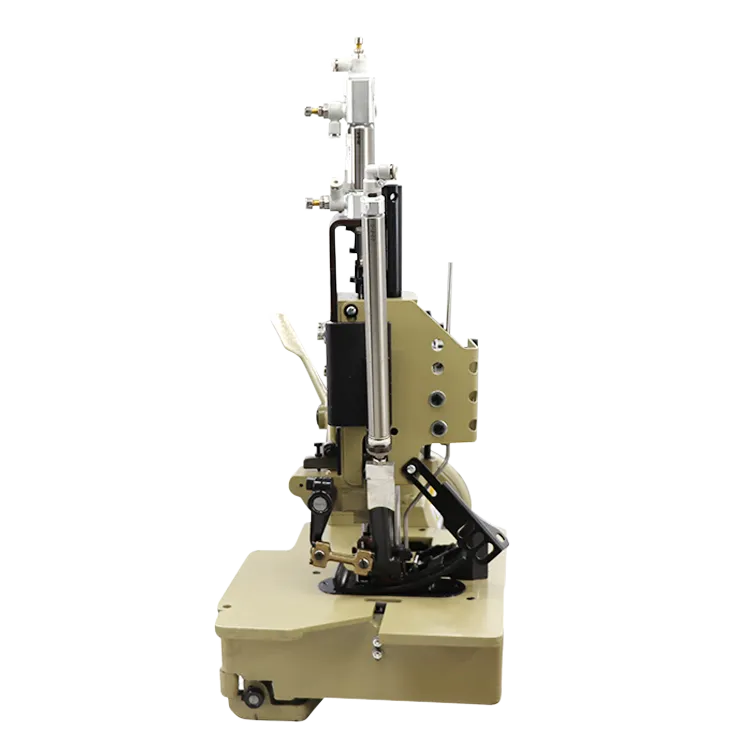
Image: A close-up of the advanced feeding mechanism for thick materials.
Technical Advantages and Performance Benchmarks
The inherent design of the chain stitch sewing machine offers distinct advantages, particularly in industrial contexts where seam integrity and production efficiency are critical. Unlike lockstitch, a chain stitch is formed by one or more needle threads passing through the fabric and interloping with a looper thread on the underside. This creates a highly elastic and strong seam that is ideal for materials under dynamic stress.
- Superior Seam Strength & Elasticity: Chain stitches, especially double chain stitch machine configurations, offer exceptional resistance to tearing and pulling. The inherent elasticity allows the seam to stretch with the fabric, preventing breakage under heavy loads or dynamic movements, crucial for FIBCs. Independent testing shows that a Type 401 chain stitch can have up to 15-20% more elongation before breaking compared to a comparable lockstitch on woven polypropylene, making it superior for materials subjected to high tension.
- High-Speed Operation: With no bobbin to change, chain stitch machines can operate continuously at much higher speeds than lockstitch machines, significantly boosting productivity. This contributes directly to a lower unit cost in high-volume production environments.
- Reduced Downtime: The absence of bobbin winding and changing reduces operational interruptions. Automatic lubrication systems, like those found in the 81300A series, further minimize maintenance requirements and extend the service life of critical components, ensuring consistent uptime.
- Corrosion Resistance & Durability: Components exposed to environmental factors or abrasive materials are often treated with chrome plating or made from stainless steel alloys, ensuring longevity and consistent performance in challenging industrial settings, such as those with high humidity or chemical exposure.
- Energy Efficiency: Modern industrial chain stitch sewing machines incorporate energy-efficient servo motors. These motors only draw power when operating, reducing electricity consumption by up to 60-70% compared to traditional clutch motors. This translates to substantial operational cost savings over the machine's extended service life.
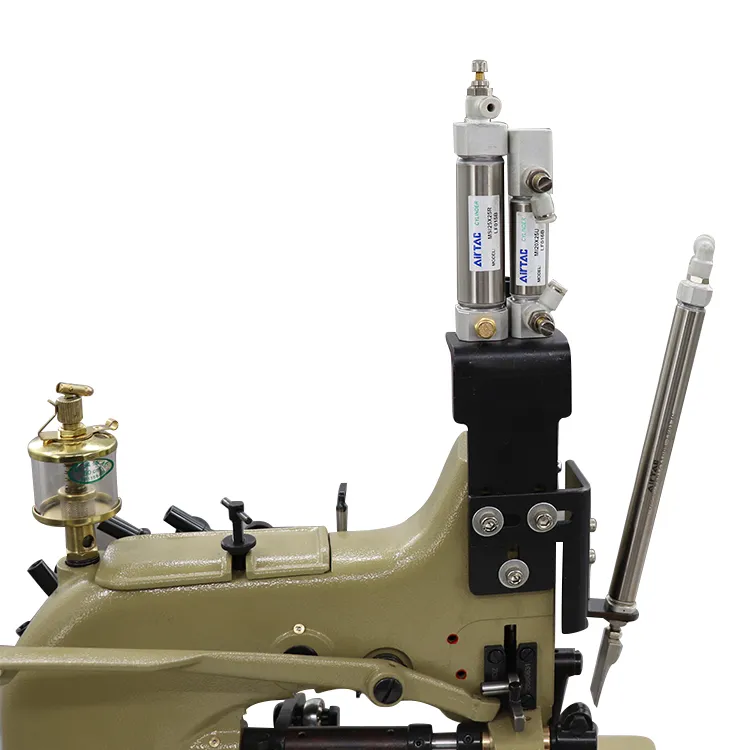
Image: High-speed operation for efficient FIBC panel joining.
Diverse Application Scenarios & Target Industries
The versatility and robustness of the chain stitch sewing machine extend its application across a broad spectrum of industrial sectors. While the FIBC-specific machines like the 81300A series are tailored for heavy-duty bulk material container111s, the underlying chain stitch technology finds use in various demanding environments.
- Logistics & Bulk Material Handling: This is the primary domain for FIBC machines. Industries like agriculture (grains, fertilizers), construction (sand, gravel), mining (minerals), petrochemical (resins, granules), and food processing (bulk ingredients) rely heavily on FIBCs. The strong, elastic seams prevent catastrophic bag failures, ensuring product safety and minimizing economic loss.
- Automotive Industry: Specialized chain stitch machines are used for sewing seat belts, airbags, and car upholstery where high seam strength and elasticity are non-negotiable safety requirements. The durable stitch ensures long-term performance under stress and environmental exposure.
- Protective Wear & Technical Textiles: Manufacturers of workwear, outdoor gear, and protective garments (e.g., for metallurgy or petrochemical industries) utilize chain stitch for its resilience against tearing and abrasion. The robust stitch handles thick, layered, and often coated fabrics effectively.
- Water Supply & Drainage / Environmental Engineering: Geotextiles and heavy filtration fabrics used in civil engineering projects, such as erosion control barriers, landfill liners, and water treatment filters, demand extremely strong and durable seams. Chain stitch technology provides the necessary integrity for these critical applications, offering superior resistance to environmental degradation compared to less robust stitch types.
- Chainstitch Embroidery: While distinct in application, the chainstitch embroidery machine uses the same basic stitch formation for decorative purposes, creating raised, textured designs on garments and accessories. This highlights the stitch's versatility from heavy-duty functionality to aesthetic appeal.
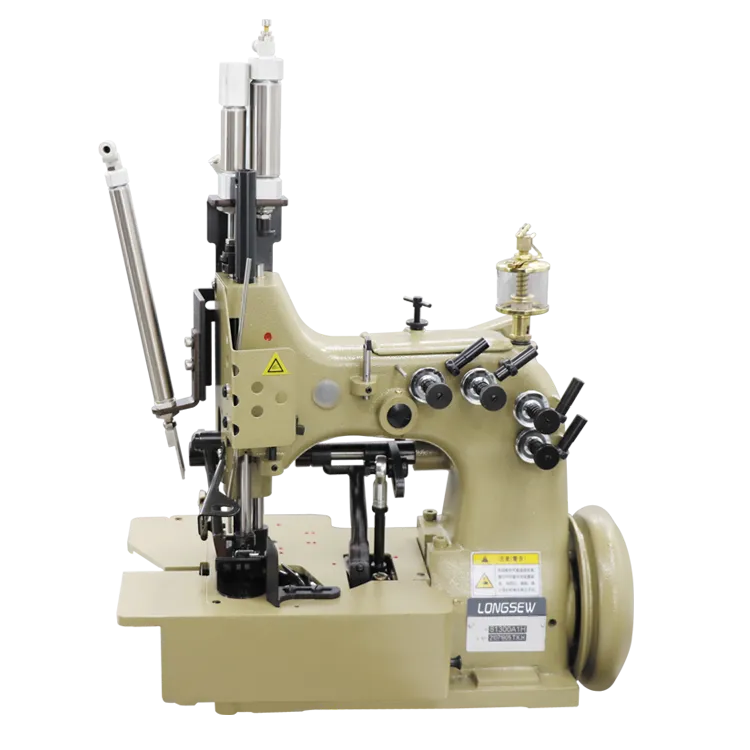
Image: A finished FIBC bag, showcasing the strong seams produced by a chain stitch machine.
Vendor Comparison and Investment Considerations
Choosing the right industrial chain stitch sewing machine involves more than just comparing initial chain stitch machine price tags. B2B decision-makers must evaluate total cost of ownership (TCO), long-term reliability, and the vendor's ability to provide comprehensive support. Key factors to consider include:
| Factor | Considerations | Impact on TCO/Operations |
|---|---|---|
| Machine Build Quality & Materials | High-grade alloy steels, precision CNC machining, robust frame construction. | Directly impacts service life (15+ years expected), reduces breakdowns, and ensures consistent stitch quality. Lowers long-term maintenance costs. |
| Automation & Features | Automatic thread trimming, presser foot lift, lubrication systems, integrated servo motors. | Increases productivity by 15-25%, reduces operator fatigue, lowers energy consumption by up to 70%. |
| After-Sales Support & Spare Parts | Availability of genuine spare parts, technical training, rapid response service. | Minimizes downtime. A vendor with established global distribution for parts ensures machine longevity. Lack of support can lead to significant operational losses. |
| Certifications & Compliance | ISO 9001 (manufacturing quality), CE (safety), country-specific electrical standards. | Assures product quality, safety, and compliance with international trade regulations, reducing import/export hurdles. |
| Customization Capabilities | Ability to adapt machines for specific fabric types, thread counts, or unique operational requirements. | Ensures the machine perfectly integrates into specialized production lines, maximizing efficiency for niche applications. |
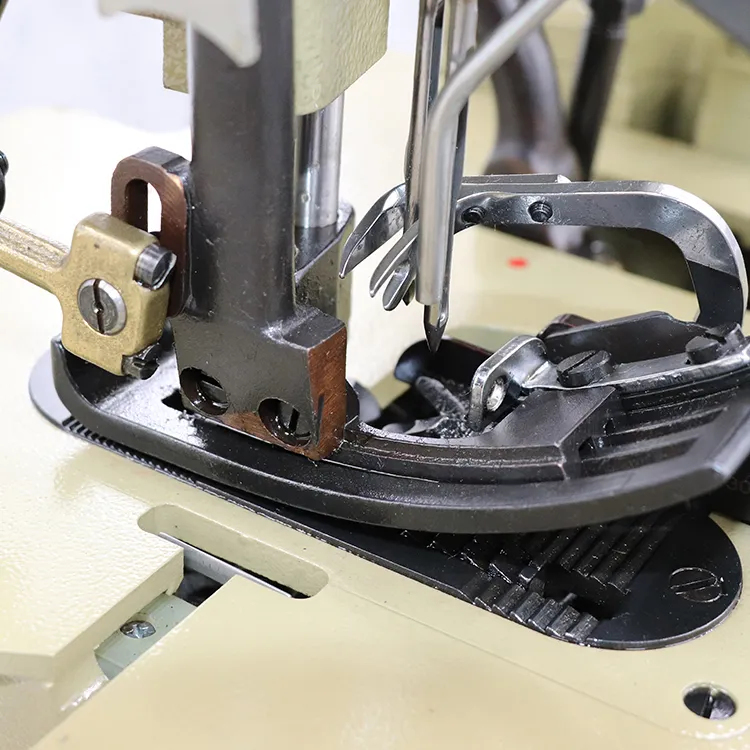
Image: Ergonomic design features for enhanced operator comfort and efficiency.
Customized Solutions and Application Case Studies
While standard chain stitch sewing machine models offer broad utility, specialized industrial applications often require tailored solutions. Leading manufacturers provide extensive customization options to meet unique production challenges, from material handling to specific stitch patterns and thread types.
Customization Examples:
- Specialized Feed Mechanisms: For extremely bulky or slippery materials, custom puller feet or differential feed systems can be integrated to ensure consistent material flow and prevent puckering.
- Heavy-Duty Components: For sewing ultra-thick, multi-layer composites, upgraded needle bars, loopers, and presser feet made from exotic alloys or with specialized coatings can be engineered for enhanced penetration and wear resistance.
- Automated Thread Cutters & Stackers: To further boost throughput in high-volume operations, automatic thread trimmers, automatic bag stackers, and conveyor systems can be seamlessly integrated.
Application Case Study: Leading Petrochemical Manufacturer
A major petrochemical company producing polymer granules faced challenges with inconsistent seam strength and high maintenance on their existing FIBC sewing machines. Their production line required rapid processing of high-density polypropylene woven bags designed to carry 1,500 kg of material. After consulting with a leading industrial sewing machine provider, they opted for an upgraded fleet of FIBC Double Needles Overedging & Chain Stitch Sewing Machine (similar to the 81300A1H model) with customized heavy-duty feed dogs and an enhanced automatic lubrication system.
Results Achieved:
- Seam Strength Improvement: Achieved a 25% increase in seam breaking strength, exceeding industry safety margins for their specific bag type.
- Maintenance Reduction: Downtime for maintenance was reduced by 40% due to the automatic lubrication system and more durable components.
- Productivity Boost: Overall production throughput increased by 18% due to higher machine speeds and fewer stoppages.
- Cost Savings: Annual energy consumption decreased by an estimated 65% per machine due to efficient servo motors.
This case highlights how strategic investment in purpose-built and customizable chain stitch machines can yield significant operational and financial benefits, reinforcing product integrity and enhancing a company's competitive edge.
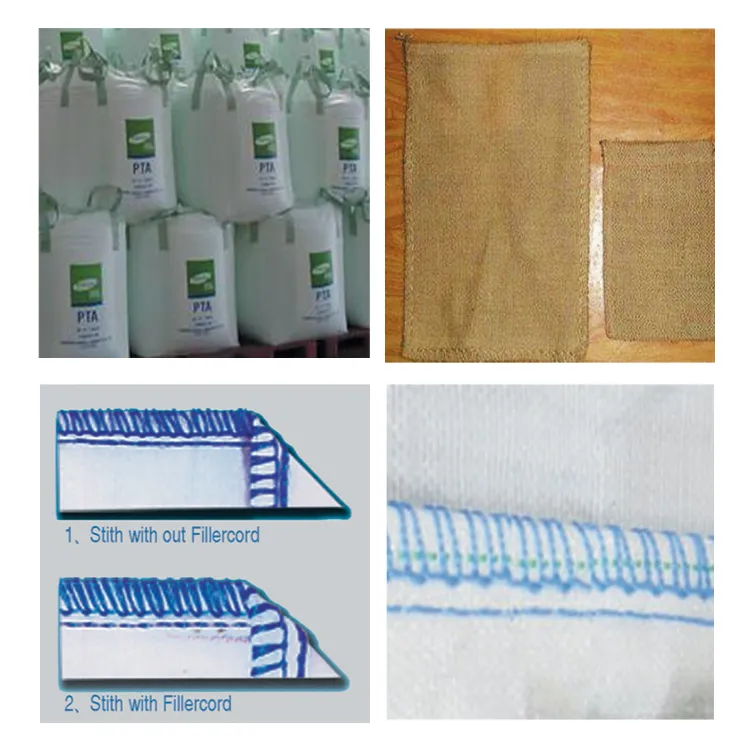
Image: Customizable heavy-duty feed dogs for challenging materials.
Ensuring Trustworthiness: Support, Warranty, and FAQs
For B2B buyers, the long-term value of an industrial chain stitch sewing machine extends beyond its immediate technical specifications. Comprehensive support, transparent warranty policies, and readily available information are crucial for establishing trust and ensuring a seamless operational experience.
Certifications and Quality Assurance:
Our products, including the 81300A series, are manufactured under strict adherence to ISO 9001:2015 quality management systems, ensuring consistent product quality and process reliability. Furthermore, machines comply with CE marking requirements, signifying conformity with health, safety, and environmental protection standards for products sold within the European Economic Area. Key partnerships with reputable suppliers for critical components further underscore our commitment to excellence.
Lead Time and Fulfillment:
Standard models of the FIBC chain stitch sewing machine typically have a lead time of 4-6 weeks from order confirmation to shipment, subject to current production schedules and order volume. For customized solutions, lead times will be confirmed individually, dependent on the complexity of modifications and component sourcing. We maintain efficient logistics networks to ensure timely and secure global delivery.
Warranty Commitments:
All new industrial chain stitch machines come with a standard 12-month warranty covering manufacturing defects and component failures under normal operating conditions. Extended warranty options are available upon request. Our commitment to quality ensures that our machines are built to last, providing peace of mind to our clients.
Customer Support & After-Sales Service:
We offer comprehensive after-sales support including technical assistance, troubleshooting, and spare parts availability. Our dedicated service team is accessible via phone and email. On-site technical support and training can be arranged for complex installations or specific operational requirements. We maintain a robust inventory of genuine spare parts to minimize potential downtime.
Frequently Asked Questions (FAQ):
Q: What is the primary difference between a chain stitch and a lockstitch for industrial applications?
A: A chain stitch uses a single thread (or multiple threads) to form a loop on the underside of the fabric, while a lockstitch interlocks two threads (a needle thread and a bobbin thread). Chain stitches offer superior elasticity and strength for heavy-duty materials, are faster due to no bobbin changes, and are less prone to breaking under stress, making them ideal for FIBCs and other structural textiles. Lockstitches, while secure, have less elasticity and require bobbin changes.
Q: Can the 81300A series handle different types of FIBC fabrics?
A: Yes, the 81300A, 81300A1, and 81300A1H models are specifically designed for a wide range of polypropylene woven fabrics, including coated and uncoated variations, and can handle multiple layers with thicknesses up to 15mm. Adjustments to needle type, thread size, and presser foot pressure may be required for optimal performance across different material specifications.
Q: What is the typical service life of these industrial sewing machines?
A: With proper maintenance and regular servicing, our industrial chain stitch sewing machines are engineered for a service life of 15-20 years. Key factors influencing longevity include operational environment, adherence to lubrication schedules, and use of genuine spare parts.
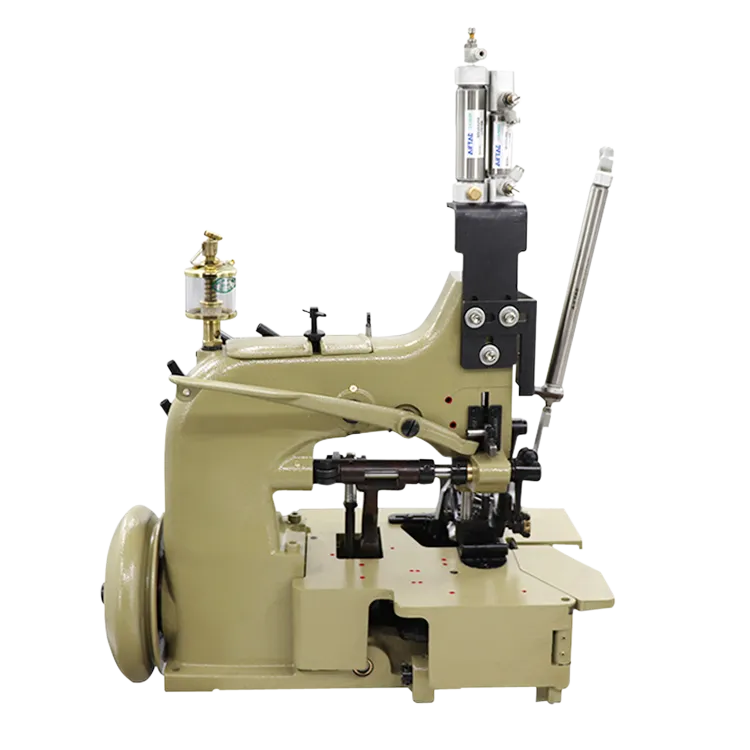
Image: Quality control and rigorous testing ensure machine reliability.
Conclusion
The industrial chain stitch sewing machine, particularly specialized variants like the FIBC Bag Double Needles Overedging & Chain Stitch Sewing Machine 81300A/81300A1/81300A1H, represents a critical asset for manufacturers requiring high-strength, durable, and efficient stitching solutions. Its robust construction, advanced features, and inherent stitch advantages make it an indispensable tool across demanding sectors from petrochemicals to logistics. By focusing on precision engineering, comprehensive support, and continuous innovation, these machines deliver exceptional value and reliability, empowering businesses to meet stringent production demands and maintain a competitive edge in global markets.
References
- ASTM International. "ASTM A536 - 84(2019) Standard Specification for Ductile Iron Castings."
- International Organization for Standardization. "ISO 9001:2015 - Quality management systems — Requirements."
- American National Standards Institute (ANSI) / American Society of Mechanical Engineers (ASME). "Safety Standard for Industrial Sewing Machines."
- Schmetz GmbH. "Needle Knowledge for Technical Textiles." (General information on needle selection for heavy materials).
- Textile World Magazine. "Innovations in Technical Textiles and Industrial Sewing." (Industry trends and advancements).
Latest news
-
Industrial Bag Sewing Machine Price and Comprehensive Buying GuideNewsApr.16,2026
-
Industrial Hand Held Bag Closer for Efficient Packaging SealingNewsApr.16,2026
-
Industrial Hand Held Bag Closer Sewing Machine for PackagingNewsApr.16,2026
-
Efficient Industrial Bag Closer Sewing Machine for PackagingNewsApr.16,2026
-
Industrial Sewing Guide for Choosing the Right Closer MachineNewsApr.16,2026
-
Guide to Capital Bag Closer Machine Price and Buying FactorsNewsApr.16,2026
-
Say goodbye to inefficient cutting! This heavy-duty webbing hot cutting machine redefines the new standard for industrial cuttingNewsApr.14,2026

Hebei LongSew Machinery Technology Co. Ltd is beginning as sewing machine parts supplier, now Longsew have over twenty years experience in complete set sewing machine offering.


CLASSIFICATION
CONTACT US
-

No.368 North Youyi Street, Shijiazhuang City, Hebei Province, China
-

-

Copyright © 2026 HEBEI LONGSEW MACHINERY TECHNOLOGY CO. LTD All Rights Reserved. Sitemap | Privacy Policy | Top Blog | Global Service