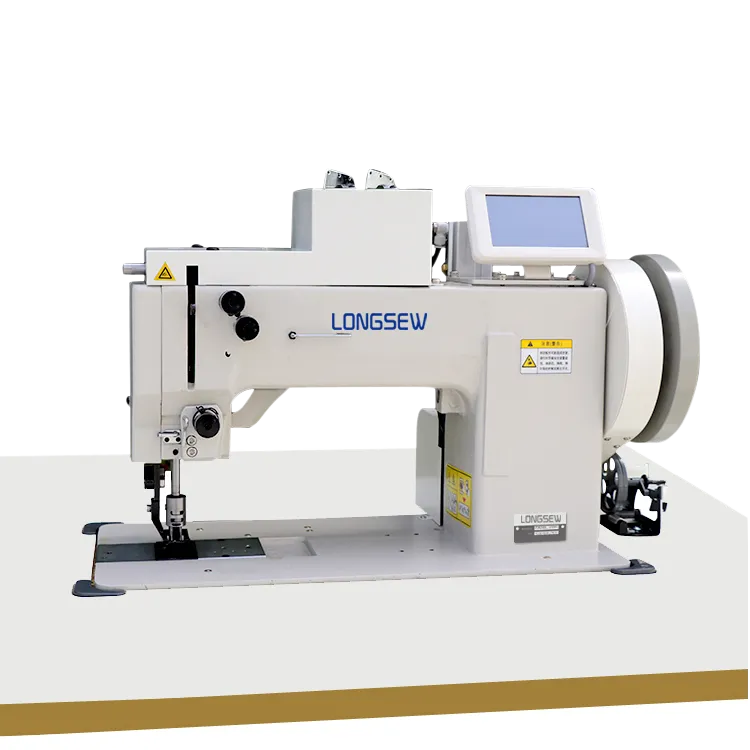
Industrial-Grade jumbo bag sewing machine Solutions for Singapore Logistics

Precision engineering for high-capacity industrial packaging and textile manufacturing in Southeast Asia's premier logistics hub.

The State of Industrial Packaging in Singapore

Adapting to high-humidity environments and stringent quality standards in the Lion City.

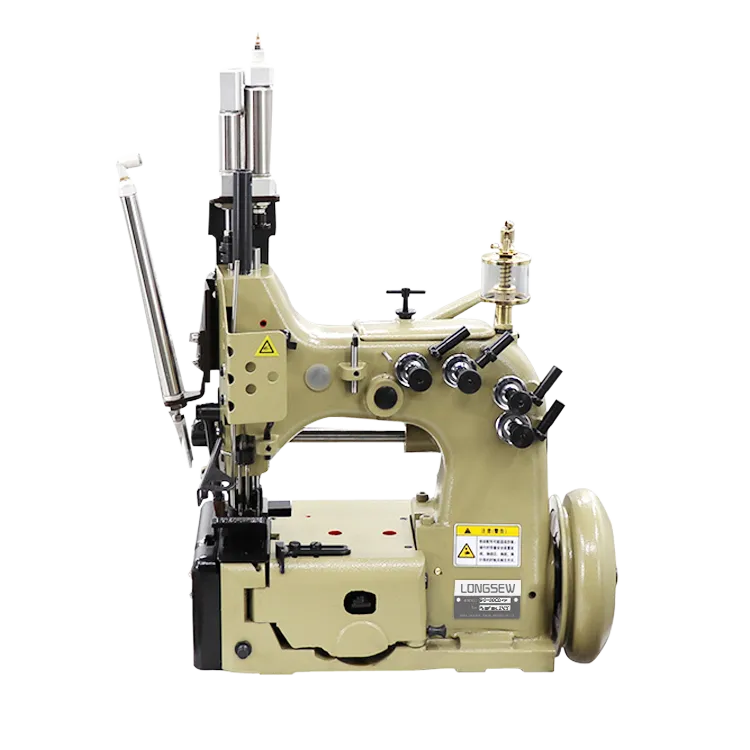
Singapore's status as a global maritime and logistics hub necessitates an extremely high standard for bulk packaging. The use of a fibc sewing machine is critical for manufacturers producing Flexible Intermediate Bulk Containers that must withstand the stresses of long-distance shipping and port handling.

The tropical climate of Singapore, characterized by high humidity and salt-laden air, poses a significant challenge to mechanical equipment. Local factories require stitching machinery with superior corrosion resistance and precision calibration to avoid seam failure in high-load scenarios.

Furthermore, the shift towards sustainable packaging in Singapore has increased the demand for specialized equipment like the 50 kg jute bag making machine, as businesses transition from single-use plastics to biodegradable natural fibers for agricultural and chemical exports.
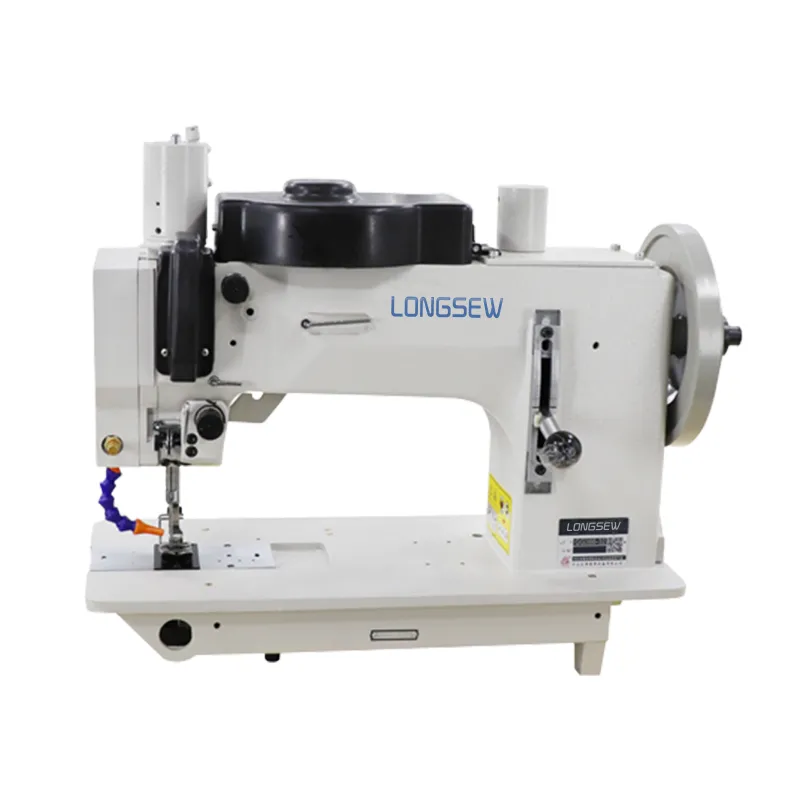
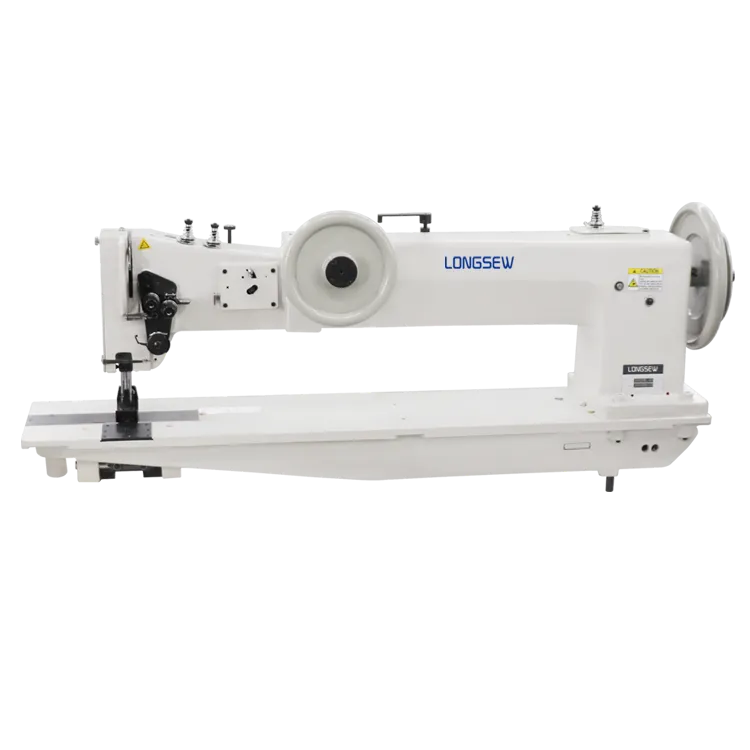
Evolution and Trajectory of Bag Closing Technology

From manual handheld stitching to fully automated bulk bag production lines.

Market Development History

In the early 2000s, the Singaporean textile sector relied heavily on basic manual stitching. The introduction of the first generation of the big bag sewing machine allowed for basic reinforcement, but speed and consistency remained bottlenecks for scaling production.

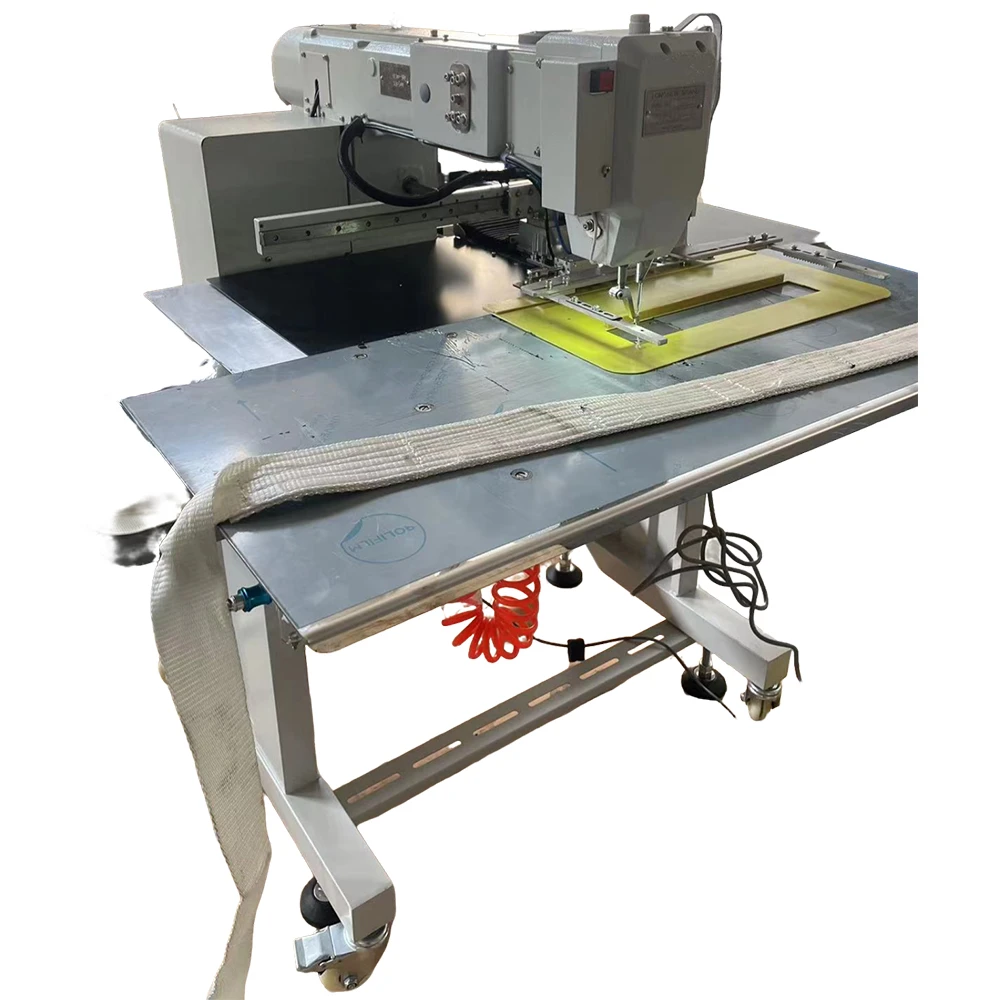
Between 2010 and 2020, the industry witnessed a transition toward semi-automation. The integration of electronic controllers and precision feed mechanisms in the jumbo bag stitching machine reduced human error and significantly increased the kilograms-per-hour output for chemical and mineral packaging.

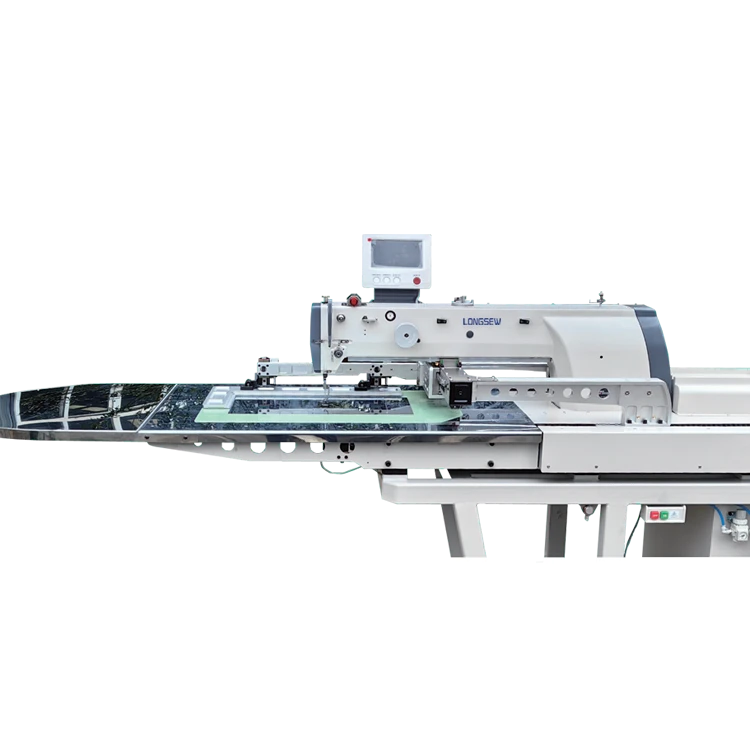
By 2023, the market entered the "Smart Manufacturing" era, where machinery is now integrated with IoT sensors to monitor thread tension and needle wear in real-time, minimizing downtime in high-pressure Singaporean production environments.

Future Development Trends

AI-Driven Tension Control

Future systems will employ AI to automatically adjust stitching tension based on fabric density, ensuring a perfect seal for every bag without manual intervention.

Eco-Fiber Compatibility

New machinery will be optimized for recycled polymers and organic jute, reducing the friction coefficient to prevent thread breakage in sustainable textiles.

Modular Automation

The trend is moving toward modular cells where sewing, lifting, and quality inspection are integrated into a single seamless robotic workflow.

Industry Trends and Future Outlook

Analyzing the shift toward automation and sustainability in Singapore's manufacturing sector.

Hyper-Automation
Transitioning from manual operation to fully robotic stitching cycles to combat rising labor costs in Singapore.
Green Manufacturing
Integration of energy-efficient servo motors that reduce power consumption by up to 40% during peak production.
Predictive Maintenance
Using vibration analysis and heat mapping to predict part failure before it occurs, ensuring 99% uptime.
Smart Material Sensing
Sensors that detect fabric thickness and automatically adjust the needle penetration depth for multi-layer bags.

Industry Outlook

Looking forward, the Singaporean market will increasingly favor "Right-Sizing" technology—machinery that can be quickly reconfigured for different bag sizes, from small 50kg sacks to massive 2-ton FIBCs.

Google search trends indicate a growing interest in "automated textile waste reduction," suggesting that the next generation of sewing machines will focus on optimizing thread usage and fabric precision to minimize material waste.

Localized Application Scenarios in Singapore

How our machinery solves real-world challenges across diverse Singaporean industries.

01. Jurong Island Chemical Packaging

Using reinforced jumbo bag sewing machine units to produce leak-proof containers for hazardous chemical exports, meeting strict safety certifications.

02. Tuas Port Logistics Warehousing

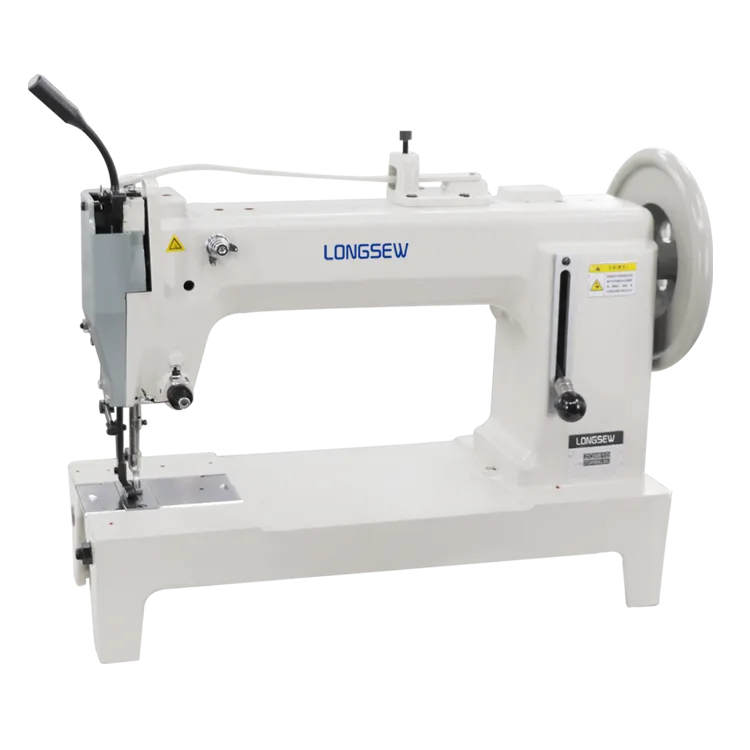
Rapid repair and reinforcement of damaged bulk bags using portable big bag sewing machine systems to ensure cargo stability during transit.

03. Specialized Agri-Export Units

Deployment of the 50 kg jute bag making machine for high-volume organic fertilizer packaging intended for regional ASEAN markets.

04. Industrial Construction Material Bagging

Applying heavy-duty jumbo bag stitching machine technology for the production of sandbags and aggregate containers used in land reclamation projects.

05. High-End Textile Manufacturing

Utilizing precision fibc sewing machine setups for medical-grade bulk bags used in cleanroom environments across Singapore's biotech parks.

Brand Story

Global Development Journey of Hebei Longsew Machinery Technology Co., Ltd.

Foundational Engineering

Established with a mission to solve the core pain point of seam failure in heavy-duty bags, focusing on mechanical stability and needle precision.

Technological Breakthrough

Developed the proprietary high-speed feed mechanism that allows for seamless stitching of multi-layer industrial fabrics without skipping.

Global Expansion

Extended our footprint into the Southeast Asian market, adapting our machines to withstand tropical humidity and high-intensity duty cycles.

Smart Integration

Launched the first series of PLC-controlled sewing stations, bridging the gap between traditional textiles and Industry 4.0.

Sustainability Leadership

Committed to developing machinery that supports biodegradable fabrics, helping global clients reduce their plastic footprint.

Common Questions for Singapore Clients

Expert answers to the most frequent technical inquiries in the regional textile industry.

How do I maintain a jumbo bag sewing machine in Singapore's humidity?

We recommend using high-grade anti-rust lubricants and daily cleaning of the feed dogs. For high-humidity zones, our machines come with specialized coatings to prevent oxidation.

Can a fibc sewing machine handle recycled PP fabrics?

Yes, our machines feature adjustable tension settings and reinforced needles specifically designed to penetrate the denser, less consistent weave of recycled polypropylene.

What is the output capacity of a 50 kg jute bag making machine?

Depending on the automation level, our jute bag machines can produce between 15 to 40 bags per minute, ensuring high efficiency for agricultural exports.

Which jumbo bag stitching machine is best for chemical powder bags?

For powders, we recommend machines with an integrated dust-protection shield and a tight-lock stitch pattern to prevent leakage during transportation.

Do you provide parts for a big bag sewing machine in Singapore?

Yes, we maintain a comprehensive supply of wear-and-tear parts including needles, loopers, and drive belts to ensure minimal downtime for your operations.

How to calibrate a jumbo bag stitching machine for different fabric weights?

Calibration is done via the digital tension control panel. Our technical guides provide specific presets for weights ranging from 100gsm to 300gsm fabrics.

Ready to Upgrade Your Production Line?

Contact our engineering team today for a customized consultation on high-capacity stitching solutions in Singapore.

Contact Us Now

If you are interested in our products, you can choose to leave your information here, and we will be in touch with you shortly.