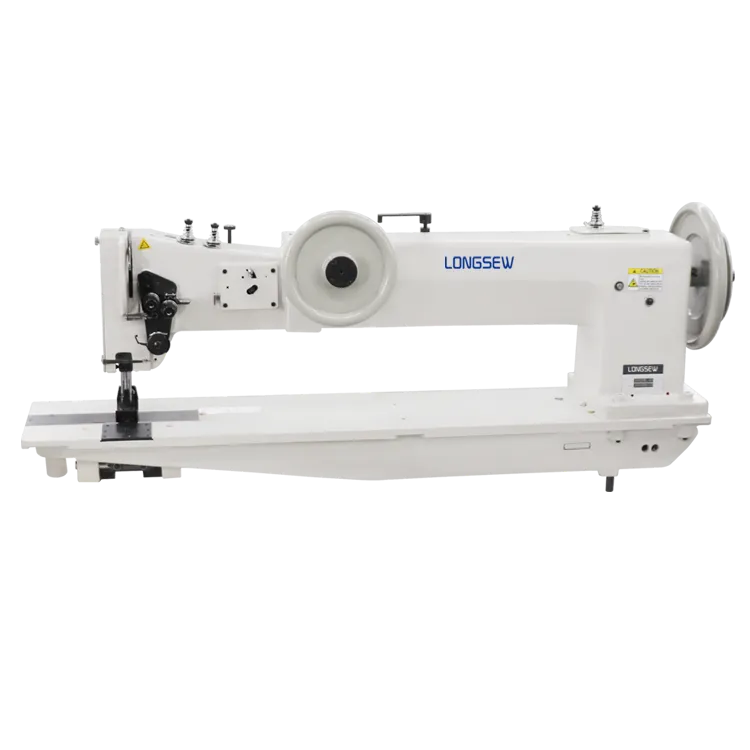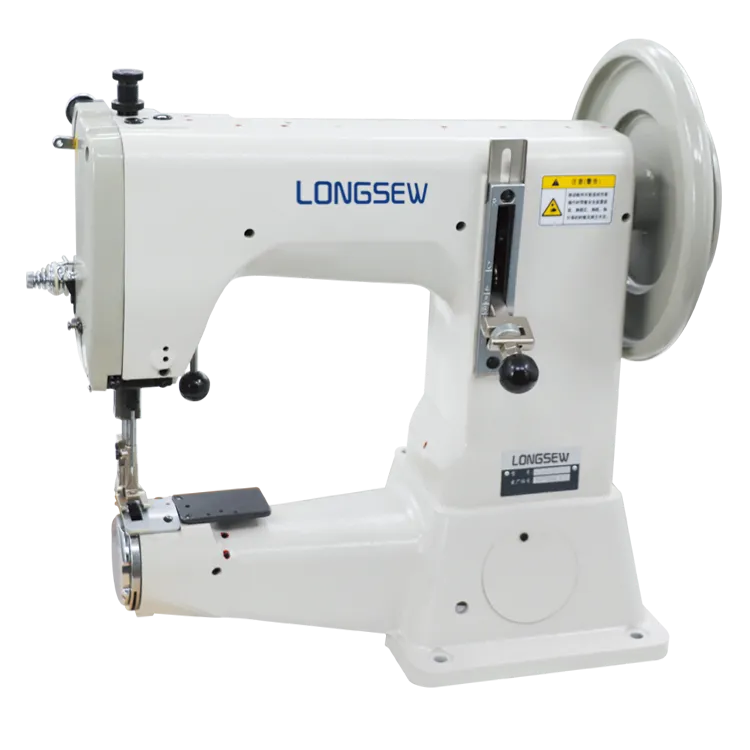
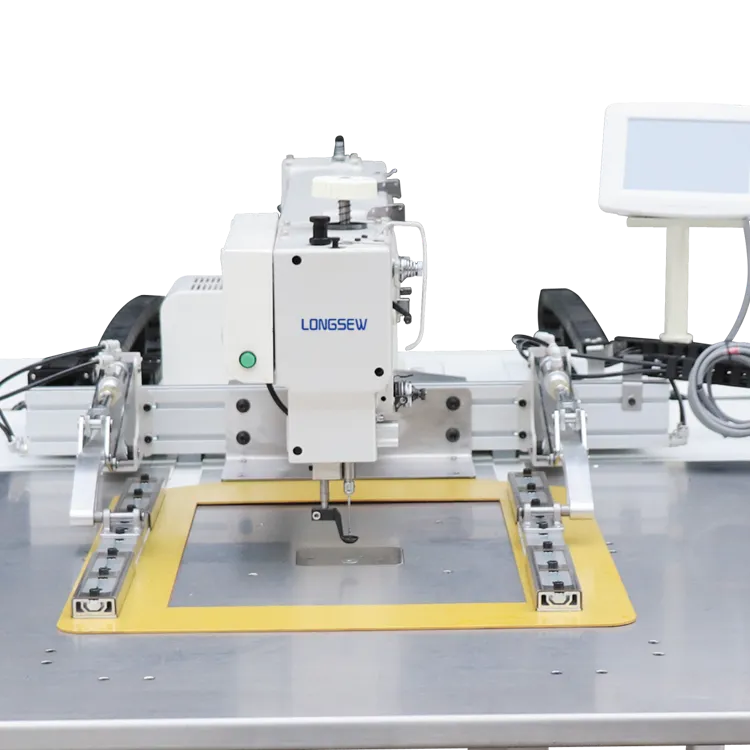
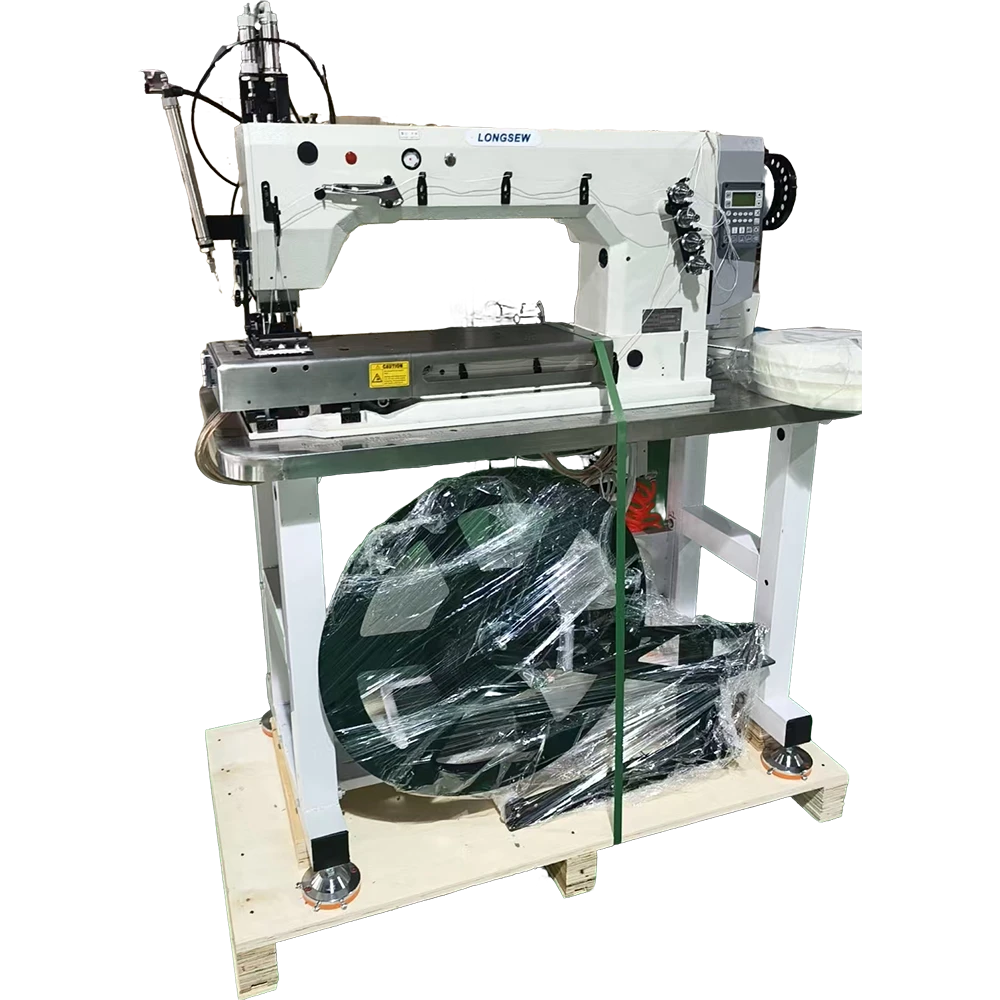
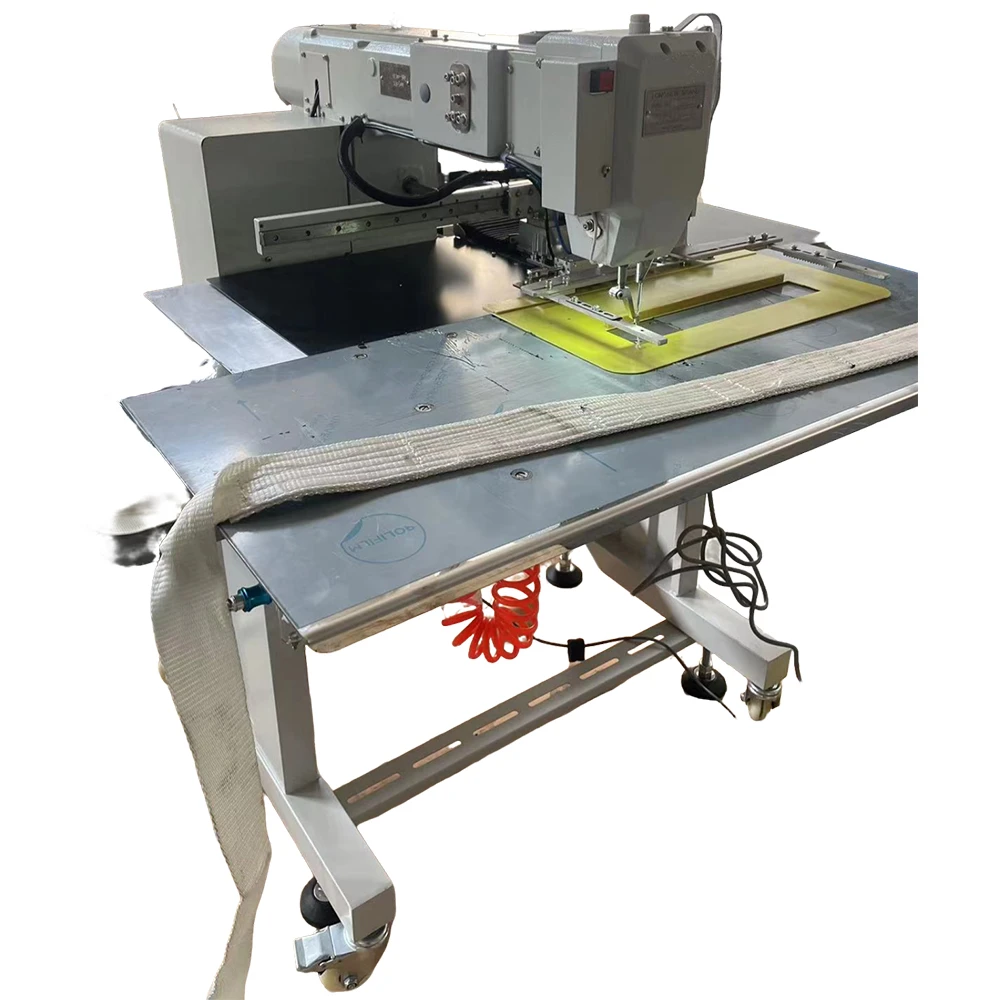
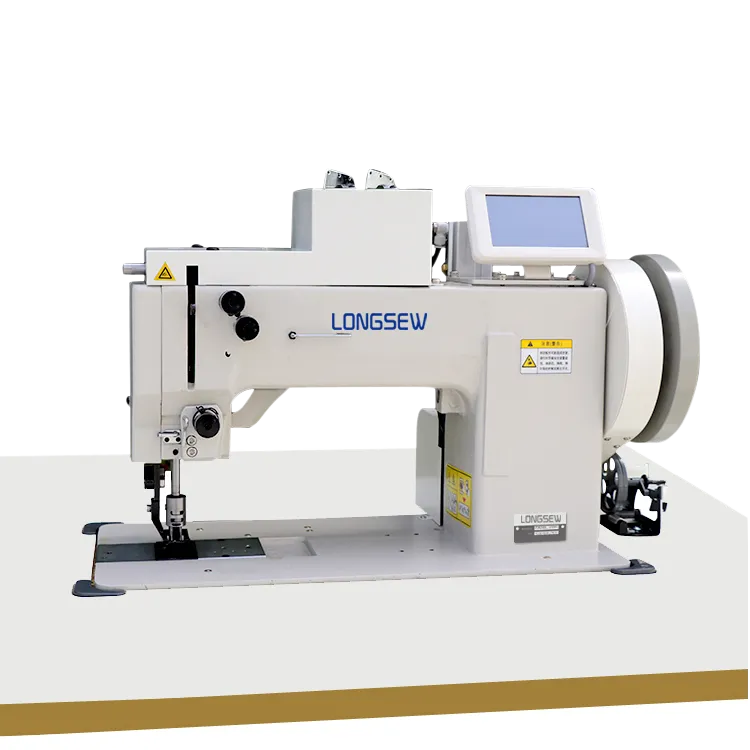
Industrial Packaging Solutions with jumbo bag sewing machine in Sri Lanka

Empowering Sri Lankan textile and packaging industries with high-precision stitching technology for heavy-duty industrial bags.

Current State of Bag Manufacturing in Sri Lanka

Analyzing the impact of tropical humidity and economic shifts on industrial sewing.

Sri Lanka's packaging industry is heavily driven by the export of tea, rubber, and cinnamon. The high humidity of the tropical climate often accelerates the wear and tear of mechanical components in a big bag sewing machine, necessitating equipment with superior anti-corrosion treatments and robust build quality to maintain consistent output.

Currently, many local factories are transitioning from manual labor to semi-automated systems. There is a growing demand for a 50 kg jute bag making machine as the agricultural sector seeks to standardize export packaging to meet international quality certifications and safety standards.

The market is characterized by a mix of legacy machinery and a rapid influx of modern technology. The adoption of the fibc sewing machine has become critical for companies producing Flexible Intermediate Bulk Containers used in the chemical and mineral sectors across the island.
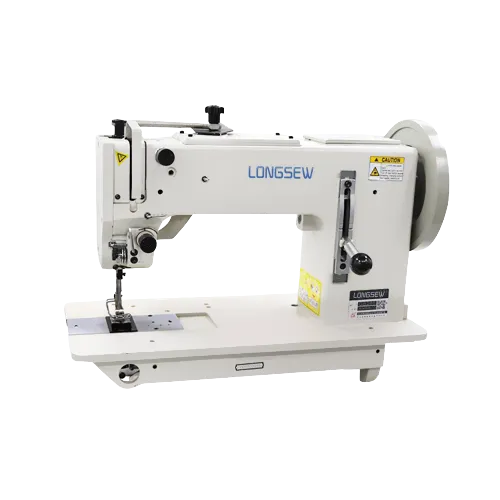
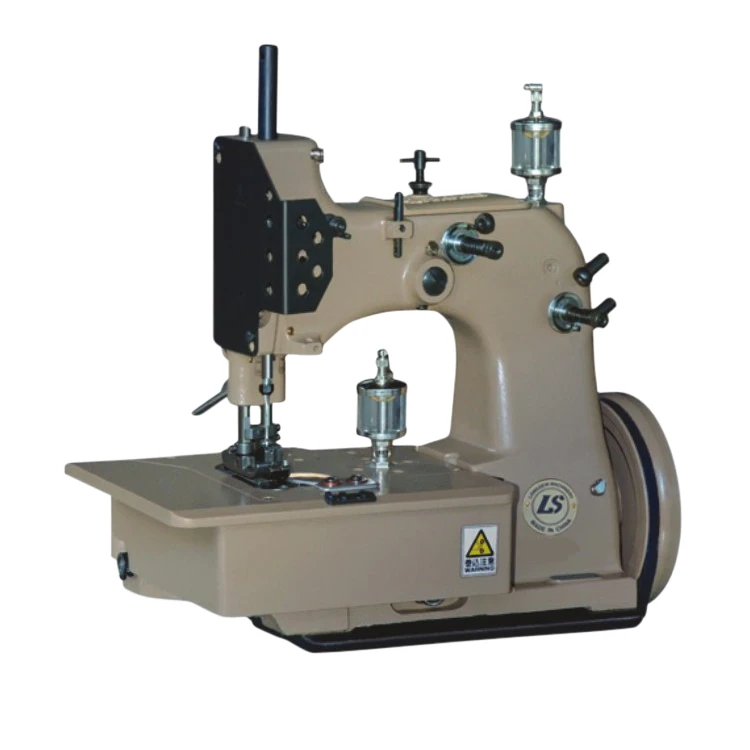
Evolution and Trajectory of Industrial Stitching

From traditional hand-stitching to intelligent automation in the textile sector.

Market Development History

In the early 2000s, the Sri Lankan market relied primarily on manual sewing and basic lockstitch machines. Production was slow, and the strength of the seams was inconsistent, which limited the capacity for high-volume exports of heavy industrial materials.

By 2010-2015, the introduction of the first generation of the jumbo bag stitching machine revolutionized the industry. This period saw a shift toward chain-stitch technology, allowing for stronger seams that could withstand the pressures of heavy-duty shipping.

From 2018 to the present, the industry has entered the era of "Smart Packaging." Current systems now integrate automatic thread cutting, tension control, and ergonomic designs, drastically reducing operator fatigue and increasing the daily output of bags per workstation.

Future Development Trends

Integration of IoT and Predictive Maintenance

Future machinery will likely incorporate sensors to monitor thread tension and needle wear in real-time, reducing downtime in Sri Lankan factories through predictive alerts.

Eco-Friendly Material Compatibility

With a global shift toward biodegradable polymers, machines are being redesigned to handle non-traditional, sustainable fibers without sacrificing seam integrity.

Modular Automation Scaling

We expect a move toward modular lines where a 50 kg jute bag making machine can be seamlessly integrated into a larger automated assembly line for end-to-end production.

Industry Trends and Future Outlook

Strategic forecasting for the Sri Lankan specialized equipment market.

High-Speed Precision
Increasing the stitches per minute (SPM) while maintaining the structural integrity of heavy-duty polymers.
Energy Optimization
Development of servo-motor driven systems to reduce electricity costs in large-scale Sri Lankan factories.
Material Versatility
Adapting machines to handle everything from fine polypropylene to heavy jute and recycled plastics.
Ergonomic Workflow
Redesigning the sewing station to minimize physical strain on operators during long shifts.

Industry Outlook

Based on Google search trends for industrial machinery in South Asia, there is a significant uptick in queries regarding "automated bag closing" and "high-tensile stitching." This suggests that Sri Lankan manufacturers are shifting their focus from mere production to high-quality, export-grade reliability.

Over the next 3-5 years, we anticipate that the integration of AI-driven quality control—where cameras detect seam irregularities in real-time—will become the standard for top-tier producers in the region, further cementing Sri Lanka's position in the global textile supply chain.

Localized Applications in Sri Lanka

Real-world deployment of heavy-duty sewing technology across diverse sectors.

01. Tea and Spice Export Packaging

Utilizing specialized stitching machines to create reinforced bags that prevent leakage of fine tea leaves and spices during long-term maritime transport from Colombo Port.

02. Construction and Mineral Bulk Bags

Applying high-strength fibc sewing machine technology to produce bags for sand, cement, and minerals used in national infrastructure projects.

03. Agricultural Rice and Grain Storage

Deployment of the 50 kg jute bag making machine for local farmers and distributors to ensure secure, breathable packaging for paddy and grains.

04. Chemical and Fertilizer Industry

Creating leak-proof, heavy-duty containers using precision jumbo bag stitching machine setups to handle corrosive materials safely.

05. Recycling and Waste Management

Manufacturing large-scale waste collection bags for urban sanitation projects in Colombo and Kandy using durable, high-capacity stitching equipment.

Brand Story

Global Development History of Hebei Longsew Machinery Technology Co., Ltd.

Founding Vision

Established with a mission to solve the common pain points of thread breakage and seam failure in heavy-duty industrial sewing.

Technological Breakthrough

Developing proprietary tension-control systems that allow machines to sew through multiple layers of heavy polypropylene without skipping stitches.

Market Expansion

Expanding our footprint across Asia, adapting our machinery to survive the high-humidity environments of tropical regions like Sri Lanka.

Quality Certification

Achieving international standards for industrial safety and durability, ensuring our machines meet the strictest export requirements.

Future Commitment

Continuously innovating toward green manufacturing and fully automated stitching solutions for a sustainable textile future.

Common Questions from Sri Lankan Clients

Expert answers to technical challenges in industrial bag sewing.

How to maintain a jumbo bag sewing machine in humid climates?

We recommend daily lubrication with high-grade anti-rust oil and storing the machine in a well-ventilated area to prevent oxidation of the needle bar and bobbin case.

Can the 50 kg jute bag making machine handle different fabric thicknesses?

Yes, our machines feature adjustable presser foot pressure and variable feed settings, allowing you to switch between light jute and heavy-duty canvas easily.

What is the difference between a big bag sewing machine and a standard industrial machine?

Big bag machines are designed with higher torque motors and reinforced frames to penetrate thick, multi-layered synthetic fabrics that would break a standard machine.

How do I choose the right needle for a fibc sewing machine?

For FIBC bags, we recommend heavy-duty needles with a larger eye and reinforced shaft to prevent bending when sewing through polypropylene webbing.

Is the jumbo bag stitching machine compatible with automatic thread cutters?

Yes, our advanced models come equipped with pneumatic or electronic thread cutters to significantly speed up the finishing process.

What is the expected lifespan of these industrial sewing machines in Sri Lanka?

With regular maintenance and the use of genuine spare parts, our machines are designed to operate for over 10 years in high-production environments.

Ready to Upgrade Your Production Line?

Contact our experts today for a customized machinery consultation for your business in Sri Lanka.

Contact Us Now

If you are interested in our products, you can choose to leave your information here, and we will be in touch with you shortly.