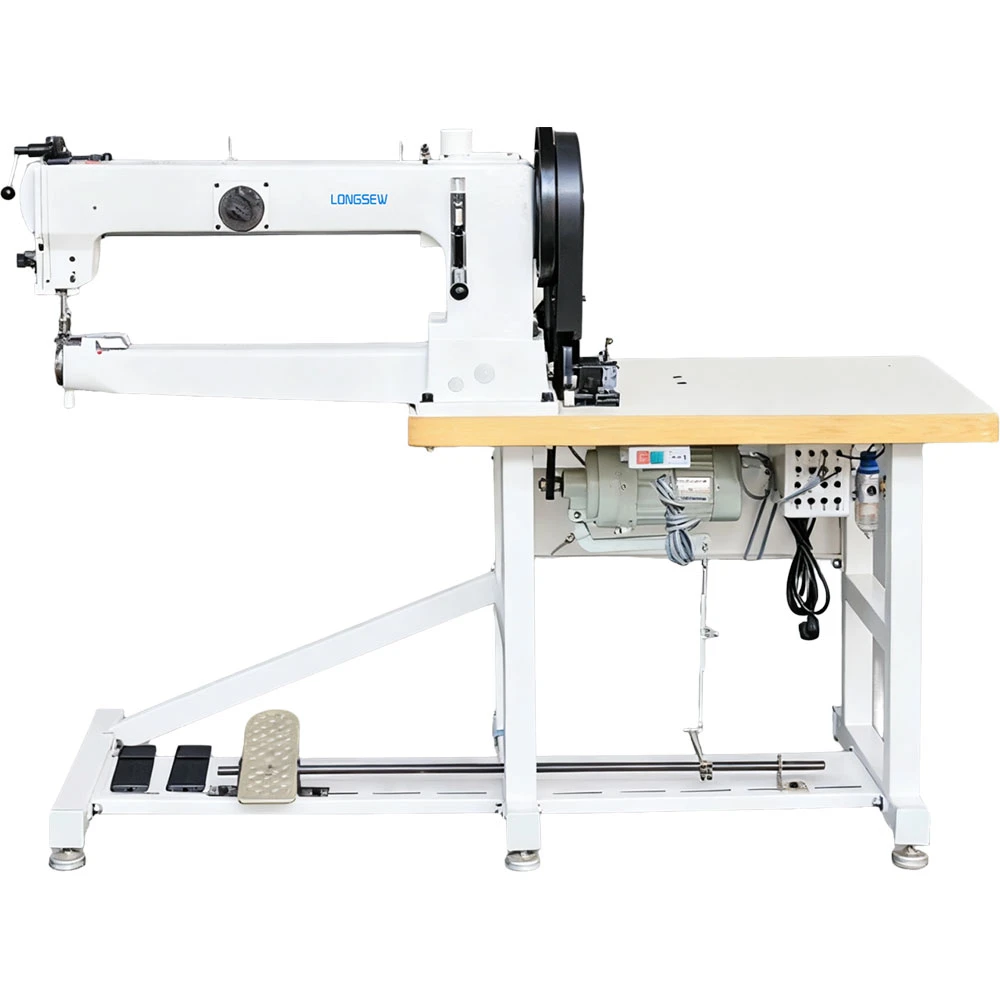
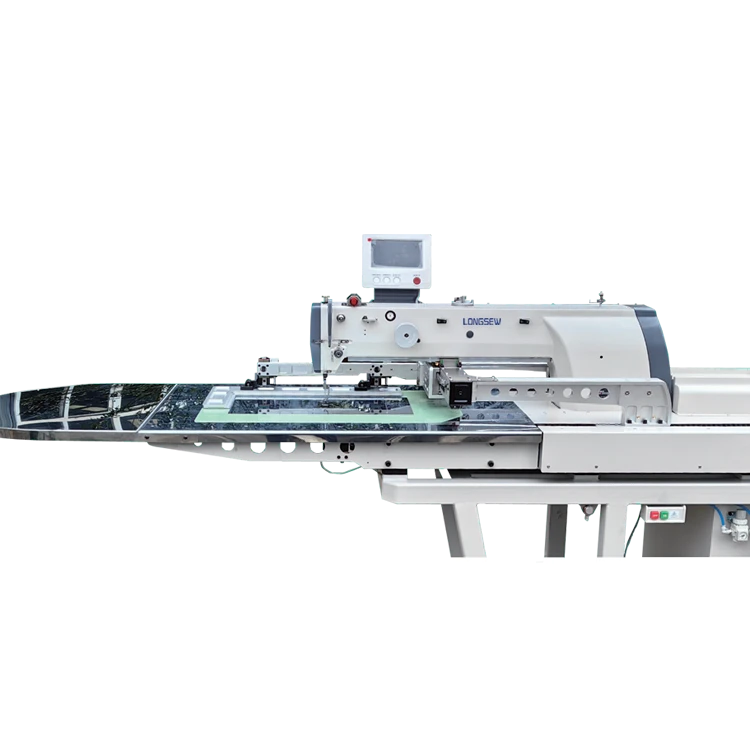
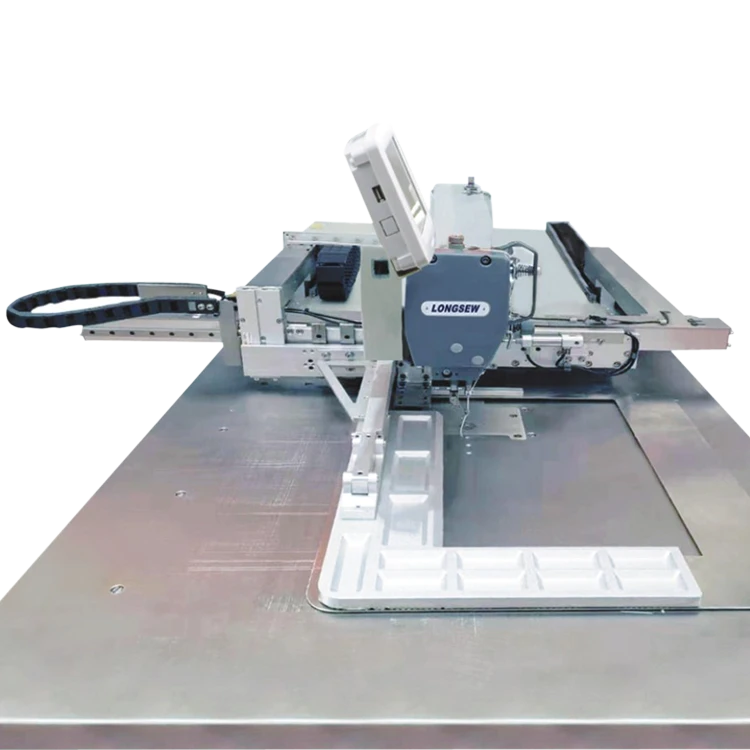
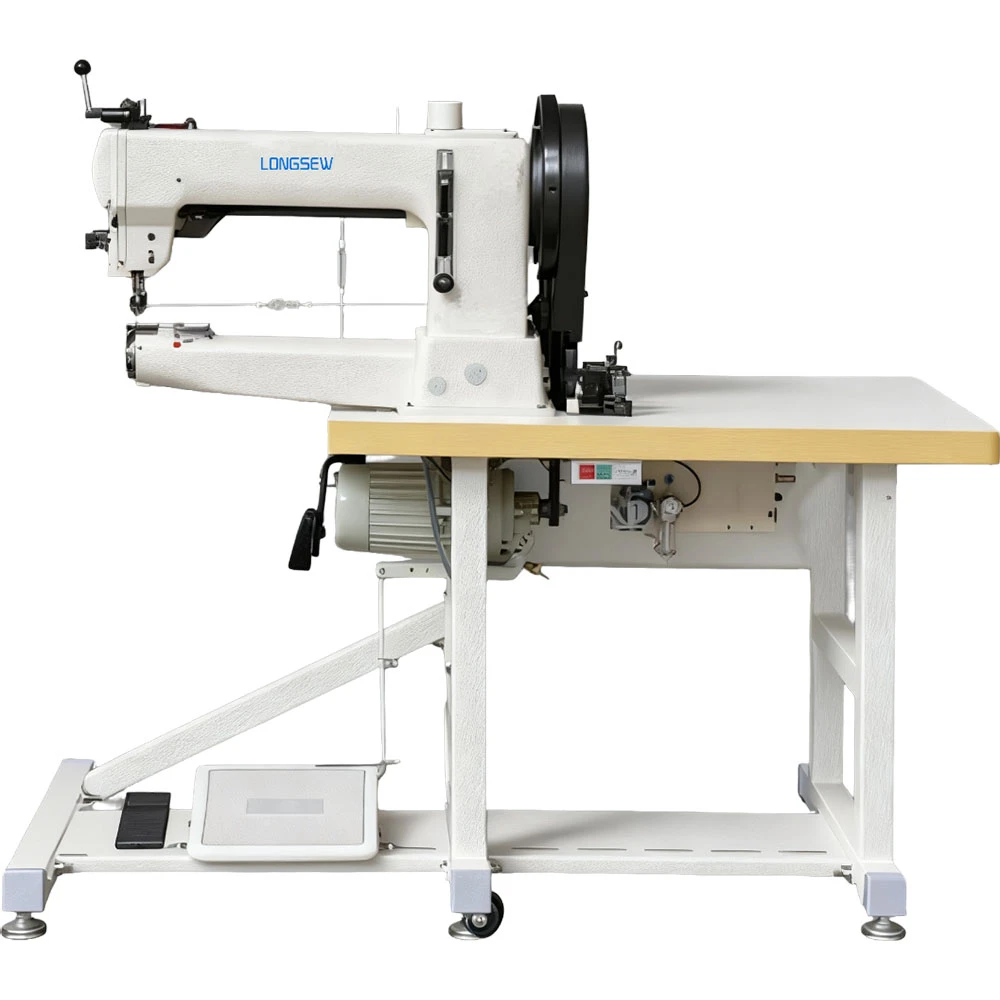
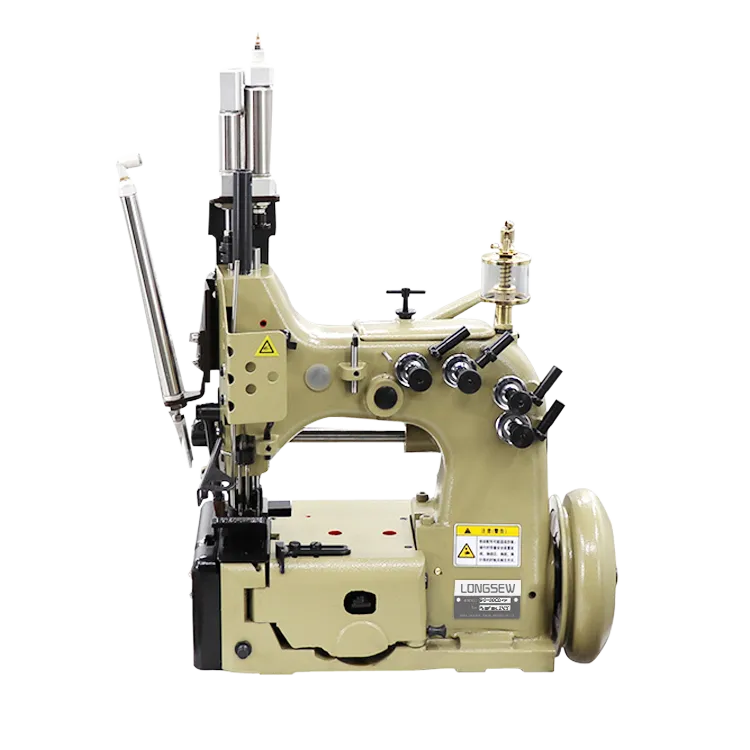
Industrial jumbo bag sewing machine Solutions for Venezuela

High-performance weaving and stitching technology engineered for the demanding industrial packaging sector in the Venezuelan market.

Current Landscape of Industrial Bag Manufacturing in Venezuela

Analyzing the operational challenges and equipment needs in the South American textile machinery market.

The manufacturing sector in Venezuela is currently characterized by a heavy reliance on durable packaging for the export of minerals, coffee, and petrochemical products. However, many local factories still utilize outdated machinery that lacks the precision and speed required for modern fibc sewing machine operations, leading to high waste rates and inconsistent seam strength.

Environmental factors, including high humidity in coastal regions like La Guaira and Carabobo, accelerate the wear and tear of mechanical components. There is a critical demand for specialized equipment like the big bag sewing machine that can withstand corrosive environments while maintaining high-tension stitching for loads up to 2,000 kg.

Furthermore, economic volatility has pushed Venezuelan producers toward "hybrid" production models, where they require versatile machinery capable of handling both heavy-duty FIBCs and smaller agricultural sacks, such as those produced by a 50 kg jute bag making machine, to maximize their market reach.
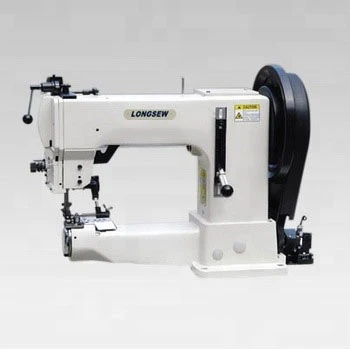
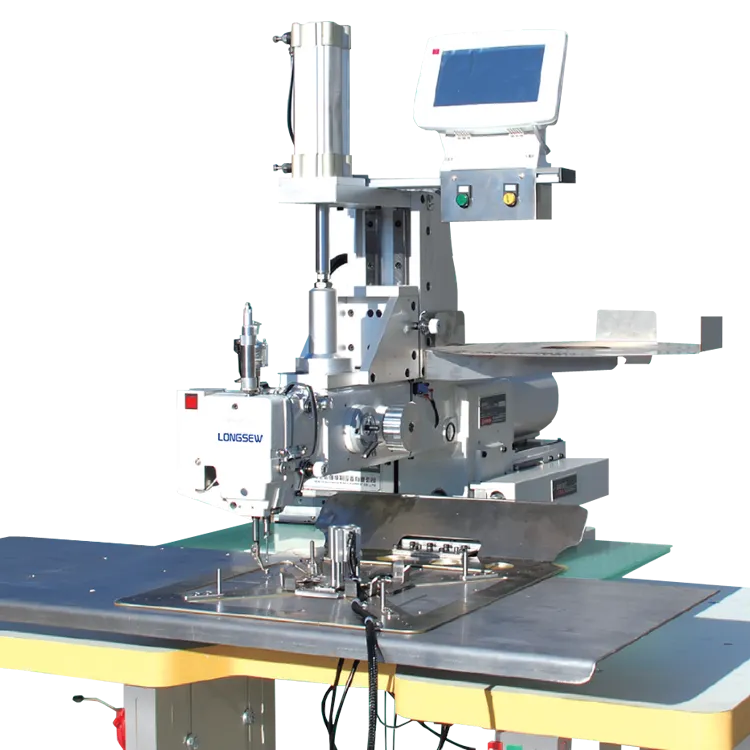
Evolution of Stitching Technology in South America

From manual labor to automated precision: The trajectory of bag closing technology.

Market Development History

In the 1990s, the Venezuelan market relied almost exclusively on manual handheld closing machines. Production was slow, and the lack of standardization meant that bag strength varied wildly, which was a significant risk for international shipping via the Port of Puerto Cabello.

Between 2005 and 2015, the industry shifted toward semi-automatic workstations. The introduction of the first specialized jumbo bag stitching machine models allowed factories to move from simple closing to complex structural sewing, enabling the production of U-panel and circular bags.

From 2018 to the present, there has been a surge in the adoption of PLC-controlled automated systems. Current trends show a move toward integrated lines where cutting, sewing, and quality testing are synchronized to reduce labor costs and increase export competitiveness.

Future Development Trends

Smart Sensor Integration

Expect a shift toward machines that automatically detect fabric thickness and adjust tension in real-time to prevent thread breakage in high-density polypropylene materials.

Energy-Efficient Servo Motors

Due to power instability in various Venezuelan industrial zones, the adoption of energy-saving servo motors will become standard to reduce electricity consumption and heat generation.

Eco-friendly Material Compatibility

With global shifts toward sustainability, equipment will be redesigned to handle biodegradable fibers and recycled polymers without compromising stitch integrity.

Future Outlook of the Textile Machinery Industry

Strategic technological pivots for the next 3-5 years in the FIBC sector.

Automation Synergy
Integrating robotic arms with stitching units to eliminate manual lifting of heavy jumbo bags.
IoT Monitoring
Real-time wear tracking for needles and hooks to prevent unplanned downtime in Venezuelan plants.
Material Versatility
Expanding capability to handle non-woven and reinforced coated fabrics for specialized chemicals.
Modular Design
Quick-change heads allowing one machine to switch between FIBC and jute bag modes.

Industry Outlook

Based on Google search trend data for "industrial packaging automation" in Latin America, there is a growing trajectory toward integrated production lines. Venezuela is expected to follow this path as it seeks to revitalize its agricultural exports, requiring bags that meet strict ISO and international safety standards.

The future will see a consolidation of manufacturers who invest in high-precision jumbo bag sewing machine technology, as these companies will be the only ones capable of competing in the global market for high-load industrial packaging.

Localized Application Scenarios in Venezuela

How our machinery solves specific regional production challenges.

1. Petrochemical Resin Packaging in Anzoátegui

Utilizing heavy-duty big bag sewing machine units to create leak-proof, high-strength bags for transporting polymer pellets and resins used in the regional oil industry.

2. Coffee Export Logistics in Los Andes

Implementing a 50 kg jute bag making machine line to standardize the packaging of high-grade Arabica coffee for European and North American markets.

3. Mineral Ore Transport in Bolívar State

Deploying reinforced fibc sewing machine systems to manufacture ultra-heavy bags capable of carrying 2,000kg of iron ore without seam failure.

4. Agricultural Feed Production in Zulia

Using a jumbo bag stitching machine to rapidly close bulk feed bags for the livestock sector, ensuring air-tight seals to prevent moisture contamination.

5. Specialized Chemical Storage in Valencia

Applying precision stitching for conductive FIBCs that prevent static discharge during the filling of volatile chemical powders in industrial parks.

Brand Story

Global Development Journey of Hebei Longsew Machinery Technology Co., Ltd.

Foundation and Focus

Longsew began with a singular mission: to eliminate the common pain point of seam failure in industrial bags by engineering high-torque, precision-timed stitching mechanisms.

Technological Breakthrough

We pioneered the integration of automatic thread trimming and tension control, significantly reducing the manual labor required for jumbo bag production.

Global Expansion

Expanding our footprint across South America, we adapted our designs to meet the rugged environment and specific material needs of the Venezuelan industrial sector.

Quality Certification

By achieving international standards of precision, Longsew became a trusted partner for factories exporting bags to the most regulated global markets.

Future Commitment

We continue to invest in R&D to create the next generation of eco-friendly, automated sewing solutions for the global textile machinery industry.

Frequently Asked Questions for Venezuelan Clients

Technical guidance and procurement support for textile machinery.

Which fibc sewing machine is best for heavy-duty mineral bags?

For mineral bags, we recommend our high-torque, chain-stitch models that ensure maximum seam strength and can penetrate multiple layers of reinforced polypropylene without needle deflection.

How to maintain a jumbo bag sewing machine in high-humidity coastal areas?

We suggest using corrosion-resistant lubricants and implementing a daily cleaning schedule to remove dust and moisture from the shuttle hook and feed dog areas.

Can a 50 kg jute bag making machine be customized for different fabric widths?

Yes, our machines feature adjustable guides and modular feeding systems that allow operators to switch between various bag dimensions quickly.

What is the difference between a big bag sewing machine and a standard industrial sewing machine?

Big bag machines are engineered with much higher penetration power, specialized heavy-duty needles, and reinforced frames to handle thick, industrial-grade woven fabrics.

Does the jumbo bag stitching machine support automatic thread cutting?

Our premium models are equipped with pneumatic or electronic thread cutters that automatically trim the thread at the end of the cycle to increase production speed.

What are the shipping and installation options for Venezuela?

We provide comprehensive international shipping and offer remote installation guidance via video conferencing or on-site technician support upon request.

Optimize Your Production Line Today

Looking for a reliable partner in textile machinery? Contact our experts for customized solutions tailored to the industrial needs of Venezuela.

Contact Us Now

If you are interested in our products, you can choose to leave your information here, and we will be in touch with you shortly.