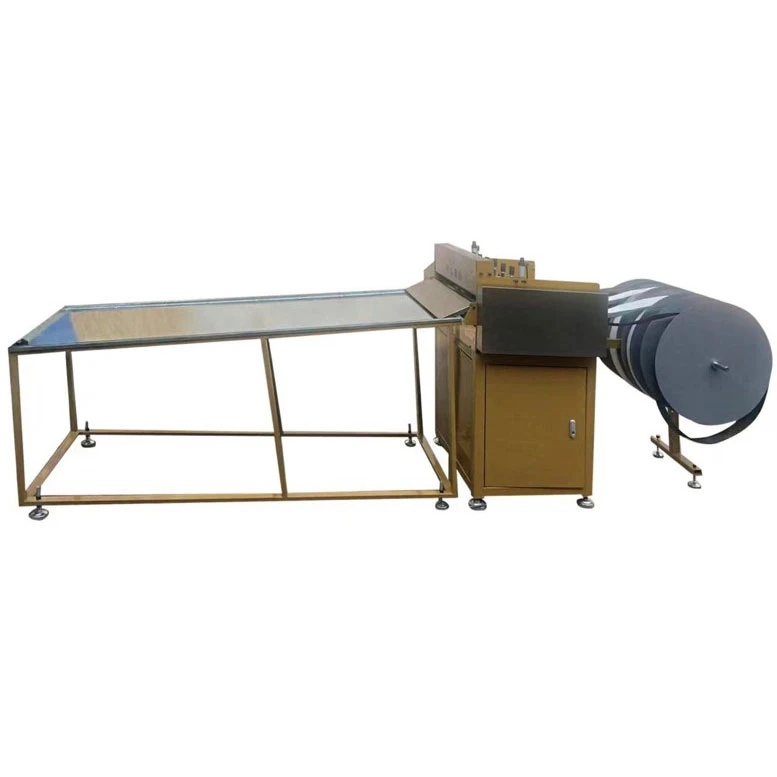
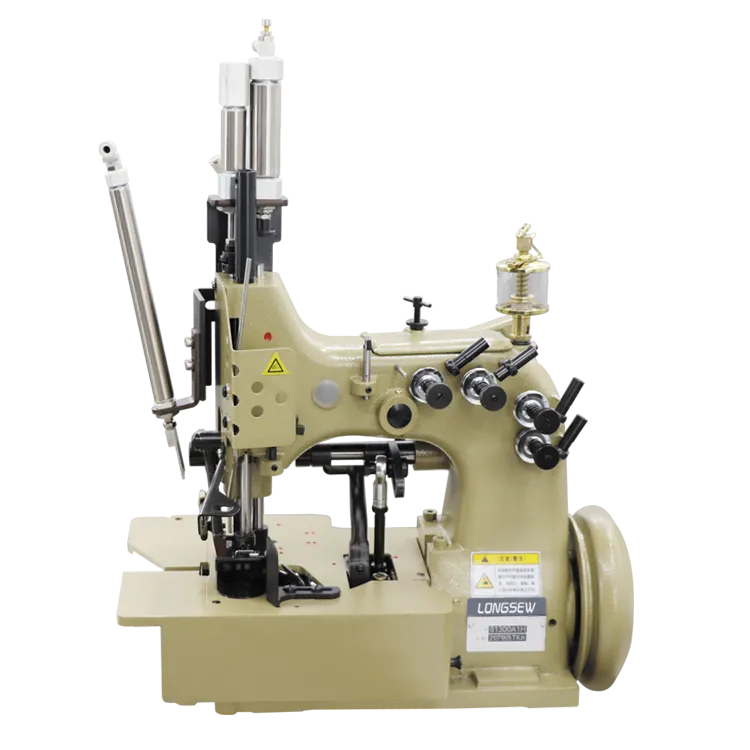
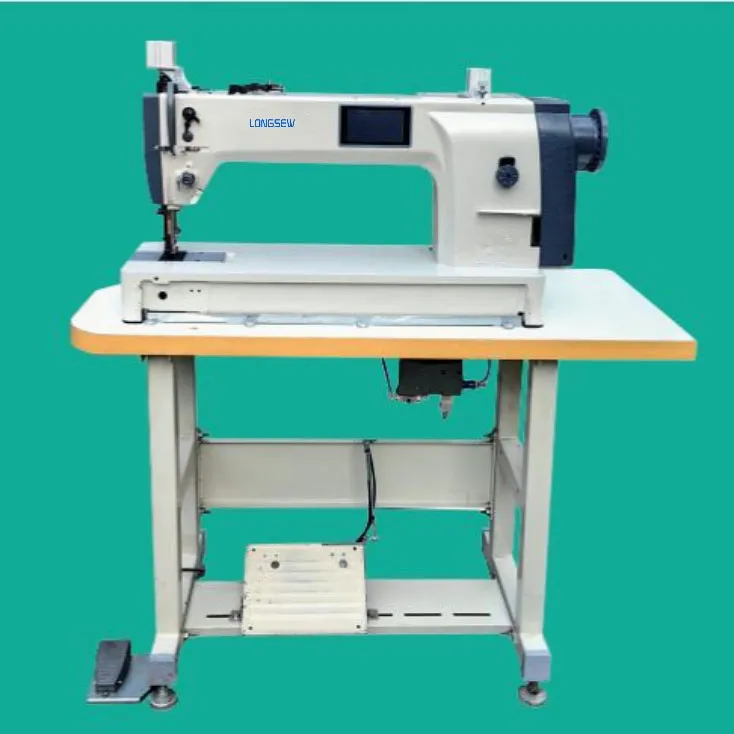
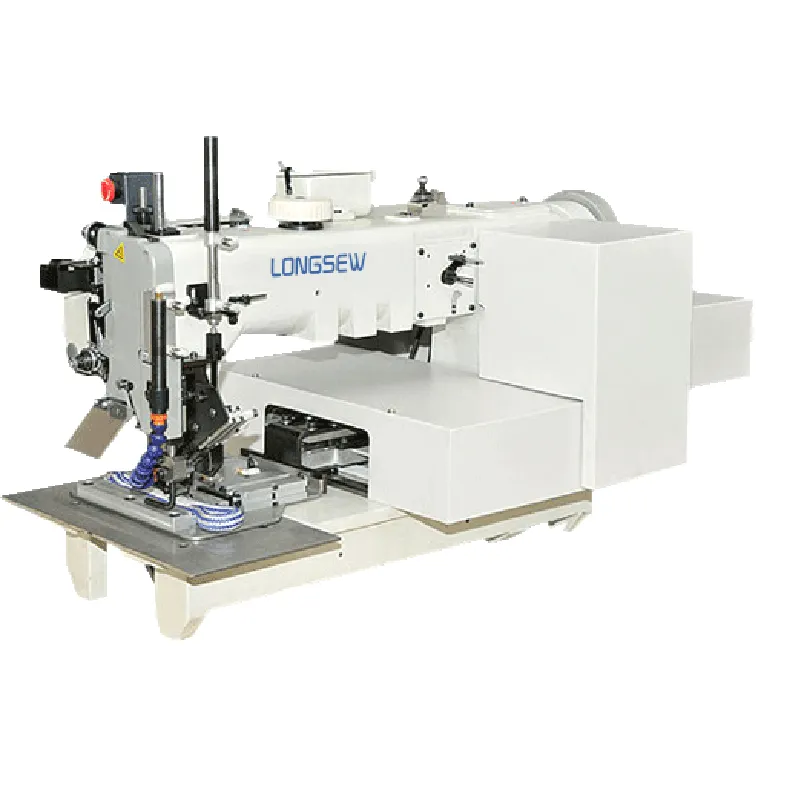
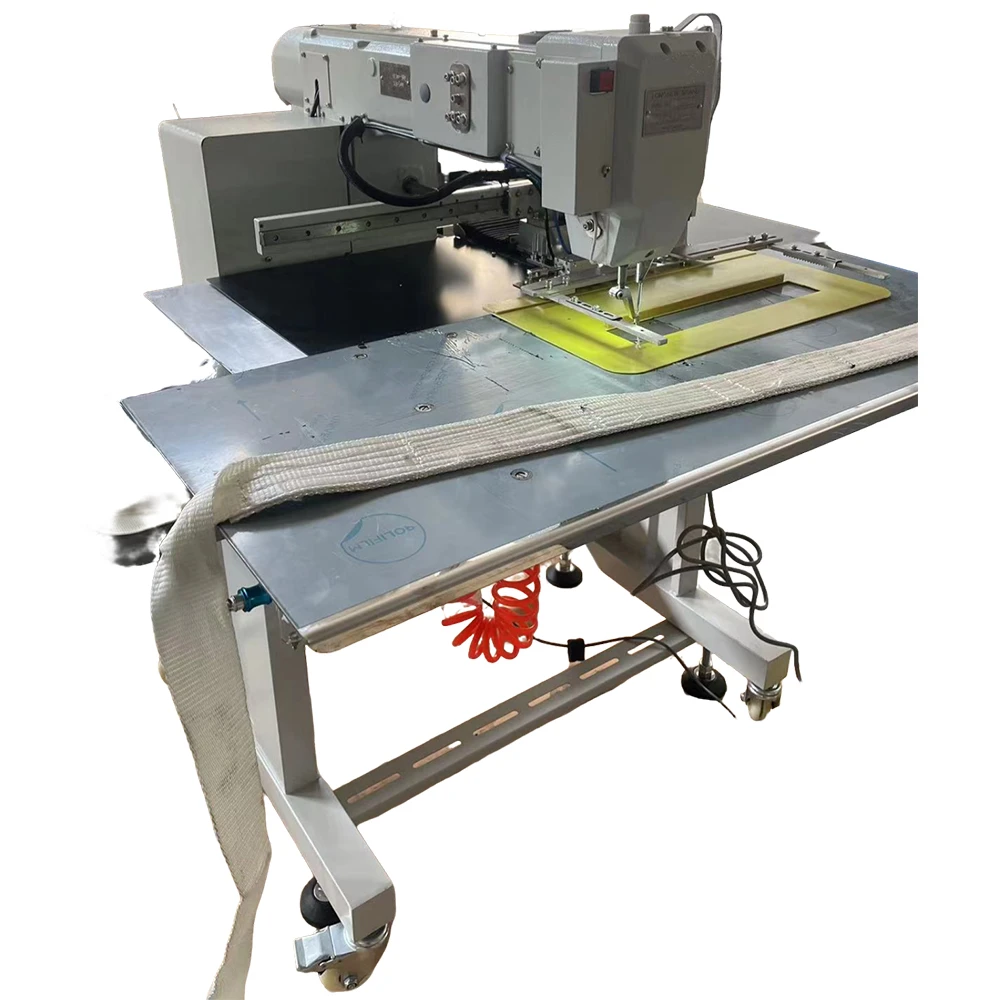
Industrial jumbo bag sewing machine Solutions for UK Manufacturing

High-performance stitching technology engineered for the rigorous demands of the United Kingdom's textile and industrial packaging sectors.

The State of Industrial Bag Production in the United Kingdom

Analyzing the operational landscape of the UK textile machinery market.

The United Kingdom maintains a sophisticated manufacturing base where the demand for a reliable fibc sewing machine is driven by the high standards of the pharmaceutical, chemical, and agricultural sectors. Given the UK's strict health and safety regulations, there is a significant shift toward automation and precision to reduce manual labor risks in heavy-duty stitching.

Economic pressures and the move toward sustainable packaging have pushed UK manufacturers to seek equipment that minimizes material waste. The integration of a big bag sewing machine that supports recycled polypropylene fabrics is becoming a standard requirement for companies aiming for Net Zero targets.

Geographically, the industry is concentrated around industrial clusters in the Midlands and Northern England, where the logistical need for bulk transport containers remains critical. This has led to an increased adoption of high-speed jumbo bag stitching machine technology to keep up with the fast-paced supply chain requirements of the UK's major ports.
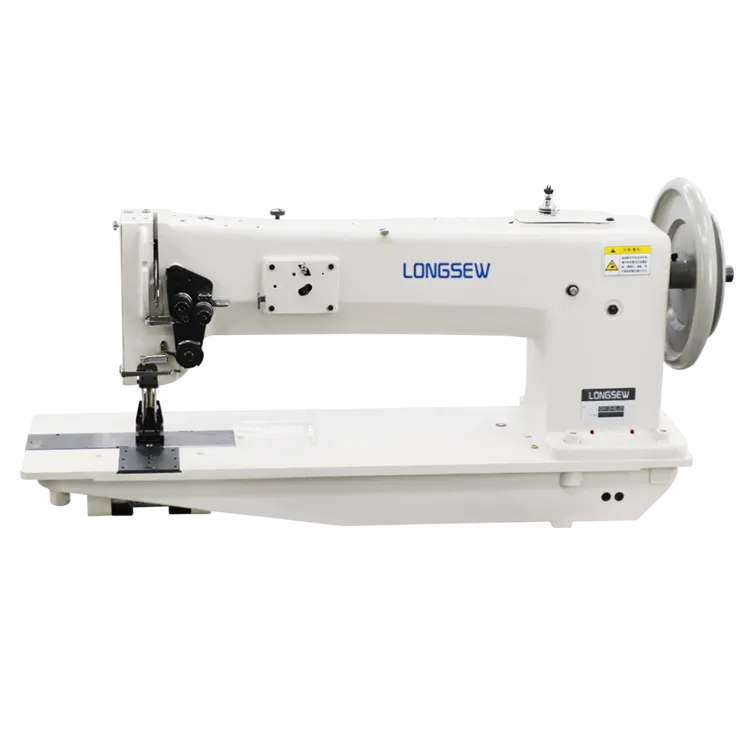
Evolution and Technical Trajectory of UK Bag Sewing

From manual stitching to AI-driven automated systems.

Market Development History

In the late 20th century, the UK market relied heavily on basic mechanical chain-stitch machines. These were primarily used for simple bagging, with limited capability for the heavy-duty loads required by the growing chemical industry.

Between 2000 and 2015, the transition to electronic control systems began. The introduction of a dedicated 50 kg jute bag making machine allowed for standardized production of medium-weight bags, improving consistency and reducing the failure rate of seams during transport.

From 2016 to the present, the focus has shifted toward "Smart Manufacturing." The current era is defined by the integration of servo motors and automatic thread cutters, transforming the traditional sewing floor into a high-efficiency production line.

Future Development Trends

IoT-Enabled Predictive Maintenance

Future systems will incorporate sensors to monitor needle wear and tension in real-time, reducing downtime in UK factories by predicting failures before they occur.

Eco-Material Optimization

Enhanced tension control systems will be developed specifically to handle bio-degradable and recycled fibers without compromising the structural integrity of the bulk bags.

Robotic Integration

The shift toward fully automated robotic arms for feeding and positioning materials into the sewing machine to eliminate repetitive strain injuries for operators.

Future Outlook for UK Textile Machinery

Strategic foresight for the next 3-5 years of industrial sewing technology.

Energy Efficiency Standards
Implementation of ultra-low power consumption motors to comply with UK energy efficiency regulations.
Material Versatility
Adapting to a wider range of non-woven and technical textiles used in advanced UK industrial bagging.
Precision Automation
Increasing the use of automated stop-and-start mechanisms to enhance seam safety and strength.
Digital Integration
Integrating sewing machines with ERP systems for real-time production tracking and quality auditing.

Industry Outlook

Google search trends in the UK show a rising interest in "automated packaging solutions" and "sustainable textile machinery." This indicates that the industry is moving away from standalone machines toward integrated systems that prioritize efficiency and ecological impact.

We expect the UK market to prioritize equipment that offers a high ROI through reduced waste and lower energy costs, making high-end industrial sewing machines a strategic investment for local manufacturers.

Local Applications Across the United Kingdom

Practical deployment of sewing technology in diverse UK industrial sectors.

01. Agricultural Bulk Grain Storage (East Anglia)

Utilizing heavy-duty jumbo bag sewing machine units to create breathable, high-strength bags for the regional grain and seed harvest.

02. Chemical Export Packaging (North West England)

Implementing precision fibc sewing machine systems to ensure leak-proof, safety-certified seams for hazardous chemical transport.

03. Construction Waste Management (London & Midlands)

Using rapid big bag sewing machine configurations to produce durable debris bags for urban redevelopment projects.

04. Specialized Jute Bag Production (Scottish Highlands)

Deploying the 50 kg jute bag making machine for traditional potato and root vegetable packaging for local farming cooperatives.

05. Logistics Hub Bulk Bag Repair (South East England)

Integrating portable jumbo bag stitching machine tools for on-site repair and reinforcement of shipping containers in major port facilities.

Brand Story

Global Development History of Hebei Longsew Machinery Technology Co., Ltd.

Foundational Engineering

Started with a mission to solve the lack of precision in heavy-duty textile stitching, focusing on the core mechanical durability of industrial sewing.

Technological Breakthrough

Introduced advanced servo-motor controls, allowing for the precise tension required for high-capacity FIBC production.

Global Market Expansion

Expanded operations to Europe, tailoring machinery to meet the strict CE and UKCA safety and efficiency standards.

Sustainability Focus

Developed a new line of energy-saving machines designed to work with recycled and eco-friendly industrial fabrics.

Industry Leadership

Recognized as a leading provider of specialized sewing solutions, solving the most complex seam-failure problems in the industry.

Frequently Asked Questions for UK Operators

Technical guidance and operational support for our British clients.

How do I choose the right fibc sewing machine for heavy-duty chemical bags?

For chemical bags, you need a machine with high-precision tension control and a reinforced needle bar to ensure air-tight and leak-proof seams that meet UK safety certifications.

What is the typical maintenance cycle for a jumbo bag sewing machine in a high-volume factory?

We recommend a daily check of the lubrication system and a comprehensive technical audit every 1,000 operational hours to maintain peak performance and avoid unplanned downtime.

Can a big bag sewing machine handle recycled polypropylene fabrics?

Yes, our latest models feature adjustable feed dogs and specialized needles specifically designed to handle the slight irregularities of recycled PP without causing fabric tears.

Is the 50 kg jute bag making machine suitable for organic farming packaging?

Absolutely. The machine is optimized for natural jute fibers, providing the structural strength required for 50kg loads while maintaining the organic integrity of the packaging.

What are the power requirements for a jumbo bag stitching machine in the UK?

Our machines are fully compatible with the UK standard 230V/50Hz power supply and include integrated voltage stabilizers to protect the electronics.

How does automation improve the efficiency of FIBC production?

Automation reduces manual handling, minimizes human error in seam length, and increases the output per hour by up to 30% compared to traditional manual machines.

Get Expert Consultation Today

Optimize your production line with the industry's leading sewing technology. Contact our specialists for a tailored solution in the United Kingdom.

Contact Us Now

If you are interested in our products, you can choose to leave your information here, and we will be in touch with you shortly.