
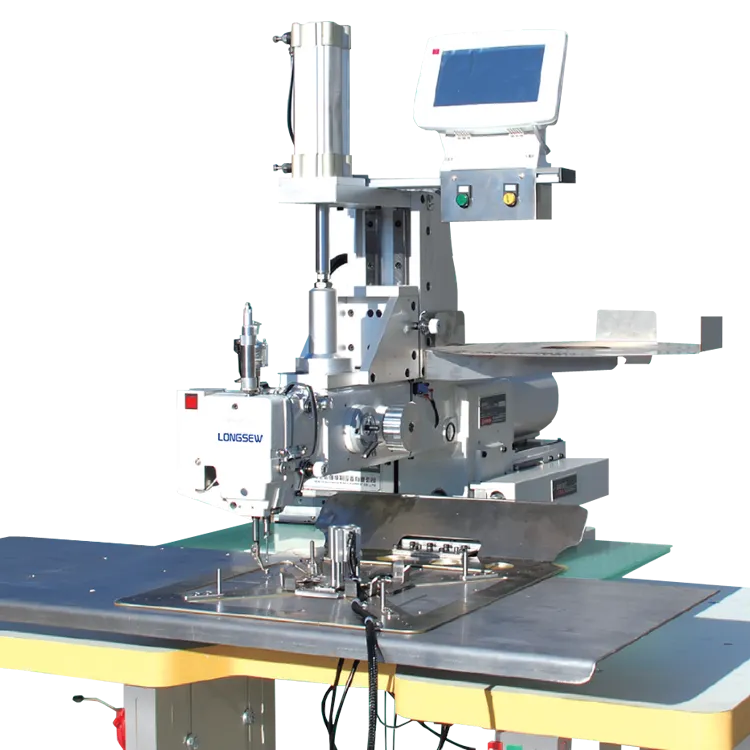
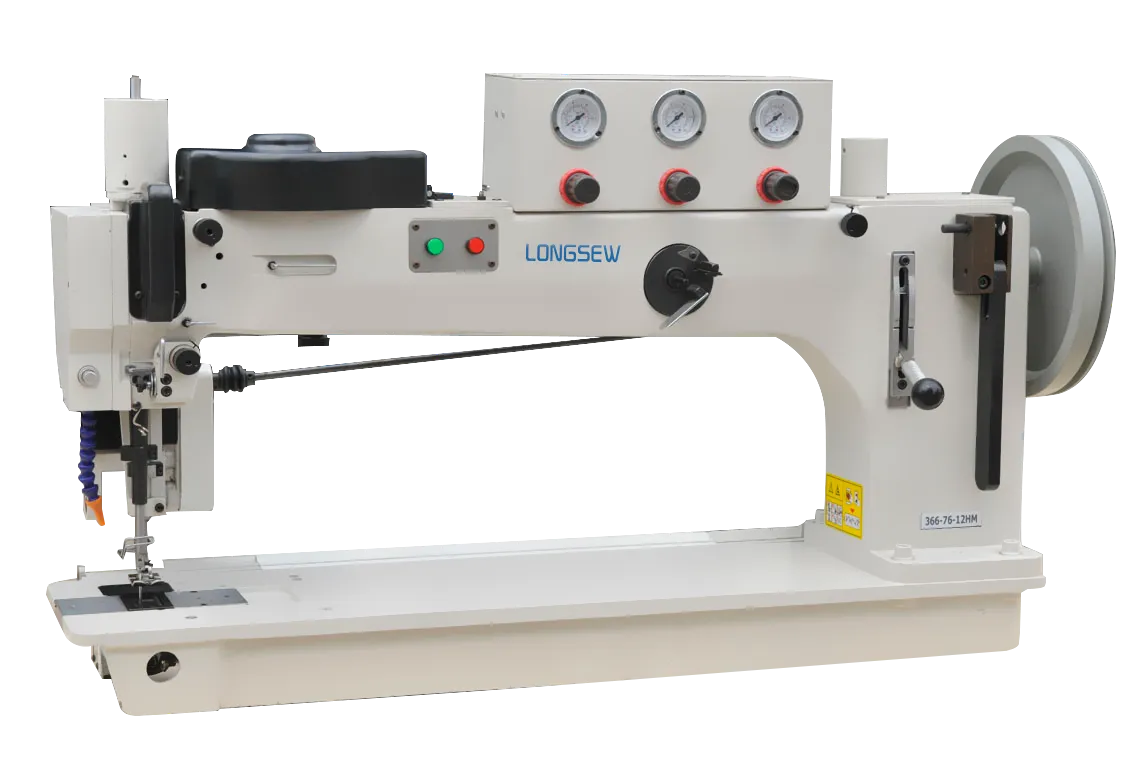
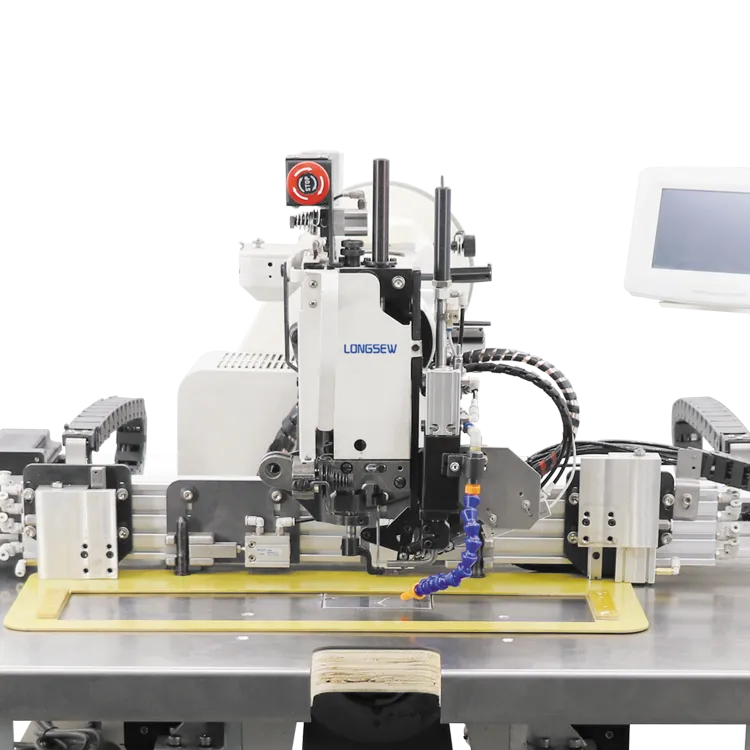
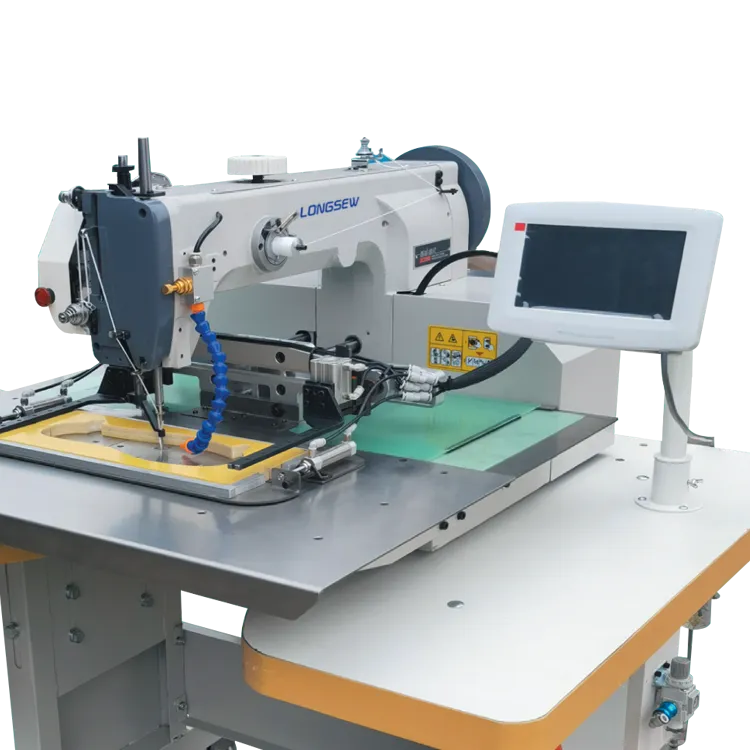
Industrial jumbo bag sewing machine Solutions for Peru's Export Market

High-performance stitching systems engineered for the demanding agricultural and mining packaging sectors in South America.

Packaging Machinery Landscape in Peru

Analyzing the operational challenges and demands of the Peruvian heavy-duty bag industry.

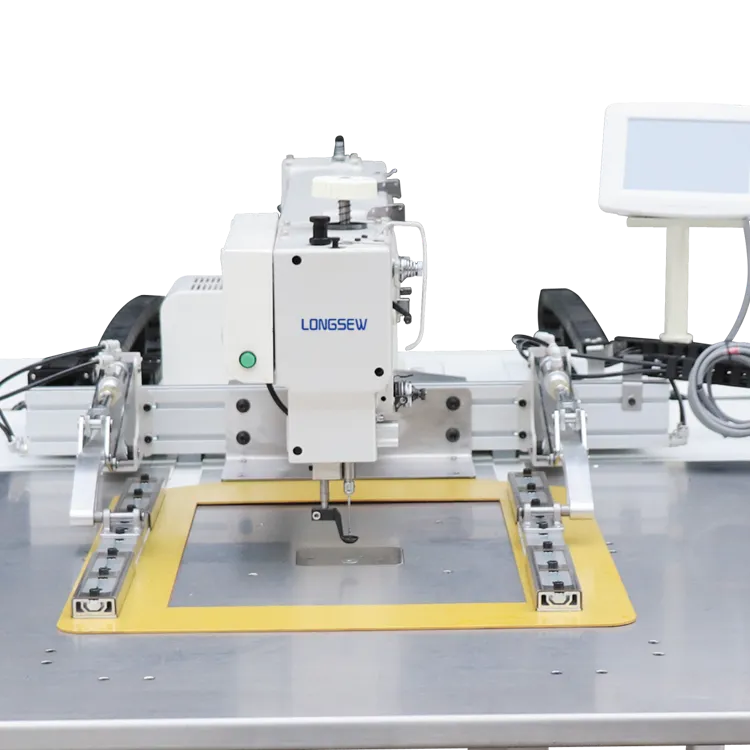
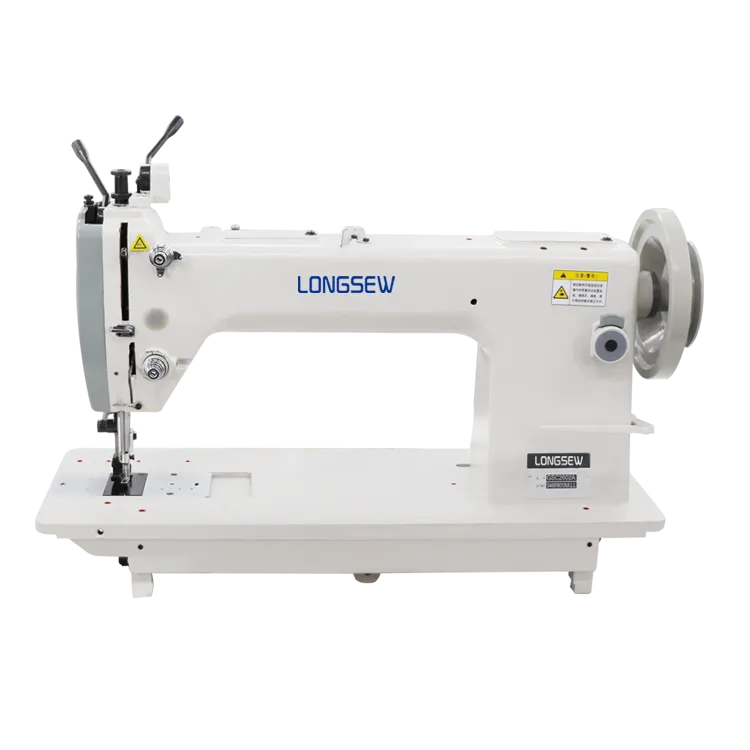
Peru's industrial landscape is heavily driven by the export of minerals and agricultural products like blueberries and grapes. This creates a massive demand for reliable big bag sewing machine systems that can handle high-tensile polypropylene fabrics used in mountainous terrain and coastal ports.

The local environment, characterized by high humidity in Lima and extreme dust in the Andean mining regions, requires machinery with superior corrosion resistance and robust mechanical seals. Many factories are currently transitioning from manual closing methods to semi-automated jumbo bag stitching machine setups to increase daily throughput.

Furthermore, the growth of the domestic jute and eco-friendly packaging sector has spurred a need for specialized equipment. The adoption of the 50 kg jute bag making machine has become essential for regional coffee and cocoa exporters who prioritize sustainable packaging for the European market.
Evolution of Industrial Stitching in Peru

From manual craftsmanship to automated high-speed precision.

Market Development History

In the early 2000s, the Peruvian packaging sector relied heavily on imported second-hand manual machines. Production was slow, and consistency in seam strength was a major pain point for FIBC exporters.

Between 2010 and 2020, there was a shift toward specialized electric-driven fibc sewing machine models. This era saw the introduction of automated tension control, significantly reducing bag failure rates during maritime transport.

Currently, the market has entered the "Intelligent Era," where synchronization between cutting and sewing is paramount. The integration of PLC controllers has allowed Peruvian factories to switch between different bag sizes rapidly, maximizing operational agility.

Future Development Trends

IoT Integration in Sewing

We predict a shift toward connected machinery that monitors thread consumption and needle wear in real-time, reducing downtime in remote Peruvian provinces.

Sustainable Material Processing

Increased demand for biodegradable polymers will require machines with adjustable feed dogs to prevent fabric slippage during high-speed stitching.

Energy-Efficient Servo Systems

With rising energy costs in South America, the transition from clutch motors to energy-saving servo motors is becoming the industry standard for large-scale plants.

Strategic Trends & Future Outlook

Anticipating the technological shifts in the South American textile machinery sector.

Automation Acceleration
Moving from semi-automatic to fully automated conveyor-integrated sewing lines to meet export volumes.
Material Versatility
Developing machinery capable of handling diverse fabrics from heavy PP to organic jute fibers.
Predictive Maintenance
Using sensor data to predict mechanical failure before it stops the production line.
Green Manufacturing
Reducing carbon footprints through low-noise and low-energy sewing components.

Industry Outlook

The Peruvian market is expected to see a 15% increase in the adoption of high-speed automated sewing systems by 2027, driven by the need to compete with Asian manufacturing hubs in the FIBC sector.

As global sustainability regulations tighten, the demand for machines that can handle recycled PP and organic jute will grow, positioning Peru as a leader in sustainable packaging in South America.

Localized Application Scenarios in Peru

Real-world implementations of our sewing technology across Peruvian industries.

01. Mining Ore Export Packaging

Utilizing heavy-duty jumbo bag sewing machine systems in Callao to secure 2,000kg mineral concentrates for transoceanic shipping.

02. Andean Coffee Bean Production

Implementing the 50 kg jute bag making machine for specialty coffee cooperatives in Cajamarca to maintain organic certification standards.

03. Agro-Industrial Fertilizer Bags

Deploying high-speed fibc sewing machine lines for the production of chemical-resistant bags used in Peru's coastal irrigation projects.

04. Fishing Industry Feed Bags

Using specialized big bag sewing machine setups to produce moisture-proof aquaculture feed bags for the fishmeal industry.

05. Textile Waste Recycling Bags

Applying jumbo bag stitching machine technology to create large-scale collection bags for textile recycling plants in Gamarra.

Brand Story

Global Development Journey of Hebei Longsew Machinery Technology Co., Ltd.

Foundational Engineering

Started with a vision to solve the common problem of seam bursting in heavy-duty industrial bags, focusing on precision needle alignment.

Technological Breakthrough

Developed a proprietary tensioning system that allows machines to handle diverse materials from jute to synthetic polymers without skipping stitches.

Global Market Expansion

Expanded operations into South America, establishing a strong presence in Peru by providing localized technical support and durable hardware.

Innovation in Automation

Launched the Smart-Stitch series, integrating PLC controls to reduce labor costs and increase production speed for FIBC manufacturers.

Commitment to Sustainability

Current focus on creating energy-efficient machinery that supports the global transition to biodegradable industrial packaging.

Common Questions from Peruvian Manufacturers

Expert answers to technical and logistical queries regarding industrial sewing machines.

Which jumbo bag sewing machine is best for high-humidity coastal areas like Lima?

For high-humidity environments, we recommend machines with anti-corrosive coatings and sealed electronic components to prevent moisture ingress and rust.

Can a 50 kg jute bag making machine handle recycled organic fibers?

Yes, our jute bag making machines feature adjustable feed mechanisms specifically designed to handle the varying thickness and friction of recycled organic fibers.

What is the typical lead time for delivering a big bag sewing machine to Peru?

Depending on the customization level, the lead time usually ranges from 15 to 30 days, followed by standard maritime shipping to the port of Callao.

How do I maintain a fibc sewing machine in dusty mining environments?

We suggest daily air-compressed cleaning of the bobbin area and weekly lubrication of the main shaft to prevent dust buildup from causing mechanical friction.

Is the jumbo bag stitching machine compatible with different thread types?

Absolutely. Our machines are designed to work with high-tenacity polyester and nylon threads, ensuring maximum seam strength for heavy loads.

Do you provide remote installation support for machines sent to remote regions in Peru?

Yes, we provide comprehensive video guides and live remote technical sessions to ensure your machinery is installed and calibrated correctly.

Optimize Your Packaging Production

Ready to upgrade your factory with world-class sewing technology? Our experts are available to provide customized solutions for your business in Peru.

Contact Us Now

If you are interested in our products, you can choose to leave your information here, and we will be in touch with you shortly.
