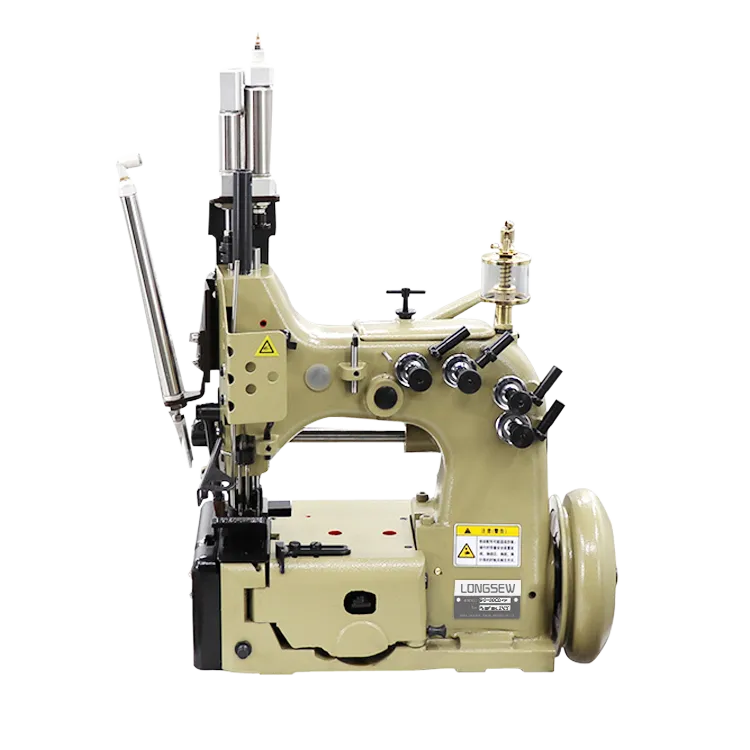

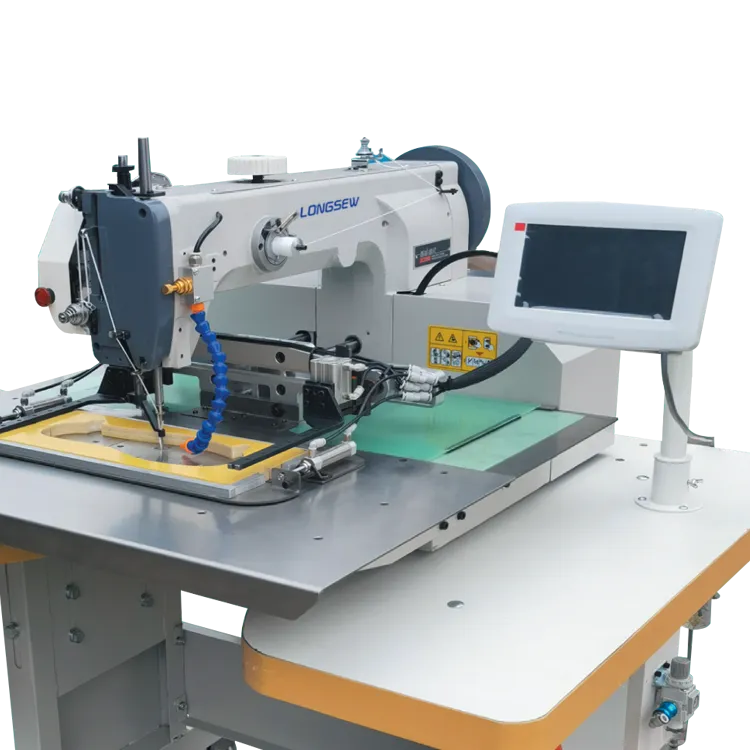
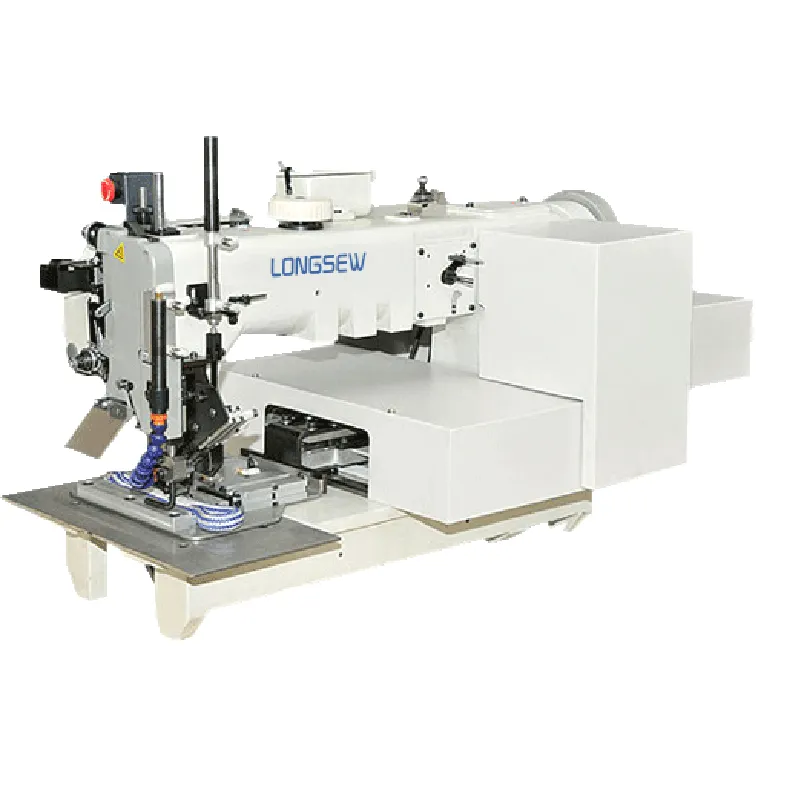
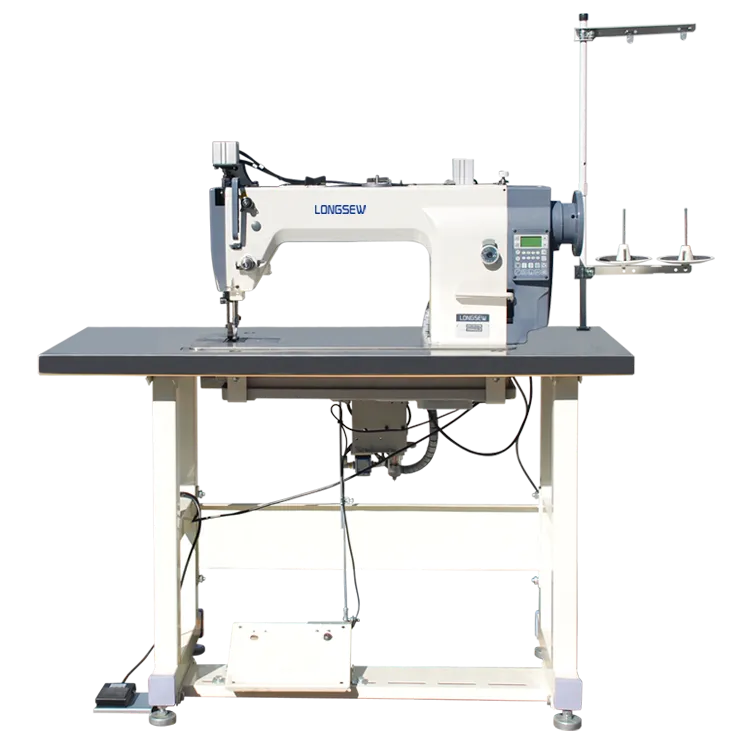
New Zealand's economy is heavily reliant on the export of dairy, forestry, and agricultural products. This necessitates a robust infrastructure for bulk transport, where the use of a fibc sewing machine becomes critical to ensure that high-tonnage containers remain secure during long-distance maritime transit to global markets.
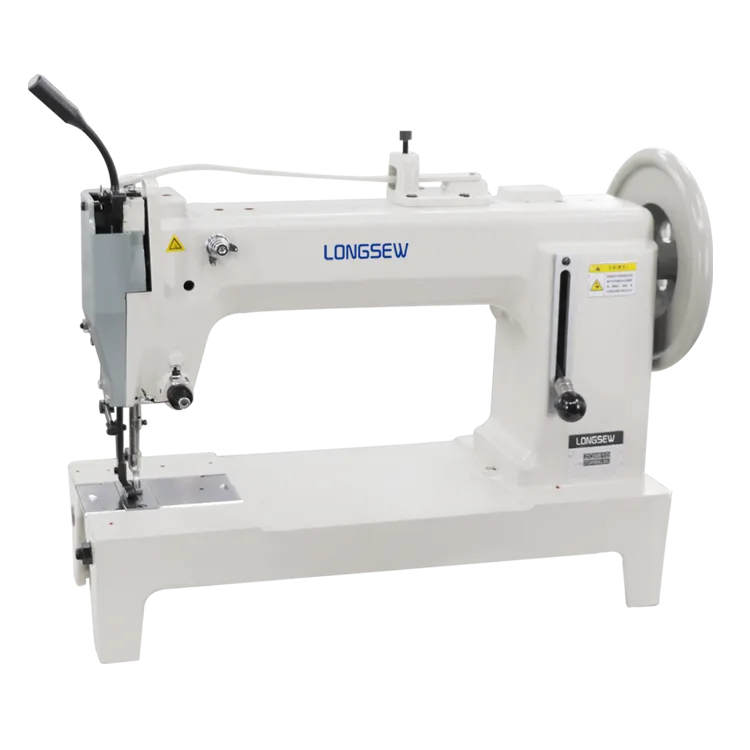
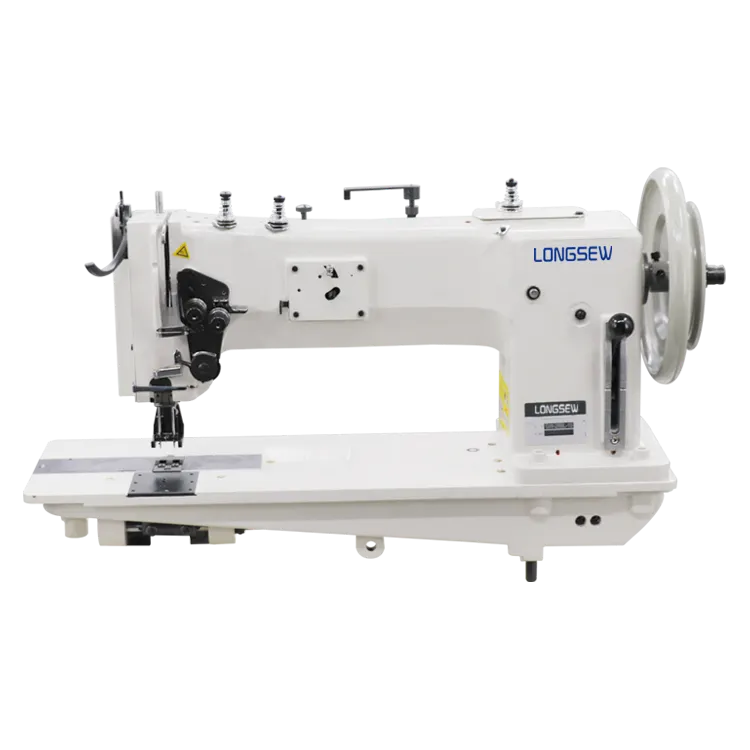
The local climate, characterized by high humidity in coastal regions and varied temperatures, requires equipment that is resistant to corrosion and wear. Operators in New Zealand are increasingly shifting toward specialized big bag sewing machine models that can handle heavy-duty polypropylene and reinforced fabrics without needle breakage.
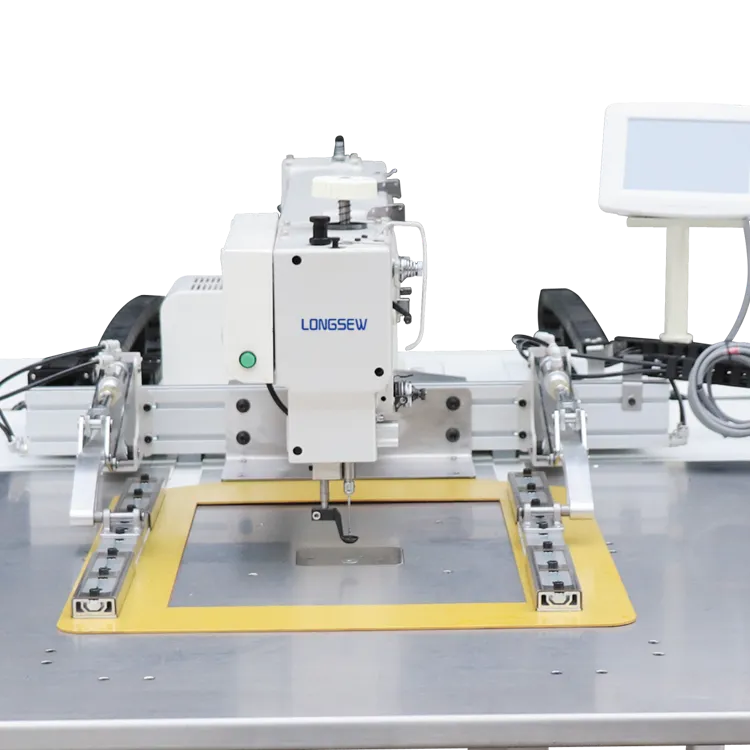
Furthermore, the strict biosecurity laws in New Zealand demand packaging that is airtight and contaminant-free. This has led to a rise in the adoption of automated jumbo bag stitching machine technology to minimize human contact and maximize the structural integrity of the seams.