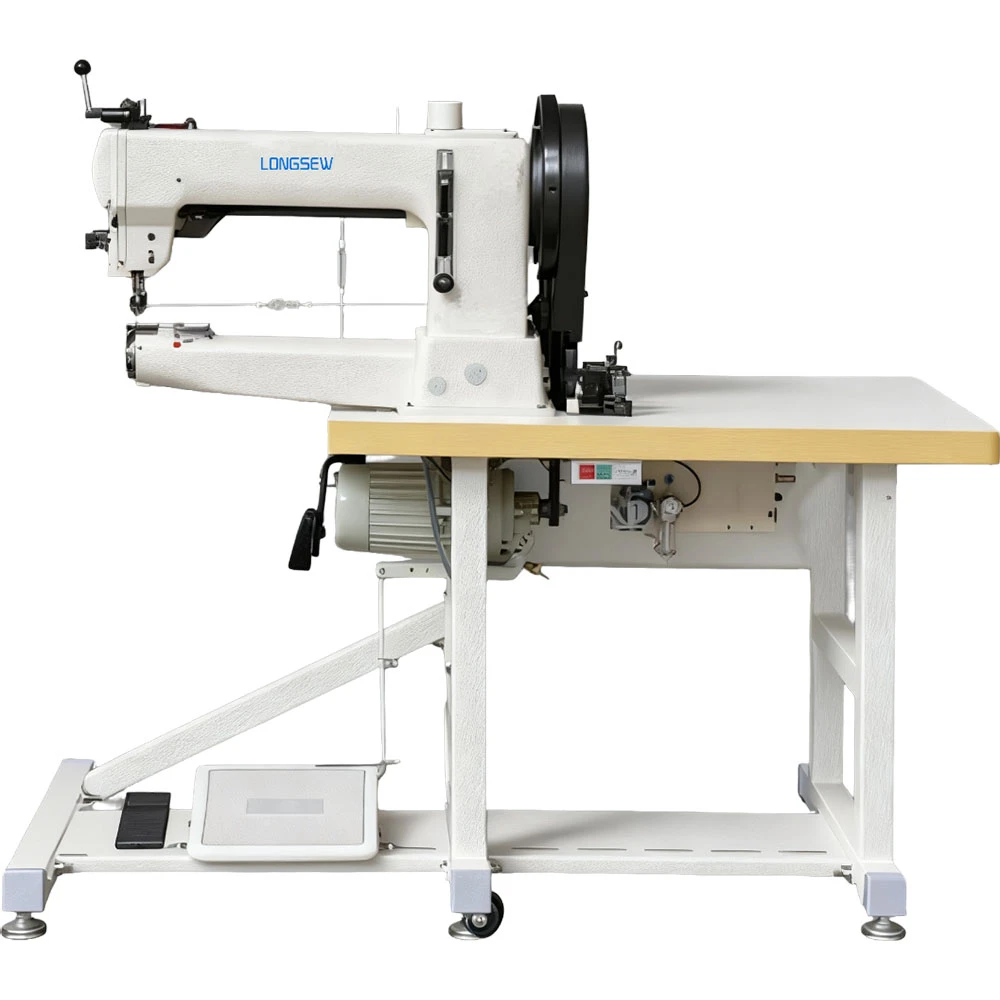
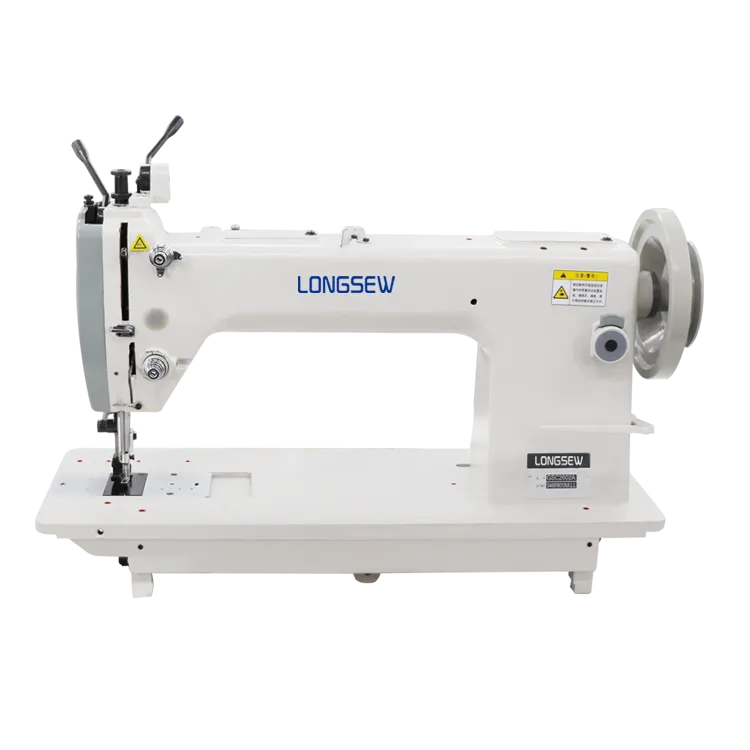
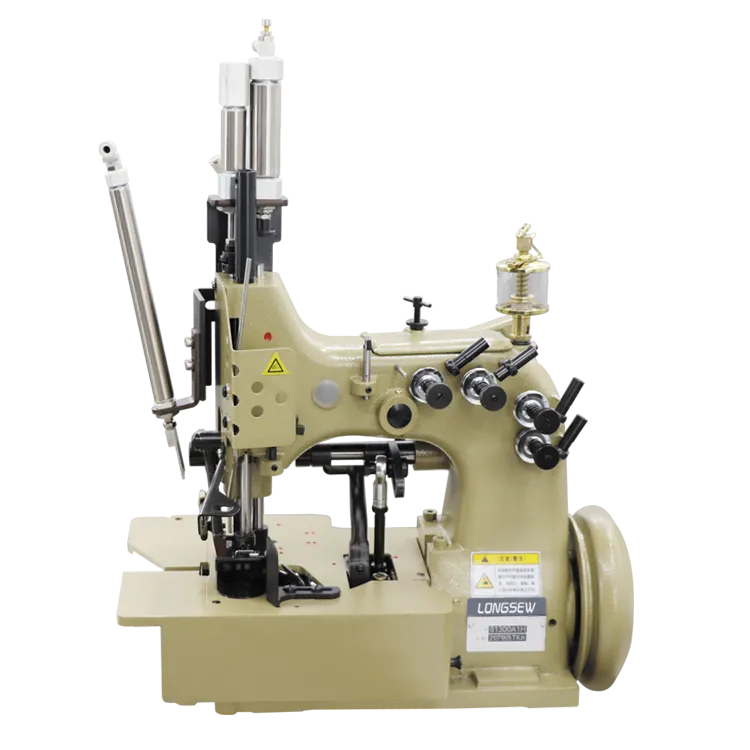
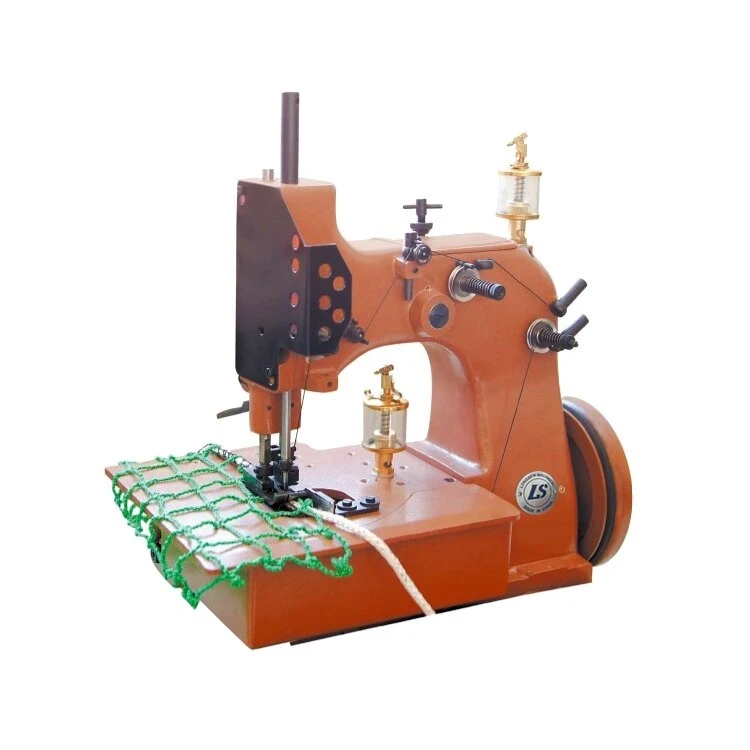
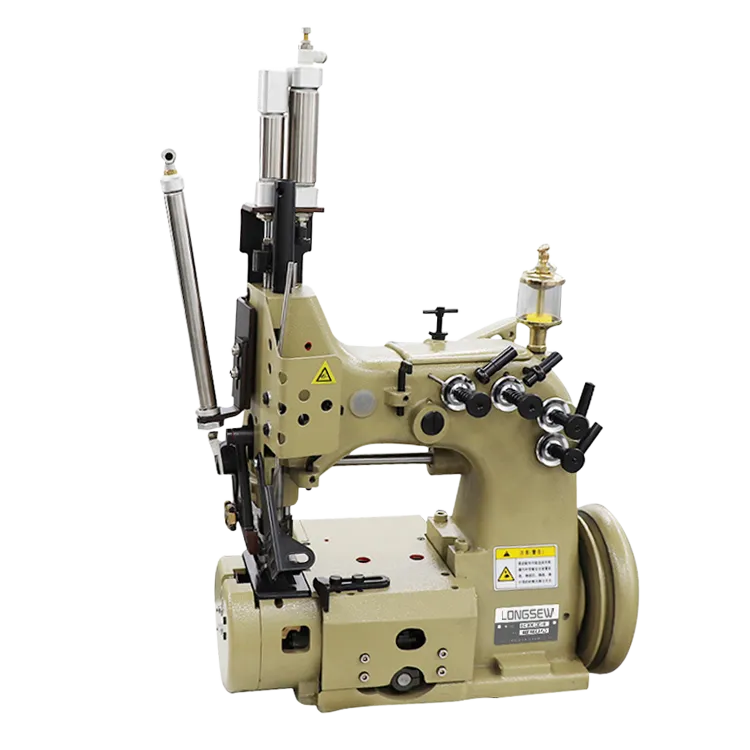
Industrial jumbo bag sewing machine Solutions for Myanmar

High-performance stitching systems engineered to elevate the textile and packaging industry across Myanmar's agricultural and industrial hubs.

Current Landscape of Bulk Bag Production in Myanmar

Analyzing the intersection of agricultural demands and industrial machinery needs in the Myanmar market.

Myanmar's textile and packaging sector is currently characterized by a surge in agricultural export requirements. The demand for high-quality big bag sewing machine equipment is growing rapidly as the country scales its rice, pulse, and mineral exports, requiring robust packaging that can withstand long-distance logistics.

Environmental factors, including high humidity and seasonal monsoon fluctuations, place significant stress on mechanical components. Local manufacturers are transitioning from basic manual tools to automated fibc sewing machine systems to ensure seam integrity and reduce waste in high-temperature operating environments.

Economically, the shift toward industrialization in regions like Yangon and Mandalay has led to a critical need for specialized machinery. The adoption of a professional jumbo bag stitching machine is no longer a luxury but a necessity for factories aiming to meet international ISO standards for bulk container strength.
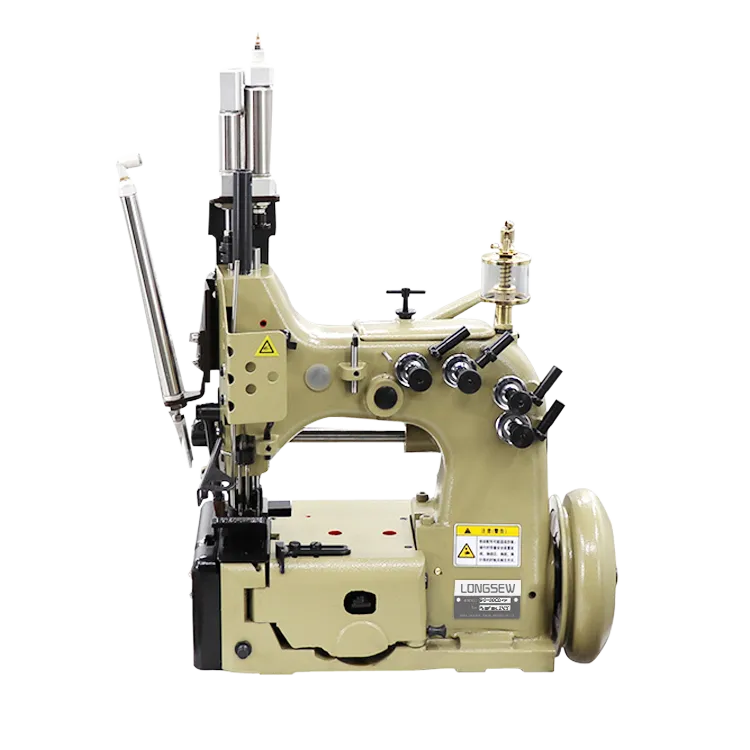
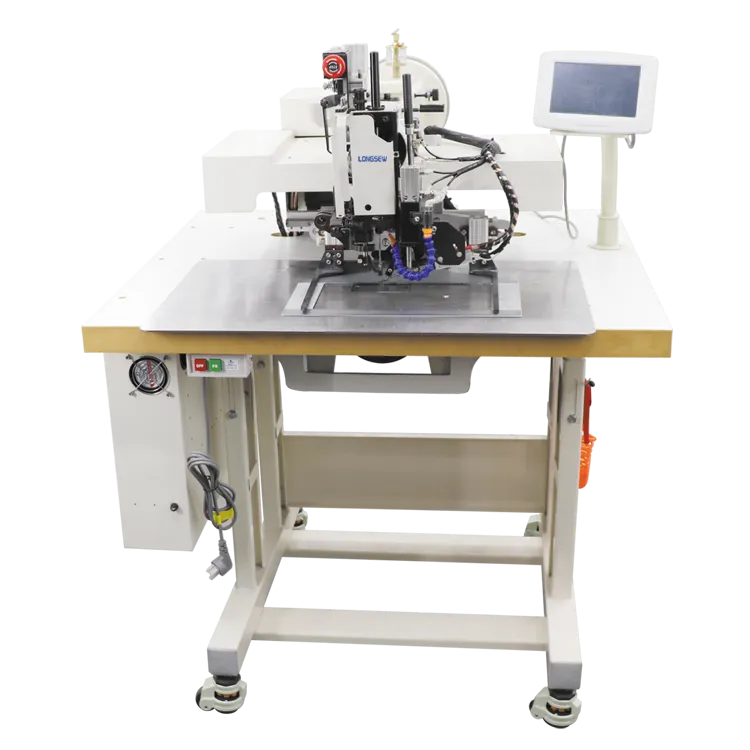
Evolution and Trajectory of Bag Making Technology

From traditional hand-stitching to the era of intelligent automation in the Myanmar textile sector.

Market Development History

During the early 2000s, the Myanmar market relied heavily on manual labor and primitive sewing tools for basic sack production. Packaging was primarily focused on local distribution with minimal requirements for load-bearing capacity.

Between 2010 and 2020, the introduction of semi-automatic 50 kg jute bag making machine technology revolutionized the agricultural sector, allowing for standardized packaging of grains and legumes for the first time.

From 2021 onwards, the industry has shifted toward heavy-duty FIBC (Flexible Intermediate Bulk Containers). This transition necessitated the import of high-torque, precision stitching machines capable of handling multi-layer polypropylene fabrics.

Future Development Trends

Integration of Smart Sensors

We predict a shift toward machines with automatic thread tensioning and break-detection sensors to minimize downtime in large-scale Myanmar factories.

Energy-Efficient Servo Motors

Given the power stability challenges in certain regions of Myanmar, the adoption of energy-saving servo motors in sewing equipment will become the primary upgrade path.

Eco-Friendly Material Compatibility

With global pressure for sustainability, machinery will evolve to handle biodegradable and recycled polymers without compromising stitching speed or strength.

Industry Trends and Future Outlook

Strategic forecasting for the bulk packaging machinery market in Southeast Asia.

Automated Seam Optimization
Implementation of PLC-controlled stitching patterns to ensure zero-failure seams in heavy-duty containers.
Modular Component Design
Standardized parts to facilitate rapid maintenance and reduce downtime in remote Myanmar industrial zones.
High-Speed Output Scaling
Increased RPM capabilities to meet the rising demand of the global export market from Myanmar ports.
Multi-Material Adaptation
Machines capable of switching between jute, PP, and PE fabrics with minimal setup time.

Industry Outlook

The trajectory for the Myanmar textile machinery market is strongly aligned with the global "China Plus One" strategy. As more packaging production shifts to Southeast Asia, the demand for high-end industrial sewing solutions is expected to grow by 15% annually over the next 3-5 years.

Google search trends indicate a rising interest in "automated packaging solutions" and "heavy-duty industrial stitching" within the region, suggesting that Myanmar's manufacturers are moving away from labor-intensive methods toward capital-intensive, high-efficiency technology.

Localized Application Scenarios in Myanmar

Practical implementations of heavy-duty sewing technology across various Myanmar sectors.

01. Rice and Grain Export Packaging

Utilizing a 50 kg jute bag making machine to secure high-volume rice exports from the Ayeyarwady Delta, ensuring seams can withstand moisture and stacking pressure.

02. Mining and Mineral Transport

Deploying a jumbo bag stitching machine for heavy minerals and ores in the northern highlands, providing reinforced stitching for loads up to 2,000kg.

03. Fertilizer Production Plants

Integrating an industrial fibc sewing machine in chemical plants to create leak-proof, high-strength containers for agricultural fertilizers.

04. Feed Mill Logistics

Implementing a big bag sewing machine for animal feed production in Yangon, optimizing the speed of closing large-scale bulk bags for regional distribution.

05. Construction Material Sacks

Applying a jumbo bag sewing machine for the production of sand and gravel bags used in urban infrastructure projects across Myanmar's growing cities.

Brand Story

Global Development Journey of Hebei Longsew Machinery Technology Co., Ltd.

Foundational Engineering

Established with a mission to solve the core pain points of textile machinery, specializing in high-strength stitching for heavy-duty industrial fabrics.

Technological Breakthrough

Developed proprietary tension-control systems that eliminated seam failure in large-scale bulk containers, setting a new industry standard.

Global Market Expansion

Successfully exported precision sewing solutions to over 50 countries, adapting machinery to meet the diverse climatic and electrical needs of Southeast Asia.

Innovation in Automation

Introduced PLC-integrated sewing systems that reduce labor costs by 40% while increasing production consistency for FIBC manufacturers.

Commitment to Quality

Continuing to pioneer sustainable sewing technology, ensuring that the global packaging industry evolves toward efficiency and durability.

Frequently Asked Questions in Myanmar

Expert answers to common technical queries regarding bulk bag sewing equipment.

Which fibc sewing machine is best for high-humidity regions like Myanmar?

We recommend machines with anti-corrosion coatings and reinforced lubrication systems to prevent rust and maintain smooth operation during the monsoon season.

How do I maintain a jumbo bag sewing machine to ensure long-term durability?

Regular lubrication of the needle bar and cleaning of the feed dog area are essential. We provide detailed maintenance schedules tailored for industrial use in Myanmar.

Can a 50 kg jute bag making machine handle synthetic fabrics?

Yes, our versatile machines allow for adjustable tension and needle types, making them compatible with both traditional jute and modern polypropylene (PP) fabrics.

What is the advantage of a specialized big bag sewing machine over standard industrial ones?

Specialized machines feature higher torque motors and heavy-duty hooks designed specifically to penetrate multiple layers of thick industrial fabric without skipping stitches.

How can a jumbo bag stitching machine improve export quality?

By providing consistent stitch length and high tensile strength, these machines ensure bags meet international safety standards, reducing the risk of rupture during shipment.

Do you provide technical support for machinery installed in Myanmar?

Yes, we provide comprehensive remote technical guidance and a full supply of genuine spare parts to ensure your production line never stops.

Ready to Upgrade Your Production?

Our experts are ready to provide customized industrial sewing solutions for your business in Myanmar.

Contact Us Now

If you are interested in our products, you can choose to leave your information here, and we will be in touch with you shortly.