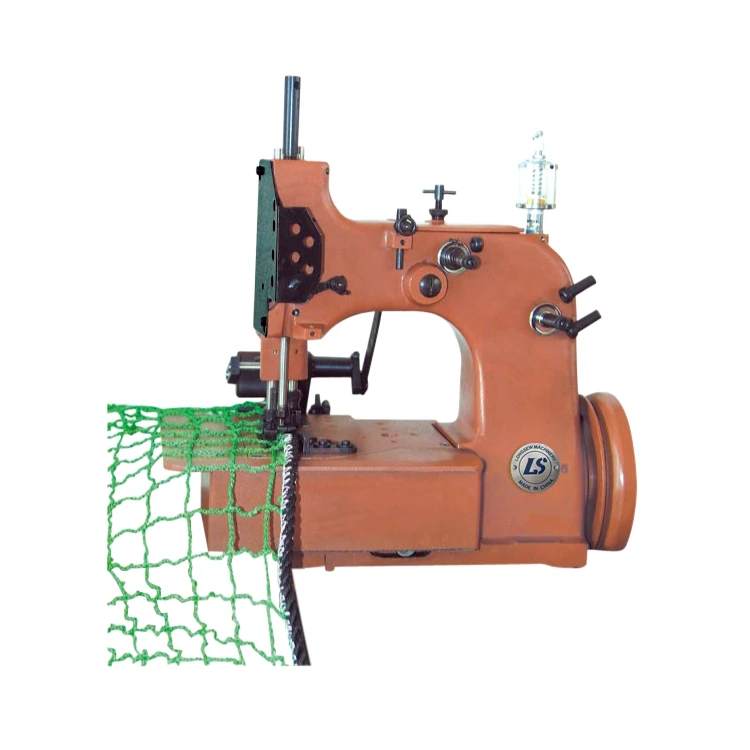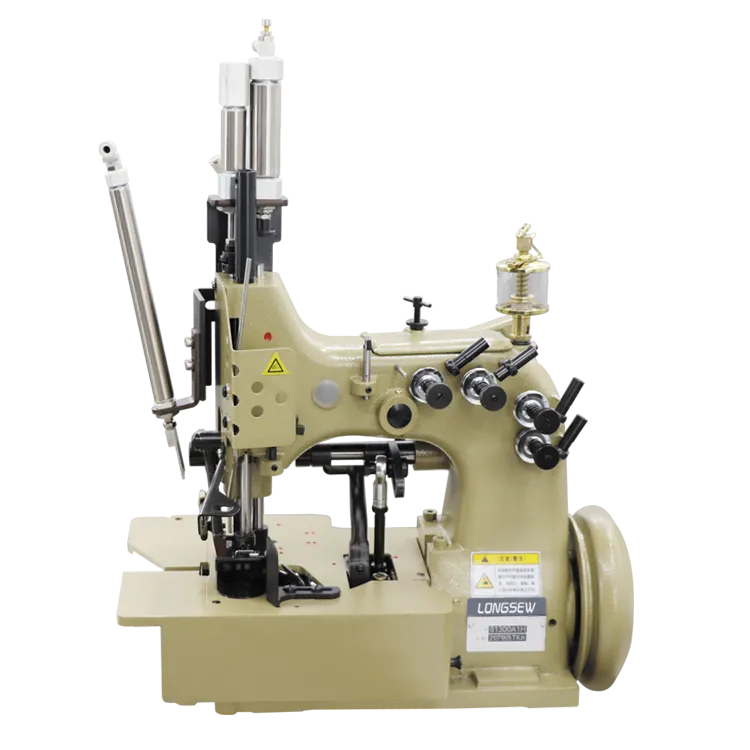
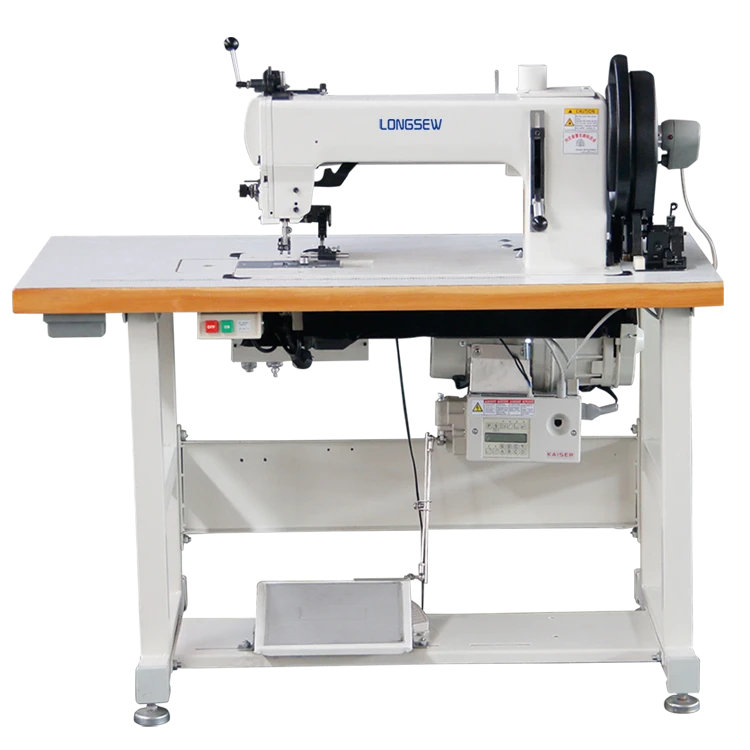
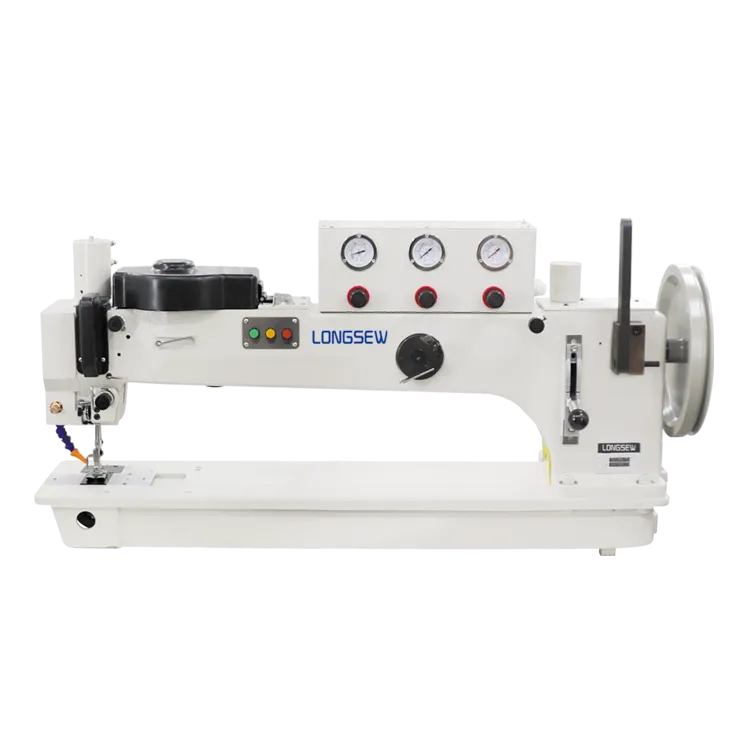
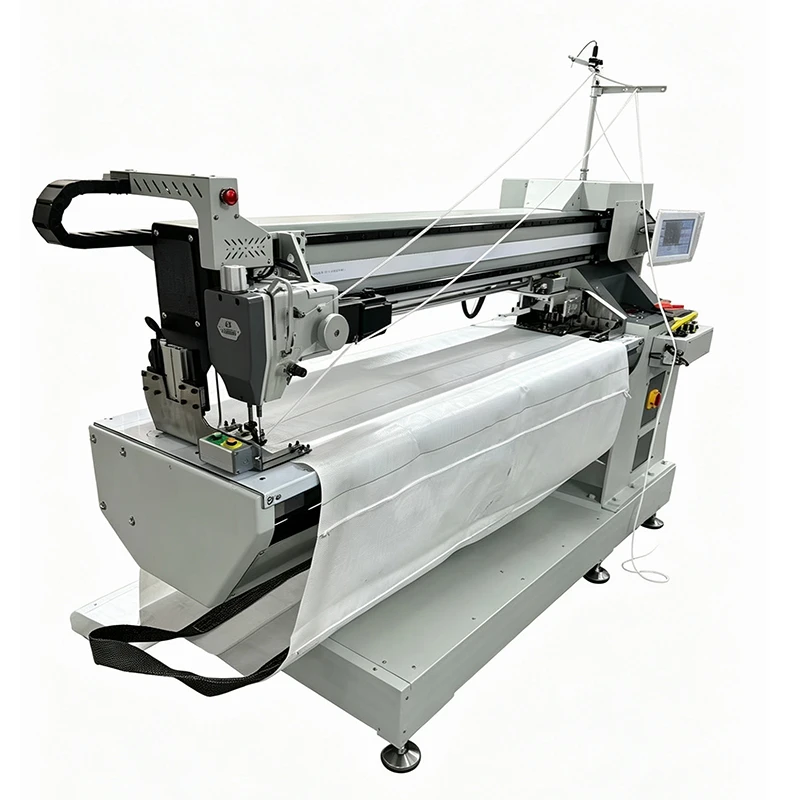
Industrial jumbo bag sewing machine Solutions for Japan

Precision engineering and high-durability stitching systems designed to meet the rigorous quality standards of the Japanese textile and packaging industry.

The State of Heavy-Duty Packaging Machinery in Japan

Analyzing the operational landscape of FIBC and jute bag production in the Japanese market.

Japan's manufacturing sector is characterized by an uncompromising demand for precision and longevity. In the realm of industrial packaging, the use of a high-performance fibc sewing machine is critical for companies exporting chemicals, minerals, and food grains, where bag failure is not an option due to strict safety regulations.

The Japanese market currently faces a transition toward automation to combat a shrinking labor force. This has increased the demand for a big bag sewing machine that integrates easily into semi-automated lines, reducing manual handling while maintaining the "Monozukuri" spirit of craftsmanship.

Furthermore, the resurgence of eco-friendly materials has led to a renewed interest in natural fibers. Consequently, the deployment of a specialized 50 kg jute bag making machine has become essential for agricultural packaging sectors seeking sustainable alternatives to synthetic plastics.
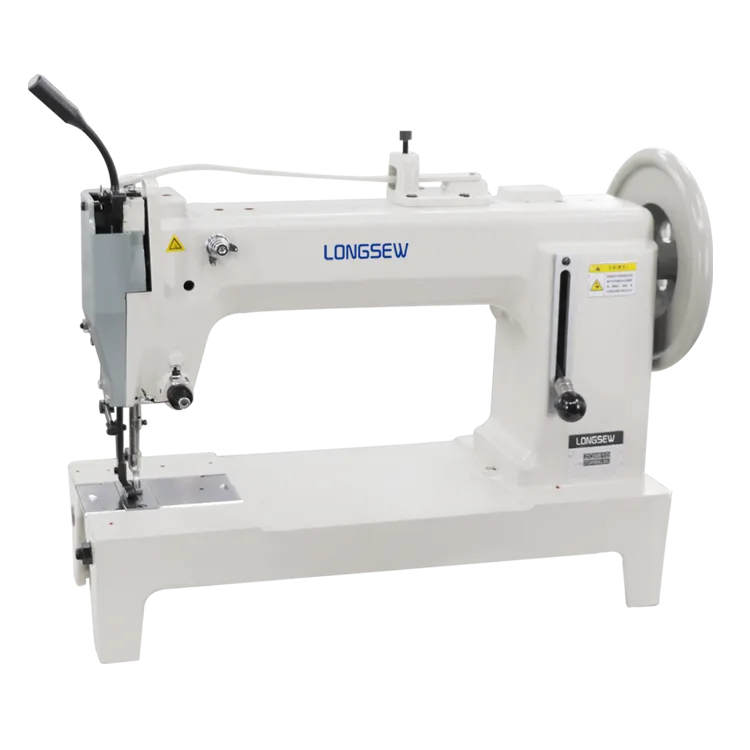
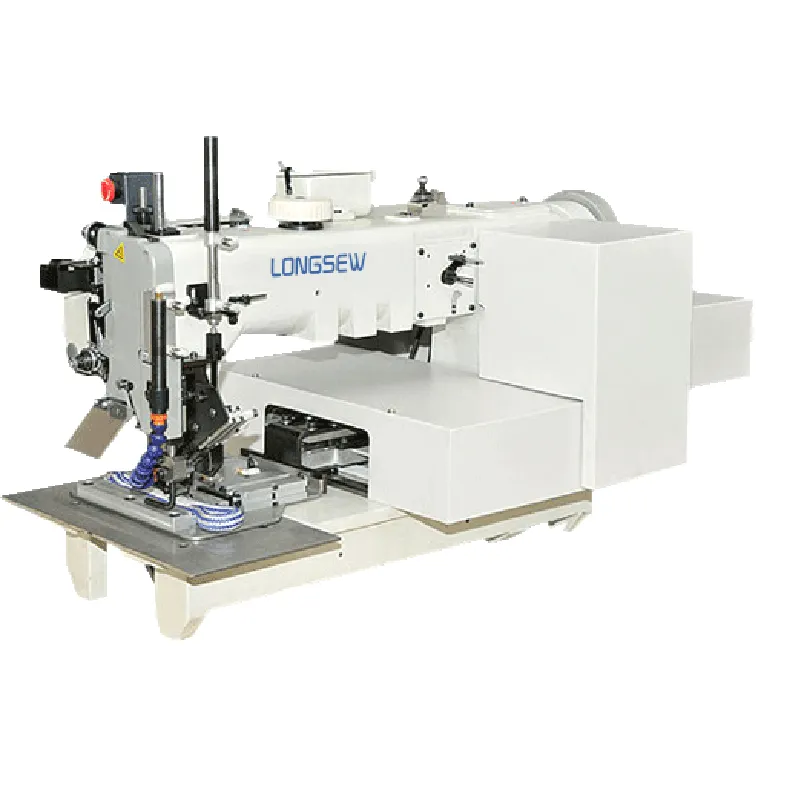
Evolution and Technical Trajectory of Bag Closing Systems

From manual hand-stitching to intelligent, automated sealing systems.

Market Development History

During the late 20th century, the Japanese market relied heavily on mechanical hand-held machines for basic closure. These early systems provided the foundation but lacked the consistency required for the massive scale of the jumbo bag stitching machine applications seen in the 1990s chemical boom.

By the 2010s, the industry shifted toward electronic control. The integration of servo motors allowed for adjustable stitch lengths and tension control, which were vital for the diverse thicknesses of FIBC fabrics, moving away from the rigid settings of legacy equipment.

Today, the focus has pivoted toward "Smart Manufacturing." Current iterations emphasize low-noise operation, energy efficiency, and IoT connectivity, ensuring that every seam is tracked for quality assurance in high-stakes logistics.

Future Development Trends

AI-Driven Tension Optimization

The next 3-5 years will see machines that automatically adjust thread tension based on real-time fabric thickness sensors, minimizing human error in heavy-duty stitching.

Sustainability-Focused Engineering

As Japan pushes toward a circular economy, equipment will be optimized for biodegradable threads and recycled polymers without sacrificing seam strength.

Modular Automation Integration

We anticipate a rise in modular "plug-and-play" stitching heads that can be integrated into existing robotic arms for fully autonomous jumbo bag production.

Industry Trends and Future Outlook

Strategic directions for the textile machinery sector in Asia-Japan.

Precision Automation
Transitioning from manual operation to PLC-controlled synchronization for flawless seam consistency.
Green Manufacturing
Reducing energy consumption per stitch and optimizing for biodegradable material compatibility.
IoT Integration
Implementing real-time monitoring for needle wear and thread breakage to eliminate downtime.
Custom Modularization
Adaptive machine heads that can switch between different bag types and weights rapidly.

Industry Outlook

Based on search trend logic, there is a significant rise in queries regarding "high-strength automated sewing" in the Asia-Pacific region. For Japan, this indicates a move toward consolidated production hubs that require high-capacity equipment to handle massive throughput with minimal staffing.

The intersection of digital twins and machinery will allow Japanese factories to simulate the sewing process for new FIBC designs before physical production, reducing material waste and optimizing the lifespan of the equipment.

Local Application Scenarios in Japan

Real-world implementation of heavy-duty sewing technology across Japanese industries.

01. Chemical Plant Bulk Packaging

Utilizing a high-precision jumbo bag sewing machine to seal hazardous chemical containers in Osaka, ensuring leak-proof seams that meet ISO safety standards.

02. Agricultural Grain Export

Implementing the 50 kg jute bag making machine for traditional rice and seed packaging in Niigata, blending traditional materials with modern speed.

03. Construction Debris Management

Deploying a rugged big bag sewing machine for the production of reinforced rubble bags used in Tokyo's urban redevelopment projects.

04. Pharmaceutical Raw Material Logistics

Using a sterilized-grade fibc sewing machine for clean-room packaging of pharmaceutical powders, ensuring zero contamination during the sealing process.

05. Industrial Waste Recycling

Applying a heavy-duty jumbo bag stitching machine to create reusable oversized bags for industrial plastic scrap collection and transport.

Brand Story

Global Development Journey of Hebei Longsew Machinery Technology Co., Ltd.

Foundational Engineering

Established with a focus on solving the most difficult stitching challenges in the heavy-duty textile industry.

Technological Breakthrough

Developed proprietary needle-cooling and tension-stabilization systems to handle extreme fabric densities.

Global Market Entry

Expanded into the Asian market, adapting machinery to meet the rigorous precision standards of Japanese clients.

Innovation Leadership

Pioneered the integration of servo-driven controls in large-scale bag closing machinery.

Future Vision

Committed to leading the transition toward sustainable, automated, and intelligent sewing solutions worldwide.

Frequently Asked Questions for Japan Operators

Expert answers to technical queries regarding industrial bag sewing machinery.

How do I choose the right fibc sewing machine for high-GSM fabrics?

For high-GSM (grams per square meter) fabrics, you should select a machine with a high-torque motor and reinforced needle bars to prevent bending and ensure consistent penetration through thick layers.

What is the maintenance cycle for a jumbo bag sewing machine in a 24/7 factory?

We recommend daily lubrication of moving parts and a comprehensive technical inspection every 500 operating hours to maintain the precision expected in Japanese industrial environments.

Can a big bag sewing machine handle biodegradable threads?

Yes, our machines feature adjustable tension disks that can be fine-tuned to accommodate the different friction coefficients of biodegradable and organic threads.

What is the average production speed of a 50 kg jute bag making machine?

Depending on the automation level, our machines can produce between 15 to 30 bags per minute while maintaining high-strength reinforced seams.

Does the jumbo bag stitching machine support automatic thread cutting?

Yes, our premium models include an integrated automatic trimming system that reduces waste and speeds up the cycle time per bag.

How does the equipment handle the humid climate of coastal Japanese regions?

Our machinery uses anti-corrosion coatings and high-grade stainless steel components in critical areas to ensure operational stability in high-humidity environments.

Optimize Your Production Line Today

Consult with our engineers to find the perfect stitching solution for your facility in Japan.

Contact Us Now

If you are interested in our products, you can choose to leave your information here, and we will be in touch with you shortly.