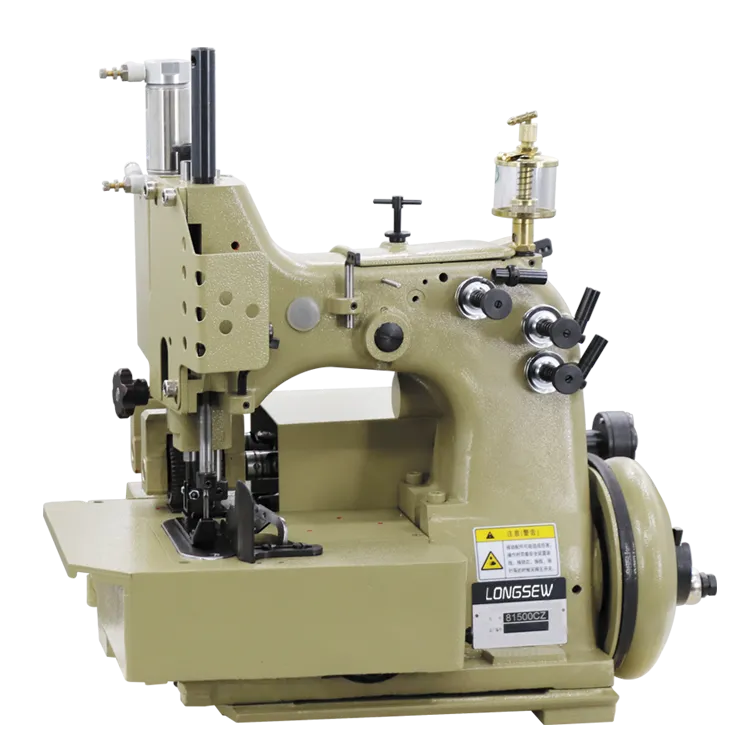
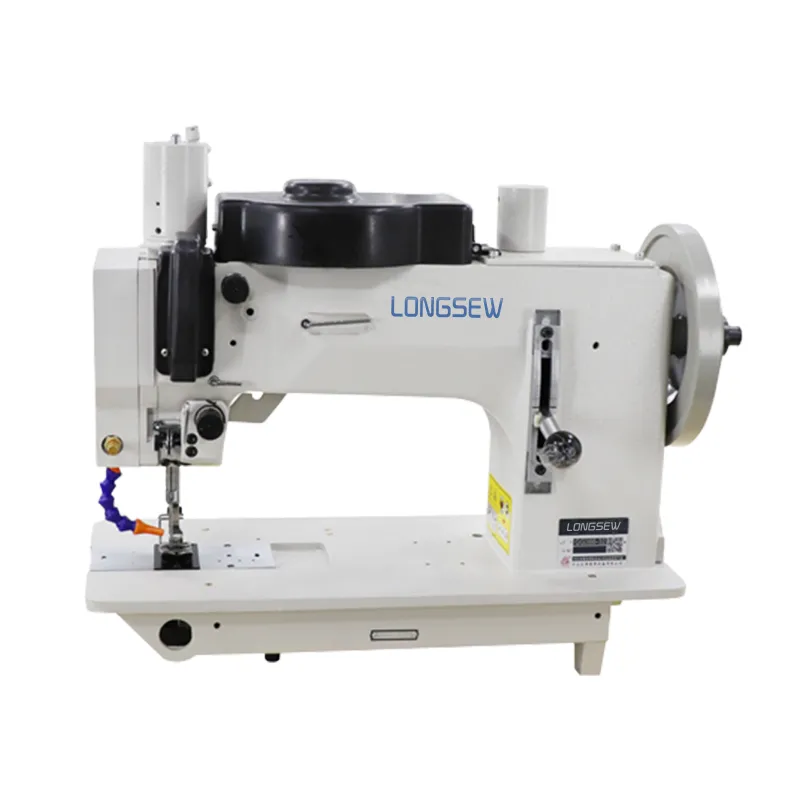
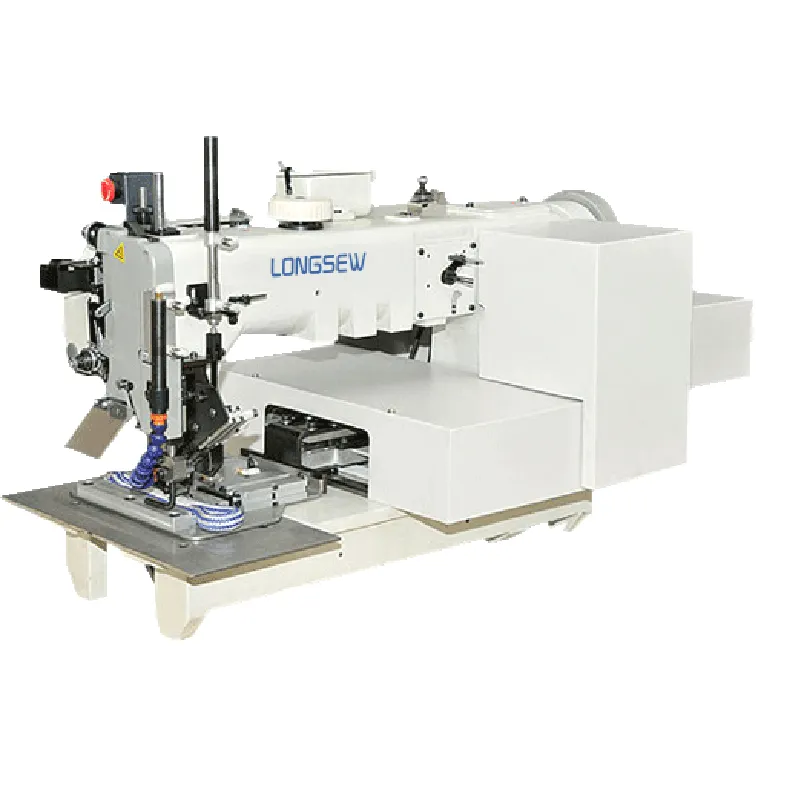
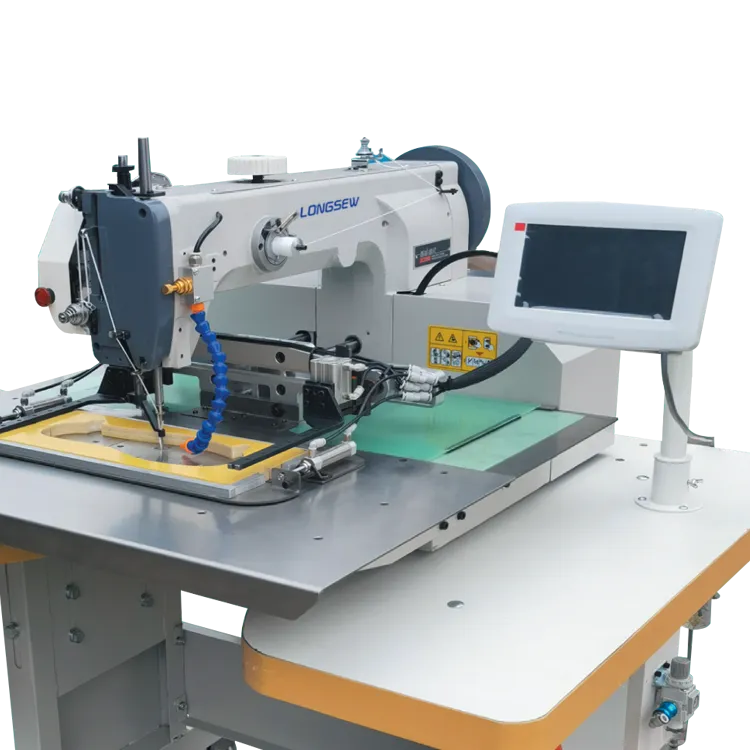
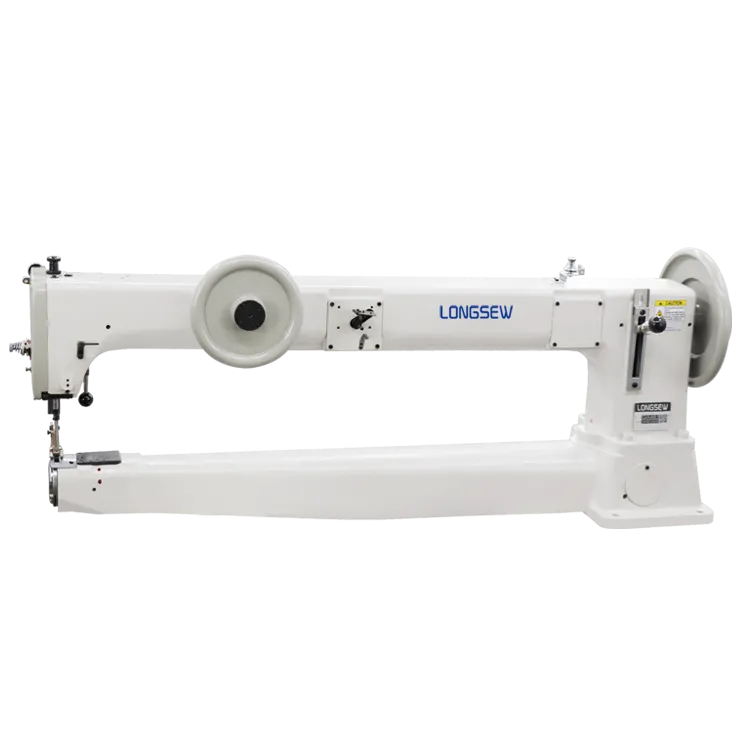
Indonesia's manufacturing landscape is currently dominated by the export of palm oil, minerals, and agricultural products, all of which rely heavily on the fibc sewing machine to produce high-capacity transport bags. The high humidity and tropical climate of the region necessitate machinery that is corrosion-resistant and capable of maintaining consistent tension under challenging environmental conditions.
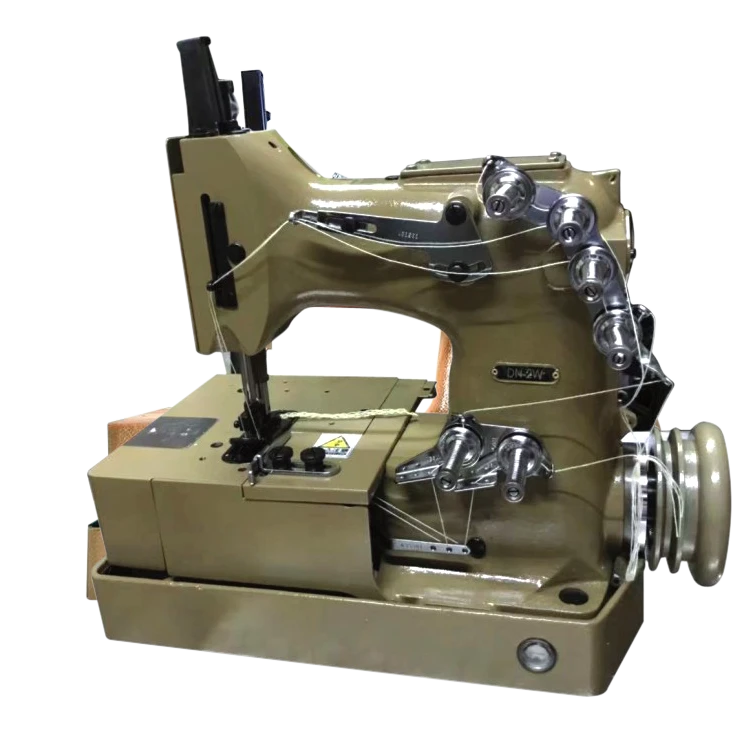
Local producers are increasingly transitioning from manual stitching to semi-automated big bag sewing machine systems to meet the stringent quality standards of European and North American export markets. This shift is driven by the need for reinforced seams that can withstand the extreme stress of 1,000kg+ payloads.
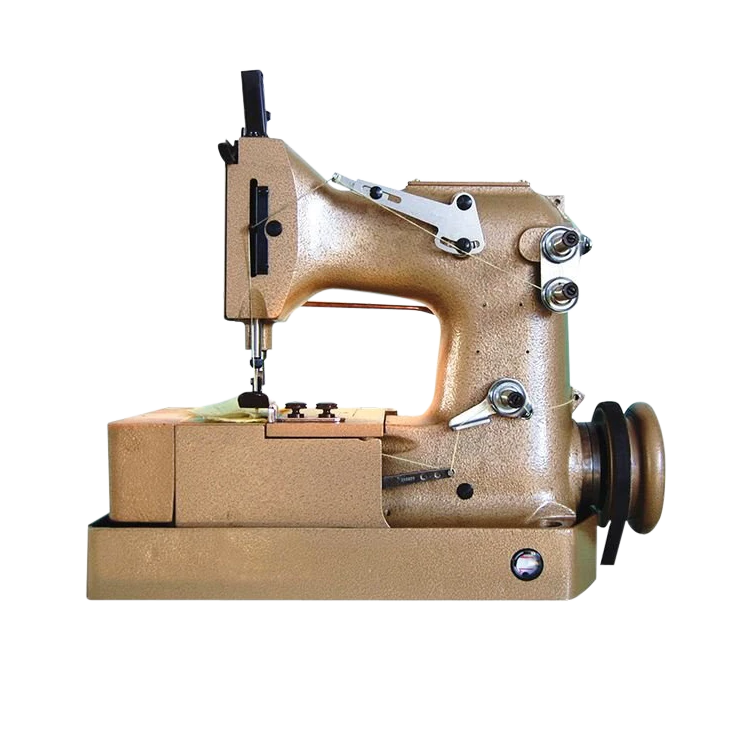
Furthermore, the diversification of the Indonesian economy has led to a surge in demand for a 50 kg jute bag making machine for the domestic rice and coffee sectors, blending traditional natural fiber packaging with modern industrial efficiency to reduce material waste.