
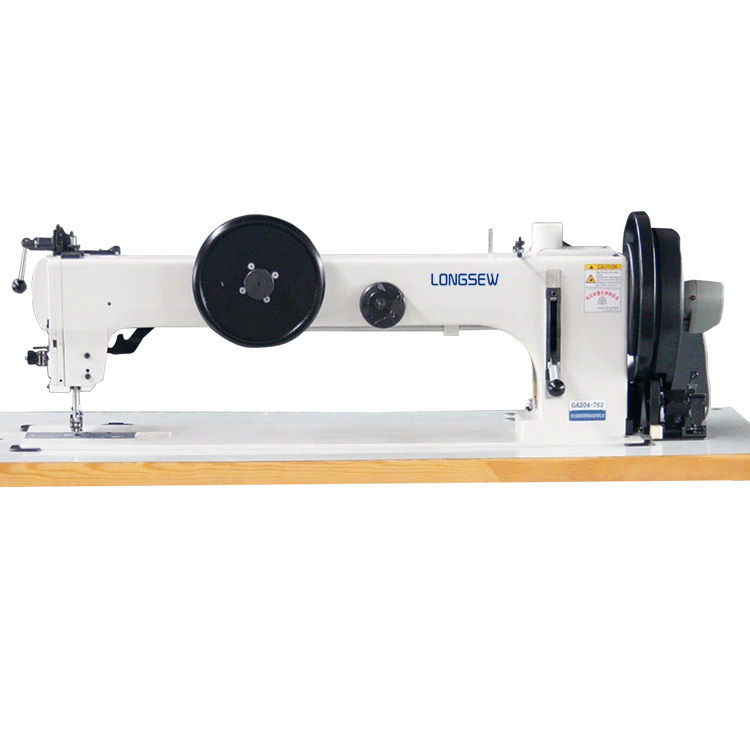
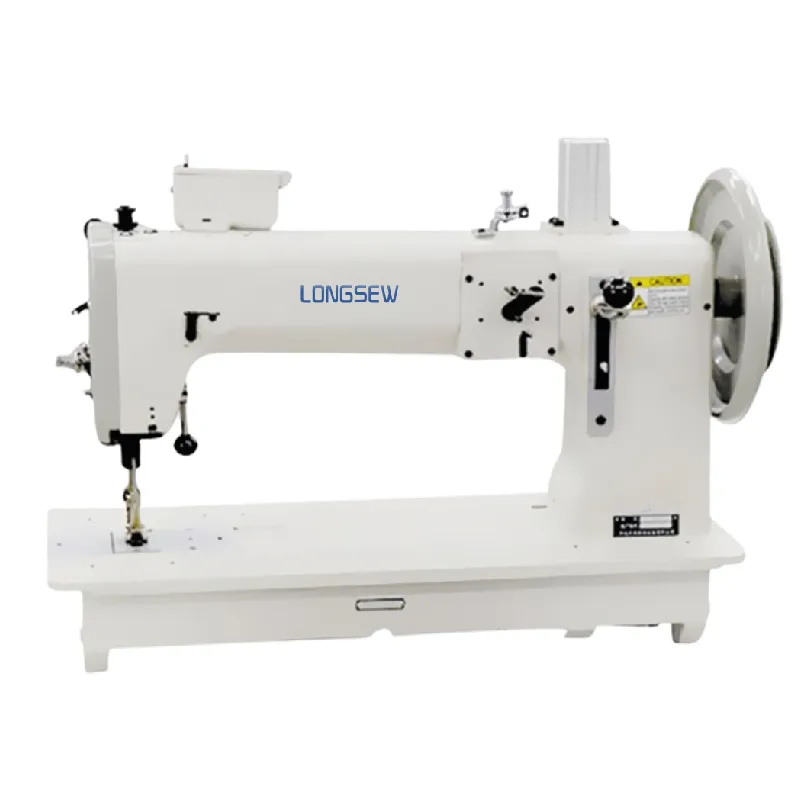
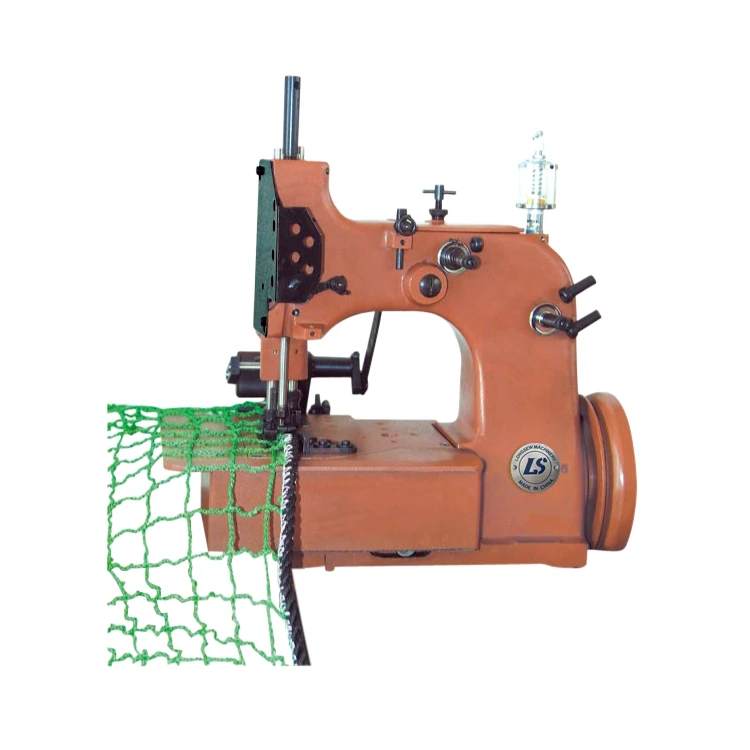
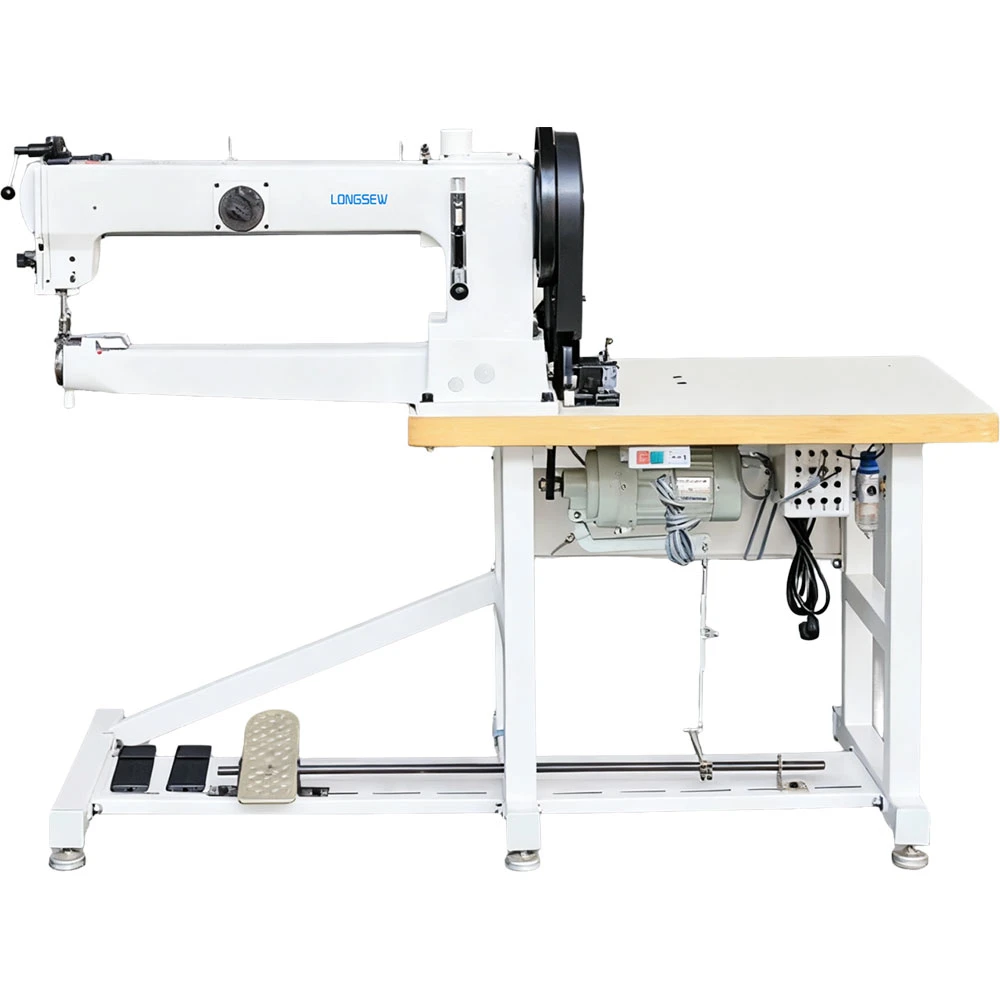
Industrial jumbo bag sewing machine Solutions for India

High-performance heavy-duty stitching technology engineered for India's booming FIBC and jute packaging sectors.

The Landscape of Industrial Bag Packaging in India

Analyzing the intersection of India's agricultural exports and industrial packaging needs.

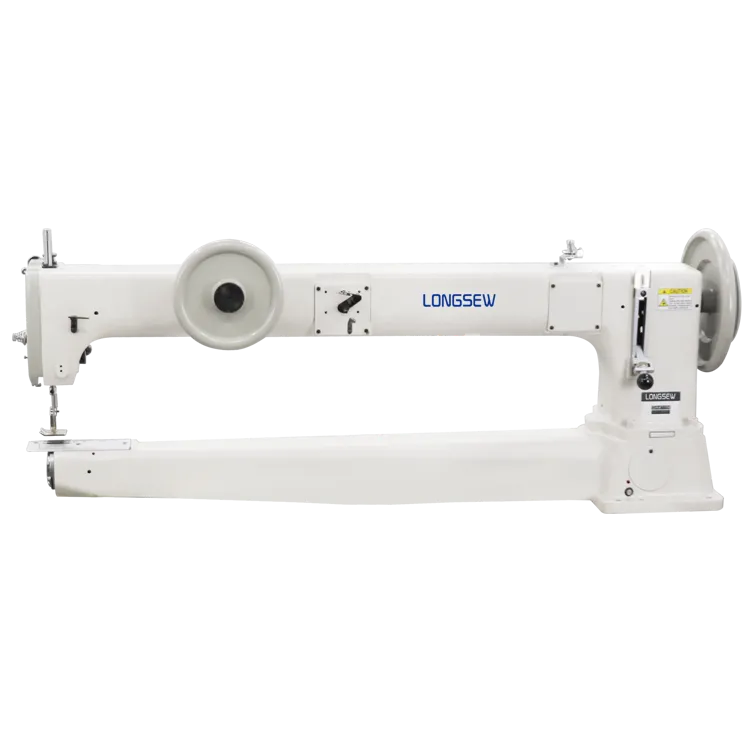
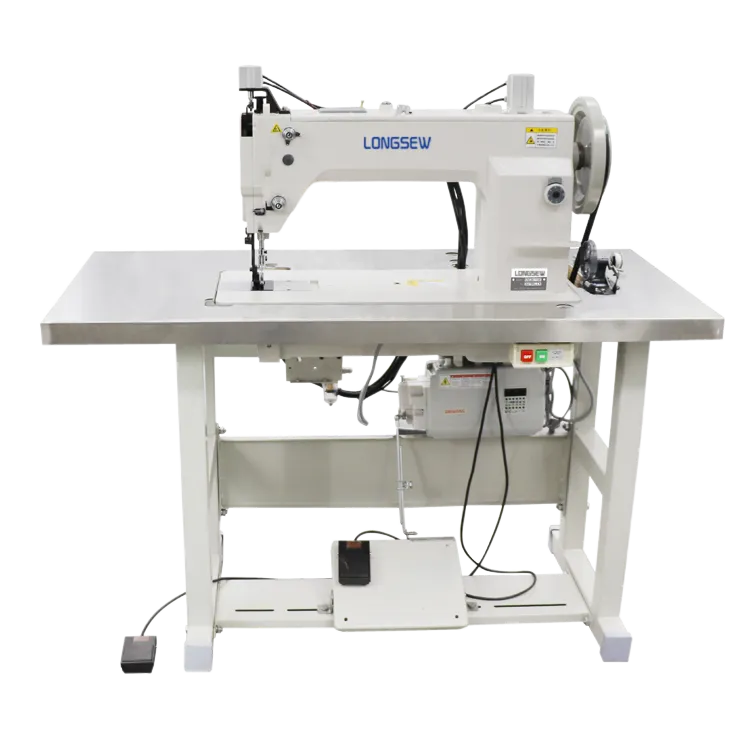
India's manufacturing sector, particularly in states like Gujarat and Maharashtra, faces unique challenges due to high humidity and dust levels. The demand for a reliable fibc sewing machine has surged as India positions itself as a global hub for chemical and polymer exports, requiring bags that can withstand extreme stress.

The economic shift toward organized logistics has forced local manufacturers to move away from manual stitching. The adoption of the big bag sewing machine is now a prerequisite for meeting international quality standards (ISO) required for European and American export markets.

Furthermore, the massive scale of the agricultural sector necessitates specialized equipment like the 50 kg jute bag making machine to handle the seasonal peaks of grain and pulse harvesting, where speed and seam strength are critical for transit safety.
Technical Evolution and Market Trajectory

From manual craftsmanship to automated precision stitching.

Market Development History

Prior to 2010, the Indian market relied heavily on traditional mechanical sewing units with limited speed and high maintenance. Stitching was primarily a labor-intensive process with inconsistent seam quality.

Between 2010 and 2020, the introduction of semi-automated jumbo bag stitching machine technology allowed factories to increase their daily output by 40%, reducing the error rate in loop attachments and bottom closing.

From 2021 onwards, the integration of servo-motor technology and reinforced frames has redefined the industry, allowing for the seamless processing of multi-layered PP and jute fabrics with minimal downtime.

Future Development Trends

AI-Driven Tension Control

Future systems will likely incorporate sensors to automatically adjust thread tension based on fabric thickness, reducing manual intervention during the sewing process.

Energy-Efficient Servo Drives

As India pushes for "Green Manufacturing," the shift toward low-energy consumption motors in industrial sewing units will become a dominant procurement criterion.

Modular Automation Integration

We expect a transition toward fully integrated lines where the cutting, folding, and stitching processes are synchronized via a central PLC system.

Industry Trends and Future Outlook

Predicting the next wave of textile machinery innovation in the South Asian corridor.

Smart Manufacturing
Integration of IoT for real-time monitoring of machine health and stitch count across large factory floors.
Sustainable Materials
Adapting machines to handle biodegradable polymers and recycled jute fibers without compromising seam strength.
Precision Stitching
Developing high-torque motors that maintain consistent RPM regardless of the material thickness.
Rapid Tooling
Quick-change needle systems and bobbin holders to reduce downtime during material switches.

Industry Outlook

The Google search trend for heavy-duty industrial sewing in India indicates a strong shift toward "automated" and "energy-saving" equipment. As the "Make in India" initiative expands, the demand for high-capacity jumbo bag sewing machine units is expected to grow by 15% annually.

We anticipate that by 2028, the market will move toward decentralized, small-scale automated cells that can be easily reconfigured for different bag sizes, moving away from rigid, single-purpose production lines.

Localized Application Scenarios in India

Practical implementation of our machinery in key Indian industrial sectors.

01. Chemical Fertilizer Packaging in Gujarat

Using high-strength fibc sewing machine units to produce moisture-proof bags for urea and potash exports, ensuring seams can handle 1000kg+ loads.

02. Grain Storage and Logistics in Punjab

Deploying the 50 kg jute bag making machine for rapid bagging of wheat and rice, optimized for the high-volume seasonal demands of the Mandi system.

03. Cement and Mineral Export in Tamil Nadu

Applying big bag sewing machine technology to create reinforced bags for cement powder, focusing on leak-proof stitching and high abrasion resistance.

04. Polymer Resin Production in Maharashtra

Utilizing the jumbo bag stitching machine for the production of high-grade PP woven bags used in the automotive and plastic component industries.

05. Specialty Food Export in Kerala

Implementing precision sewing for small-to-medium bulk bags used in spice and coffee exports, ensuring food-grade hygiene and aesthetic stitch quality.

Brand Story

Global Development History of Hebei Longsew Machinery Technology Co., Ltd.

Founding Vision

Established with a mission to solve the "seam failure" crisis in heavy-duty packaging through advanced mechanical engineering.

Technological Breakthrough

Developed the first generation of high-torque servo motors specifically for multi-layer PP fabric sewing.

Global Expansion

Expanded footprints into the Asian market, adapting machine designs to withstand extreme tropical climates and dust.

Quality Standardization

Achieved international certifications, ensuring every machine meets global safety and durability benchmarks.

Industry Leadership

Now a leading provider of specialized textile machinery, empowering thousands of factories globally with efficient stitching solutions.

Common Questions for the Indian Market

Expert answers to technical queries regarding heavy-duty sewing equipment.

How do I choose the right fibc sewing machine for high-density PP fabric?

For high-density fabrics, you need a machine with a reinforced needle bar and a high-torque motor to ensure consistent penetration without skipping stitches.

What is the typical lifespan of a jumbo bag sewing machine in dusty environments?

With regular lubrication and the use of our enclosed motor housings, our machines are designed to last over 10 years even in high-dust industrial settings.

Can a big bag sewing machine handle both jute and PP materials?

Yes, by adjusting the feed dog settings and changing the needle size, our machines can seamlessly transition between different heavy-duty textiles.

What is the production capacity of a 50 kg jute bag making machine?

Depending on the automation level, our machines can produce between 15 to 30 bags per minute, significantly increasing throughput for agricultural packaging.

How to maintain a jumbo bag stitching machine during peak harvest seasons?

We recommend daily cleaning of the bobbin area and weekly checks on belt tension to prevent downtime during critical production windows.

Are these industrial machines compatible with 3-phase power in India?

Yes, our equipment is engineered to support standard Indian industrial voltage and frequency specifications, with optional stabilizers available.

Get Your Custom Stitching Solution

Our experts are ready to help you optimize your production line in India. Let's build a more efficient future together.

Contact Us Now

If you are interested in our products, you can choose to leave your information here, and we will be in touch with you shortly.