
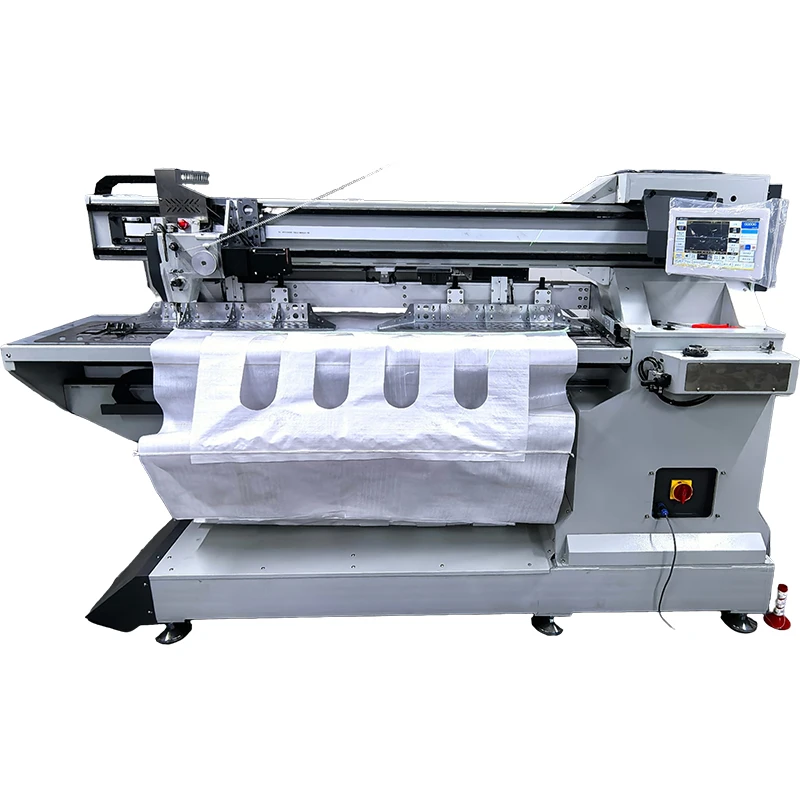
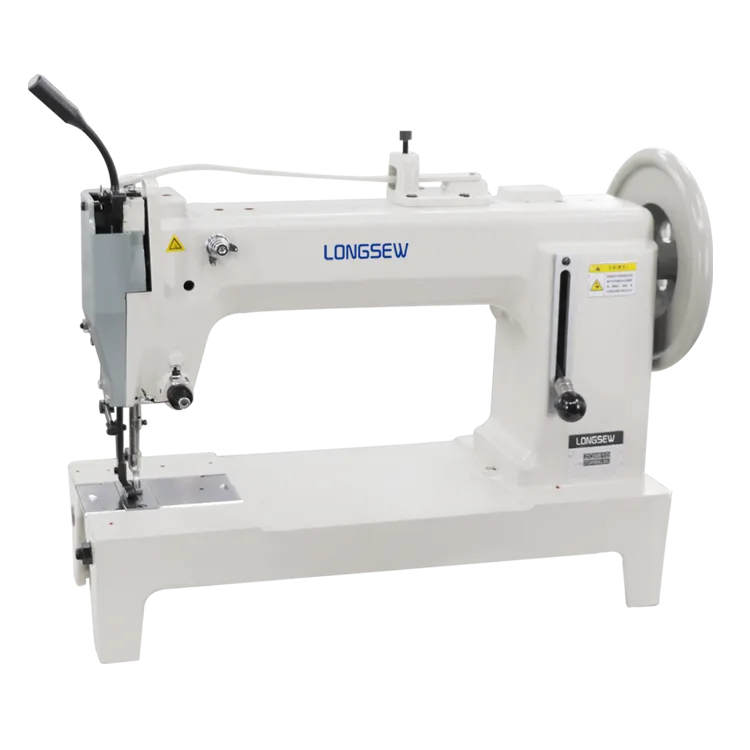
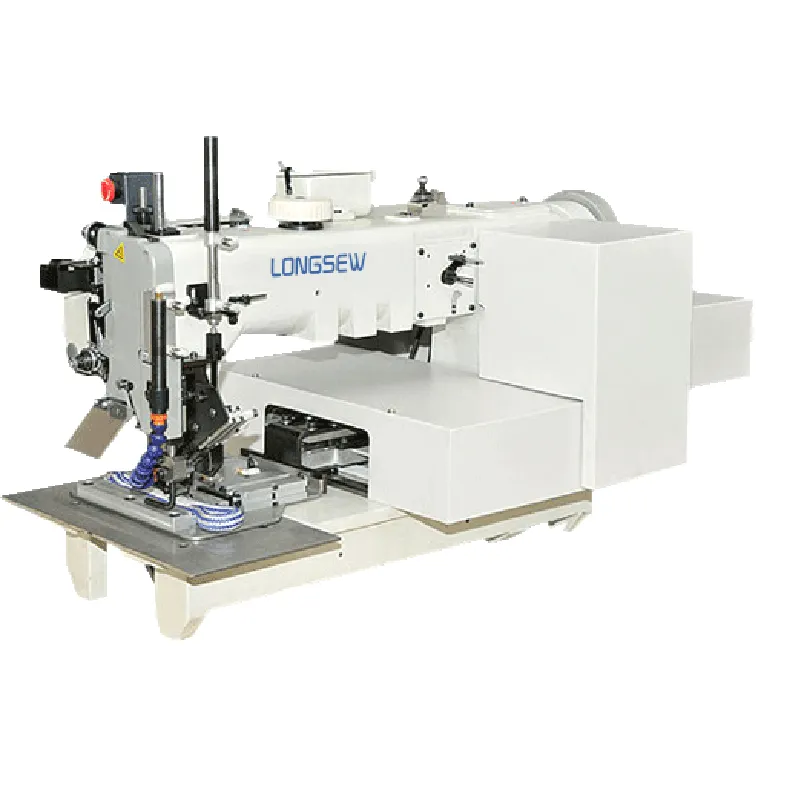
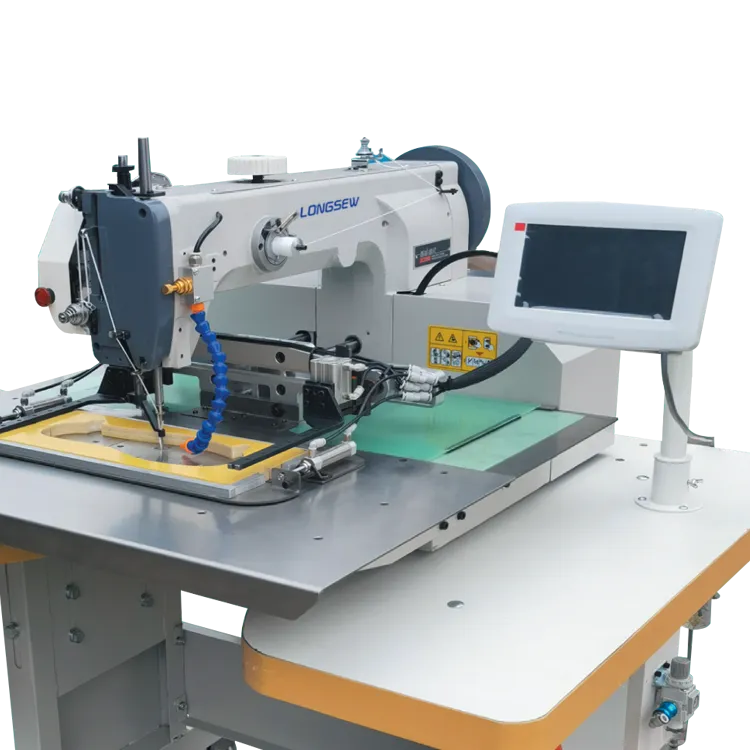
Industrial jumbo bag sewing machine Solutions for Hungary

High-performance industrial stitching technology engineered for the rigorous demands of the Hungarian agricultural and chemical packaging sectors.

The Current State of Packaging Machinery in Hungary

Analyzing the intersection of Hungary's logistics hub status and industrial sewing requirements.

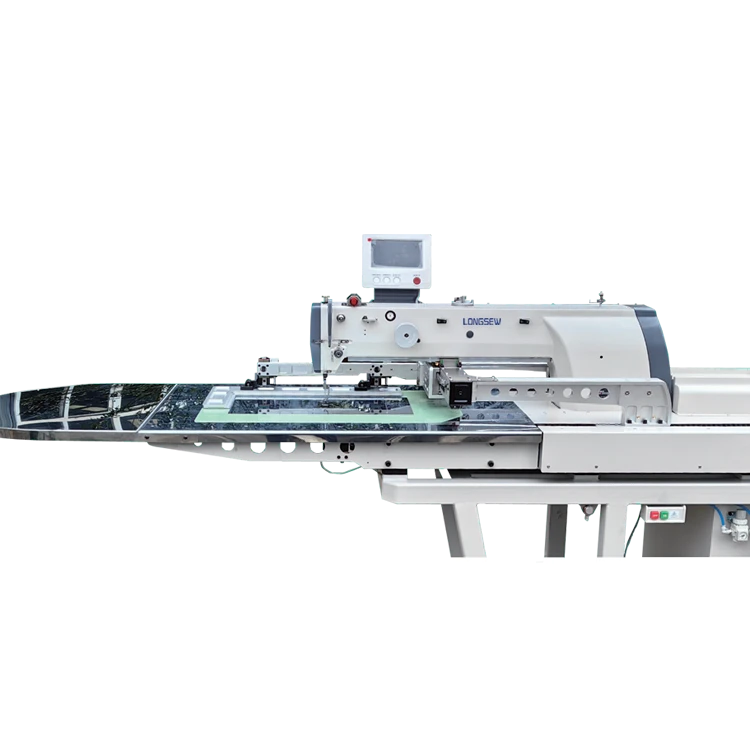
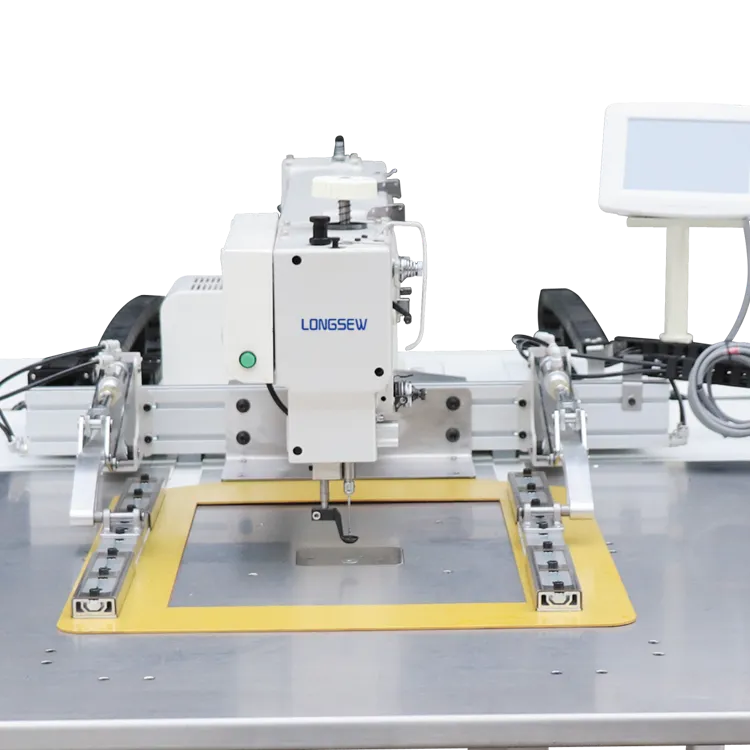
Hungary serves as a critical logistics gateway in Central Europe, where the demand for robust bulk packaging is driven by a strong agricultural base and a growing chemical industry. Local manufacturers increasingly rely on a high-quality fibc sewing machine to meet the stringent EU safety standards for load-bearing bags.

The regional market is currently transitioning from semi-automated processes to fully integrated systems. With the rise of specialized grain and seed exports in the Great Hungarian Plain, there is a surging need for an efficient big bag sewing machine that can handle diverse fabric densities while maintaining consistent stitch tension.

Economic shifts toward sustainable packaging have also led to a resurgence in natural fiber usage. This has created a specific niche for the 50 kg jute bag making machine, as local enterprises seek biodegradable alternatives to plastic for specific export markets within the European Union.
Technological Evolution and Growth Trajectory

From traditional manual stitching to the era of intelligent industrial automation.

Market Development History

In the early 2000s, the Hungarian textile machinery market was dominated by mechanical, manual-feed systems. These early iterations of the jumbo bag stitching machine focused primarily on basic durability but lacked the speed required for mass industrial production.

Between 2010 and 2020, the industry witnessed a shift toward electronic synchronization. The introduction of servo-motor controls allowed for precision stitching on multi-layered fabrics, reducing material waste and improving the safety coefficients of FIBCs used in Hungarian chemical plants.

Currently, the market has entered the "Smart Manufacturing" phase. Modern equipment now integrates automatic thread trimming and tension sensors, ensuring that high-capacity bags meet international shipping certifications without manual intervention.

Future Development Trends

IoT-Enabled Predictive Maintenance

We anticipate a surge in machines equipped with sensors that alert Hungarian operators to wear and tear before a breakdown occurs, minimizing downtime in 24/7 production cycles.

Eco-Friendly Material Adaptation

As EU regulations tighten, machinery will evolve to handle recycled polypropylene and organic hemp blends without compromising stitch integrity.

Enhanced Ergonomic Automation

The integration of collaborative robots (cobots) with sewing heads will reduce the physical strain on operators handling heavy 1000kg bag fabrics.

Industrial Trends and Future Outlook

Strategic forecasting for the textile machinery sector in Central Europe.

Automation Integration
Transitioning from standalone units to fully automated sewing lines to increase throughput in Hungarian factories.
Precision Engineering
Developing higher stitch density and reinforcement capabilities for hazardous material transport.
Energy Efficiency
Reducing power consumption via advanced inverter technology to align with EU Green Deal targets.
Material Versatility
Expanding capabilities to stitch ultra-heavy geotextiles and specialized medical-grade fabrics.

Industry Outlook

Based on Google search trends for industrial textiles in the CEE region, there is a marked increase in queries related to "automatic bulk bag closing." This indicates that Hungarian manufacturers are moving away from manual labor toward high-speed automated solutions to combat rising labor costs.

The future will be defined by the synergy between durability and agility. Companies that adopt versatile sewing systems capable of switching between different bag sizes rapidly will gain a significant competitive advantage in the Hungarian domestic market.

Localized Application Scenarios in Hungary

Real-world deployments of textile machinery across diverse Hungarian industrial sectors.

01. Agricultural Bulk Grain Packaging

In the heart of Hungary's wheat-producing regions, our equipment is used to manufacture heavy-duty sacks for seed and grain transport, ensuring zero leakage during rail transit to European ports.

02. Chemical and Fertilizer Production

Deployment of reinforced stitching systems in chemical plants near Budapest, where bags must withstand corrosive materials and extreme weights without seam failure.

03. Construction Geotextile Manufacturing

Specialized applications in the production of large-scale containment bags used for flood prevention and roadbed stabilization projects across the Danube basin.

04. Organic Feed Exporting

Utilizing high-precision machinery for eco-friendly fodder bags, catering to the growing demand for sustainable livestock feed packaging in Central Europe.

05. Industrial Waste Management

Creating high-strength containment bags for the secure transport of industrial waste and recycling materials from Hungarian manufacturing zones.

Brand Story

Global Development History of Hebei Longsew Machinery Technology Co., Ltd.

Foundational Engineering

Established with a focus on solving the fundamental problem of seam weakness in heavy-duty industrial bags, pioneering reinforced stitching technology.

Technological Breakthrough

Developed the first generation of automated tension control systems, drastically reducing the error rate in FIBC production.

Global Market Expansion

Expanded operations into the European market, tailoring machinery to meet the rigorous safety and environmental standards of the EU.

Innovation Leadership

Integrated IoT and smart sensors into the product line, transforming traditional sewing machines into data-driven production tools.

Sustainable Future

Committed to creating energy-efficient machinery that supports the global transition toward biodegradable and recycled packaging materials.

Common Questions for the Hungarian Market

Expert answers to technical and operational queries regarding industrial sewing equipment.

How to choose the right fibc sewing machine for chemical grade bags?

For chemical-grade bags, you need a machine with high-strength needle penetration and reinforced stitching patterns to prevent leaks of hazardous materials. Ensure the machine supports specialized heavy-duty threads.

What is the average production capacity of a jumbo bag sewing machine?

Capacity varies by automation level; however, our industrial models are designed for continuous high-volume output, significantly reducing the time per bag compared to manual alternatives.

Can a big bag sewing machine handle recycled PP fabrics?

Yes, our machines feature adjustable tension and feed systems that can adapt to the slightly irregular thickness and texture of recycled polypropylene fabrics.

Is the 50 kg jute bag making machine suitable for organic seed packaging?

Absolutely. The machine is optimized for natural fibers, providing a secure close that maintains the breathability required for organic seeds while ensuring structural integrity.

What maintenance is required for a jumbo bag stitching machine in dusty environments?

In dusty Hungarian agricultural plants, we recommend daily compressed air cleaning of the feed dogs and weekly lubrication of the main shaft to prevent abrasive wear.

Do these machines comply with EU safety directives for industrial use?

Yes, all our equipment is engineered to meet international safety standards, including emergency stop systems and operator guards, making them fully compliant for use in Hungary.

Optimize Your Production Line Today

Contact our technical experts to find the perfect stitching solution for your facility in Hungary.

Contact Us Now

If you are interested in our products, you can choose to leave your information here, and we will be in touch with you shortly.
