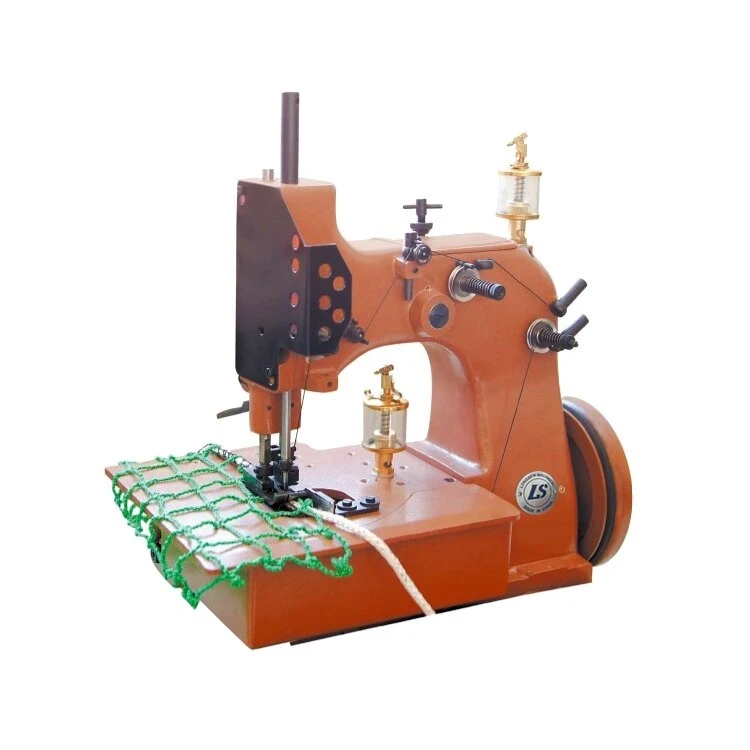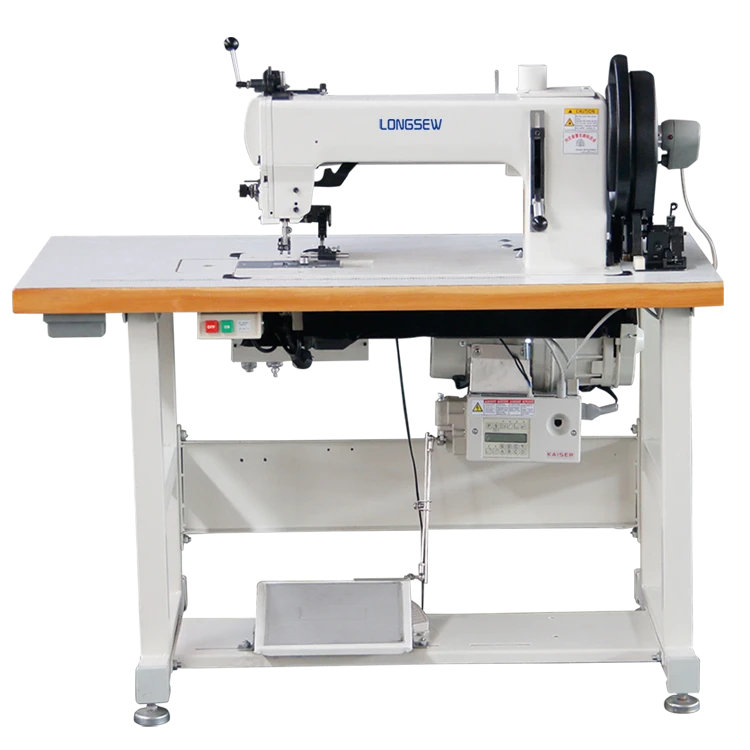
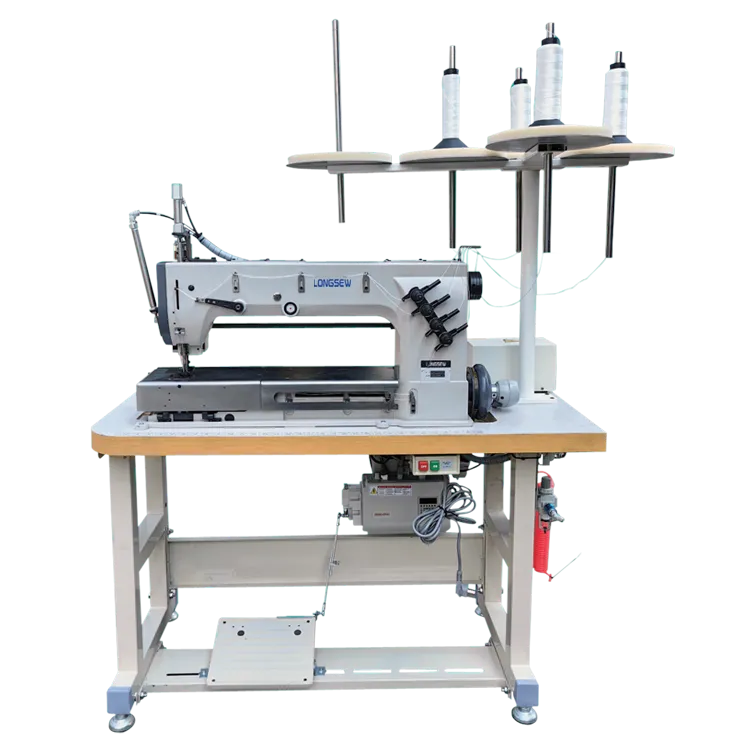
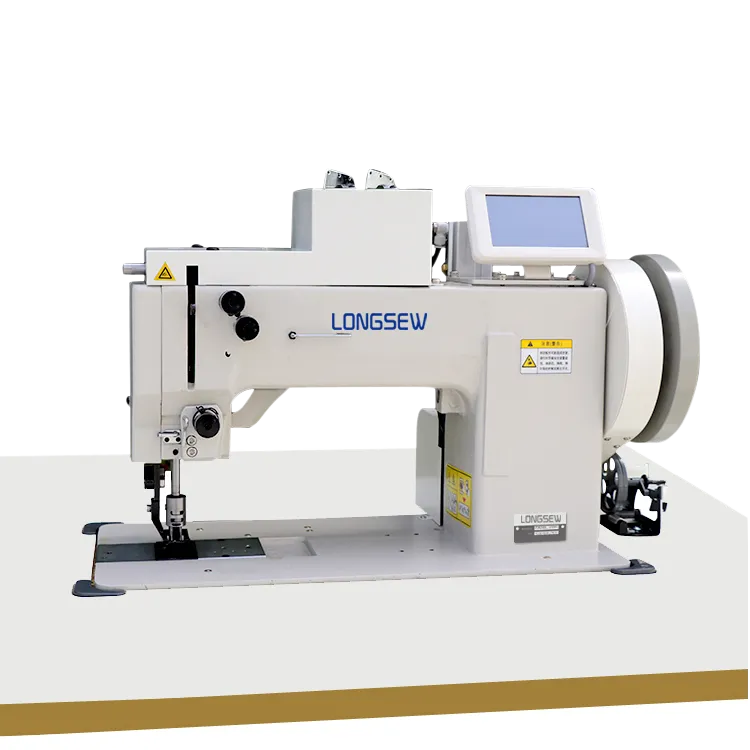
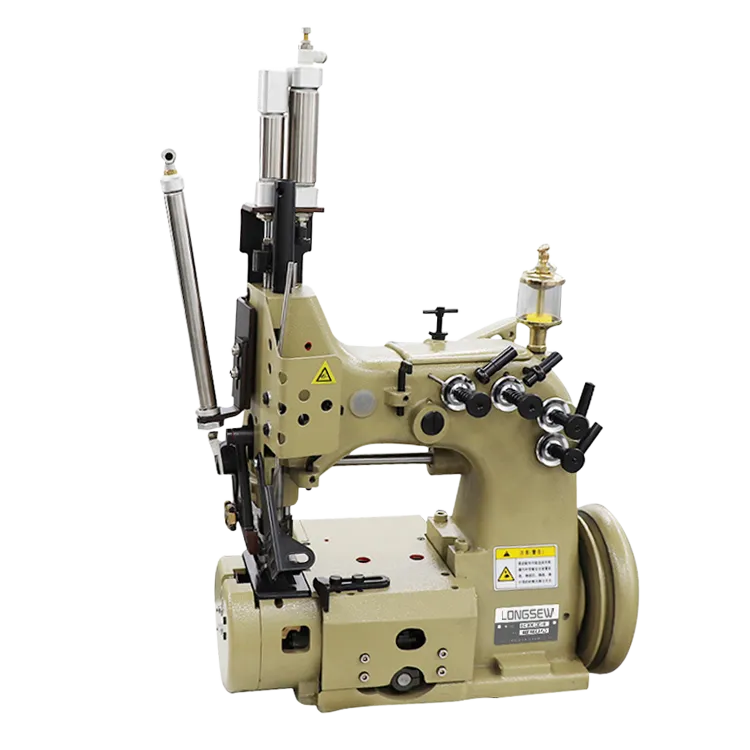
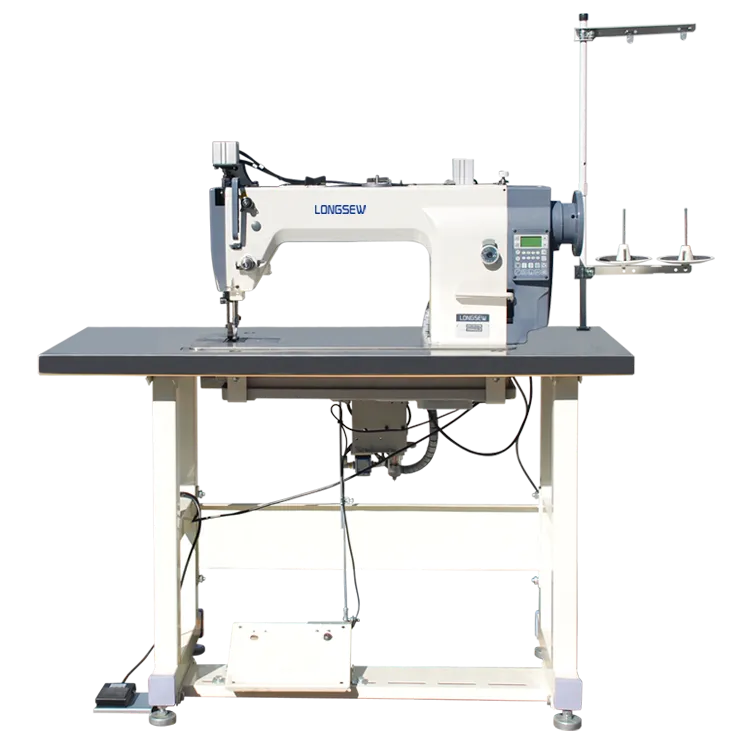
Industrial jumbo bag sewing machine Solutions for Ghana

Empowering Ghana's textile and packaging industry with high-performance stitching technology for FIBC and heavy-duty industrial bags.

Current State of Heavy-Duty Packaging in Ghana

Analyzing the intersection of textile machinery and Ghana's economic landscape.

In Ghana, the demand for durable packaging is driven primarily by the cocoa, gold mining, and cement industries. The reliance on big bag sewing machine technology has become critical as the country scales its export capabilities. However, the humid tropical climate often accelerates wear and tear on machinery, necessitating equipment with superior corrosion resistance and robust build quality.

Many local manufacturers still rely on semi-automated processes. The transition toward a professional fibc sewing machine setup is evident in the Accra and Kumasi industrial hubs, where efficiency and seam strength are now prioritized to meet international shipping standards for FIBC bags.

Furthermore, the agricultural sector's shift toward standardized 50kg packaging has created a surge in demand for the 50 kg jute bag making machine, as local farmers seek more reliable ways to transport grains and tubers without leakage or rupture during transit.
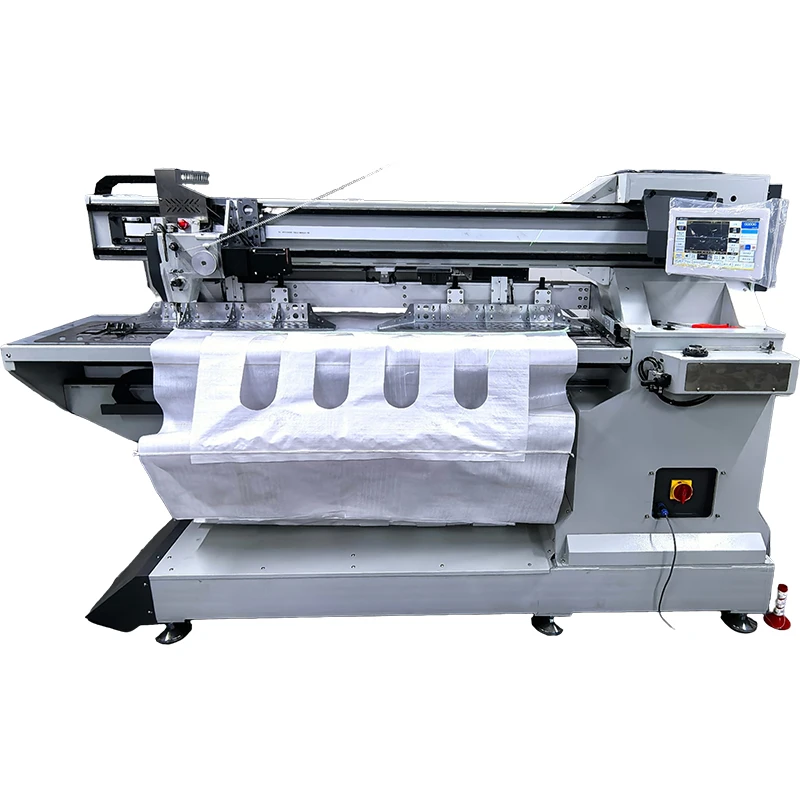
Evolution of Bag Stitching Technology in West Africa

From manual craftsmanship to automated industrial precision.

Market Development History

Before 2010, the Ghanaian market was dominated by manual handheld stitching tools and basic imports. Production was fragmented, and seam failure was a common issue in the export of minerals and cocoa.

Between 2010 and 2020, the introduction of dedicated jumbo bag stitching machine models allowed factories to standardize the production of Large Bulk Containers (LBCs), significantly reducing manual labor and increasing output by 40%.

From 2020 to the present, there has been a strategic shift toward integrated automation. The adoption of high-speed, precision-engineered machinery has enabled Ghanaian firms to compete globally by ensuring every seam meets ISO safety standards for lifting.

Future Development Trends

IoT-Enabled Maintenance

Integration of sensors to monitor thread tension and needle wear in real-time to prevent downtime in high-volume Ghanaian factories.

Eco-Friendly Material Compatibility

Development of machines capable of handling recycled polypropylene and biodegradable jute fibers without sacrificing stitch integrity.

Energy-Efficient Servo Motors

A transition toward low-energy consumption motors to combat fluctuating electricity costs and improve operational sustainability in rural production zones.

Industry Outlook and Future Projections

Strategizing the next decade of textile machinery in Ghana.

Automation Integration
Increasing adoption of PLC-controlled sewing cycles to eliminate human error in jumbo bag fabrication.
Material Diversification
Expanding machine capabilities to handle heavier GSM fabrics for mining equipment packaging.
Export Standards
Aligning Ghanaian production with EU and US safety standards for FIBC lifting bags.
Local Technical Support
Growth of local technician networks specializing in industrial sewing machine calibration.

Industry Outlook

Based on Google search trends in the West African region, there is a growing interest in "automated bag closing" and "industrial stitching durability." This suggests that Ghanaian manufacturers are moving away from basic tools and toward capital-intensive, high-reliability machinery.

We predict that within the next 3-5 years, the market will shift toward hybrid systems where digital precision meets heavy-duty mechanical strength, enabling Ghana to become a regional hub for FIBC production in ECOWAS.

Localized Application Scenarios in Ghana

Practical implementations of our technology in various Ghanaian sectors.

1. Cocoa Bean Export Packaging

Using high-precision stitching to ensure that large bags of cocoa beans are hermetically sealed against moisture and pests during the long sea voyage from Tema Port.

2. Gold Ore Mining Logistics

Deploying heavy-duty jumbo bag sewing machine systems to create reinforced FIBCs capable of carrying tons of raw ore in mining districts.

3. Cement Industry Distribution

Implementing rapid-fire stitching solutions for the mass production of cement bags, ensuring no leakage of fine powder during inland transport to Northern Ghana.

4. Grain and Maize Storage

Utilizing the 50 kg jute bag making machine for local farmers to package maize and soy, improving storage longevity and marketability.

5. Chemical Fertilizer Production

Applying specialized industrial seams that resist chemical degradation, ensuring that fertilizer bags remain intact in high-humidity environments.

Brand Story

Global Development History of Hebei Longsew Machinery Technology Co., Ltd.

Industrial Foundations

Founded with a vision to bridge the gap between heavy-duty textile needs and precision engineering, specializing in specialized sewing equipment.

Technological Breakthroughs

Developed patented needle-cooling and tension-control systems that redefined the lifespan of industrial bag machines.

Global Market Expansion

Expanded our footprint into Africa, tailoring machinery to survive extreme tropical climates and varying power grids.

Commitment to Quality

Achieved international certifications, ensuring every machine delivered meets the highest safety and durability standards.

Sustainable Future

Investing in R&D for energy-efficient motors to help global clients reduce their carbon footprint while increasing productivity.

Common Questions for Ghana Customers

Expert answers to technical and logistical queries.

How to choose the right fibc sewing machine for mining bags?

For mining bags, you need a machine with high penetration power and reinforced frames to handle thick polypropylene fabrics. Ensure the machine supports heavy-duty thread tension.

Can a jumbo bag sewing machine handle different fabric weights?

Yes, our machines feature adjustable tension settings and interchangeable needles to accommodate varying GSM fabrics used in Ghanaian industry.

What is the maintenance cycle for a big bag sewing machine in humid climates?

Due to Ghana's humidity, we recommend weekly lubrication of moving parts and monthly inspections of the electrical components to prevent oxidation.

Is the 50 kg jute bag making machine suitable for small-scale farms?

Absolutely. Our compact models are designed for efficiency and ease of use, making them ideal for cooperatives and small-scale agricultural hubs.

How do I ensure the seams of my jumbo bag stitching machine meet export standards?

Use high-tenacity bonded threads and calibrate the stitch length according to the specific load-bearing requirements of the FIBC standard.

Do your machines support 220V power systems common in Ghana?

Yes, all our machinery is configured to match the local voltage standards of Ghana, and we offer optional voltage stabilizers for rural areas.

Get Expert Packaging Advice

Ready to upgrade your production line? Our engineers are ready to support your business in Ghana.

Contact Us Now

If you are interested in our products, you can choose to leave your information here, and we will be in touch with you shortly.