
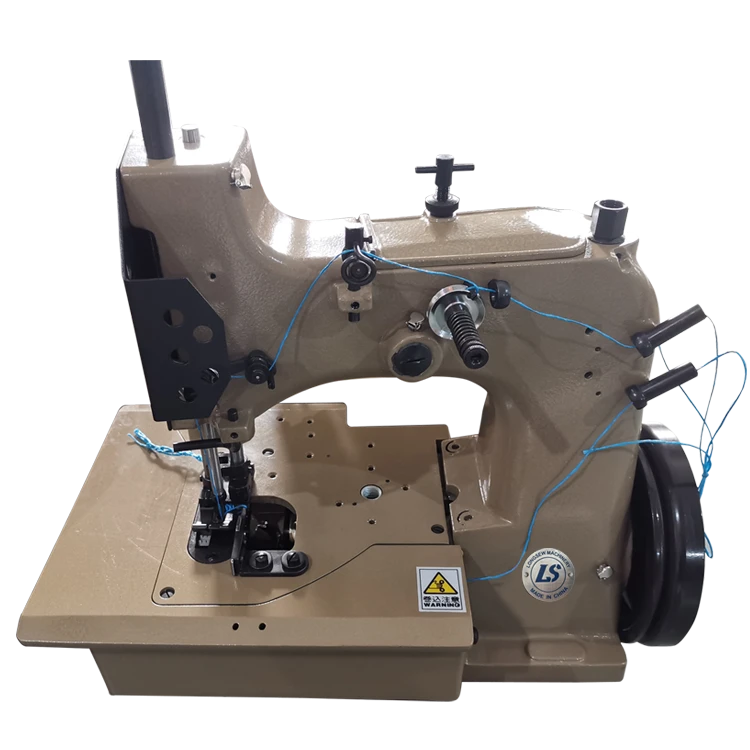
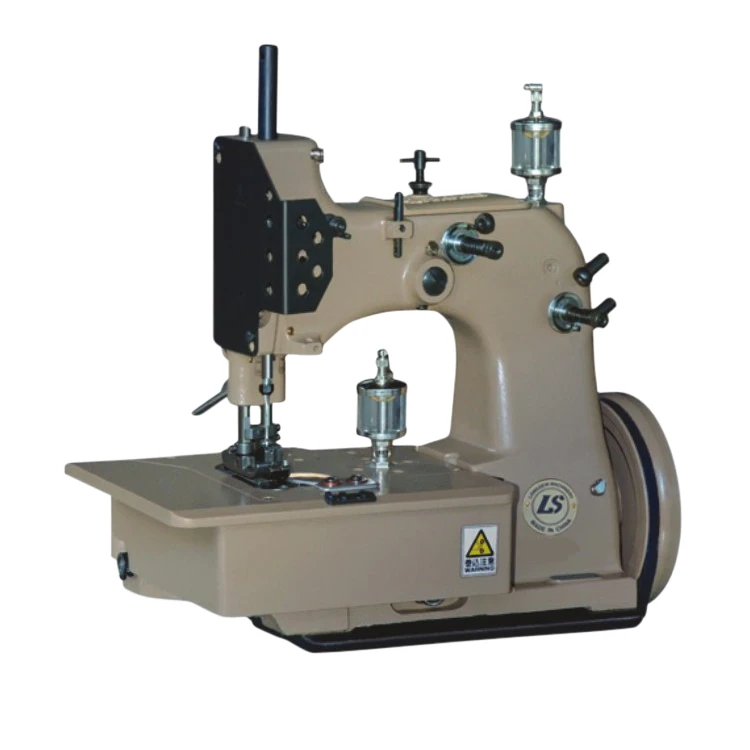
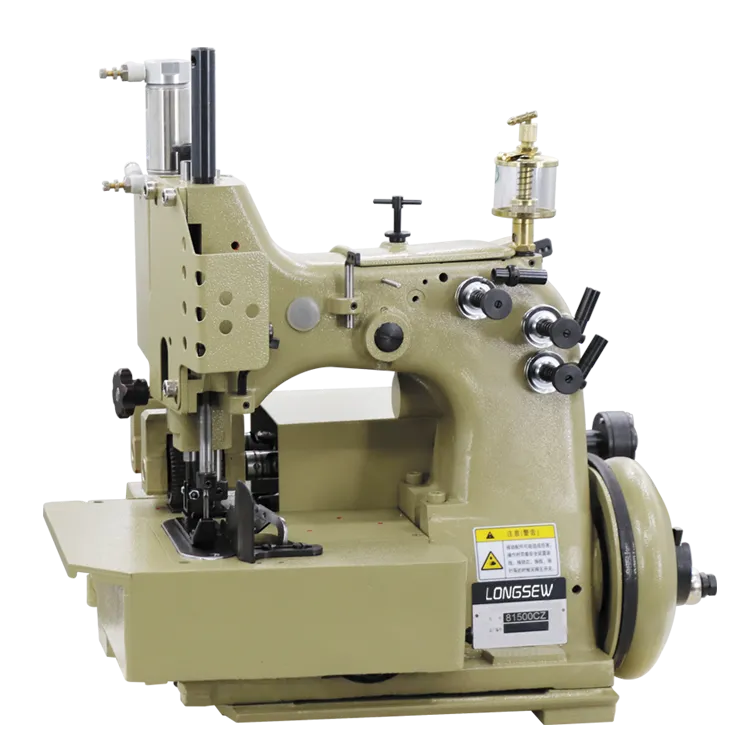
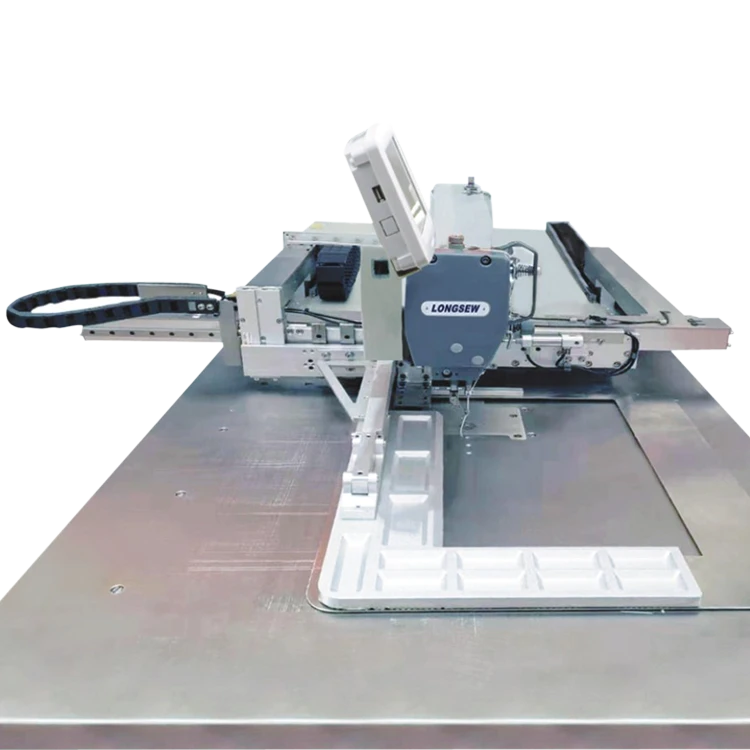
Industrial jumbo bag sewing machine Solutions for Ecuador

High-performance stitching technology engineered for Ecuador's booming agricultural and industrial packaging sectors.

Current State of Heavy-Duty Packaging in Ecuador

Analyzing the synergy between Ecuadorian export demands and textile machinery.

Ecuador's economy relies heavily on the export of bananas, cocoa, and shrimp, creating a massive demand for robust packaging. The local industry relies on the big bag sewing machine to produce FIBCs that can withstand the humid coastal climates of Guayaquil and the rugged transport routes to the highlands.

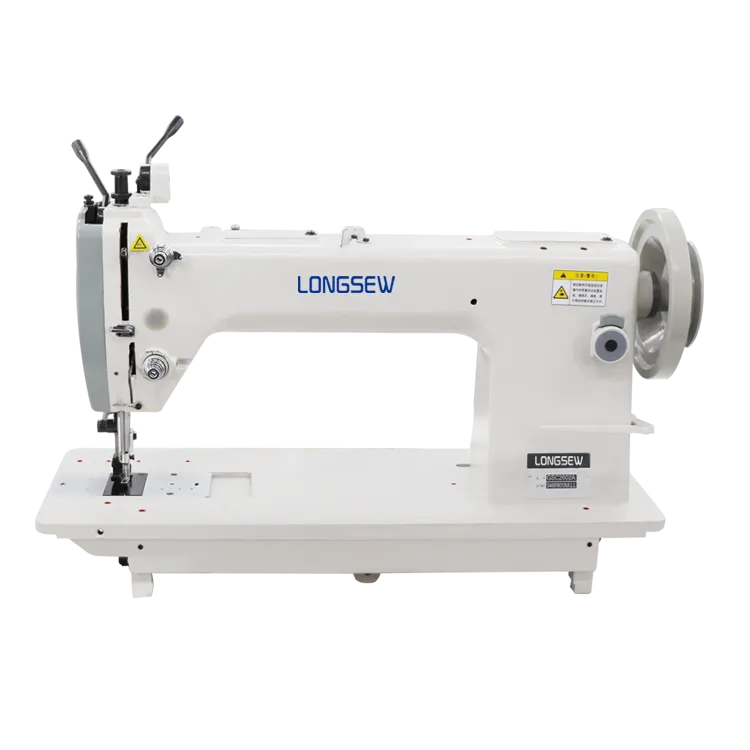
Currently, many Ecuadorian factories are transitioning from manual labor to semi-automated systems. The integration of a professional fibc sewing machine is becoming a standard for companies seeking to meet international ISO standards for export-grade bulk bags.

Despite the growth, the region faces challenges with equipment maintenance due to the dusty environment of agricultural processing plants. There is a critical need for a jumbo bag stitching machine that offers both high speed and extreme durability against abrasive materials.
Technological Evolution of Bag Closing in Ecuador

From traditional handheld stitching to intelligent automated production lines.

Market Development History

In the early 2000s, the Ecuadorian market predominantly used basic portable sewing tools for small-scale sacks. Production was fragmented, and quality control for bulk bags was inconsistent, relying on basic mechanical tension.

Between 2010 and 2020, as the mining and fertilizer sectors grew, the demand for a 50 kg jute bag making machine increased. This era marked the shift toward specialized industrial machinery capable of handling heavier denier fabrics and reinforced seams.

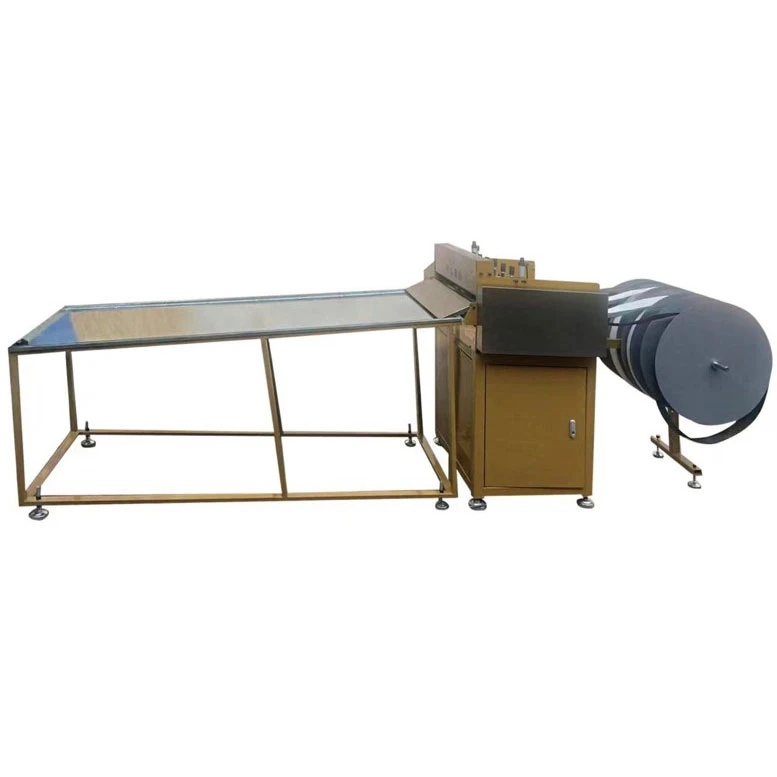
Today, the market has entered the era of precision. Modern factories now utilize integrated workstations where the jumbo bag sewing machine is combined with automatic cutting and lifting systems to maximize throughput.

Future Development Trends

IoT Integration and Remote Monitoring

We predict a shift toward smart machines that alert Ecuadorian operators in real-time about thread breaks or needle wear, reducing downtime in remote provincial factories.

Sustainable Material Compatibility

As Ecuador pushes for "Green Exports," machinery will be optimized to handle biodegradable and recycled polypropylene fabrics without sacrificing seam strength.

High-Speed Automation

The move toward fully automated fibc sewing machine lines will reduce manual labor costs and increase the precision of load-bearing stress points.

Industry Trends and Future Outlook

Strategic projections for the textile machinery sector in the Andean region.

Automation Acceleration
Increased adoption of PLC-controlled stitching for consistent quality in export bags.
Material Diversification
Machinery adapting to heavier PVC-coated fabrics for chemical storage.
Energy Efficiency
Implementation of servo motors to reduce electricity costs in Ecuadorian plants.
Precision Engineering
Enhanced stitch density control to meet stringent US and EU import regulations.

Industry Outlook

Google search trends indicate a rising interest in "industrial automated sewing" within the South American region, specifically linked to the expansion of the mining sector in Ecuador. This suggests a move toward larger capacity jumbo bag stitching machine units.

Over the next 3-5 years, we expect a consolidation of the packaging industry where mid-sized firms upgrade to high-efficiency big bag sewing machine clusters to compete with global imports.

Localized Application Scenarios in Ecuador

Practical implementations of our machinery in real-world Ecuadorian industries.

01. Banana Export Bulk Packaging

Utilizing high-speed fibc sewing machine systems in Guayas to produce ventilated bulk bags for fruit transport, ensuring seam integrity during long maritime voyages.

02. Cocoa and Coffee Bean Processing

Deploying the 50 kg jute bag making machine in the highlands to create breathable, durable sacks for specialty coffee exports to Europe.

03. Mining Concentrate Transport

Implementing heavy-duty jumbo bag sewing machine units to create reinforced bags capable of carrying 1-2 tons of mineral ores without failure.

04. Fertilizer and Chemical Logistics

Using the big bag sewing machine to manufacture leak-proof, lined FIBCs for the agricultural chemical sector in the coastal plains.

05. Shrimp Feed Production

Applying a jumbo bag stitching machine for the rapid closure of feed bags in aquaculture hubs, focusing on moisture-resistant stitching.

Brand Story

Global Development History of Hebei Longsew Machinery Technology Co., Ltd.

Foundational Precision

Established with a mission to solve the "needle-break" pain point in heavy-duty textiles, Longsew began by perfecting the timing of industrial sewing hooks.

Technological Breakthrough

Developed the first generation of high-torque motors for FIBC machines, allowing for seamless stitching through 8+ layers of polypropylene.

Global Market Expansion

Expanded into the South American market, tailoring equipment to handle the specific humidity and material requirements of Andean exporters.

Smart Manufacturing Shift

Integrated digital controllers into our bag-closing series, reducing operator error by 30% and increasing output speed.

Industry Leadership

Now a recognized global provider of specialized textile machinery, committed to sustainable and efficient packaging solutions worldwide.

Common Questions from Ecuadorian Clients

Expert answers to the most frequent technical queries regarding bulk bag machinery.

What is the best fibc sewing machine for high-humidity environments like Guayaquil?

We recommend machines with reinforced anti-corrosion plating on the internal mechanical parts and high-grade lubricants to prevent rust and ensure smooth operation in coastal humidity.

Can a 50 kg jute bag making machine handle recycled fibers?

Yes, our machines feature adjustable tension controllers and reinforced needles specifically designed to handle the irregular texture of recycled jute without frequent breakage.

How do I maintain my jumbo bag stitching machine in a dusty factory?

We suggest a daily air-blow cleaning of the bobbin area and weekly lubrication of the main shaft. Our machines are designed with sealed bearings to minimize dust ingress.

What is the speed difference between a manual and automatic big bag sewing machine?

Automatic systems can increase output by 40-60% by reducing the time spent on manual bag positioning and thread cutting.

Are these jumbo bag sewing machine models compatible with 220V power in Ecuador?

Absolutely. All our exported machinery is configured to meet the electrical standards of Ecuador, including voltage and frequency requirements.

Which needle size is recommended for a jumbo bag stitching machine?

Depending on the fabric GSM, we typically recommend needles ranging from size 18 to 22 to ensure penetration through heavy-duty PP fabric without bending.

Ready to Upgrade Your Packaging Line?

Get expert technical consultation and customized machinery solutions for your business in Ecuador.

Contact Us Now

If you are interested in our products, you can choose to leave your information here, and we will be in touch with you shortly.