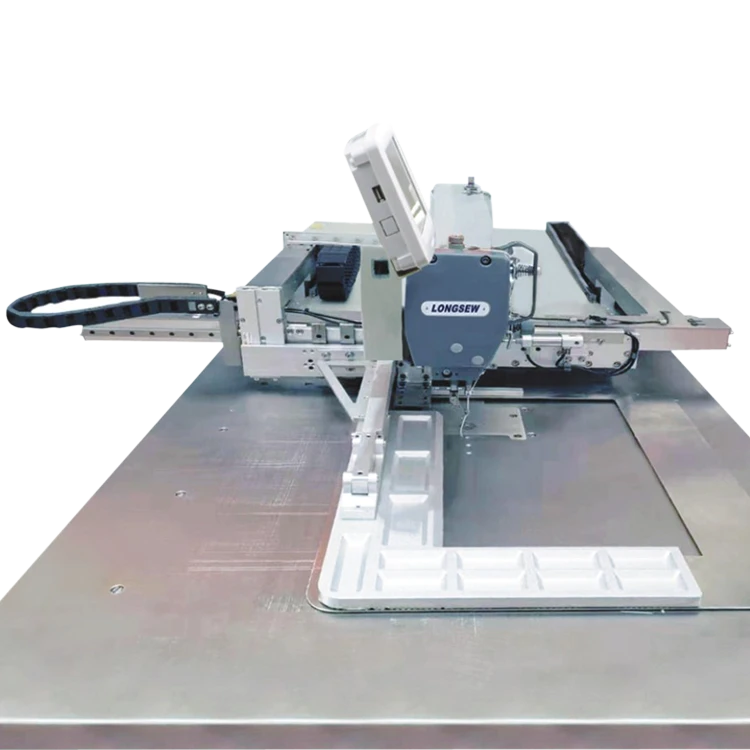
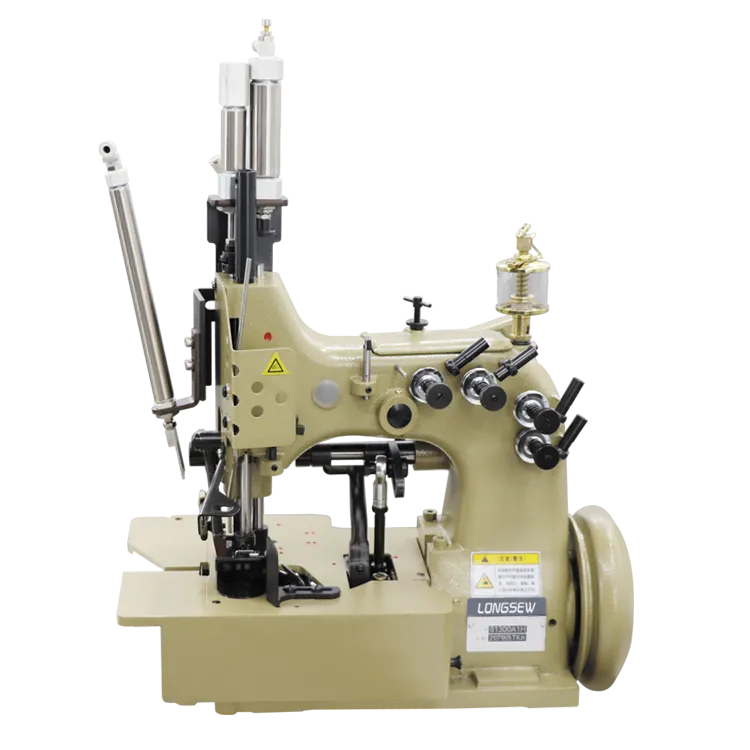
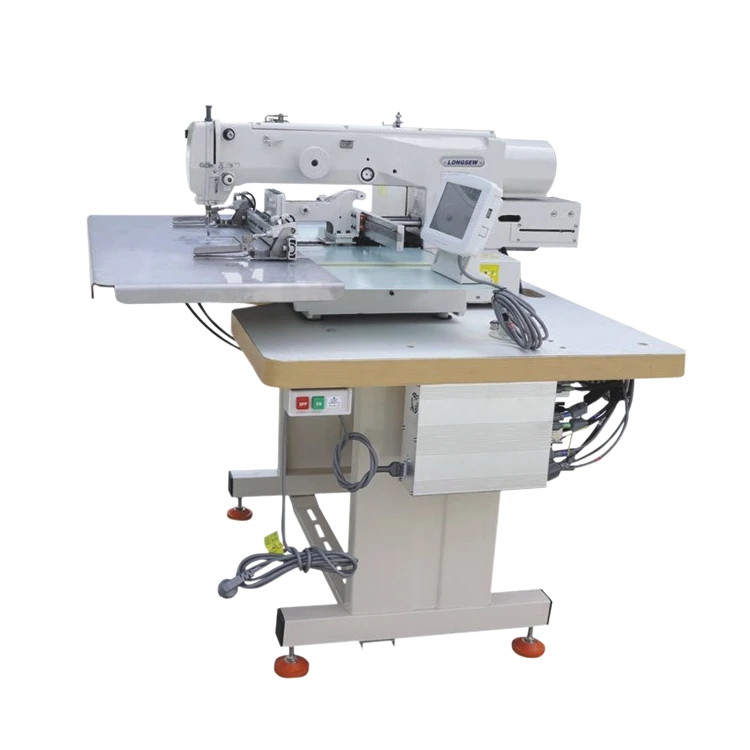
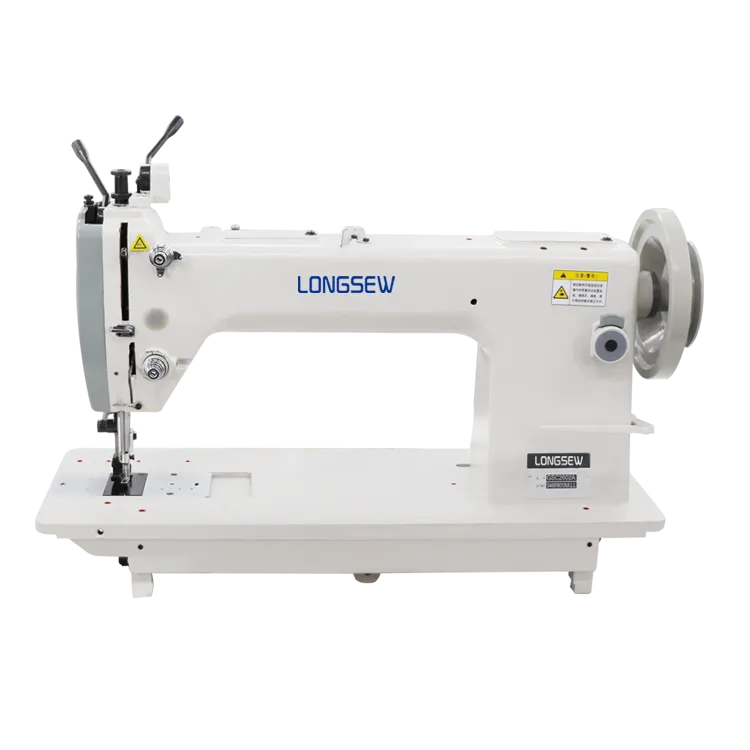
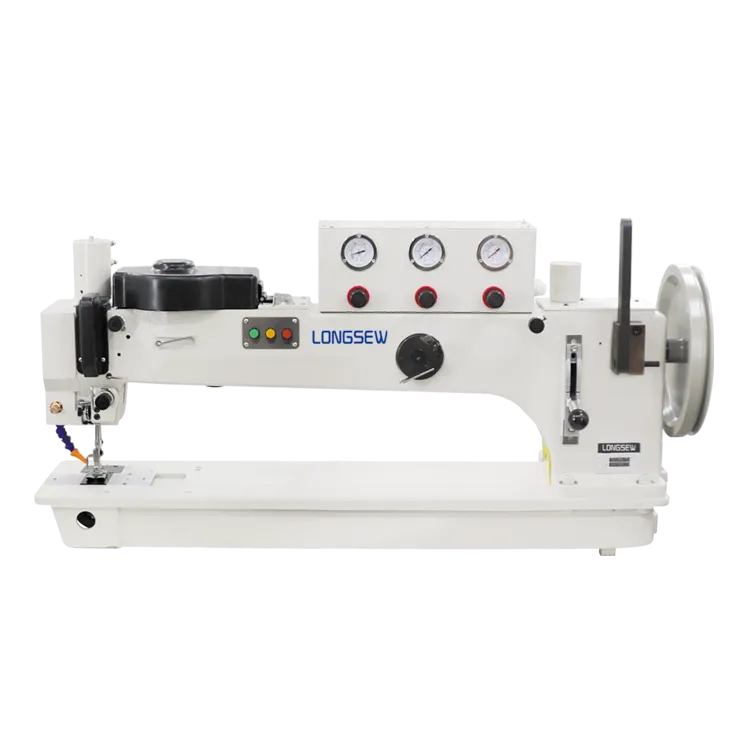
Industrial jumbo bag sewing machine Solutions for Central African Republic

High-performance textile machinery engineered to empower the packaging and logistics infrastructure across the Central African Republic.

Packaging Machinery Landscape in Central African Republic

Analyzing the intersection of textile equipment and regional economic needs.

In the Central African Republic, the textile and packaging sector is heavily influenced by the agricultural economy, particularly the transport of coffee and cotton. The high humidity and dust levels in the Bangui region demand a big bag sewing machine that is not only powerful but also resistant to environmental wear and tear.

Many local workshops still rely on outdated manual tools, leading to bottlenecks in the supply chain. There is a growing urgent need for a reliable fibc sewing machine to ensure that bulk containers meet international export standards for safety and durability.

Furthermore, the scarcity of specialized technical maintenance in rural provinces means that durability and ease of repair are the primary drivers for procurement. Equipment must be capable of operating under fluctuating power conditions while maintaining consistent stitch quality.
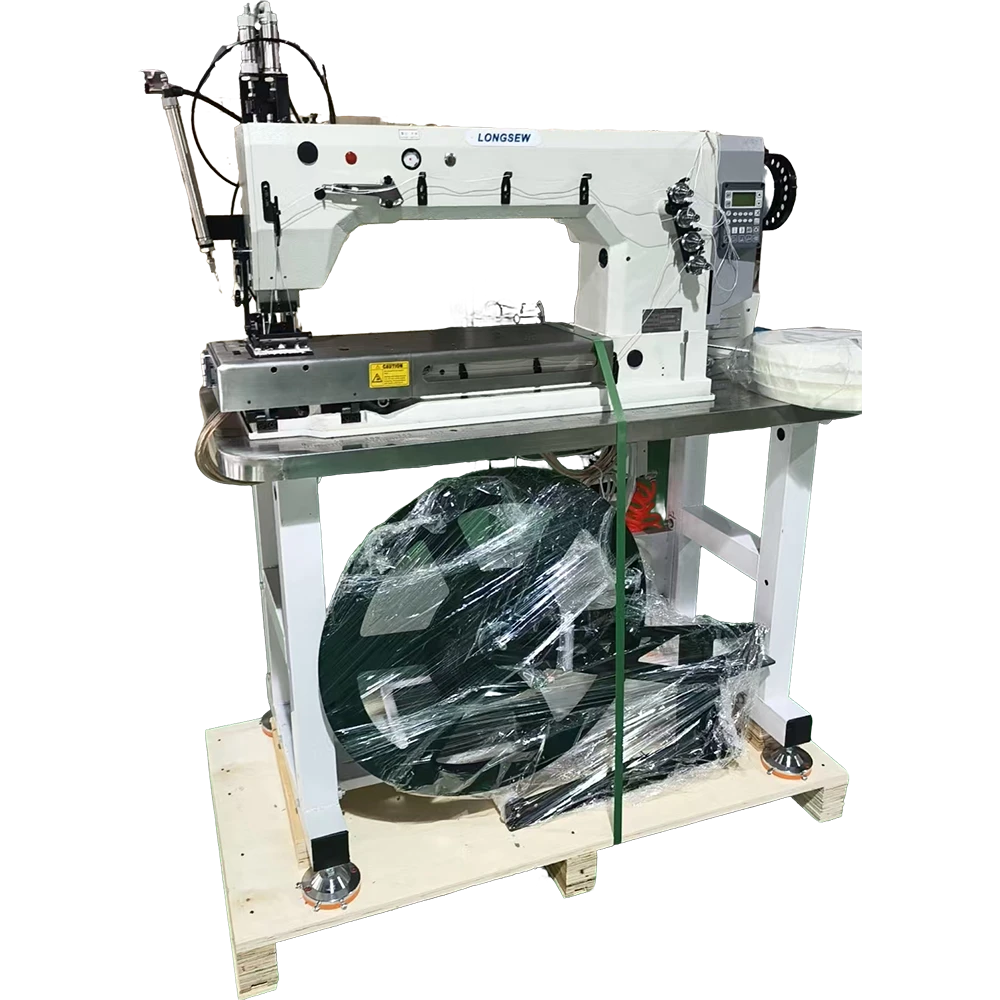
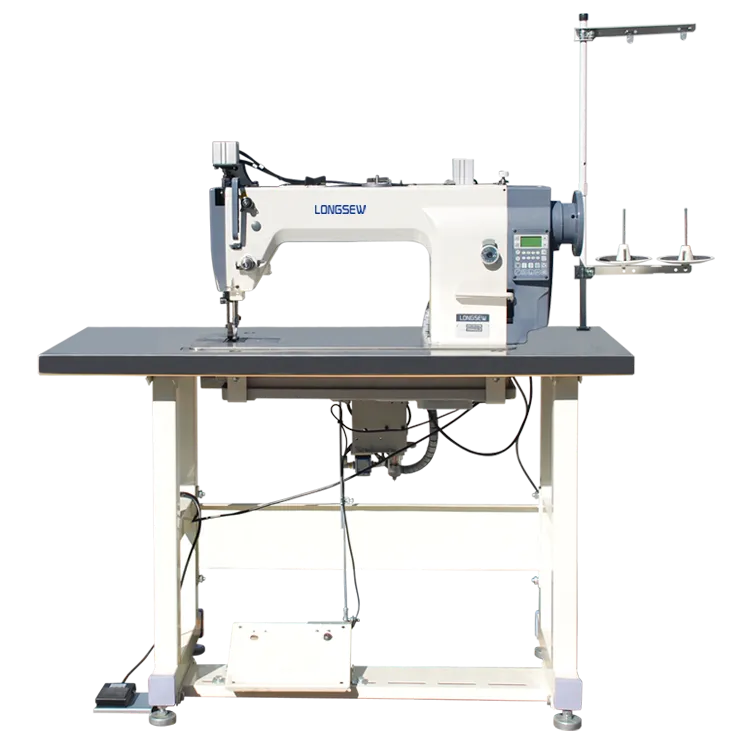
Evolution of Bag Closing Technology

From primitive hand-stitching to automated industrial precision.

Market Development History

Before 2010, the market in the Central African Republic was dominated by basic hand-held closing machines used for small sacks. Production was slow, and the lack of standardization often led to bag failures during long-distance transit to ports.

Between 2010 and 2020, the introduction of semi-automated jumbo bag stitching machine models allowed for the emergence of small-scale FIBC manufacturing plants, reducing the reliance on imported bulk bags from neighboring countries.

From 2020 to the present, there has been a shift toward specialized heavy-duty machinery, such as the 50 kg jute bag making machine, to support the diversification of agricultural packaging and improve the shelf-life of stored commodities.

Future Development Trends

Energy-Efficient Servo Motors

Given the unstable power grids in Central African Republic, the transition to energy-saving servo motors will reduce operational costs and equipment burnout.

Increased Automation for Export Quality

As export regulations tighten, we expect a surge in demand for automated stitching systems that ensure 100% seam integrity for hazardous and non-hazardous materials.

Modular Design for Local Maintenance

The trend is moving toward modular components that allow local operators to replace wear parts without needing advanced engineering degrees.

Industry Trends and Future Outlook

Predicting the trajectory of industrial textile machinery in the region.

Eco-Friendly Material Adaptation
Integration of machines capable of sewing biodegradable and recycled polymers to align with global green standards.
Digital Stitch Control
Implementation of digital panels to monitor stitch count and tension, reducing waste and human error.
Hybrid Power Systems
Development of machinery that can switch between electrical and manual/pneumatic drives for maximum uptime.
High-Speed Throughput
Increasing stitches per minute (SPM) to meet the growing demand of large-scale mining bulk exports.

Industry Outlook

The demand for high-capacity packaging in the Central African Republic is projected to grow as the region stabilizes and expands its trade corridors. This will lead to a shift from fragmented workshops to centralized industrial hubs.

Google search trends indicate a rising interest in "automated bagging solutions" and "heavy-duty textile machinery" in the African interior, signaling a clear transition toward industrialization and efficiency.

Localized Applications in Central African Republic

Real-world deployment scenarios for industrial sewing solutions.

01. Coffee and Cocoa Export Packaging

Using heavy-duty stitching machines to secure 50kg to 100kg bags for export from rural farms to the port of Bangui, ensuring no product loss during transit.

02. Mining Mineral Bulk Transport

Deploying a fibc sewing machine to create massive 1-ton bags for transporting minerals and ores, requiring high-tensile strength seams.

03. Agricultural Seed Distribution

Utilizing a 50 kg jute bag making machine to produce breathable, natural fiber bags for seed storage and distribution to local farmers.

04. Humanitarian Aid Supply Kits

Rapid production of large-scale fabric containers for food and medical supply kits delivered by international NGOs across the region.

05. Construction Material Sacks

Manufacturing heavy-duty bags for cement and sand using a jumbo bag stitching machine to support the growing urban infrastructure in Bangui.

Brand Story

Global Development Journey of Hebei Longsew Machinery Technology Co., Ltd.

Founding Vision

Established with a mission to eliminate inefficient sewing processes in the global textile industry through precision engineering.

Technological Breakthrough

Developed the first generation of heavy-duty FIBC machines that combined high speed with extreme durability for harsh environments.

Global Expansion

Expanded into the African market, specializing in customizing equipment for regions with challenging power and climatic conditions.

Quality Certification

Achieved international standards of excellence, ensuring every machine delivered to the Central African Republic meets rigorous safety codes.

Sustainable Future

Now focusing on "Smart Sewing" and energy-efficient motors to help our clients reduce their carbon footprint and operational costs.

Common Questions in Central African Republic

Expert answers to the most frequent technical and commercial queries.

Which fibc sewing machine is best for high-humidity environments?

We recommend models with anti-corrosion coatings and sealed electronics to prevent humidity from affecting the motor and internal wiring in tropical climates.

How to maintain a jumbo bag sewing machine with limited spare parts?

Our machines use standardized parts that are easier to source. We also provide comprehensive wear-part kits with every purchase to ensure 12 months of uninterrupted operation.

Can a 50 kg jute bag making machine handle different fabric thicknesses?

Yes, our machines feature adjustable presser foot tension and variable speed controls, allowing them to switch between thin polypropylene and thick jute fabrics seamlessly.

What is the average speed of a jumbo bag stitching machine?

Depending on the model, our industrial stitchers range from 1,000 to 2,500 stitches per minute, significantly increasing throughput compared to manual alternatives.

Do you provide training for big bag sewing machine operators?

Yes, we provide detailed video tutorials and digital manuals in multiple languages to ensure local staff in the Central African Republic can operate the machinery safely.

What voltage is required for these industrial sewing machines?

We offer customizable power configurations (220V/380V) and recommend using a voltage stabilizer to protect the electronics from local grid fluctuations.

Request a Custom Technical Quote

Our engineers are ready to help you optimize your production line in Africa - Central African Republic with the latest sewing technology.

Contact Us Now

If you are interested in our products, you can choose to leave your information here, and we will be in touch with you shortly.