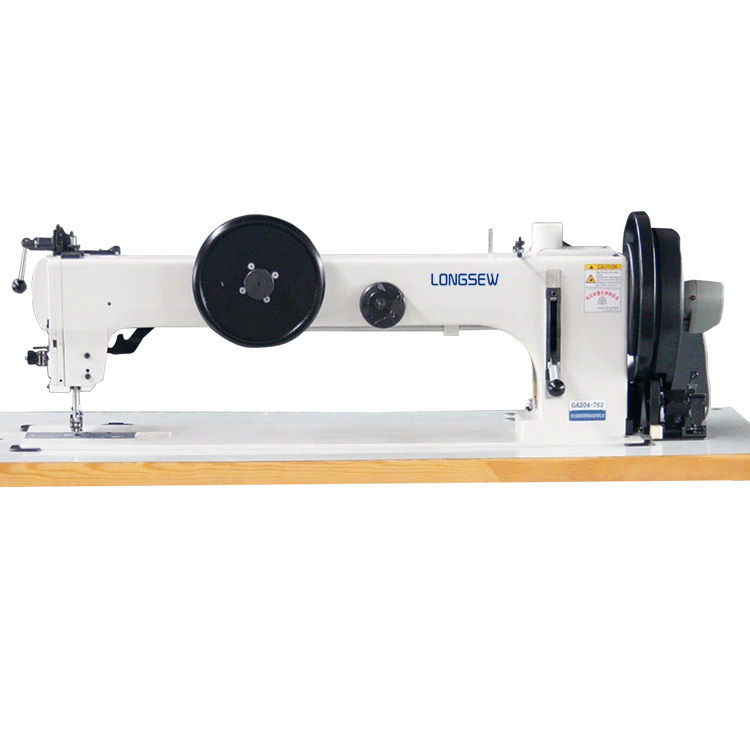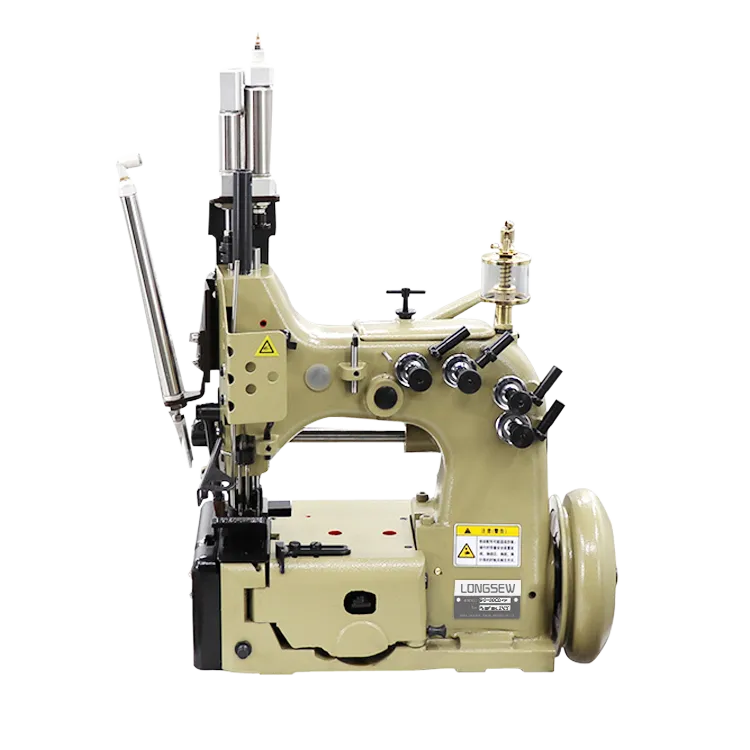
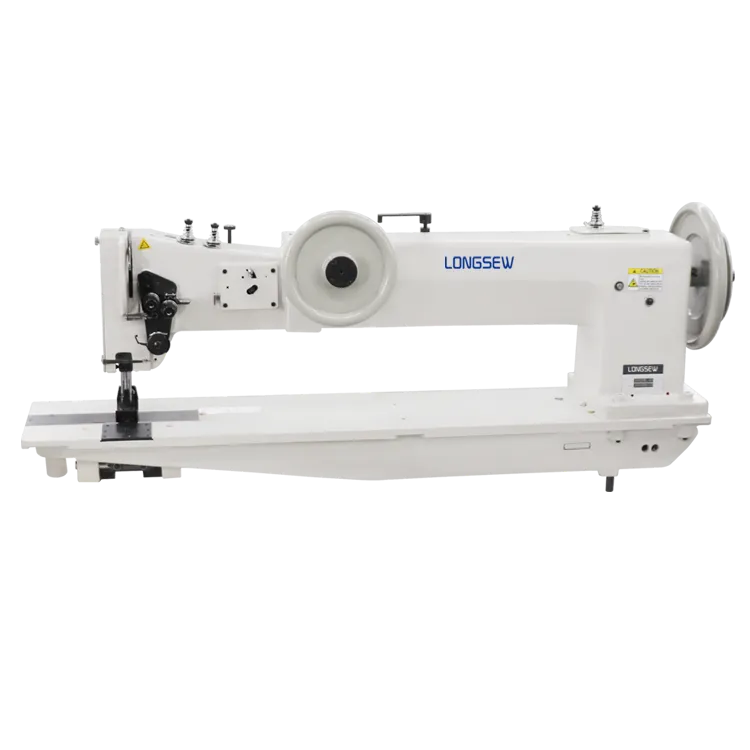
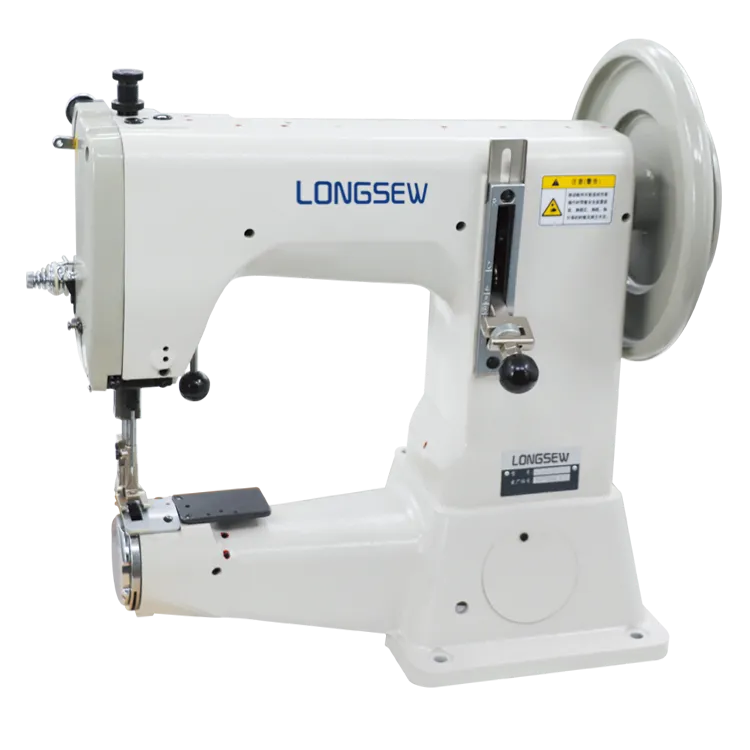
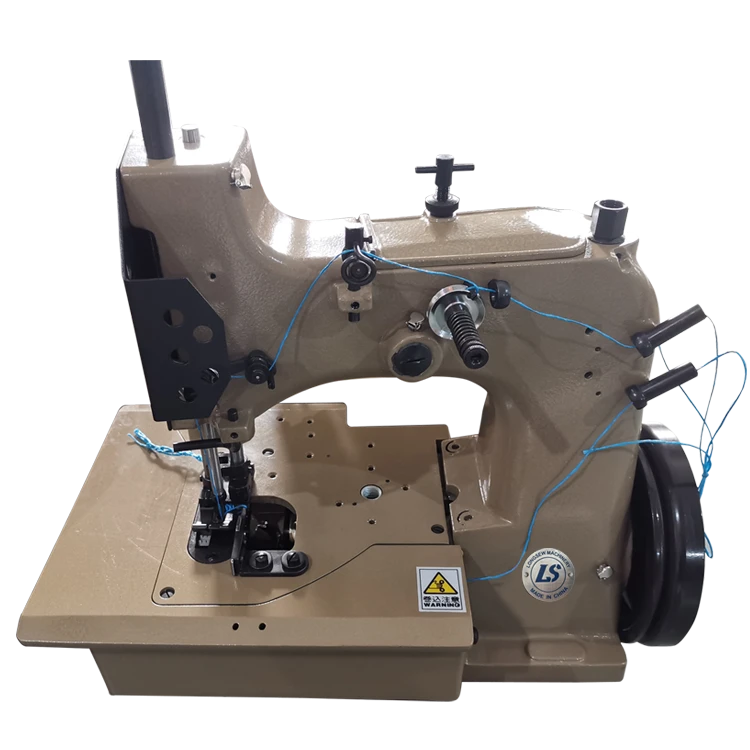
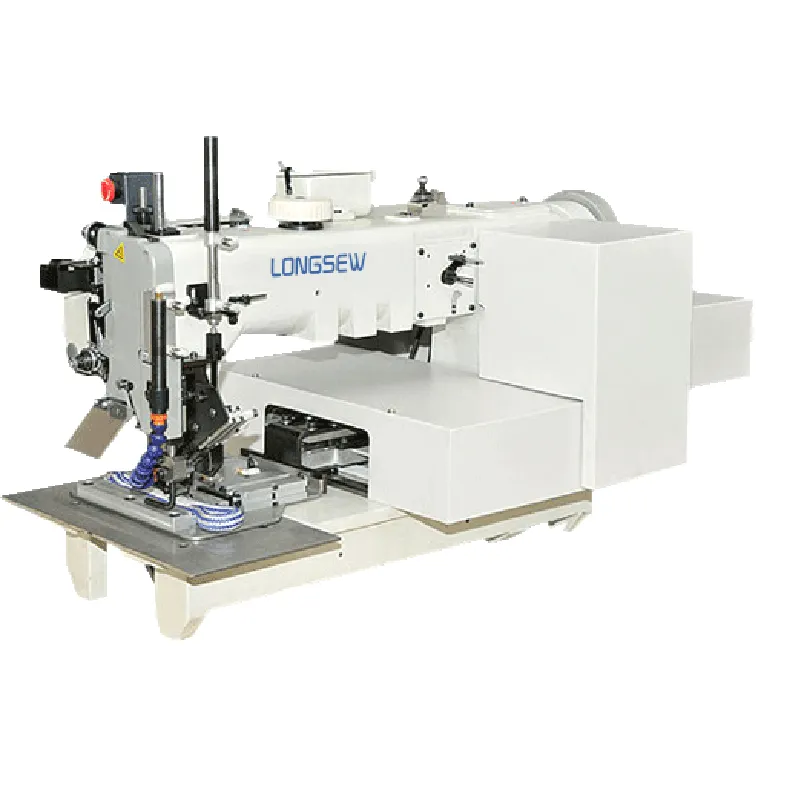
Industrial Bag Closing Solutions for jumbo bag sewing machine in Equatorial Guinea

High-performance industrial stitching technology designed to optimize bulk packaging for Equatorial Guinea's growing agricultural and mineral exports.

Packaging Infrastructure Landscape in Equatorial Guinea

Analyzing the operational challenges of textile machinery in tropical humid environments.

Equatorial Guinea's industrial sector is heavily influenced by its coastal geography and high humidity. In the textile and packaging sector, the reliance on a fibc sewing machine is critical for the transport of cocoa, coffee, and petroleum-related materials. However, the tropical climate often leads to rapid wear and corrosion of standard metal components.

Currently, many local facilities utilize manual or semi-automated systems. The demand for a reliable big bag sewing machine has spiked as the country seeks to diversify its economy beyond oil, focusing on agricultural exports that require reinforced, leak-proof bulk packaging to survive long maritime transit.

Operational efficiency in Malabo and Bata is often hindered by a lack of localized technical support. This creates a market gap for machinery that is not only powerful but also easy to maintain, specifically those capable of handling thick polypropylene and jute fabrics without frequent needle breakage.
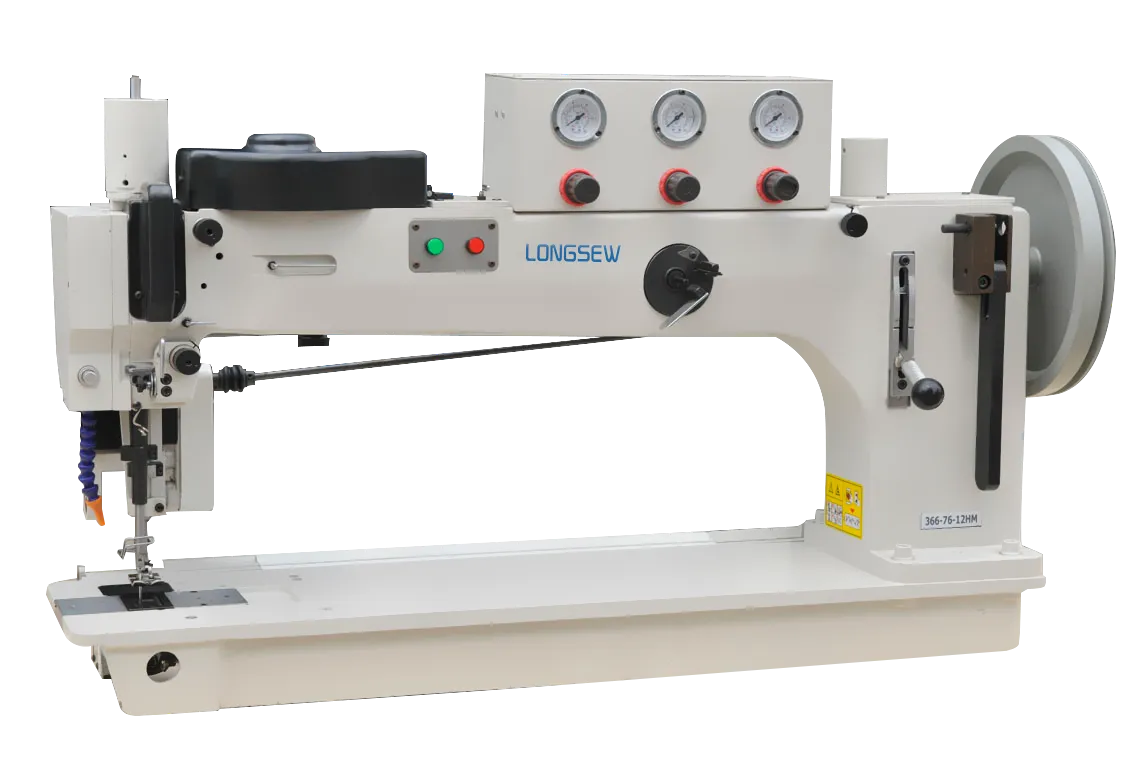
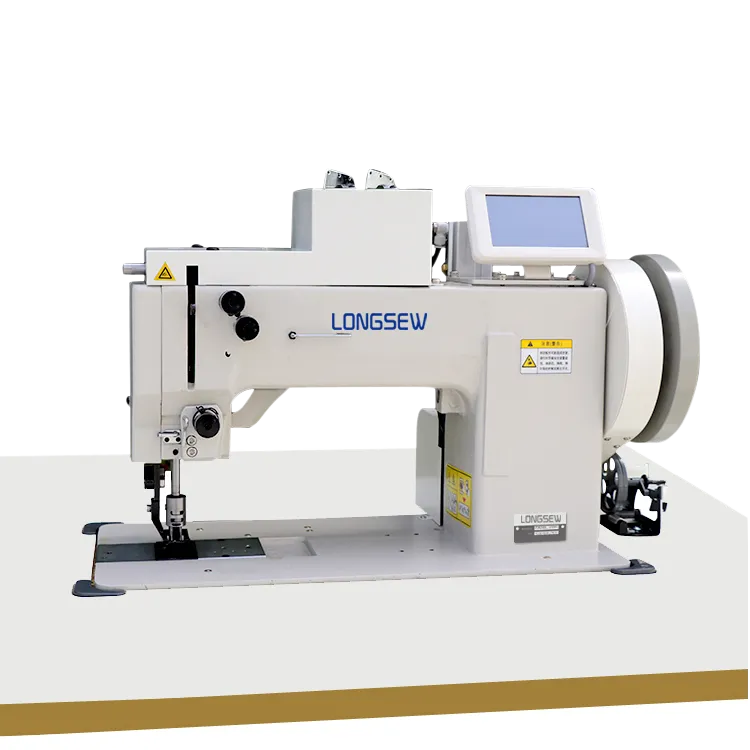
Technical Evolution of Industrial Stitching in Central Africa

From manual handheld closers to fully automated heavy-duty bag making lines.

Market Development History

Between 2000 and 2010, the market was dominated by portable handheld stitching tools. These were basic devices used for simple closures, lacking the tension control required for high-capacity bulk bags.

From 2011 to 2020, there was a transition toward semi-automated stations. The introduction of the 50 kg jute bag making machine allowed local producers to standardize their output, moving from artisan-level packing to small-scale industrial production.

Since 2021, the focus has shifted toward high-tensile strength and automation. Modern facilities now integrate a jumbo bag stitching machine into their lines to ensure safety and durability for weights exceeding 1000kg, meeting international shipping standards.

Future Development Trends

IoT-Enabled Maintenance

Integrating sensors to monitor thread tension and needle wear in real-time to prevent downtime in remote Equatorial Guinean factories.

Eco-Friendly Threading Systems

A shift toward biodegradable high-strength threads to meet new EU environmental import regulations for African agricultural goods.

Hybrid Automation

The convergence of pneumatic power and electronic precision to reduce energy consumption in areas with unstable power grids.

Strategic Outlook for Textile Machinery

Projecting the technological trajectory of heavy-duty sewing in West-Central Africa.

High-Tension Reinforcement
Implementing multi-thread chain stitching to prevent bag rupture during heavy lifting.
Climate-Resistant Coating
Using anti-corrosive alloys and specialized lubricants for tropical humidity.
Rapid-Change Tooling
Reducing downtime via quick-swap needle systems for different fabric densities.
Energy-Efficient Motors
Implementing servo motors to stabilize power consumption during peak loads.

Industry Outlook

Over the next 3-5 years, we anticipate a significant surge in the adoption of integrated bag-making lines in Equatorial Guinea. As the local government encourages the industrialization of the cocoa supply chain, the demand for precision stitching will shift from simple closure to complete bag fabrication.

Google search trends indicate a rising interest in "automated bulk packaging" within the CEMAC region, suggesting that manufacturers are looking for end-to-end solutions that reduce human error and increase the structural integrity of exported goods.

Equatorial Guinea Localized Application Scenarios

Practical implementation of heavy-duty sewing technology in regional industries.

01. Cocoa Export Packaging in Bata

Utilizing a jumbo bag sewing machine to secure 1-ton bulk bags of cocoa beans for shipment to European markets, ensuring zero leakage during transit.

02. Mineral Ore Transport in the Interior

Deploying a big bag sewing machine to create reinforced containers for mineral aggregates, capable of withstanding rugged transport on unpaved roads.

03. Agricultural Seed Distribution

Implementing a 50 kg jute bag making machine for local seed cooperatives to package high-quality seeds for domestic farmers.

04. Petroleum byproduct Logistics

Using a fibc sewing machine to produce chemical-resistant bulk bags for the containment of petroleum-related waste and pellets.

05. Industrial Fertilizer Production

Applying a jumbo bag stitching machine to seal large-scale fertilizer bags for the national agricultural development program.

Brand Story

Global Development Journey of Hebei Longsew Machinery Technology Co., Ltd.

Founding Vision

Established with a mission to solve the chronic failure of sewing threads in heavy-duty industrial bags through precision engineering.

Technical Breakthrough

Developed a proprietary tension control system that eliminated skipped stitches in thick polypropylene fabrics.

Global Expansion

Expanded operations into Africa, tailoring machinery to withstand high-humidity and high-dust environments.

Innovation Leadership

Became a leading provider of FIBC sewing solutions, integrating automation into traditional bag-making processes.

Future Commitment

Dedicated to providing sustainable, energy-efficient machinery to empower the industrialization of emerging markets.

Industrial Sewing FAQs for Equatorial Guinea

Expert answers to common technical and operational questions in the region.

How to maintain a jumbo bag sewing machine in high humidity?

We recommend using anti-oxidation lubricants and daily cleaning of the needle bar to prevent rust and ensure smooth operation in coastal cities like Malabo.

What is the best thread for a big bag sewing machine in bulk exports?

High-tenacity bonded polyester thread is ideal for bulk exports as it resists UV degradation and high tensile stress during maritime shipping.

Can a 50 kg jute bag making machine handle synthetic fabrics?

Yes, our machines are versatile; by adjusting the needle size and tension settings, they can switch from traditional jute to synthetic polypropylene.

How often should a jumbo bag stitching machine be calibrated?

For industrial-scale operations in Equatorial Guinea, we recommend a full calibration every 500 operational hours to maintain stitch consistency.

What are the power requirements for a fibc sewing machine?

Our machines support multiple voltage configurations (220V/380V) and are designed to operate stably even with slight voltage fluctuations.

Is training provided for local operators in Equatorial Guinea?

Yes, we provide comprehensive video tutorials and remote technical guidance to ensure local staff can operate and maintain the equipment efficiently.

Optimize Your Packaging Line Today

Contact our experts for tailored industrial sewing solutions delivered directly to Equatorial Guinea.

Contact Us Now

If you are interested in our products, you can choose to leave your information here, and we will be in touch with you shortly.