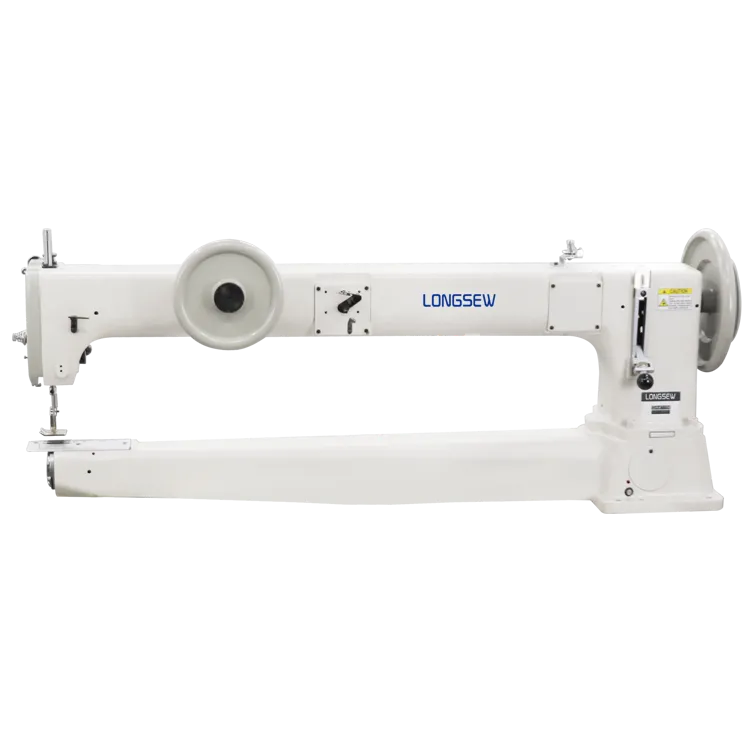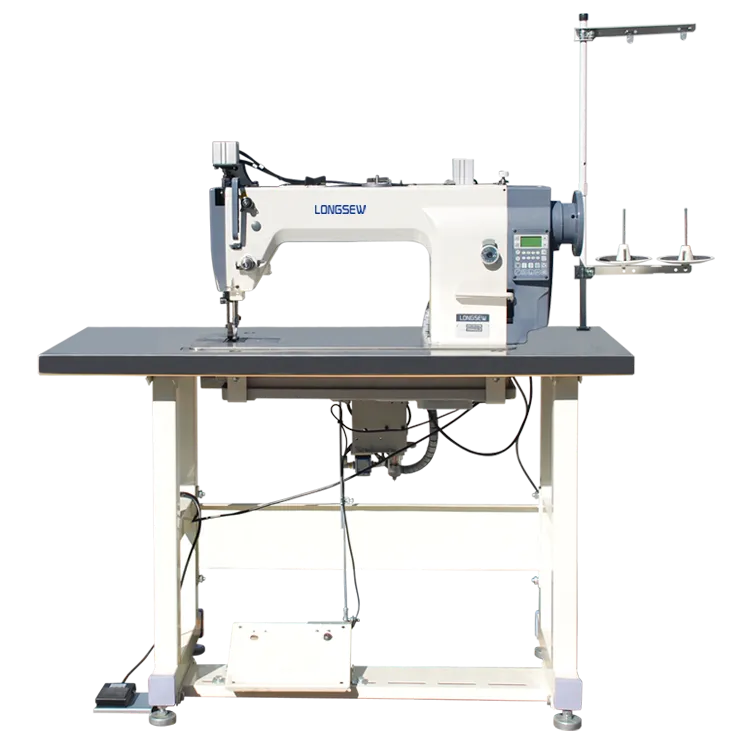
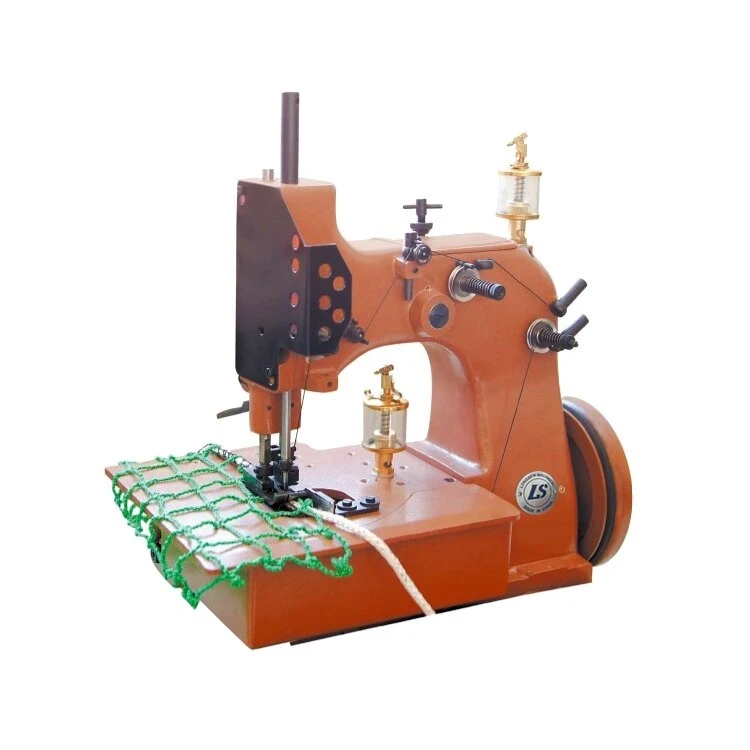
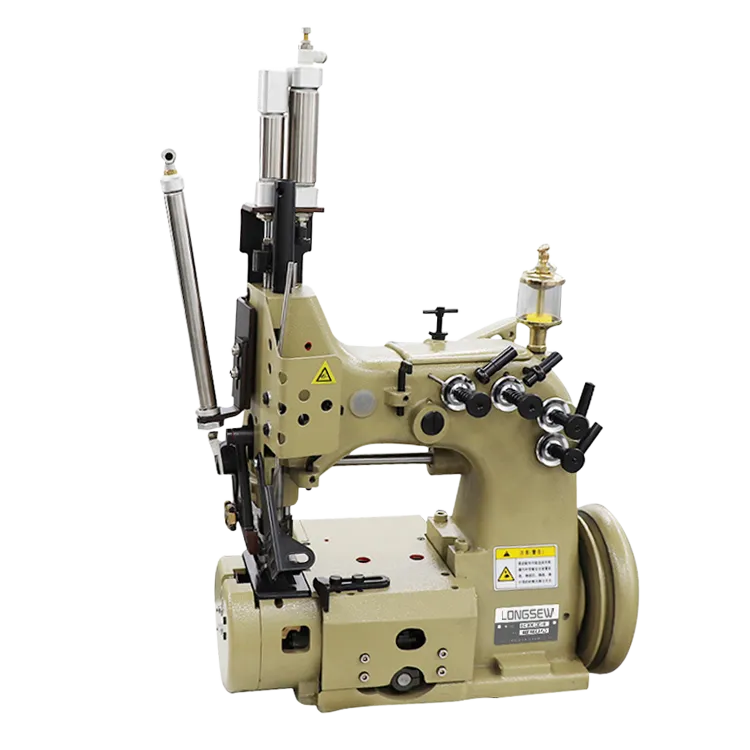
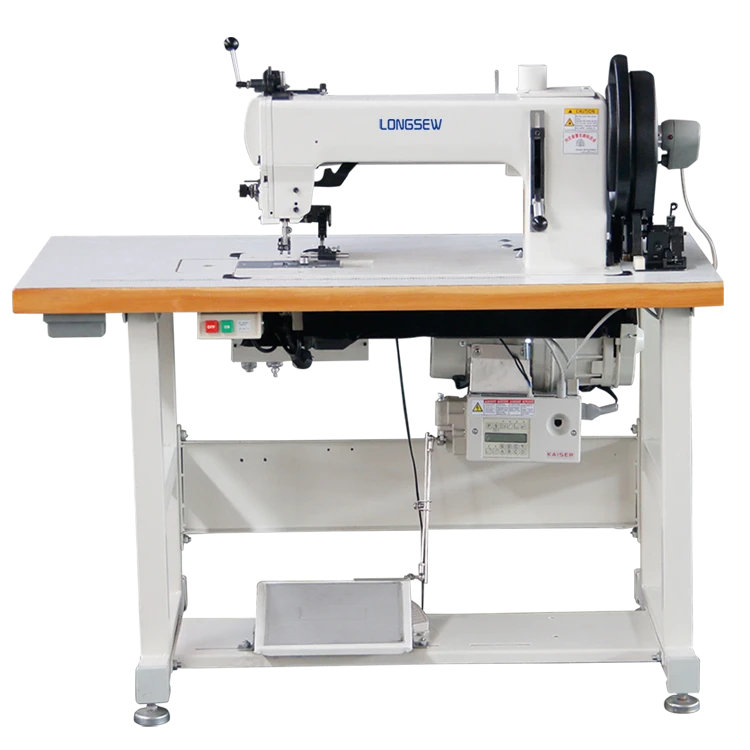
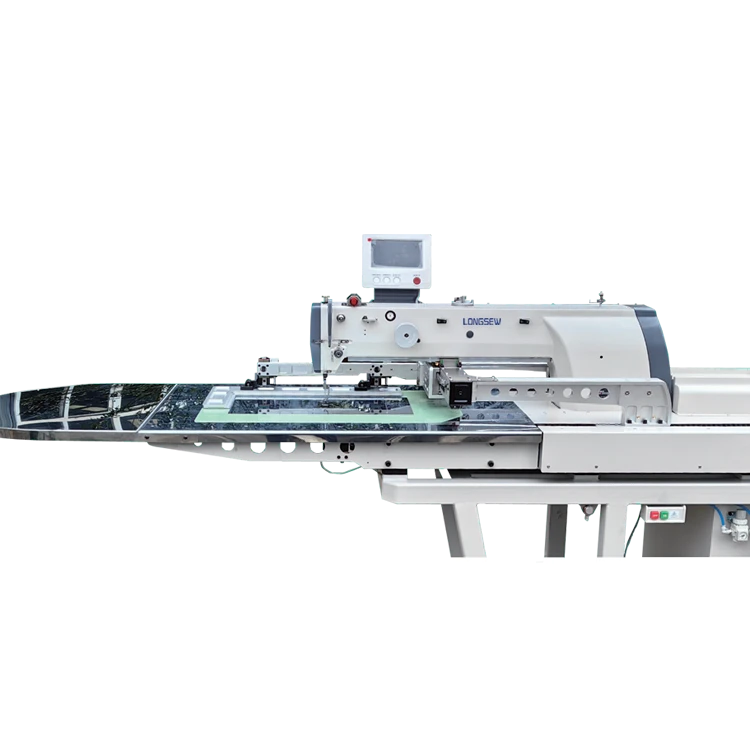
High-Performance jumbo bag sewing machine Solutions for Turkmenistan

Industrial-grade stitching technology engineered to optimize the bulk packaging efficiency of Turkmenistan's textile and chemical sectors.

Industrial Packaging Landscape in Turkmenistan

Analyzing the operational challenges and requirements of the local textile machinery sector.

Turkmenistan's strategic position and its vast natural gas and petrochemical resources have created a massive demand for heavy-duty packaging. The industry relies heavily on fibc sewing machine technology to package polymers, fertilizers, and minerals for export, where environmental extremes like high desert temperatures and dust can severely affect machine longevity.

Currently, many local factories operate with legacy equipment that lacks precision. The transition toward a more automated big bag sewing machine setup is critical for reducing labor costs and increasing the tensile strength of the seams, which is vital for the safe transport of heavy loads across the Caspian region.

Furthermore, the growth of the local cotton and jute processing industry has spiked the demand for a reliable 50 kg jute bag making machine. This diversification requires machinery that can handle varying fabric densities while maintaining high throughput to meet international export standards.
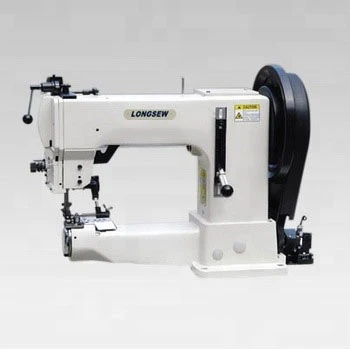
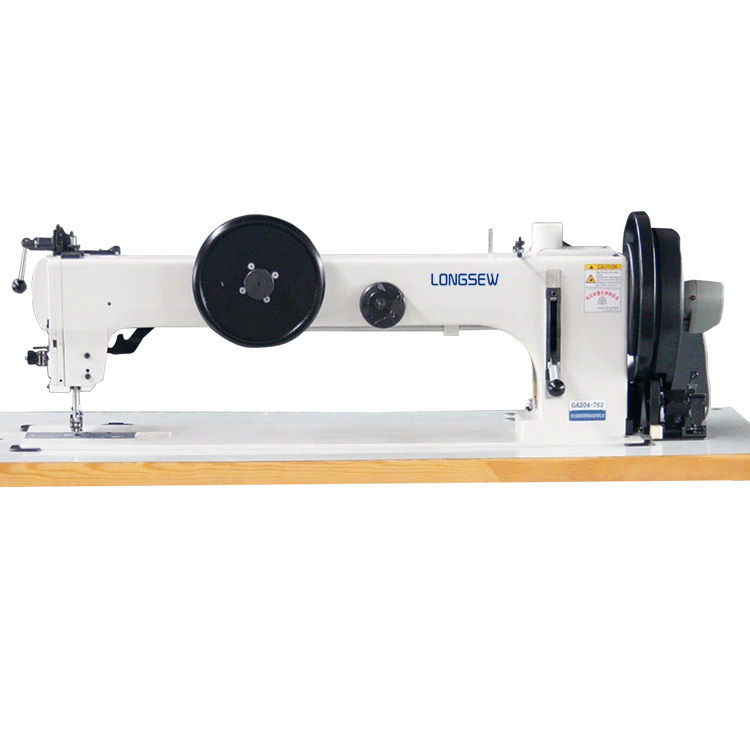
Technological Evolution of Bag Stitching

From manual labor to automated precision in bulk bag manufacturing.

Market Development History

In the early 2000s, the Turkmen packaging market relied primarily on manual handheld stitching tools. These traditional methods were slow and lacked the consistency required for the growing petrochemical export industry, leading to frequent bag failures during transit.

Between 2010 and 2020, there was a significant shift toward semi-automated jumbo bag stitching machine systems. This era introduced reinforced frames and improved lubrication systems, allowing factories to increase production capacity and improve the structural integrity of the FIBCs.

By 2023, the industry entered the era of "Smart Stitching," where programmable controllers and high-torque motors became standard. Modern machinery now incorporates sensors to detect thread breakage and automatically adjust tension based on fabric thickness.

Future Development Trends

Integration of IoT Monitoring

Future systems will likely incorporate remote diagnostics, allowing Turkmen operators to monitor machine health and schedule preventive maintenance to avoid costly downtime in remote industrial zones.

Sustainable Material Adaptation

As global regulations shift, machines are being redesigned to handle biodegradable polymers and recycled jute, requiring new needle geometries and specialized feed mechanisms.

High-Speed Precision Automation

The trend is moving toward fully integrated production lines where cutting and sewing are synchronized, reducing the human error associated with traditional bulk bag assembly.

Strategic Outlook for Turkmenistan Textile Machinery

Predicting the next 5 years of growth and technological adoption.

Automation Synergy
Increased adoption of robotic arms for bag positioning to maximize the efficiency of stitching cycles.
Energy Optimization
Transition to servo-motor driven systems to reduce electricity consumption in large-scale factories.
Durability Engineering
Development of heat-resistant alloys for components to withstand Turkmen summer peaks.
Quality Certification
Shift towards machines that provide digital logs of seam strength for ISO certification.

Industry Outlook

The trajectory for Turkmenistan is clear: a move away from generic machinery toward specialized solutions. Google search trends indicate a growing interest in "automated bulk bag production," suggesting that the local market is preparing for a jump in scalability to support the nation's expanding petrochemical exports.

We expect that within 3-5 years, the integration of AI-driven fabric tension control will become a competitive necessity, ensuring that every jumbo bag sewing machine can handle varying material grades without manual recalibration.

Local Application Scenarios in Turkmenistan

Real-world deployment of specialized sewing equipment across key industries.

01. Petrochemical Polymer Export

Utilizing heavy-duty FIBC machines to create 1000kg+ bags for transporting polyethylene granules from Turkmen plants to European markets, requiring maximum seam strength.

02. Agricultural Urea & Fertilizer Packaging

Deploying specialized stitching units that resist the corrosive nature of chemical fertilizers, ensuring bags remain sealed during long-haul transit.

03. Cotton & Natural Fiber Processing

Applying 50 kg jute bag making machine technology for the packaging of raw cotton fibers, optimizing the speed of the seasonal harvest rush.

04. Mining & Mineral Transport

Implementation of reinforced big bag machines for the extraction and transport of industrial minerals, focusing on abrasion-resistant sewing threads.

05. Construction Material Bulk Bags

Customized stitching solutions for cement and gravel bulk bags used in Turkmenistan's infrastructure development projects.

Brand Story

Global Development History of Hebei Longsew Machinery Technology Co., Ltd.

Engineering Foundations

Founded with a mission to solve the fragility of bulk bag seams, we began by innovating the core mechanical drive of industrial sewing machines.

Technological Breakthroughs

We pioneered the integration of high-torque servo motors into bag-closing equipment, significantly reducing energy waste and increasing stitch precision.

Global Expansion

Expanding beyond domestic borders, we tailored our equipment for the harsh climates of Central Asia, ensuring reliability in extreme heat and dust.

Quality Standardization

Achieved international certifications by implementing rigorous stress-testing protocols for every machine leaving our facility.

Future-Ready Vision

Today, we focus on the intersection of sustainability and automation, helping global partners transition to eco-friendly packaging solutions.

Turkmenistan Industrial Sewing FAQ

Expert answers to common technical queries from our local partners.

How does the dust in Turkmenistan affect a jumbo bag sewing machine?

Dust can cause premature wear on moving parts. Our machines feature sealed bearing systems and reinforced lubrication channels specifically designed for arid, dusty environments to ensure longevity.

Can a 50 kg jute bag making machine handle recycled fibers?

Yes, our equipment allows for adjustable tension and feed settings, making it compatible with various grades of recycled jute and polypropylene fibers without sacrificing stitch quality.

What is the ideal thread type for a jumbo bag stitching machine in the oil sector?

For petrochemical applications, we recommend high-tenacity bonded polyester threads that offer UV resistance and chemical stability to prevent seam degradation.

How to maintain a fibc sewing machine during extreme summer heat?

We suggest using high-viscosity heat-resistant lubricants and ensuring the machine is placed in a ventilated area. Our cooling-fan integrated motors help prevent overheating during peak summer.

Does the big bag sewing machine come with automatic thread cutting?

Yes, our advanced models feature an automatic trimming system that reduces waste and increases the speed of the closing process by approximately 15%.

What is the average lifespan of a heavy-duty stitching unit in a 24/7 factory?

With our recommended maintenance schedule, the structural frame lasts indefinitely, while core wearing parts are designed for 5,000+ hours of continuous operation before needing replacement.

Request a Technical Consultation

Our engineers are ready to help you optimize your production line in Turkmenistan with the world's most durable stitching technology.

Contact Us Now

If you are interested in our products, you can choose to leave your information here, and we will be in touch with you shortly.