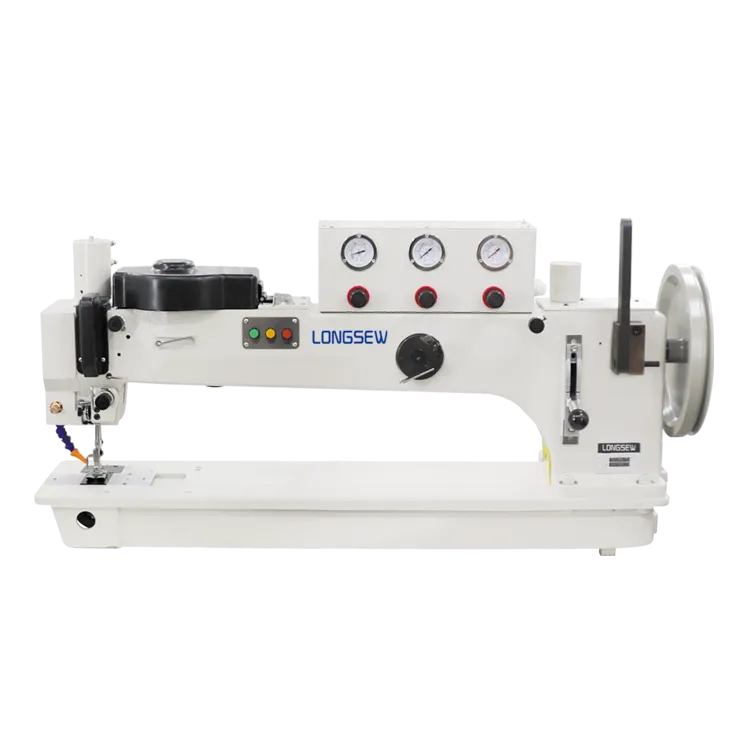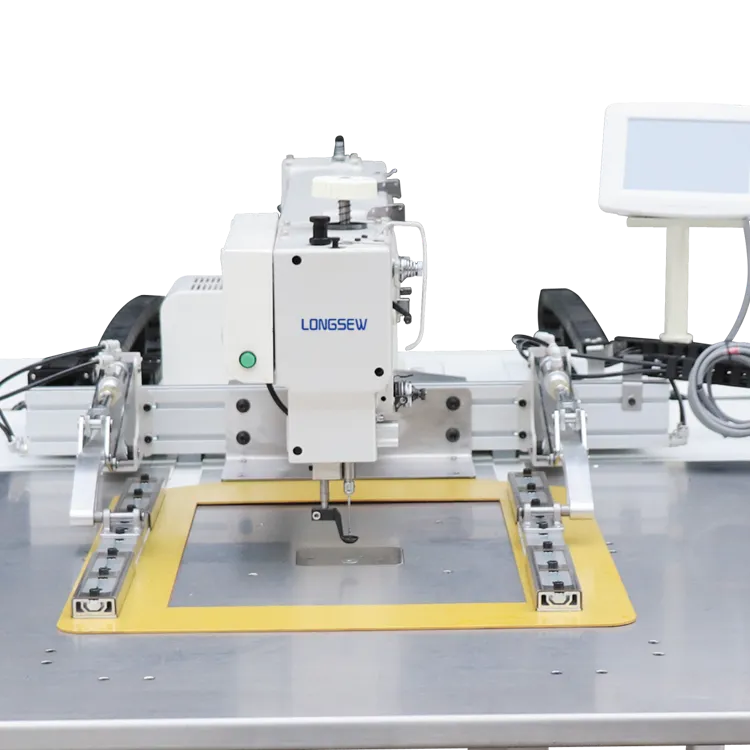
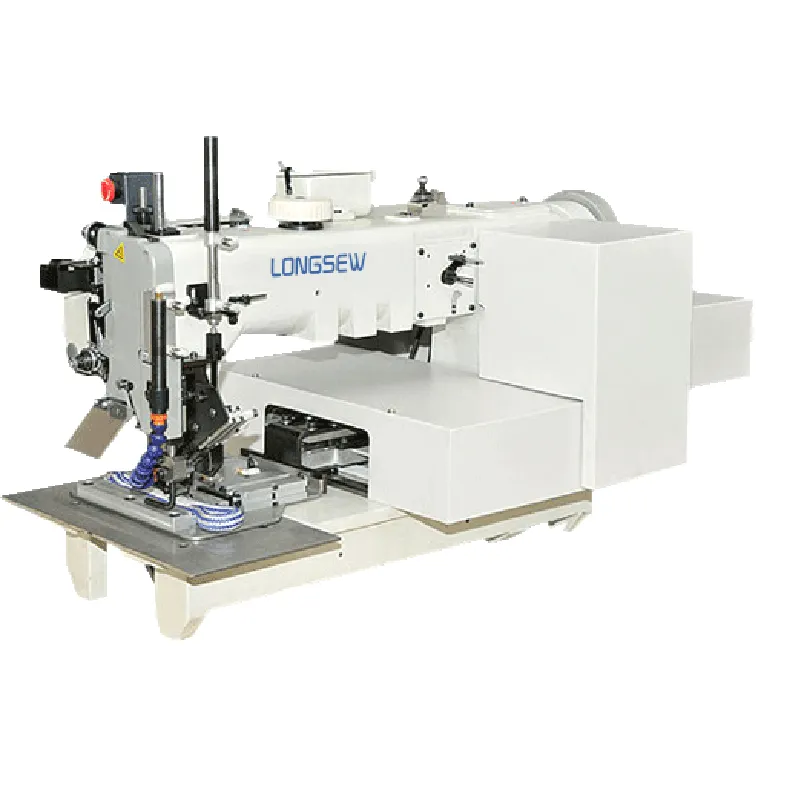
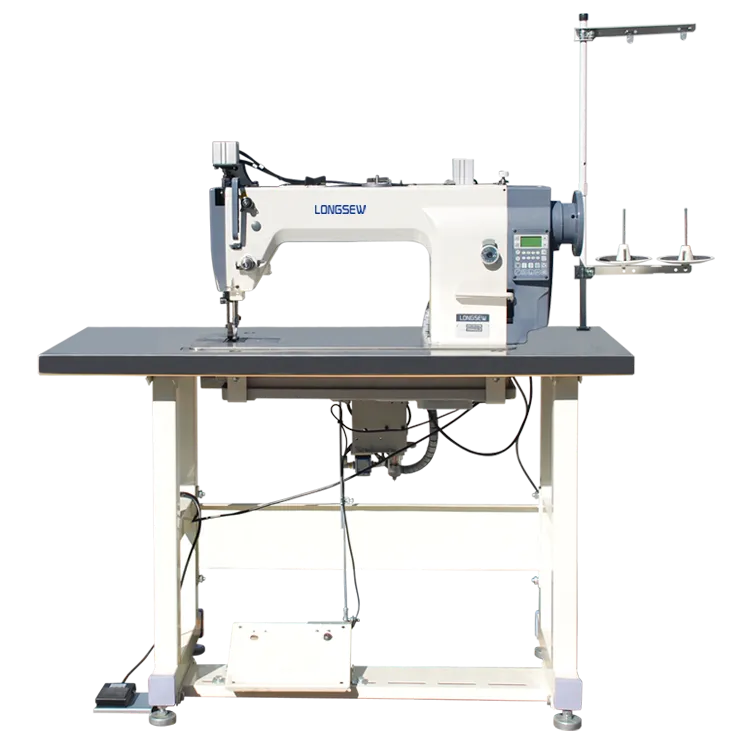
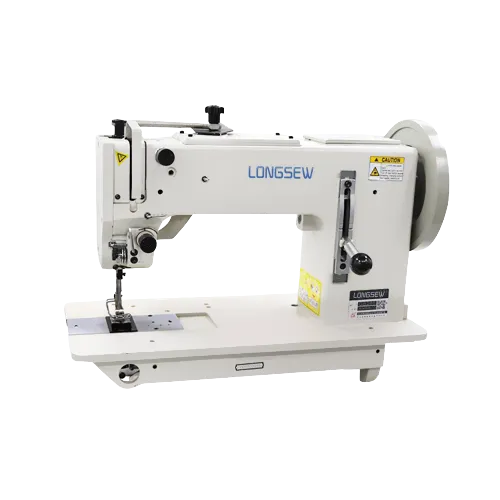
High-Performance jumbo bag sewing machine Solutions for the Netherlands Market

Engineering precision stitching for heavy-duty industrial packaging, optimizing logistics and agricultural supply chains across the Dutch textile landscape.

Industrial Bag Closing Status in the Netherlands

Analysis of the Dutch heavy-duty packaging machinery landscape

The Netherlands, serving as the "Gateway to Europe" with the Port of Rotterdam, relies heavily on bulk logistics. The demand for a reliable fibc sewing machine is driven by the massive volume of chemicals, minerals, and agricultural products passing through Dutch hubs, requiring standardized, high-strength packaging.

Due to strict EU environmental regulations and labor costs in the Netherlands, there is a significant shift towards automated big bag sewing machine systems. Dutch manufacturers are prioritizing energy-efficient motors and ergonomic designs to maintain high productivity while adhering to strict workplace safety standards.

Currently, the market sees a dual requirement: high-capacity jumbo bag stitching machine units for large-scale FIBC production and specialized 50 kg jute bag making machine setups for the specialized seed and organic fertilizer sectors prevalent in the Dutch countryside.
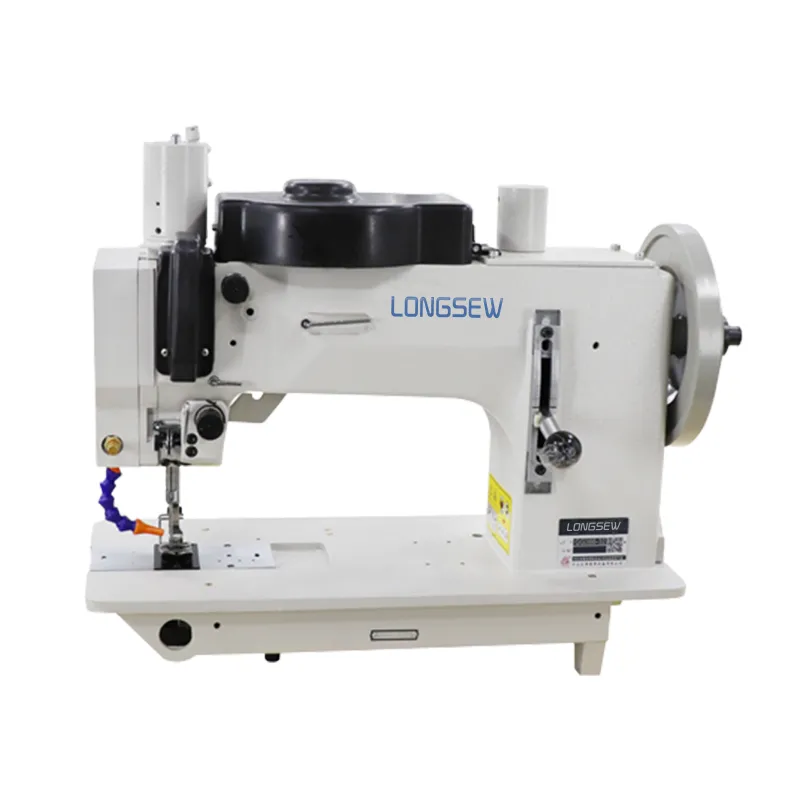
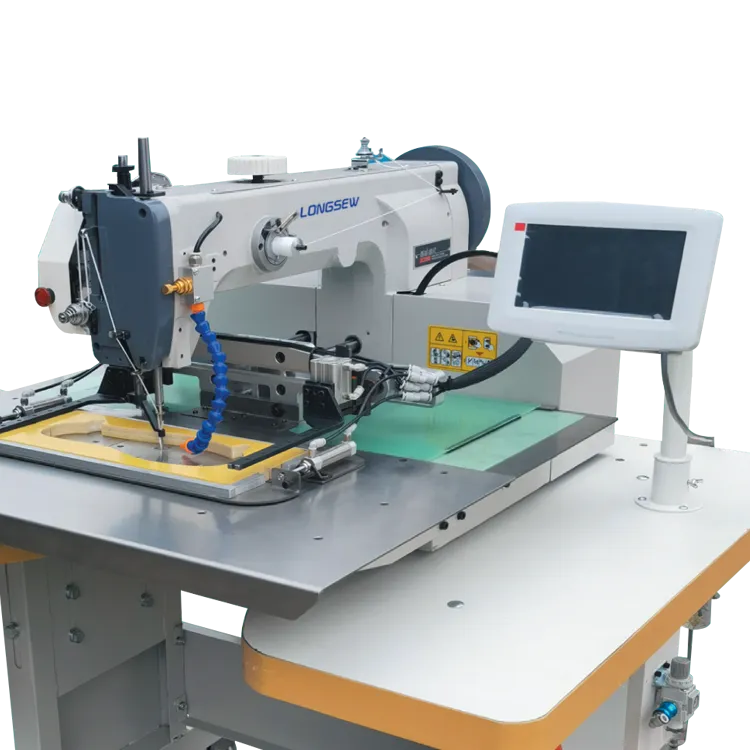
Technological Evolution of Bag Closing Machinery

From manual handhelds to fully integrated automated stitching lines

Market Development History

In the early 2000s, the Dutch textile industry relied primarily on mechanical handheld closing machines. These were sufficient for low-volume output but lacked the consistency required for the growing FIBC export market.

Between 2010 and 2018, the integration of servo-motor technology revolutionized the jumbo bag sewing machine. This period marked a transition toward programmable stitch lengths and improved tension control, reducing material waste in Dutch factories.

From 2019 to the present, the focus has shifted toward "Industry 4.0." Modern systems now incorporate IoT sensors to monitor thread breakage and seam integrity in real-time, aligning with the Netherlands' leadership in smart logistics.

Future Development Trends

AI-Driven Tension Adjustment

Future machines will utilize machine learning to automatically adjust stitch tension based on the fabric density of the jumbo bag, eliminating manual calibration.

Sustainable Material Compatibility

With the EU's Green Deal, machinery is being redesigned to handle biodegradable and recycled polypropylene threads without compromising seam strength.

Modular Automation Integration

We anticipate a rise in robotic arms integrating with stitching units to create fully unmanned closing lines for high-volume industrial bagging.

Industry Trends and Future Outlook

Strategic forecasting for the textile machinery sector in the Netherlands

Eco-Friendly Engineering
Transitioning to low-energy consumption motors to meet Dutch carbon neutrality goals.
Digital Quality Control
Implementing digital seam monitoring to reduce failure rates in bulk shipping.
Hyper-Automation
Shifting from semi-automatic to fully autonomous stitching lines for FIBCs.
Material Diversification
Developing specialized needles and feeds for reinforced composite fabrics.

Industry Outlook

The Dutch market is moving toward a lean manufacturing model. Future search trends indicate a surge in demand for "smart" stitching solutions that can be integrated into existing ERP systems to track production yields per machine.

As the Netherlands continues to optimize its logistical role in Europe, the focus will remain on machines that offer the highest "stitching-per-hour" ratio without increasing the carbon footprint, pushing the industry toward high-efficiency electric drives.

Localized Application Scenarios in the Netherlands

Real-world deployment of professional bag closing technology

1. Port of Rotterdam Bulk Logistics

Utilizing a high-speed jumbo bag stitching machine for the rapid closing of heavy-duty FIBCs used in international chemical exports, ensuring leak-proof seams for maritime transport.

2. Dutch Agricultural Seed Packaging

Implementation of the 50 kg jute bag making machine for organic seed producers in Gelderland, providing breathable yet secure packaging for high-value seeds.

3. Greenhouse Fertilizer Production

Deployment of a big bag sewing machine in automated filling lines for specialized hydroponic nutrients, balancing speed with precise stitch density.

4. Waste-to-Energy Bio-mass Bagging

Using an industrial fibc sewing machine to secure bulk biomass pellets, designed to withstand the abrasive nature of recycled organic materials.

5. Specialized Food Grade Packaging

Integration of stainless-steel components in stitching machinery to meet Dutch food safety standards (HACCP) for bulk flour and grain bagging.

Brand Story

Global Development Journey of Hebei Longsew Machinery Technology Co., Ltd.

Foundation and Focus

Established with a mission to solve the common problem of seam failure in bulk packaging, Longsew began by perfecting the heavy-duty stitch architecture.

Technological Breakthrough

Developed a proprietary synchronization system that prevents thread bunching, significantly increasing the lifespan of needles in high-friction materials.

European Market Entry

Expanded into the European market, tailoring equipment to meet CE standards and the high precision requirements of Dutch and German manufacturers.

Innovation in Automation

Launched the next generation of smart-stitching interfaces, allowing operators to switch between different bag specifications with a single touch.

Commitment to Sustainability

Now leading the industry in developing energy-efficient machinery that supports the circular economy through recyclable material compatibility.

Frequently Asked Questions for Dutch Manufacturers

Expert answers to technical and operational queries

How do I choose the right fibc sewing machine for heavy chemical bags?

For chemical bags, you need a machine with a reinforced hook and high-tensile thread compatibility. We recommend our industrial-grade series that ensures a secure, leak-proof seal suitable for the rigorous safety standards in the Netherlands.

Is the jumbo bag sewing machine compatible with recycled PP fabrics?

Yes, our machines are designed with adjustable feed dogs and tensioners specifically to handle the varying thickness and texture of recycled polypropylene fabrics, supporting sustainable manufacturing.

What is the maintenance cycle for a big bag sewing machine in high-volume plants?

For 24/7 operations, we recommend daily lubrication of the moving parts and a weekly inspection of the needle and looper. Our modular design allows for rapid part replacement to minimize downtime.

Can a 50 kg jute bag making machine be integrated into an existing conveyor line?

Absolutely. Our machines feature standardized mounting brackets and PLC interfaces that allow for seamless integration with most Dutch conveyor and filling systems.

What makes a professional jumbo bag stitching machine better than a standard sewing machine?

Professional machines utilize a chain-stitch pattern that provides superior elasticity and strength, essential for bags carrying 500kg to 2000kg, where a standard lock-stitch would likely snap.

Does your equipment comply with EU CE safety certifications?

Yes, all our exported machinery to the Netherlands is fully CE certified, featuring emergency stop buttons, finger guards, and electrical shielding to ensure a safe working environment.

Optimize Your Bagging Production Today

Our technical experts are ready to provide customized machinery configurations for your facility in the Netherlands.

Contact Us Now

If you are interested in our products, you can choose to leave your information here, and we will be in touch with you shortly.