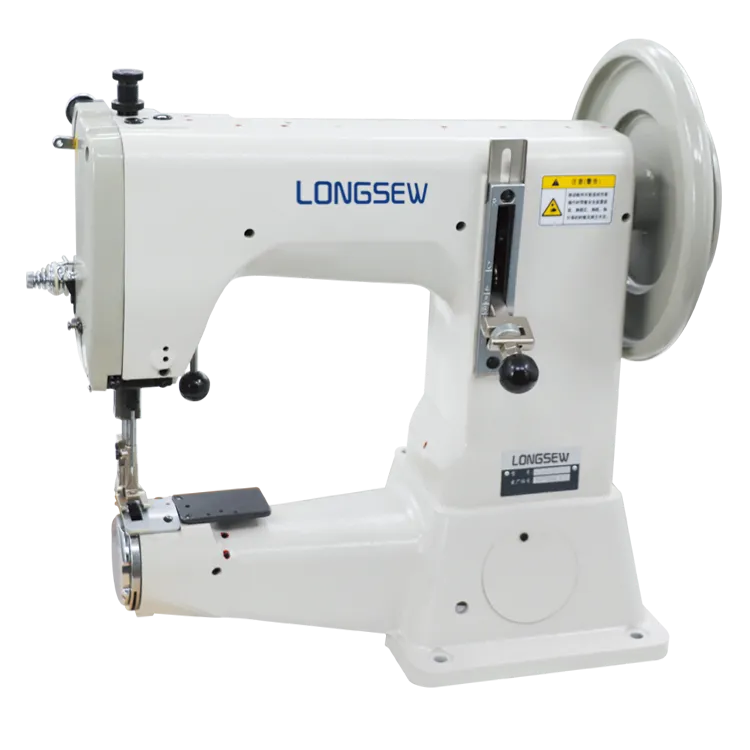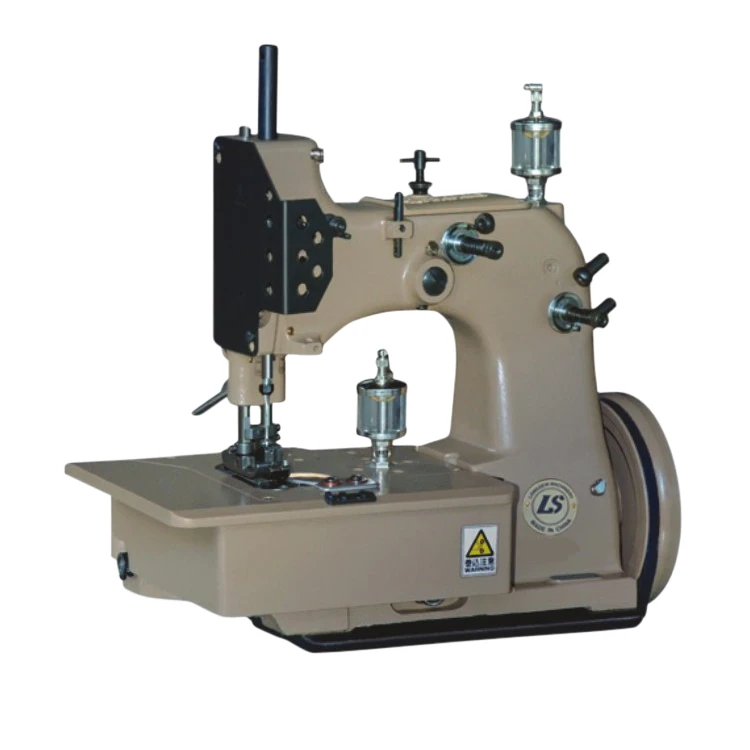
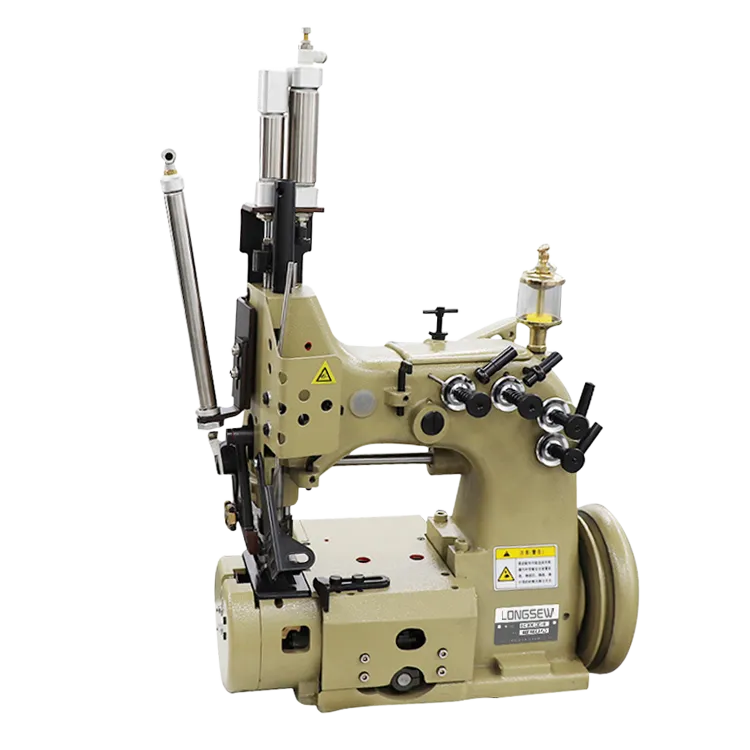
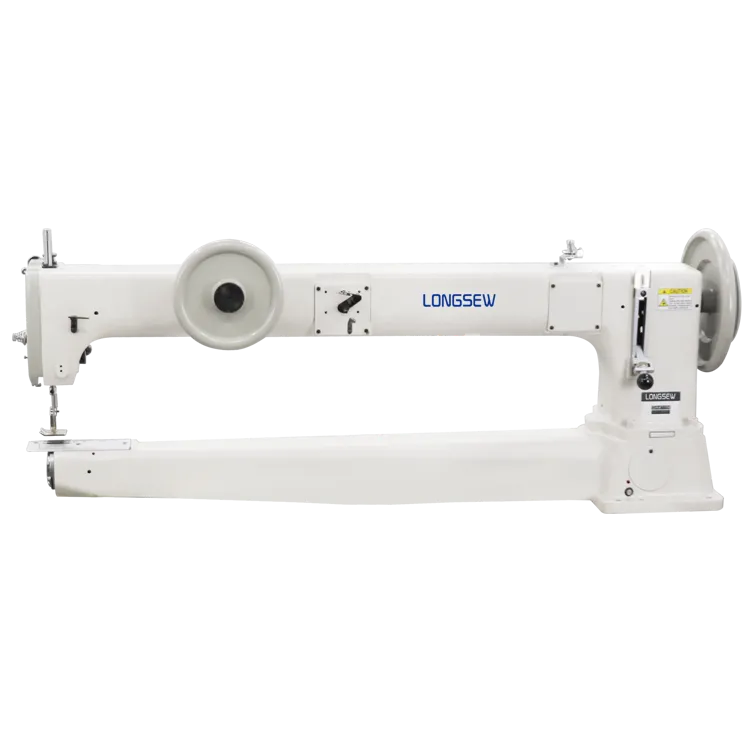
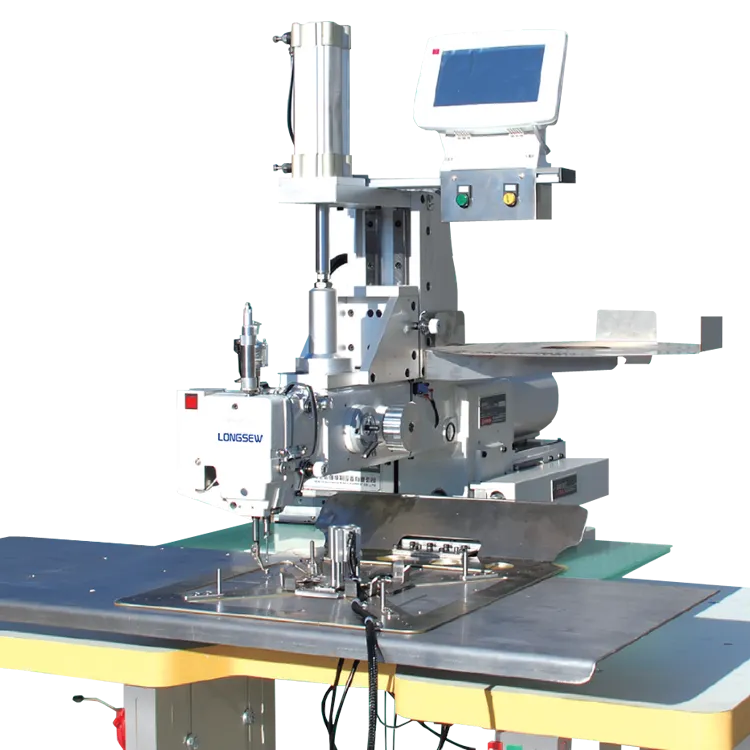
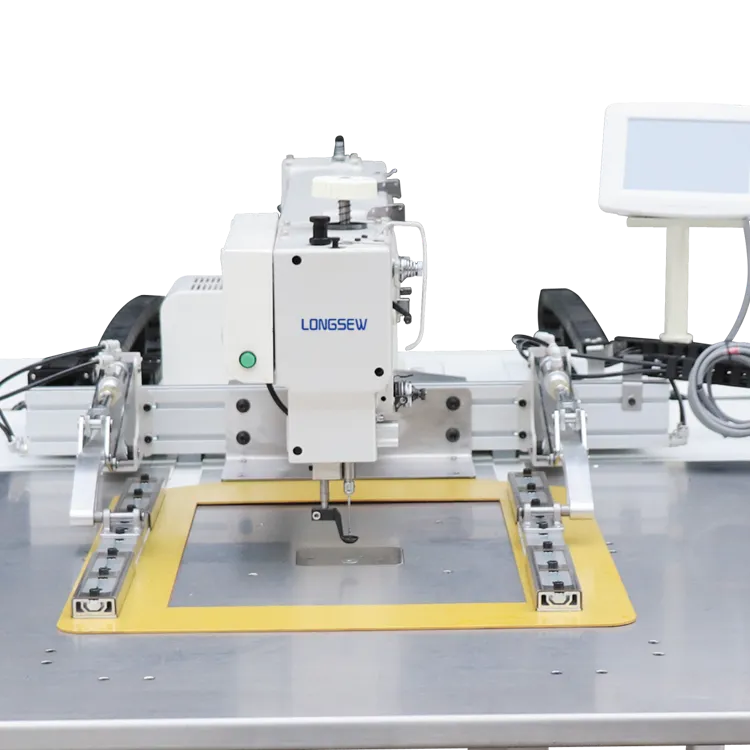
High-Efficiency jumbo bag sewing machine Solutions for Vietnam's Textile Hubs

Precision engineering designed to elevate the productivity of FIBC and industrial bag manufacturing across Vietnam's growing industrial zones.

The Current State of Industrial Bag Production in Vietnam

Analyzing the synergy between agricultural exports and packaging machinery.

Vietnam has emerged as a global powerhouse for textile and packaging manufacturing, driven by its strategic location and thriving agricultural sector. The demand for a reliable fibc sewing machine has surged as the country expands its exports of coffee, rice, and pepper, which require high-capacity bulk bags for international shipping.

However, many local workshops still struggle with high humidity levels and dust-heavy environments, which accelerate the wear and tear of standard equipment. This has created a critical need for a specialized jumbo bag stitching machine that can withstand tropical climates while maintaining precise tension and stitch consistency.

Currently, the market is shifting from manual labor-intensive processes to semi-automated lines. The integration of a professional big bag sewing machine is no longer a luxury but a necessity for Vietnamese factories aiming to meet the strict quality certifications of EU and US importers.
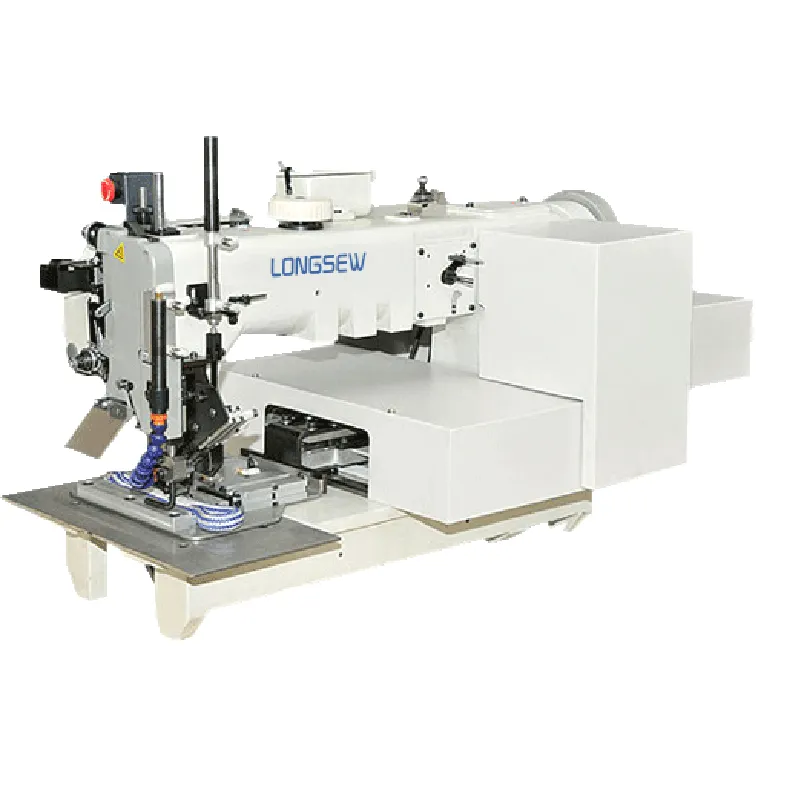
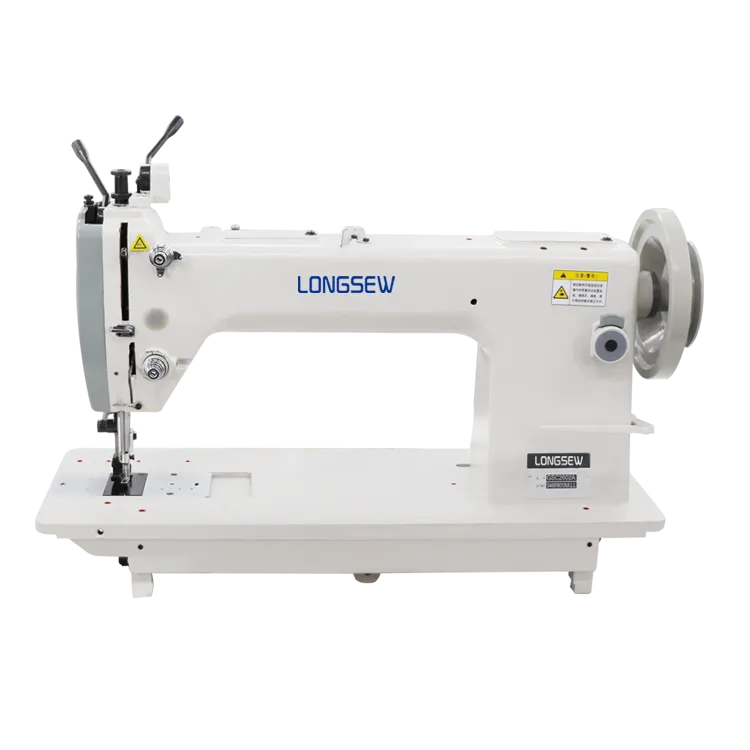
Evolution of Bag Making Technology in Vietnam

From traditional hand-stitching to intelligent automated systems.

Market Development History

In the early 2000s, Vietnam's packaging industry relied heavily on imported second-hand machinery and basic manual stitching. Most 50 kg jute bag making machine operations were fragmented, focusing on low-value domestic markets with minimal quality control.

Between 2010 and 2020, the "Industrialization Wave" hit the textile sector. Factories began adopting computerized controls, moving toward dedicated fibc sewing machine setups. This period marked the transition from simple closures to complex, multi-loop lifting strap attachments.

By 2023, the focus shifted toward "Smart Manufacturing." The current era emphasizes energy efficiency and modular design, where a jumbo bag sewing machine is integrated into a full production line with automatic cutting and folding systems.

Future Development Trends

IoT-Enabled Predictive Maintenance

Integrating sensors into the jumbo bag stitching machine to monitor needle heat and thread tension in real-time, reducing downtime in high-volume Vietnamese plants.

Sustainable Material Compatibility

Development of machinery capable of handling biodegradable polymers and recycled PP fabrics without compromising the seam integrity of the big bag sewing machine.

High-Speed Precision Automation

Moving toward fully robotic cells for the 50 kg jute bag making machine process to eliminate human error and increase output per square meter of factory space.

Industry Outlook and Technological Forecast

Strategizing for the next 5 years of industrial packaging in Southeast Asia.

Automated Tension Control
Implementing AI-driven tensioners to ensure every stitch on the FIBC is uniform regardless of fabric thickness.
Energy-Saving Servo Motors
Reducing operational costs for Vietnamese factories through high-efficiency motors that only consume power during stitching.
Ergonomic Workspace Design
Optimizing the layout of stitching stations to reduce operator fatigue and increase long-term productivity.
Anti-Corrosion Engineering
Using advanced alloys and coatings to protect machinery from Vietnam's coastal salinity and humidity.

Industry Outlook

Google search trends indicate a growing interest in "automated bulk bag production" and "industrial sewing efficiency" within the Asia-Pacific region. Vietnam is poised to become the primary hub for high-spec FIBC manufacturing as companies move production away from other higher-cost regions.

The future will likely see a convergence of hardware and software, where the jumbo bag sewing machine communicates directly with ERP systems to track output and material waste, enabling a truly lean manufacturing environment.

Localized Application Scenarios in Vietnam

Real-world implementations across diverse Vietnamese industrial sectors.

1. Agricultural Export Packaging in the Mekong Delta

Utilizing high-speed jumbo bag sewing machine units to secure 1-ton bags of rice and coffee for export to Europe, ensuring zero leakage during sea transit.

2. Chemical and Fertilizer Bagging in Ho Chi Minh City

Deploying heavy-duty fibc sewing machine configurations designed to handle reinforced fabrics used for caustic chemical powders.

3. Jute Bag Production for Animal Feed in Hanoi

Implementation of the 50 kg jute bag making machine to create breathable, durable packaging for domestic livestock feed distribution.

4. Construction Material Bags in Da Nang

Using the big bag sewing machine to produce oversized bags for sand, gravel, and debris removal in urban infrastructure projects.

5. Specialized Mining Ore Packaging in the Central Highlands

Integrating a jumbo bag stitching machine into rugged, mobile units to close bags on-site at mineral extraction points.

Brand Story

Global Development Journey of Hebei Longsew Machinery Technology Co., Ltd.

Founding Vision

Longsew was founded with a mission to solve the common failures of industrial stitching: thread breakage and inconsistent seam strength in heavy-duty fabrics.

Technical Breakthrough

We pioneered a new feeding mechanism that prevents fabric slipping, specifically optimizing the performance of the jumbo bag sewing machine.

Global Expansion

Expanding into the Southeast Asian market, we tailored our machines to survive high-humidity environments, making us a preferred partner in Vietnam.

Innovation Center

Establishing an R&D center focused on "Green Stitching," reducing energy consumption by 30% across all our industrial sewing lines.

Industry Leadership

Today, Longsew stands as a beacon of reliability, providing the backbone for thousands of FIBC and jute bag factories worldwide.

Vietnam Industrial Sewing FAQ

Expert answers to the most common technical queries from our local clients.

How do I choose the right fibc sewing machine for heavy-duty PP fabric?

You should prioritize machines with high-torque motors and adjustable feed dogs that can handle fabric thicknesses up to 4mm without stalling.

What is the average lifespan of a jumbo bag sewing machine in humid climates?

With our anti-corrosion treatment and regular lubrication, our machines typically last 8-10 years even in coastal Vietnamese provinces.

Can a 50 kg jute bag making machine be modified for other natural fibers?

Yes, by adjusting the needle type and thread tension, the machine can be adapted for hemp or organic cotton bags.

What are the maintenance requirements for a big bag sewing machine?

Daily cleaning of lint from the bobbin area and weekly lubrication of the main shaft are essential to prevent overheating.

Does the jumbo bag stitching machine support automatic thread trimming?

Our premium models feature an electronic thread cutter that significantly increases speed by removing manual trimming steps.

How do I calibrate the stitch length for FIBC certification?

Use the digital control panel to set a consistent stitch length (typically 3-6mm) and perform a pull-test to verify the seam strength.

Optimize Your Production Line Today

Contact our technical consultants to find the perfect equipment for your facility in Vietnam.

Contact Us Now

If you are interested in our products, you can choose to leave your information here, and we will be in touch with you shortly.