

Jan . 27, 2026 17:35
Back to list
Comprehensive Guide to Leather Upholstery Machine Selection and Maintenance
Leather Upholstery Machine: A Comprehensive Guide
The demand for high-quality leather upholstery is consistently strong, driving the need for efficient and reliable leather upholstery machines. Whether you’re crafting furniture, automotive interiors, or bespoke leather goods, selecting the right machine is paramount. This article delves into the world of leather upholstery machines, covering different types, key features, and considerations for choosing the perfect machine for your needs. We will explore how investing in the right technology can optimize your production process and enhance the quality of your finished products.
Understanding Different Types of Leather Upholstery Machines
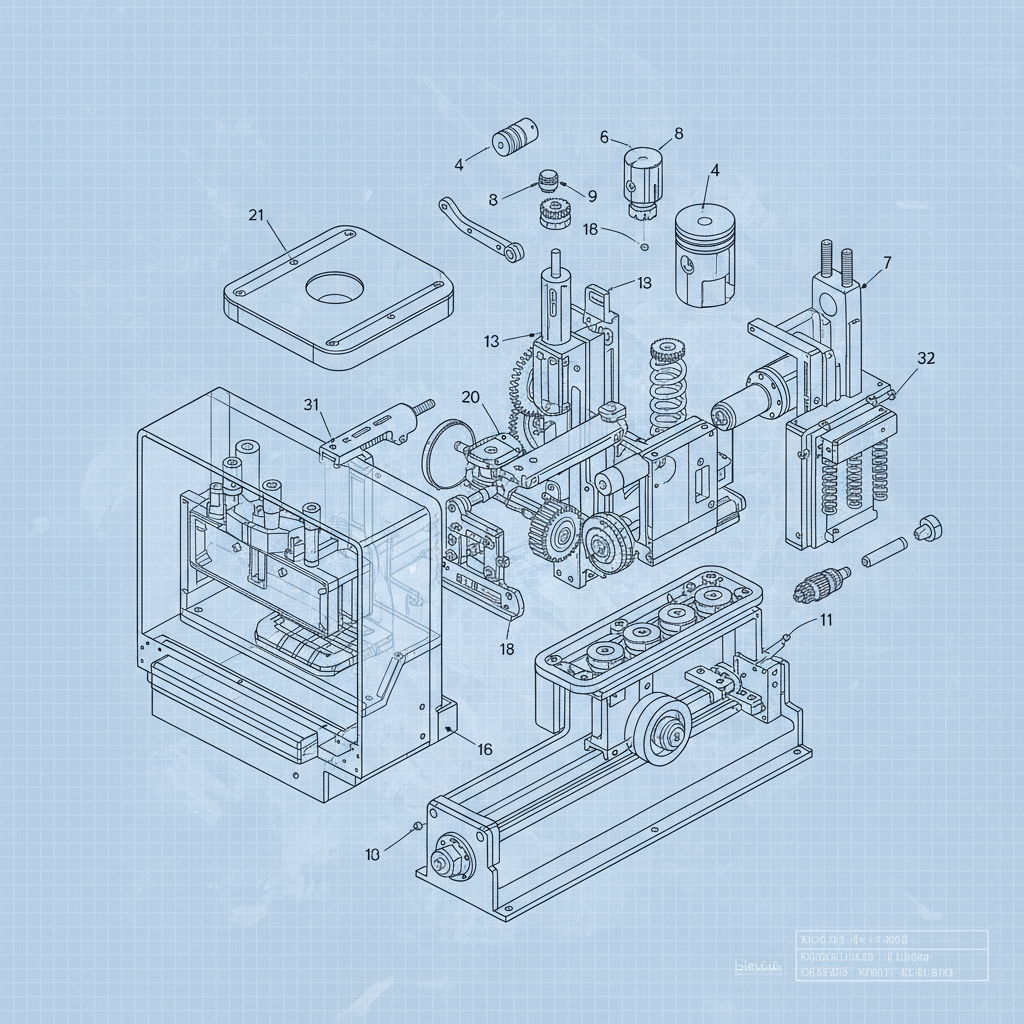
Leather upholstery machines aren't a 'one-size-fits-all' solution. Several types cater to specific tasks and production volumes. These include: Industrial Sewing Machines designed specifically for heavy-duty leather, Skiving Machines used to thin leather edges for seamless joining, Cutting Machines ensuring precise shapes and minimizing waste, and Pattern Making Machines for creating templates. Each type plays a crucial role in the upholstery process. Selecting a machine that aligns with your production needs will significantly improve efficiency and quality. Furthermore, computer-controlled machines offer increased precision and repeatability, ideal for large-scale production. Explore the range of solutions available at Longsew to find the perfect fit for your workshop.
Key Takeaway: A variety of specialized machines are available, each optimized for a specific stage of the leather upholstery process. Understanding these distinctions is crucial for informed decision-making.
Key Features to Consider When Purchasing a Leather Upholstery Machine
When investing in a leather upholstery machine, several features deserve careful consideration. These include the machine's motor power (critical for handling thick leather), the stitching capacity (maximum leather thickness it can sew through), the feed mechanism (influences stitch quality and control), and the presence of automatic features like thread trimming and needle positioning. A robust construction and reliable components are also essential for longevity and minimal downtime. Don't overlook the availability of spare parts and technical support. Machines with adjustable presser feet and stitch length provide greater versatility. Exploring the options at Longsew's website will showcase a range of machines with different feature sets.
Essential Features Checklist:
• Motor Power
• Stitching Capacity
• Feed Mechanism
• Automatic Features
Leather Upholstery Machine Comparison
Choosing the right machine involves comparing different models and manufacturers. Here’s a simplified comparison table to highlight key differences. Remember that specific models within each category will vary, so detailed research is crucial.
The Role of Automation in Modern Leather Upholstery
Automation is increasingly prevalent in leather upholstery, with CNC cutting machines and computer-controlled sewing machines offering significant advantages. These machines provide greater precision, faster production speeds, and reduced material waste. While the initial investment may be higher, the long-term benefits – including increased efficiency and improved quality – often outweigh the costs. Automated systems also minimize operator fatigue and the risk of errors. Longsew offers a range of automated solutions designed to streamline your upholstery workflow.
Maintaining Your Leather Upholstery Machine for Longevity
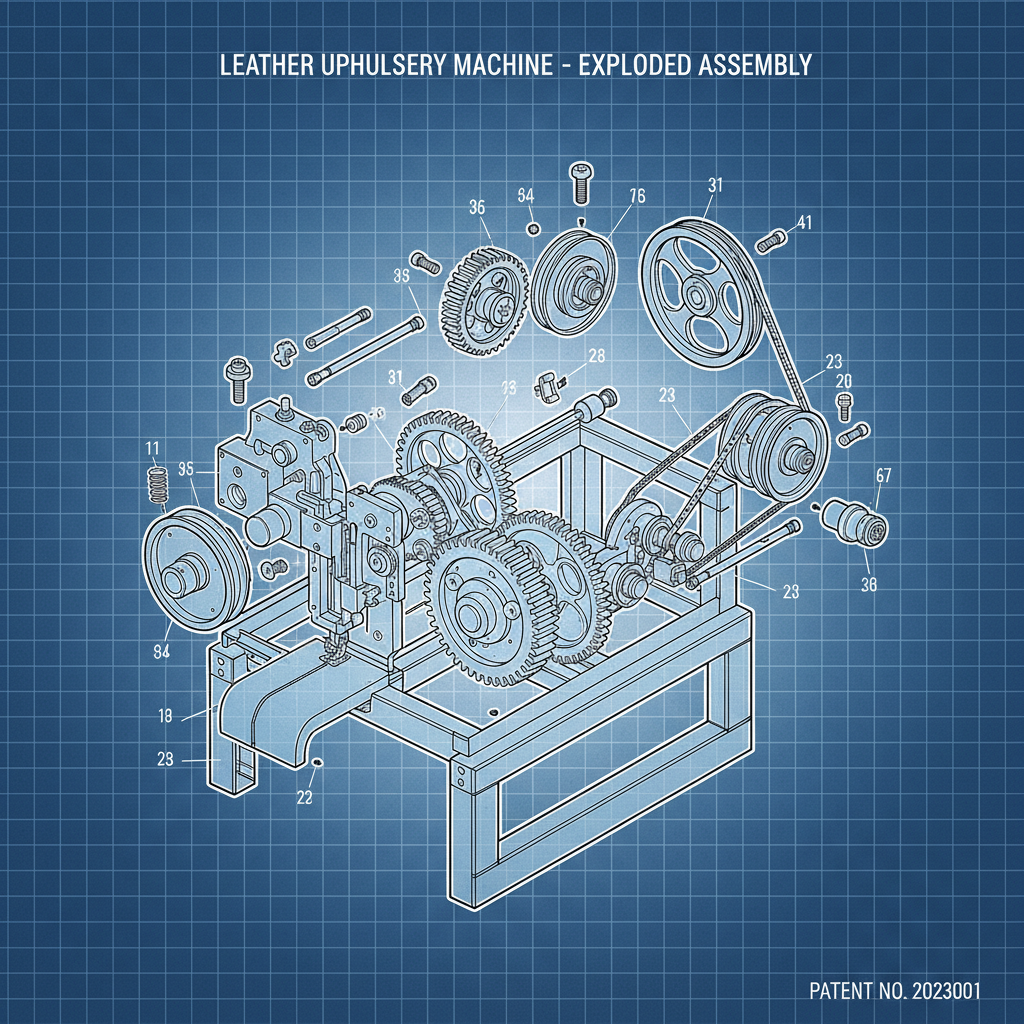
Regular maintenance is vital for ensuring the longevity and optimal performance of your leather upholstery machine. This includes regular cleaning, lubrication, and inspection for worn parts. Following the manufacturer's recommended maintenance schedule is crucial. Pay close attention to the needle, presser foot, and feed dog, replacing them when necessary. Properly tensioning the thread and keeping the machine free of leather scraps and dust will also prevent issues. Investing in preventative maintenance will minimize downtime and costly repairs. Contact Longsew's support team for expert advice and maintenance services.
Conclusion: Empowering Your Leather Upholstery Business
Selecting the right leather upholstery machine is a critical decision for any business involved in leatherworking. By carefully considering your needs, researching different options, and prioritizing quality and reliability, you can equip your workshop with the tools necessary to produce exceptional results. Invest in technology that empowers your creativity, enhances your efficiency, and ensures the longevity of your business.
Frequently Asked Questions (FAQs)
What type of machine is best for small-scale leather upholstery projects?
For small-scale projects or hobbyists, a versatile industrial sewing machine coupled with a manual cutting tool and a hand-held skiving knife can be an excellent starting point. These options are relatively affordable and provide sufficient control for intricate work. As your business grows, you can then invest in more specialized and automated equipment. It’s important to prioritize a robust sewing machine capable of handling the thickness and density of leather. Consider a machine with adjustable presser feet and stitch length for increased versatility.
How much does a good leather upholstery machine cost?
The cost of a leather upholstery machine can vary significantly based on its type, features, and automation level. Basic industrial sewing machines can start around $800, while more advanced models with automatic features can easily exceed $5,000. Skiving machines typically range from $500 to $3,000, and cutting machines can cost anywhere from $300 to $2,000+. Investing in a quality machine from a reputable manufacturer like Longsew is essential, even if it requires a higher upfront investment.
What are the key maintenance tasks for a leather upholstery machine?
Regular maintenance includes cleaning the machine to remove leather scraps and dust, lubricating moving parts, and inspecting and replacing worn components like needles, presser feet, and feed dogs. Regularly oiling the machine helps prevent friction and ensures smooth operation. Refer to the manufacturer's manual for specific maintenance recommendations. Ignoring maintenance can lead to breakdowns, reduced performance, and costly repairs.
Previous:
Latest news
-
Industrial Bag Sewing Machine Price and Comprehensive Buying GuideNewsApr.16,2026
-
Industrial Hand Held Bag Closer for Efficient Packaging SealingNewsApr.16,2026
-
Industrial Hand Held Bag Closer Sewing Machine for PackagingNewsApr.16,2026
-
Efficient Industrial Bag Closer Sewing Machine for PackagingNewsApr.16,2026
-
Industrial Sewing Guide for Choosing the Right Closer MachineNewsApr.16,2026
-
Guide to Capital Bag Closer Machine Price and Buying FactorsNewsApr.16,2026
-
Say goodbye to inefficient cutting! This heavy-duty webbing hot cutting machine redefines the new standard for industrial cuttingNewsApr.14,2026

Hebei LongSew Machinery Technology Co. Ltd is beginning as sewing machine parts supplier, now Longsew have over twenty years experience in complete set sewing machine offering.


CLASSIFICATION
CONTACT US
-

No.368 North Youyi Street, Shijiazhuang City, Hebei Province, China
-

-

Copyright © 2026 HEBEI LONGSEW MACHINERY TECHNOLOGY CO. LTD All Rights Reserved. Sitemap | Privacy Policy | Top Blog | Global Service