

Jan . 27, 2026 17:35
Back to list
Explore the Art of Hook Needle Upholstery for Durable and Beautiful Furniture
Understanding Hook Needle Upholstery: A Comprehensive Guide
Hook needle upholstery is a traditional yet remarkably effective method for crafting durable and visually appealing upholstered furniture. It's a technique deeply rooted in history, yet remains relevant in contemporary furniture making and restoration. This article explores the process, benefits, and applications of hook needle upholstery, providing insights for both beginners and experienced upholsterers. We'll delve into the tools, materials, and techniques involved, showcasing why this method is still a favored choice for many.
What is Hook Needle Upholstery?
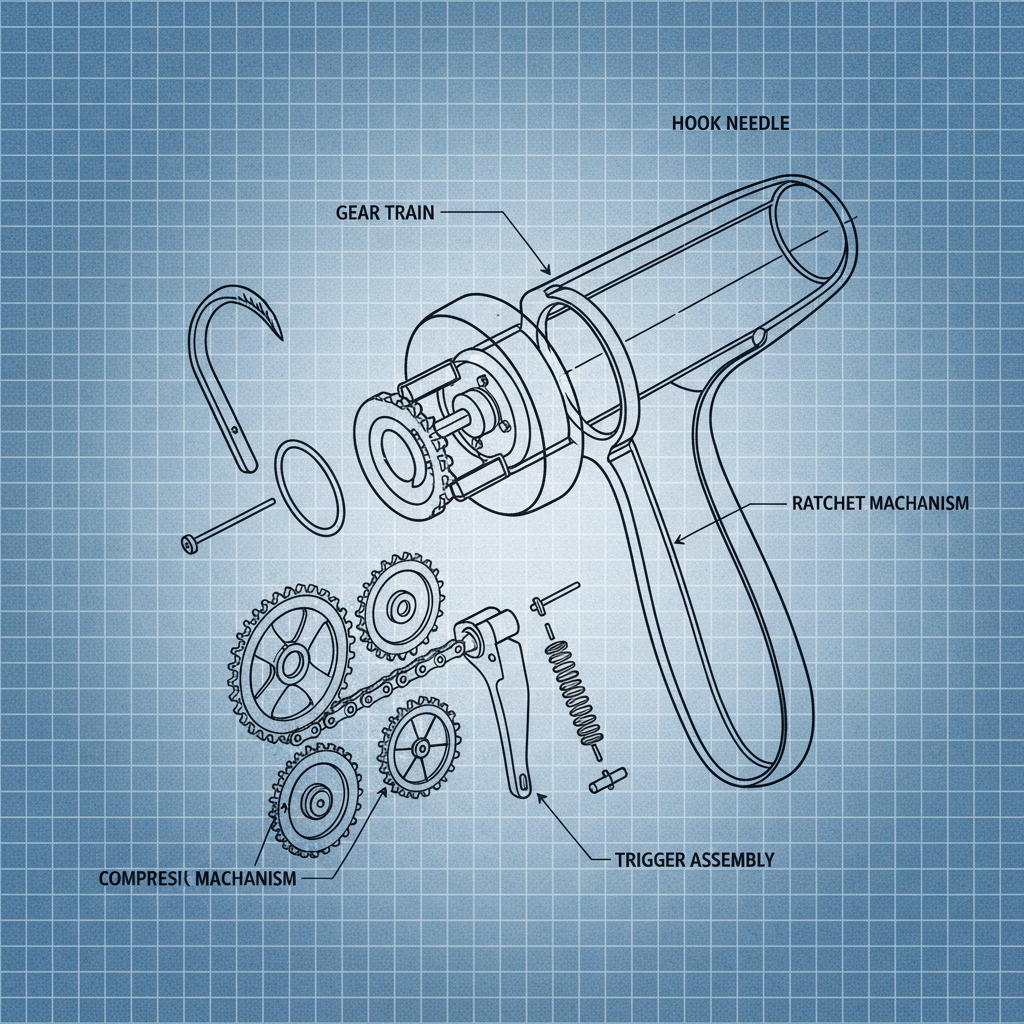
At its core, hook needle upholstery involves using a specialized hook-shaped needle to draw loops of yarn or fabric through a woven backing material, creating a dense, textured surface. Unlike traditional upholstery which relies on tightly stretched fabric, hook needle work produces a softer, more forgiving finish. This makes it particularly suitable for chairs, stools, and other furniture pieces where comfort is paramount. The technique creates a unique, almost sculpted appearance, adding character and a handmade quality to the finished product. Longsew provides high-quality hook needles and backing materials for a flawless finish.
Key Highlights: Creates a durable, textured surface. Offers a softer, more comfortable finish. Perfect for chairs, stools, and furniture restoration.
Tools and Materials for Hook Needle Upholstery
Successfully executing hook needle upholstery requires a specific set of tools and materials. A good quality hook needle is essential – these come in various sizes to accommodate different yarn weights and fabric types. A sturdy frame or backing material, such as burlap or linen, provides the foundation for the upholstery. Yarn, wool roving, or strips of fabric serve as the filling material, creating the textured surface. Other helpful tools include a frame holder, scissors, and a yarn winder. Choosing the right materials is key to achieving a professional and long-lasting result. Longsew's selection of hook needles caters to all skill levels and project needs.
Essential Materials:
• Hook Needle (various sizes)
• Backing Material (Burlap, Linen)
• Yarn, Wool Roving, or Fabric Strips
• Frame Holder, Scissors, Yarn Winder
Hook Needle Upholstery Techniques
The basic technique involves repeatedly inserting the hook needle through the backing material and pulling loops of yarn through. The size and density of these loops determine the final texture of the upholstery. Patterns can be created by varying yarn colors and loop heights. A consistent tension is crucial for a uniform appearance. More advanced techniques include creating raised designs or incorporating different materials for added visual interest. It's important to practice and experiment to develop proficiency in this art form.
The Benefits of Hook Needle Upholstery
Compared to other upholstery methods, hook needle work offers several advantages. It's highly durable, withstanding significant wear and tear. The textured surface hides imperfections and wear marks effectively, making it ideal for high-traffic furniture. The technique allows for a great degree of creative freedom, enabling the creation of unique and personalized designs. Additionally, hook needle upholstery is a relatively cost-effective method, especially when using recycled materials. The result is a comfortable, stylish, and long-lasting piece of furniture.
Applications of Hook Needle Upholstery
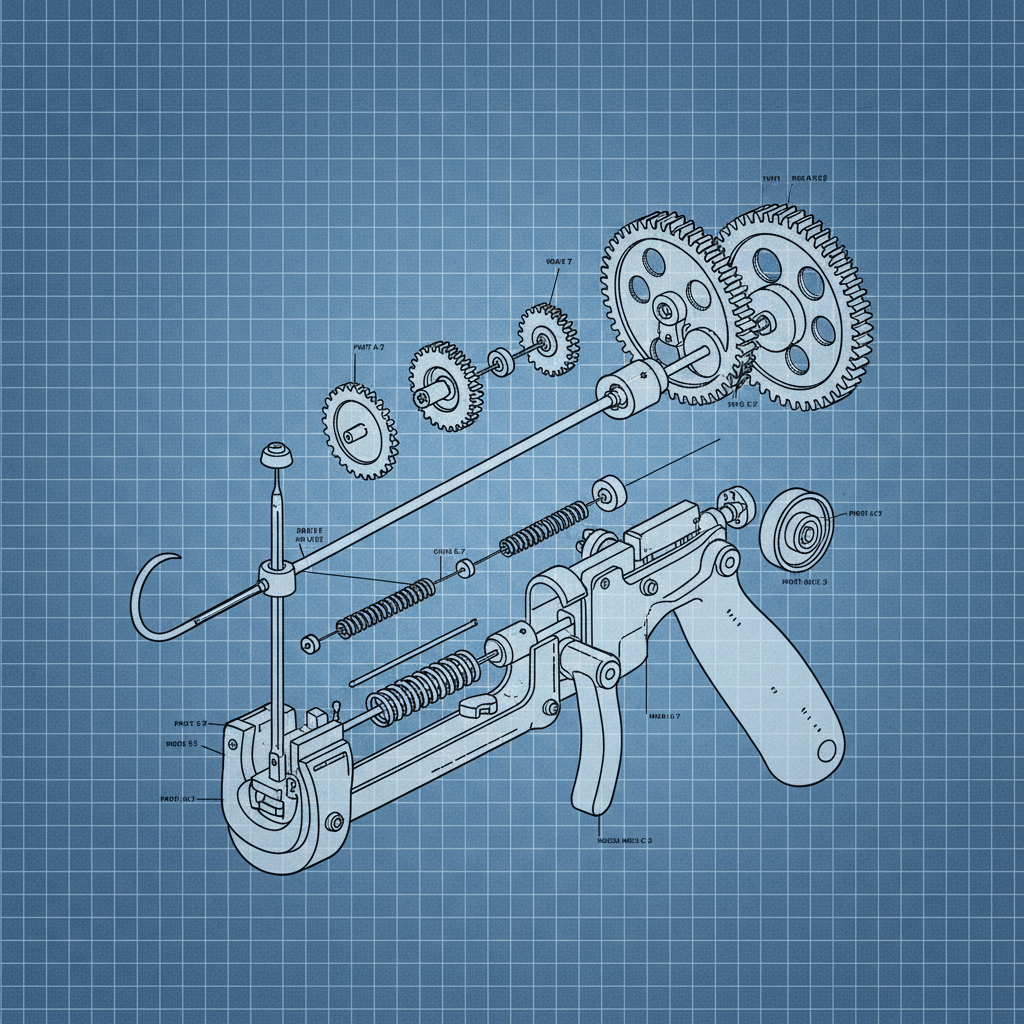
The applications of hook needle upholstery are diverse. It's commonly used for restoring antique chairs and stools, adding a vintage charm to contemporary furniture, and creating unique decorative pieces. It’s also a popular choice for crafting cushions, ottomans, and headboards. The technique can be adapted to various styles, from rustic and bohemian to modern and minimalist. Whether you're a professional upholsterer or a DIY enthusiast, hook needle work offers a versatile and rewarding creative outlet.
Conclusion: A Timeless Upholstery Technique
Hook needle upholstery represents a beautiful blend of tradition and practicality. Its durability, versatility, and aesthetic appeal make it a valuable skill for any furniture maker or enthusiast. With the right tools and techniques, you can transform ordinary pieces into stunning works of art. Explore the possibilities with Longsew's comprehensive range of hook needles and upholstery supplies and embark on your creative journey today!
Frequently Asked Questions (FAQs)
What types of yarn are best for hook needle upholstery?
Wool yarn is a traditional and excellent choice for hook needle upholstery due to its durability, texture, and ability to hold its shape. However, you can also use acrylic, cotton, or blends depending on the desired look and feel. Thicker yarns create a more robust and textured surface, while finer yarns allow for greater detail and intricate designs. Experimenting with different materials is encouraged to achieve your desired aesthetic.
Can I use fabric scraps for hook needle upholstery?
Absolutely! Using fabric scraps is a fantastic way to upcycle materials and create unique, eco-friendly upholstery. Cut the fabric into strips of consistent width, and you can use them in the same way as yarn. This is a great option for adding colorful patterns and textures. Just ensure the fabric strips are strong enough to withstand the pulling and tension of the hook needle technique.
How do I repair damaged hook needle upholstery?
Minor damage, such as loose loops, can be easily repaired by simply re-inserting the hook needle and securing the yarn. For larger areas of damage, you may need to carefully remove the damaged section and re-upholster that area, matching the original pattern and texture as closely as possible. Longsew offers replacement yarns and tools to facilitate repairs.
Is hook needle upholstery suitable for beginners?
Yes, it is! While mastering the technique takes practice, the basic principles are relatively easy to learn. Start with small projects to build your confidence and get a feel for the process. There are numerous online tutorials and resources available to guide beginners. Remember to start with simple designs and gradually increase the complexity as you gain experience.
Latest news
-
Industrial Bag Sewing Machine Price and Comprehensive Buying GuideNewsApr.16,2026
-
Industrial Hand Held Bag Closer for Efficient Packaging SealingNewsApr.16,2026
-
Industrial Hand Held Bag Closer Sewing Machine for PackagingNewsApr.16,2026
-
Efficient Industrial Bag Closer Sewing Machine for PackagingNewsApr.16,2026
-
Industrial Sewing Guide for Choosing the Right Closer MachineNewsApr.16,2026
-
Guide to Capital Bag Closer Machine Price and Buying FactorsNewsApr.16,2026
-
Say goodbye to inefficient cutting! This heavy-duty webbing hot cutting machine redefines the new standard for industrial cuttingNewsApr.14,2026

Hebei LongSew Machinery Technology Co. Ltd is beginning as sewing machine parts supplier, now Longsew have over twenty years experience in complete set sewing machine offering.


CLASSIFICATION
CONTACT US
-

No.368 North Youyi Street, Shijiazhuang City, Hebei Province, China
-

-

Copyright © 2026 HEBEI LONGSEW MACHINERY TECHNOLOGY CO. LTD All Rights Reserved. Sitemap | Privacy Policy | Top Blog | Global Service