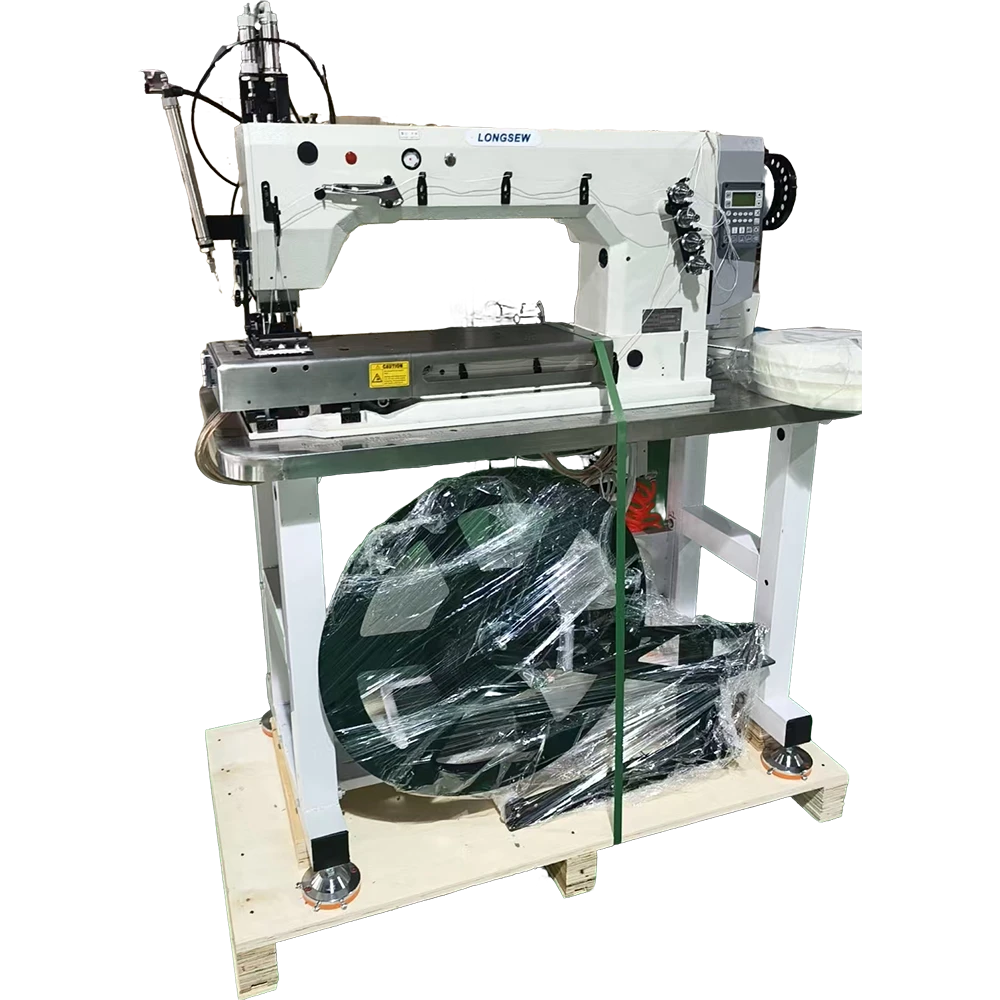
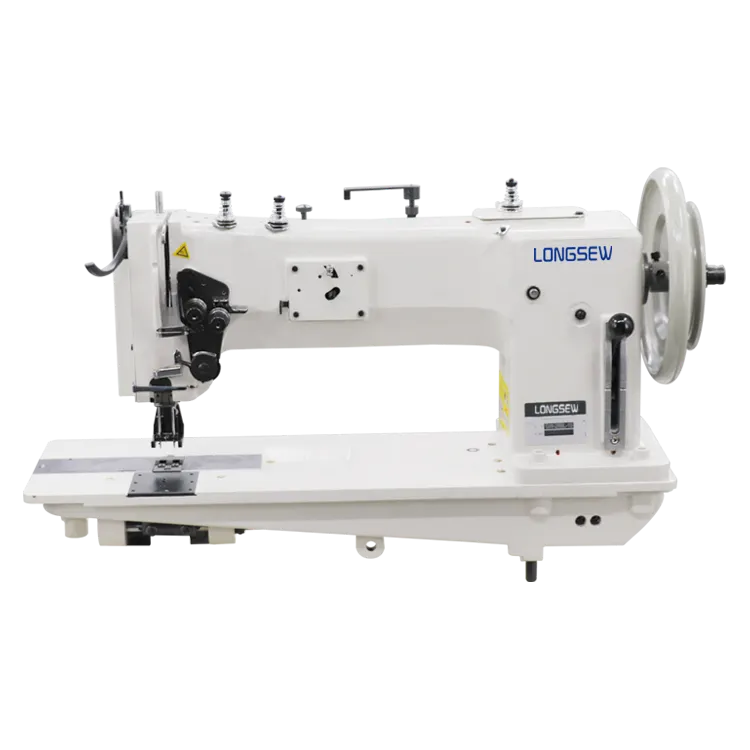
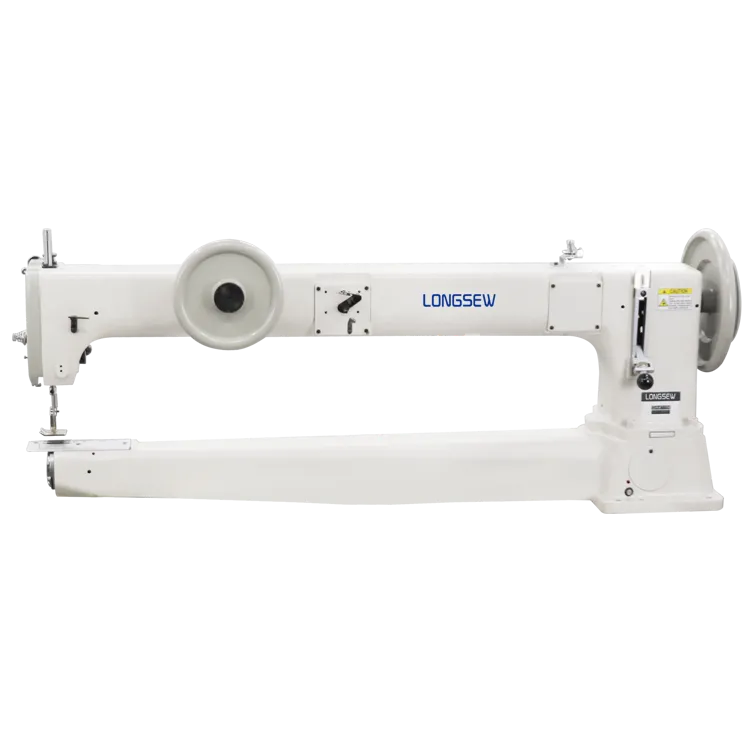
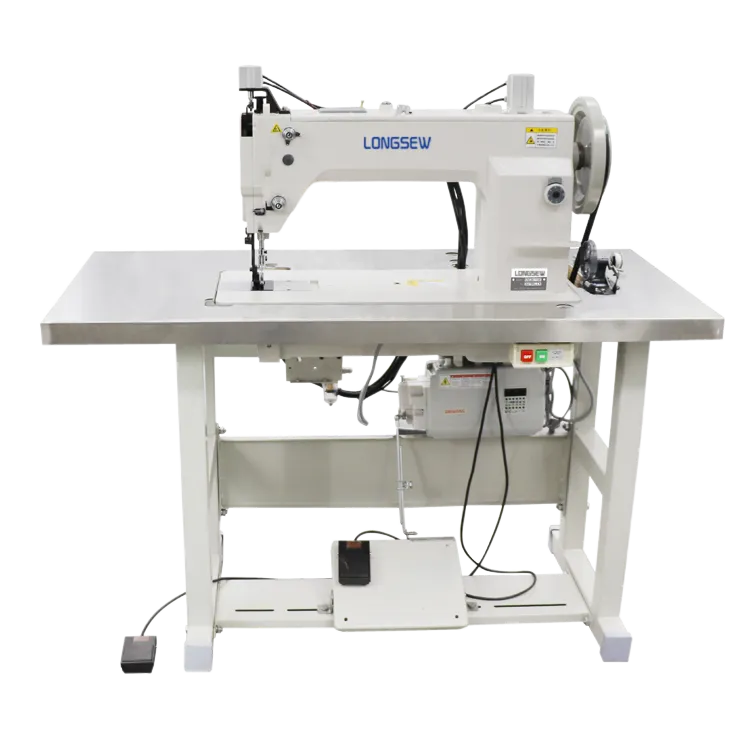
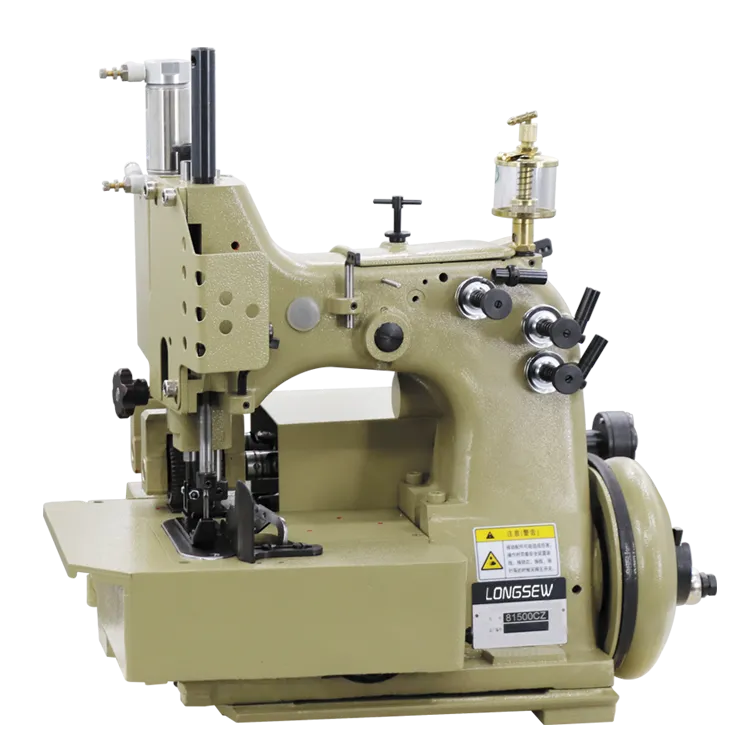
Portugal possesses a storied history in textile manufacturing, which has evolved into a sophisticated hub for technical fabrics. In the current market, there is a surging demand for high-strength packaging to support the export of minerals, agricultural products, and chemicals. This has led to a critical need for reliable fibc sewing machine systems that can handle heavy-duty polypropylene materials while meeting strict EU safety standards.
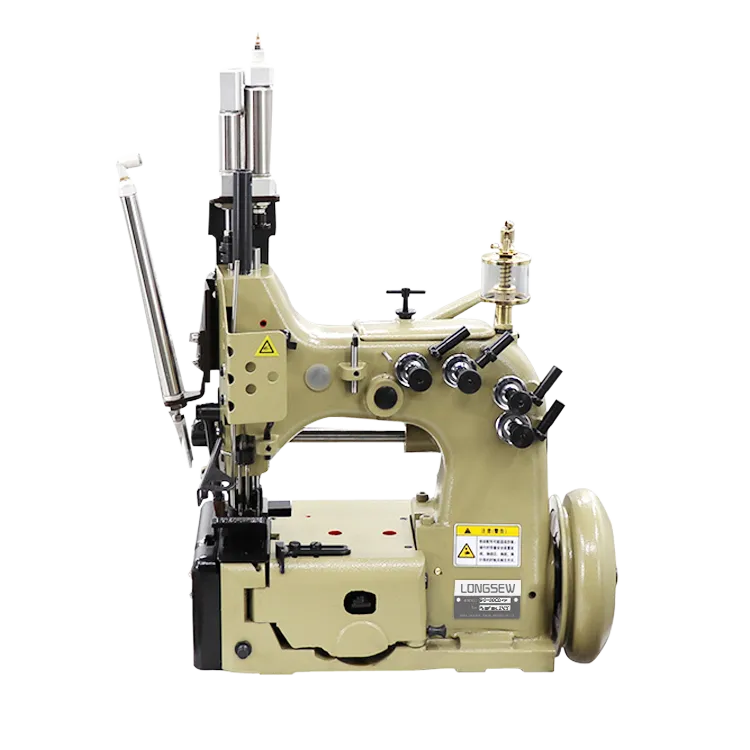
The local industry is currently transitioning from manual stitching to semi-automated processes. With the rise of sustainable logistics in Porto and Lisbon, manufacturers are increasingly adopting the big bag sewing machine to increase throughput and reduce labor costs, ensuring that the seam strength can withstand the rigorous transport conditions of Atlantic shipping routes.
Furthermore, the agricultural sector in the Alentejo region continues to rely on traditional packaging. This has sustained a steady market for the 50 kg jute bag making machine, as the demand for breathable, biodegradable packaging for olives and cork remains a cornerstone of the local economy.