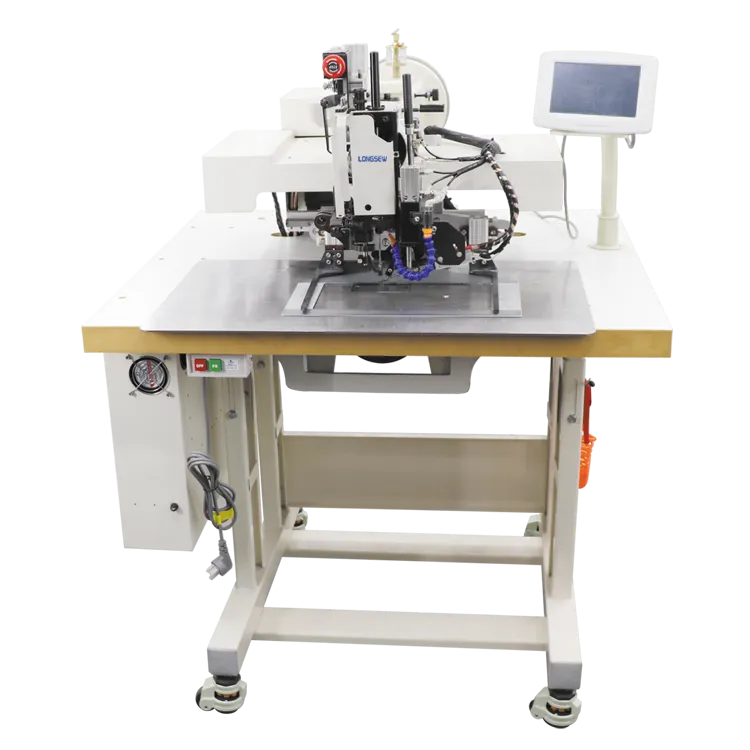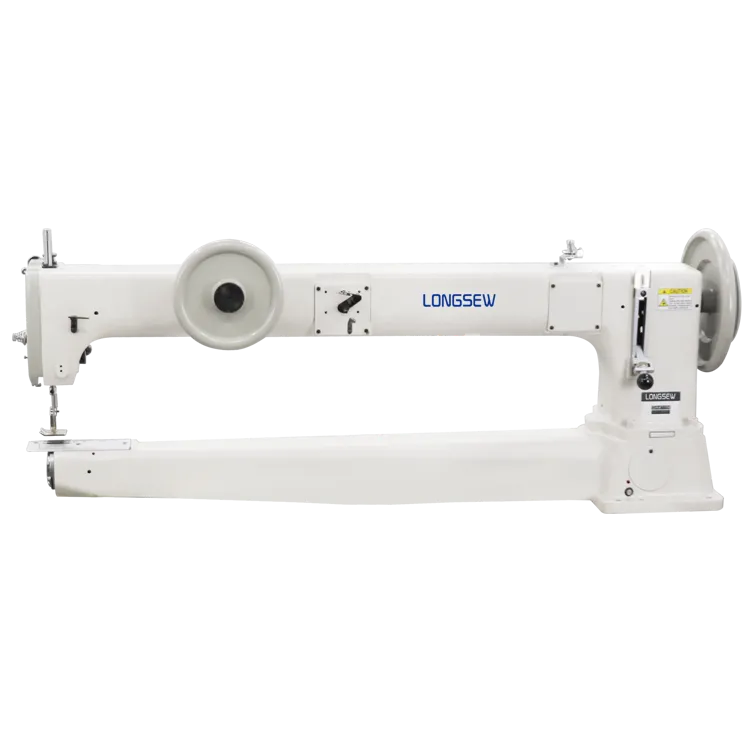
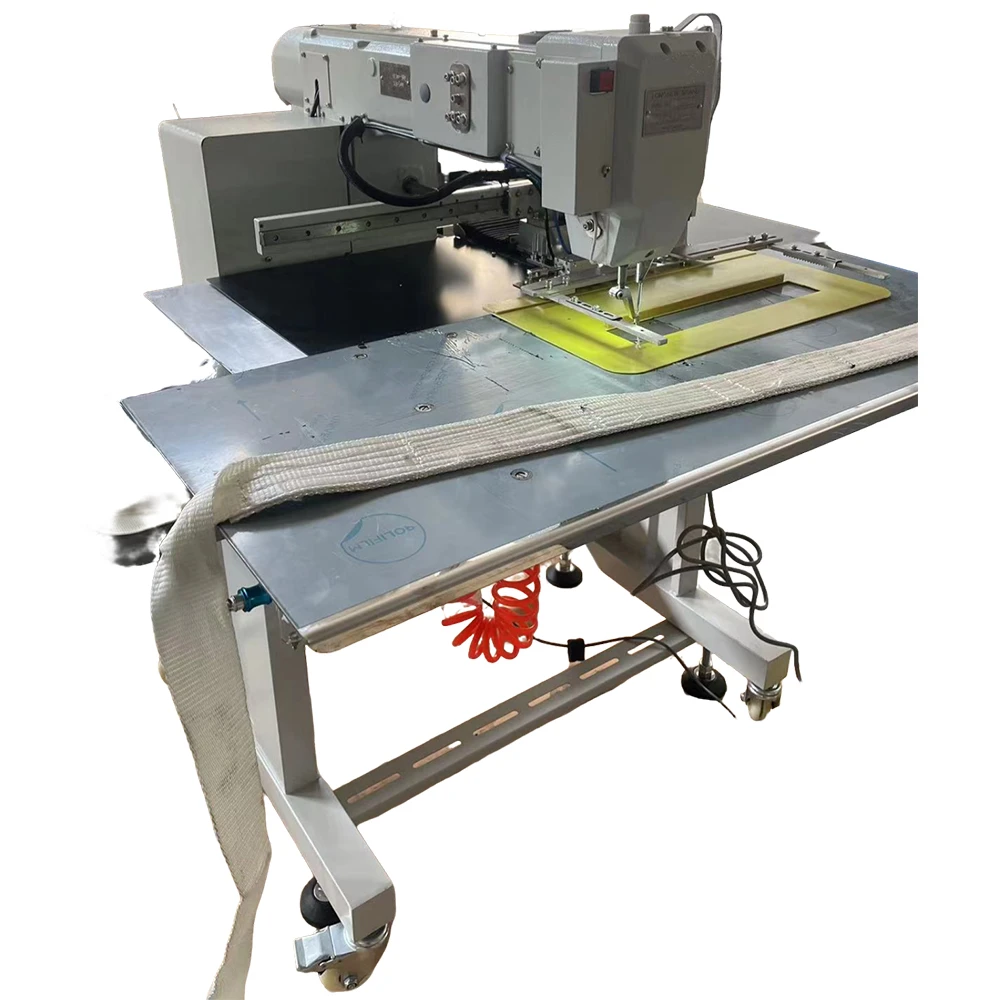
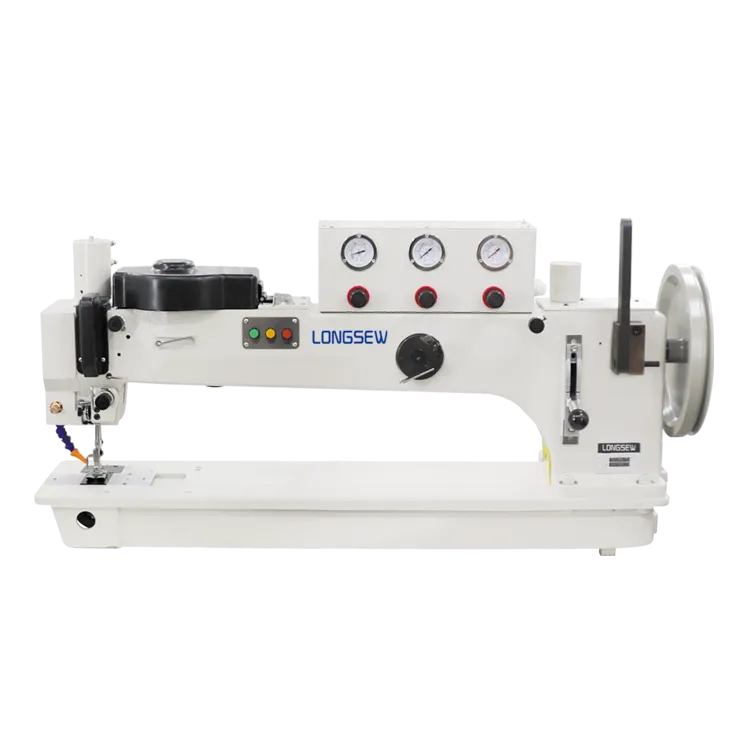
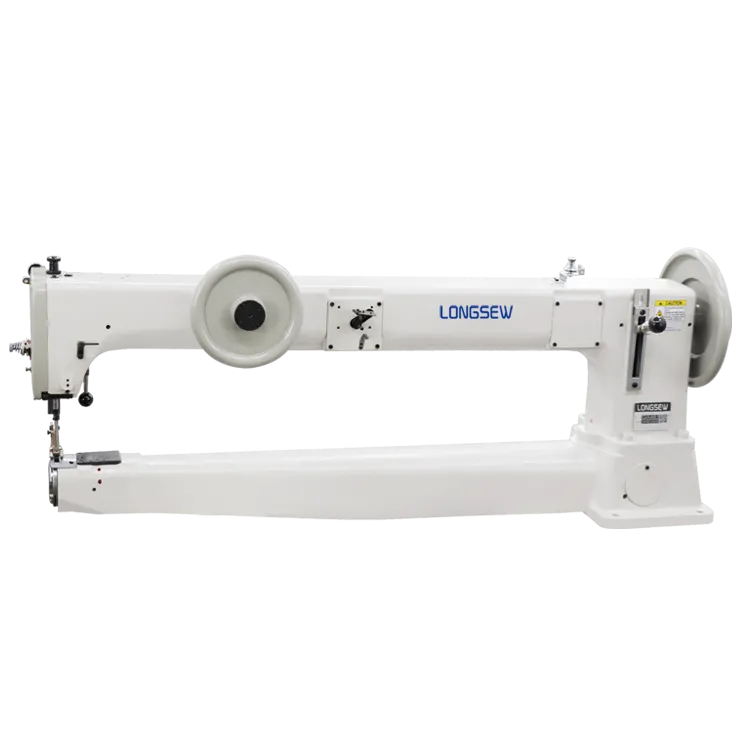
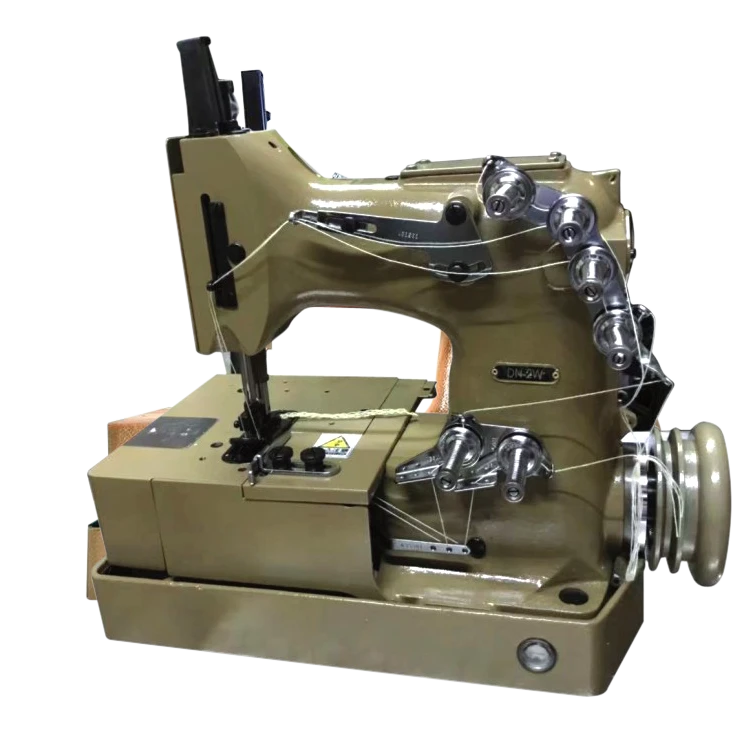
Advanced jumbo bag sewing machine Solutions for Paraguay Industrial Packaging

Empowering Paraguayan textile manufacturers with high-precision stitching technology for heavy-duty industrial bags and FIBC production.

The State of Industrial Bag Manufacturing in Paraguay

Analyzing the demand for robust stitching solutions in the heart of South America.

Paraguay's economy is heavily driven by agribusiness, specifically soy and corn exports, which creates a massive localized demand for a high-performance big bag sewing machine. The industry is currently transitioning from manual bagging processes to semi-automated systems to keep up with the volume of grain exports flowing through the Paraguay-Paraná waterway.

Environmental factors, including high humidity and temperature fluctuations in the Chaco and Eastern regions, require machinery that is resistant to corrosion and wear. Local manufacturers are increasingly seeking a professional jumbo bag stitching machine that can handle heavy-duty polypropylene and laminated fabrics without skipping stitches.

Moreover, the growth of the domestic chemical and fertilizer sector has pushed the need for specialized fibc sewing machine technology. There is a critical shift towards increasing the Load Bearing Capacity (LBC) of bags, necessitating equipment that provides superior seam strength and reliability for safe transport.
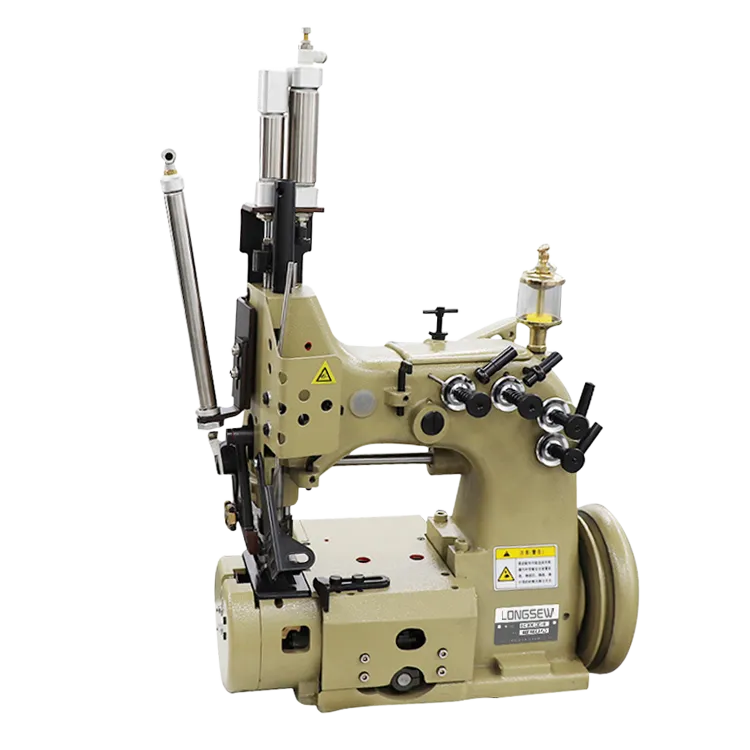
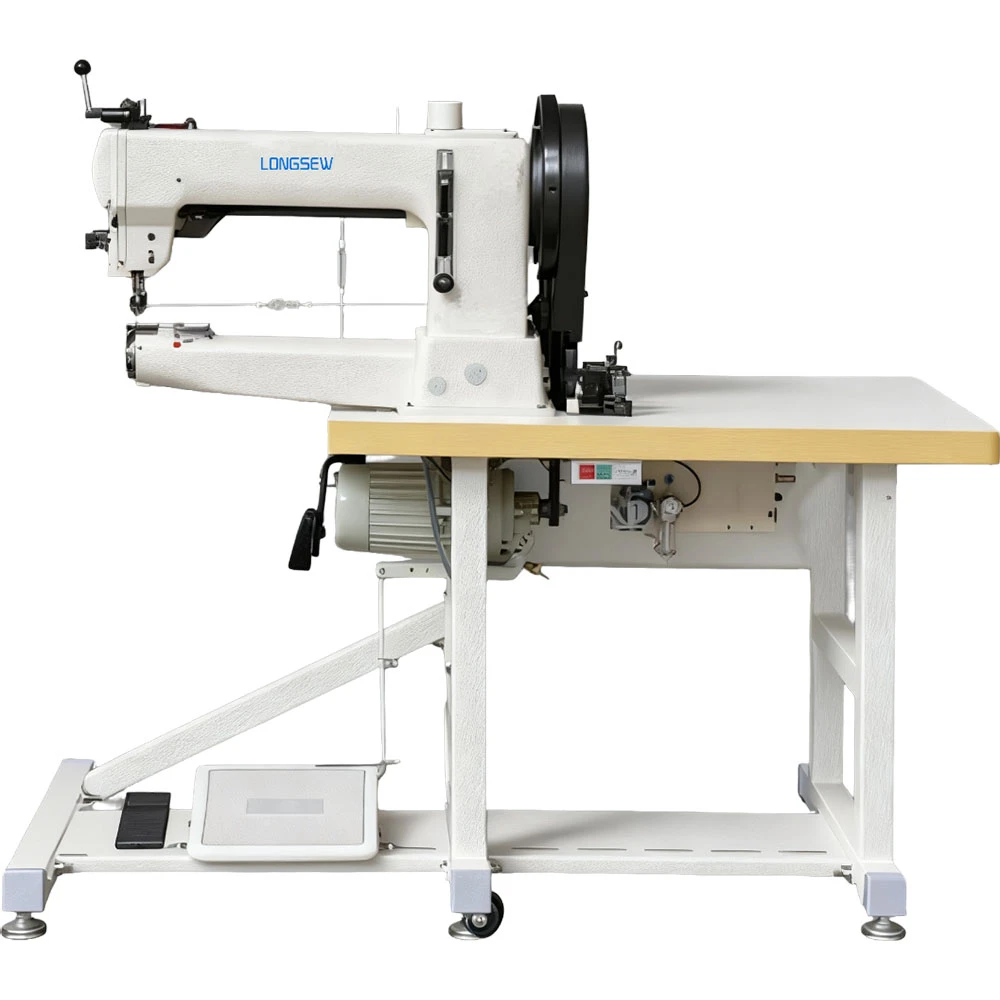
Evolution and Technical Trajectory of Bag Making in Paraguay

From traditional hand-sewing to automated industrial precision.

Market Development History

In the early 2000s, the Paraguayan market relied heavily on basic portable sewing machines for simple bagging. Production was fragmented, and the quality of seams often failed to meet the strict export requirements of the EU and US markets.

Between 2010 and 2020, we observed a technical pivot where manufacturers integrated the 50 kg jute bag making machine for smaller commodity packaging, introducing motorized feeding systems that significantly reduced labor costs and increased output consistency.

Entering the 2020s, the focus shifted toward "Heavy-Duty Specialization." The adoption of computerized tension control and reinforced frames has allowed local plants to produce world-class FIBCs, reducing the reliance on imported finished bags.

Future Development Trends

IoT-Integrated Stitching Monitoring

Integration of sensors to monitor thread tension and needle wear in real-time, reducing downtime in large-scale Paraguayan factories.

Sustainable Material Compatibility

The rise of biodegradable polymers requires machines that can adjust stitch length and heat settings to avoid fabric degradation.

High-Speed Automated Corner Sewing

Moving from manual corner handling to automated robotic arms for the complex lifting loops of jumbo bags.

Industry Trends and Future Outlook

Strategic directions for the textile equipment sector in South America.

Automation Integration
Shift towards fully automatic sewing lines to eliminate human error in heavy-duty bag production.
Energy Efficiency
Adoption of servo-motor driven systems to reduce electricity consumption in large-scale textile plants.
Material Diversification
Equipment capable of handling recycled PP and reinforced jute for eco-friendly packaging trends.
Precision Quality Control
Implementation of automated seam strength testing linked to machine calibration.

Industry Outlook

The forecast for the next 3-5 years suggests a rapid increase in the adoption of "Smart Sewing" in Paraguay. As Google search trends indicate a rise in queries for "industrial automation in South America," we expect a shift from standalone machines to fully integrated production lines.

Specifically, the integration of AI for predictive maintenance will allow Paraguayan operators to foresee needle breakage or motor failure, ensuring that the supply chain for soy and corn remains uninterrupted during peak harvest seasons.

Localized Application Scenarios in Paraguay

How our machinery solves real-world challenges across different sectors.

1. Soy and Corn Grain Export Packing

Utilizing the high-speed jumbo bag sewing machine to seal 1-ton bags for bulk export through the Port of Villeta, ensuring no leakage during oceanic transit.

2. Agricultural Fertilizer Production

Implementing a robust fibc sewing machine to create chemically resistant bags that can withstand the corrosive nature of nitrogen-based fertilizers.

3. Traditional Jute Commodity Bags

Deploying the 50 kg jute bag making machine for local coffee and specialty grain producers who require traditional, breathable packaging for domestic trade.

4. Mining and Mineral Transport

Using the heavy-duty big bag sewing machine to produce bags for the transport of industrial minerals, focusing on extreme reinforced seam strength.

5. Custom FIBC Manufacturer Workshops

Providing a versatile jumbo bag stitching machine for small-to-medium enterprises (SMEs) in Asunción to produce custom-sized bags for diverse industrial clients.

Brand Story

Global Development Journey of Hebei Longsew Machinery Technology Co., Ltd.

Foundation and Technical Focus

Established with a mission to solve the "stitching failure" pain point in heavy-duty textiles, focusing on precision engineering for industrial bags.

R&D Breakthroughs

Developed proprietary needle-cooling and tension-stabilizing systems that allowed machines to operate 24/7 without compromising stitch quality.

Global Market Expansion

Expanded operations to South America, tailoring equipment to handle the specific climatic and material demands of markets like Paraguay.

Industrial Standardization

Became a trusted partner for FIBC manufacturers by aligning our machine tolerances with international ISO and safety standards.

Vision for the Future

Leading the transition toward green manufacturing through the development of energy-efficient and automated sewing ecosystems.

Common Questions from Paraguayan Manufacturers

Expert answers to technical and logistical queries.

Which fibc sewing machine is best for high-humidity environments in Paraguay?

We recommend our models with anti-corrosion coating and sealed electronic components to prevent moisture-related failures in humid regions.

Can a jumbo bag sewing machine handle recycled PP fabrics?

Yes, our machines feature adjustable feed dogs and tension settings specifically designed to handle the irregular texture of recycled polypropylene.

What is the output capacity of a 50 kg jute bag making machine?

Depending on the automation level, our machines can produce between 300 to 800 bags per hour, significantly increasing efficiency for local producers.

How do I maintain a big bag sewing machine to extend its lifespan?

Daily lubrication of the moving parts and weekly checks of the needle alignment are critical for preventing wear in high-volume production.

Is the jumbo bag stitching machine compatible with different thread thicknesses?

Absolutely. Our equipment supports a wide range of industrial polyester and nylon threads, allowing you to adjust based on the required bag strength.

Do you provide technical support for machinery installed in Paraguay?

Yes, we offer comprehensive remote technical guidance and a supply chain of genuine spare parts to ensure minimal downtime for your operations.

Ready to Upgrade Your Production?

Get a customized technical consultation for your textile facility in Paraguay. Our engineers are ready to help you optimize your stitching efficiency.

Contact Us Now

If you are interested in our products, you can choose to leave your information here, and we will be in touch with you shortly.