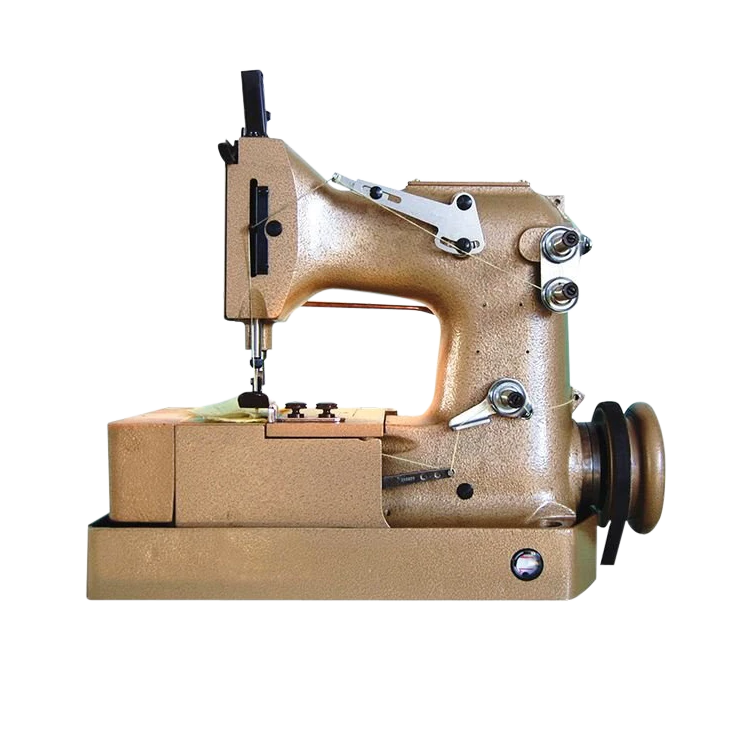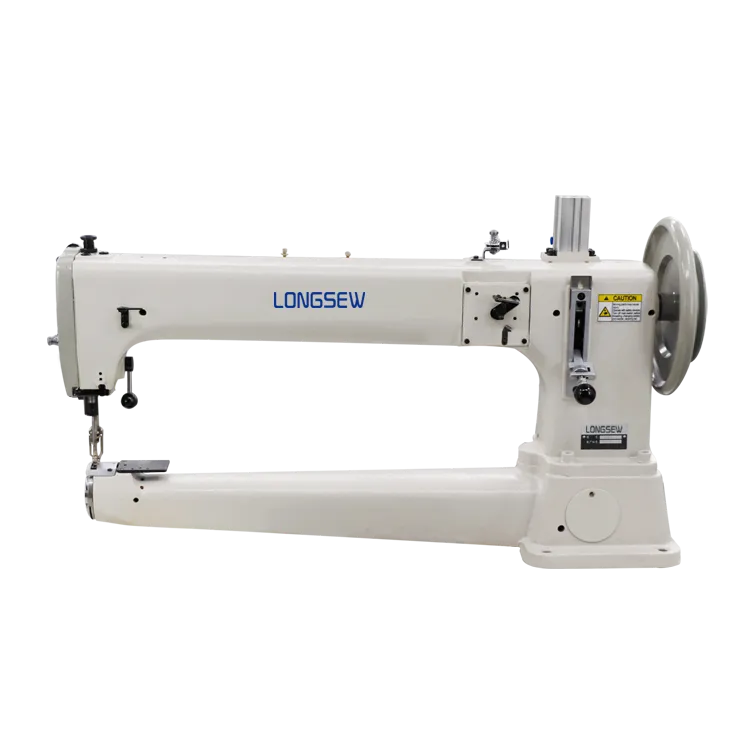
Advanced jumbo bag sewing machine Solutions for Laos Manufacturing

Empowering the Laotian textile industry with high-precision stitching technology for heavy-duty industrial packaging.

Industrial Packaging Landscape in Laos

Analyzing the current state of heavy-duty bag manufacturing in the Laotian market.

Laos is currently experiencing a surge in agricultural exports and mining activities, which has dramatically increased the demand for robust packaging. The local industry heavily relies on the big bag sewing machine to produce containers for coffee, rubber, and minerals, yet many facilities still operate with outdated manual equipment.

The humid tropical climate of Laos presents a unique challenge for machinery maintenance, often leading to premature wear and tear of sewing components. Consequently, there is a critical shift toward adopting a more durable jumbo bag stitching machine that can withstand high humidity and continuous operation in non-climate-controlled environments.

Economically, Laos is integrating further into the ASEAN trade bloc, pushing local manufacturers to upgrade their quality standards. To compete internationally, factories are transitioning from basic stitching to utilizing a professional fibc sewing machine to ensure leak-proof and high-load capacity bags.
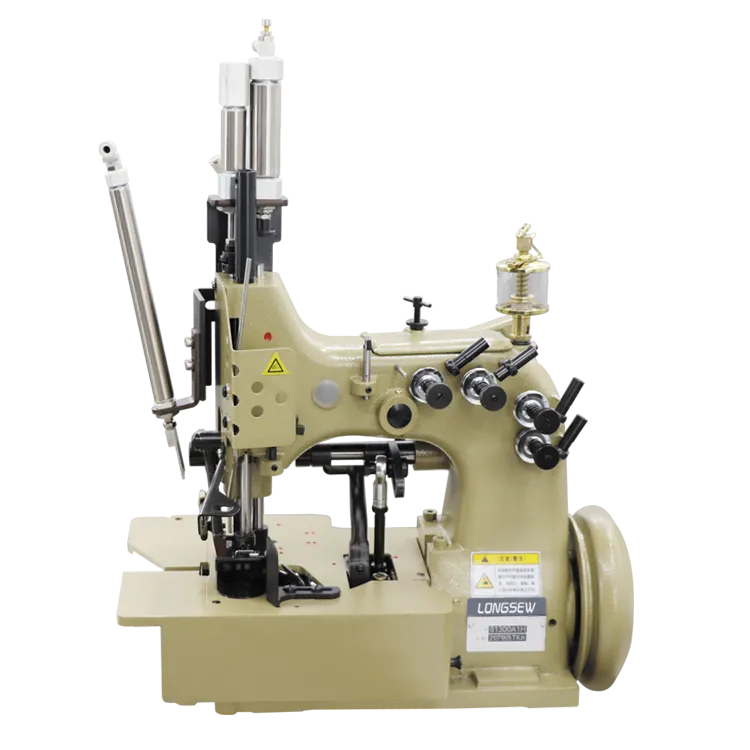
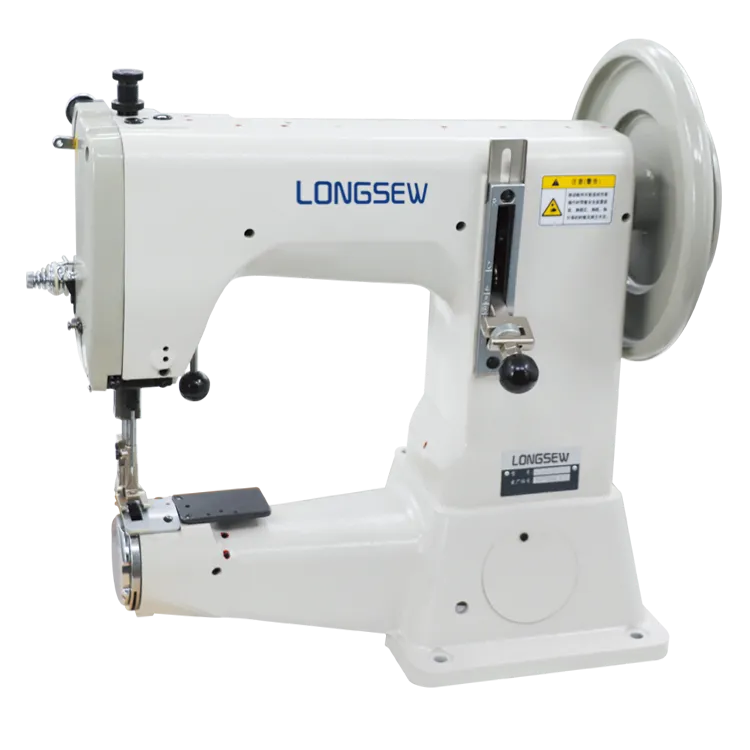
Evolution of Textile Machinery in Laos

Tracing the technological journey from manual labor to automated precision.

Market Development History

Prior to 2010, the Laotian market primarily utilized handheld portable sewing tools for simple sack closures. These methods were labor-intensive and lacked the structural integrity required for bulk industrial transport, limiting the export potential of local goods.

Between 2011 and 2018, the introduction of semi-automated systems marked a turning point. The adoption of the 50 kg jute bag making machine allowed small-to-medium enterprises (SMEs) to standardize their output, moving away from erratic manual stitching to consistent industrial seams.

From 2019 to the present, the industry has entered the era of specialized FIBC production. High-speed, heavy-duty machinery now dominates the landscape, focusing on reinforced stitching patterns that meet global safety factors for lifting heavy loads.

Future Development Trends

Smart Automation Integration

Integration of PLC controllers to reduce human error in stitch length and tension, ensuring every jumbo bag meets ISO standards.

Energy-Efficient Servo Motors

A transition toward direct-drive servo motors to reduce electricity costs in Laotian factories while increasing torque for thicker fabrics.

Sustainable Material Compatibility

Developing machinery that can handle biodegradable and recycled polypropylene fabrics without compromising seam strength.

Industry Trends and Future Outlook

Strategic projections for the textile machinery sector in Southeast Asia.

Digital Precision Control
Shift toward digitized tension settings to ensure consistent seam quality across various fabric densities.
High-Load Specialization
Increased demand for machines capable of stitching 6mm+ thick webbing for 2-ton capacity bags.
Modular Design
Adoption of modular components for faster on-site repairs in remote Laotian provinces.
Eco-Friendly Production
Optimization of stitch patterns to reduce thread waste and energy consumption per unit.

Industry Outlook

Based on Google search trends for industrial textiles in Asia, the focus is shifting toward "heavy-duty reliability" and "ease of maintenance." In Laos, we expect a 15% year-on-year increase in the demand for automated sewing systems as the mining sector expands.

The long-term trajectory indicates that the convergence of IoT and textile machinery will allow factory managers in Vientiane and Luang Prabang to monitor machine health remotely, reducing downtime and optimizing production cycles.

Localized Application Scenarios in Laos

Real-world deployments of our equipment in the Laotian industrial sector.

1. Mining Ore Export Packaging

Using the jumbo bag stitching machine to create reinforced containers for copper and gold ore exports, ensuring zero leakage during maritime transport.

2. Agricultural Bulk Bagging

Implementing the big bag sewing machine for the seasonal bagging of coffee beans and maize, optimizing speed for peak harvest periods.

3. Fertilizer and Feed Production

Utilizing the 50 kg jute bag making machine for the precise production of animal feed sacks distributed to rural farming communities.

4. Chemical Powder Containment

Deploying a high-precision fibc sewing machine to manufacture dust-proof FIBCs for industrial chemicals produced in special economic zones.

5. Construction Debris Management

Production of heavy-duty waste bags for infrastructure projects in Laos using high-torque sewing equipment to handle recycled polymer fabrics.

Brand Story

Global Development Journey of Hebei Longsew Machinery Technology Co., Ltd.

Engineering Foundation

Founded with a mission to solve the fragility of industrial seams, we began by perfecting the mechanical synchronization of heavy-duty sewing heads.

Technological Breakthrough

Developed proprietary tension-control systems that allowed our machines to stitch multiple layers of thick PP fabric without needle breakage.

Market Expansion

Extended our reach into Southeast Asia, tailoring equipment to withstand the specific climatic and electrical conditions of the region.

Global Quality Certification

Achieved international safety and quality certifications, making our machinery a trusted choice for FIBC producers worldwide.

Sustainable Innovation

Currently leading the transition toward energy-efficient and smart manufacturing tools to support the global "Green Industry" initiative.

Common Questions from Laotian Manufacturers

Expert answers to technical and operational queries.

Which fibc sewing machine is best for high-humidity environments in Laos?

We recommend our corrosion-resistant models with reinforced lubrication systems that prevent rust and maintain smooth operation in humid tropical climates.

Can a jumbo bag sewing machine handle recycled polypropylene fabric?

Yes, our machines feature adjustable feed dogs and high-torque motors specifically designed to pull and stitch non-uniform recycled materials without slipping.

What is the maintenance cycle for a jumbo bag stitching machine in a high-volume factory?

For high-volume production, we recommend daily lubrication and weekly tension calibration to ensure consistent seam strength and prevent downtime.

Is the 50 kg jute bag making machine suitable for small-scale cooperatives?

Absolutely. Its compact footprint and intuitive controls make it ideal for small cooperatives looking to standardize their bagging process.

How do I improve the load capacity using a big bag sewing machine?

By utilizing our multi-needle configuration and reinforced stitch patterns, you can significantly increase the Safe Working Load (SWL) of your bags.

Do you provide technical support for machinery installed in remote parts of Laos?

Yes, we offer comprehensive remote diagnostic support and detailed video guides to assist local technicians with on-site maintenance.

Get Your Custom Industrial Solution

Our experts are ready to help you upgrade your production capacity in Laos. Contact us for a tailored technical consultation.

Contact Us Now

If you are interested in our products, you can choose to leave your information here, and we will be in touch with you shortly.