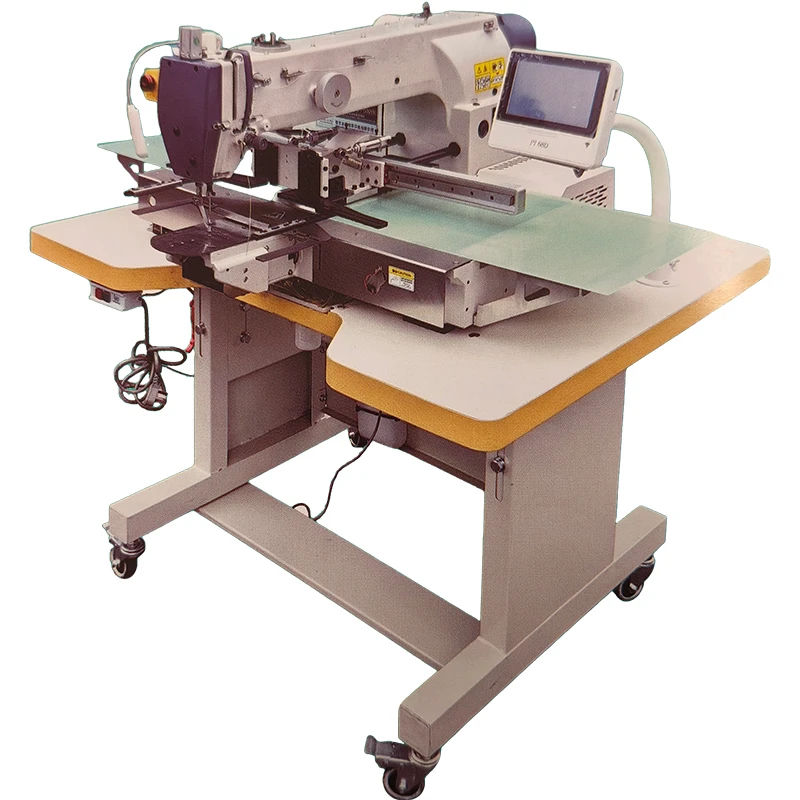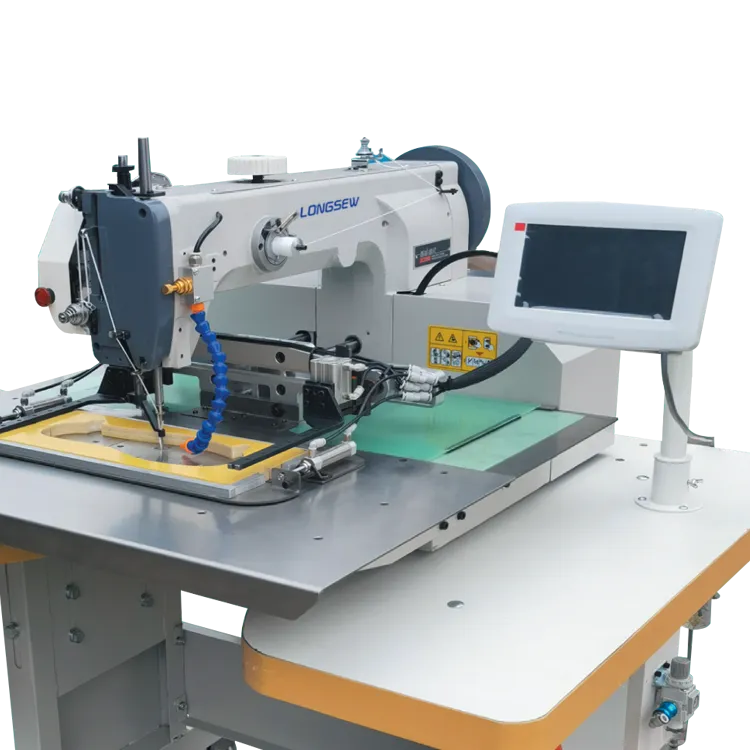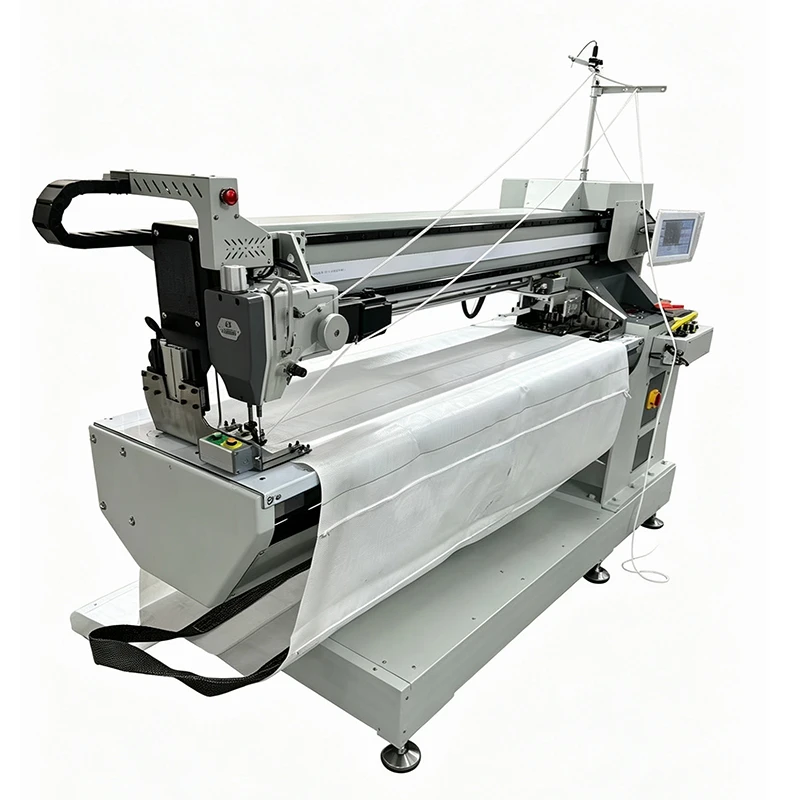
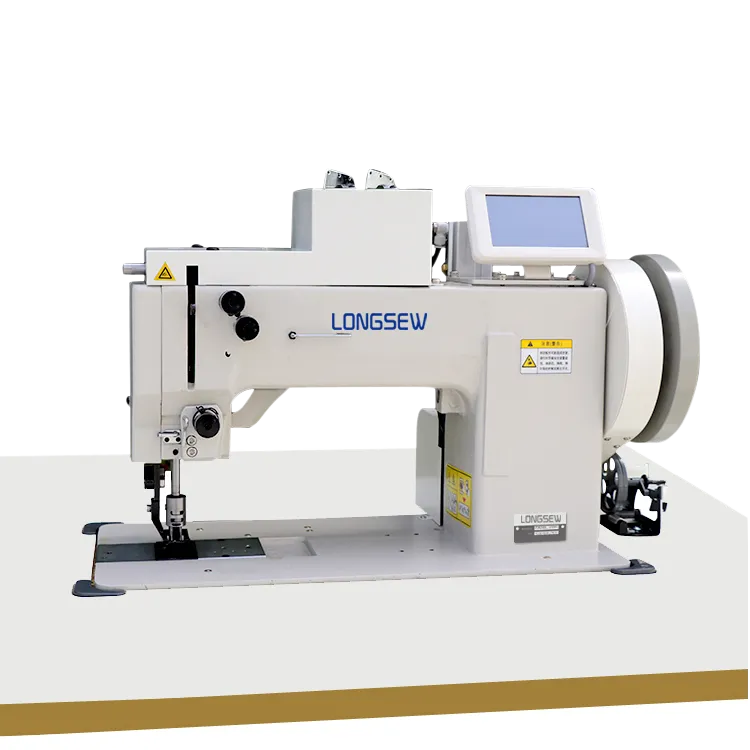
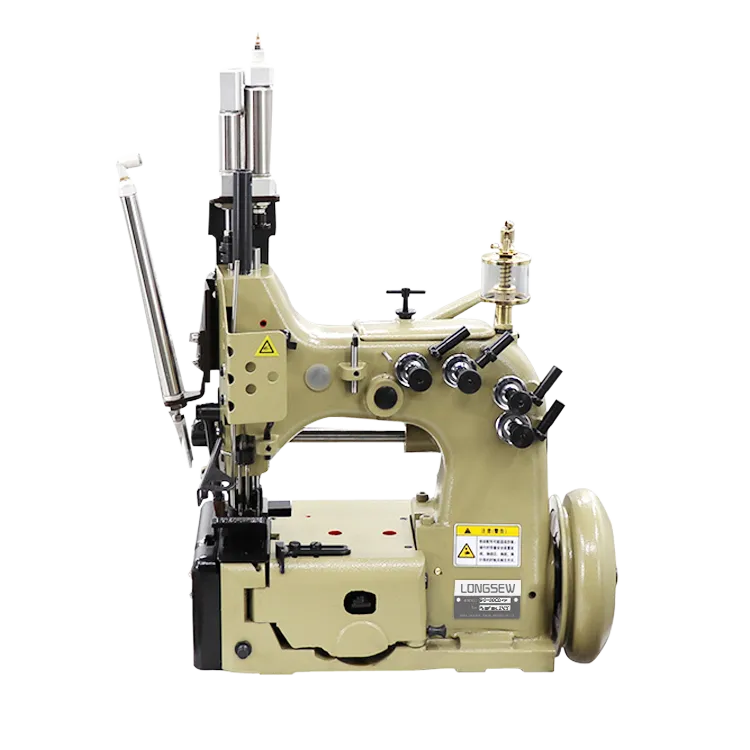
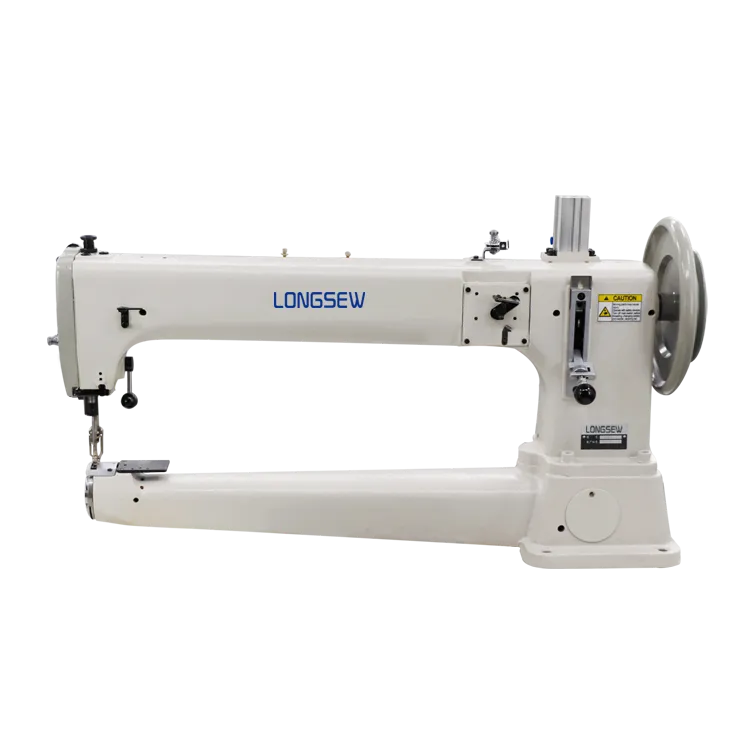
Advanced Industrial Solutions for jumbo bag sewing machine in Chile

Empowering the Chilean mining and agricultural sectors with high-precision stitching technology for heavy-duty industrial packaging.

The Industrial Landscape of Bulk Packaging in Chile

Analyzing the demand for heavy-duty sewing solutions in the Southern Cone market.

Chile's economy, heavily reliant on the export of copper, lithium, and agricultural products, creates a massive demand for robust packaging. The use of a fibc sewing machine is critical in the Atacama and Central Valley regions, where minerals and grains must be securely packed in large volumes to withstand long-distance maritime transport.

Due to the arid climate in the north and humid conditions in the south, the equipment used for producing big bag sewing machine must exhibit high resistance to dust and corrosion. Local manufacturers are increasingly shifting from manual processes to semi-automated systems to maintain competitive export standards.

The integration of a jumbo bag stitching machine has become a prerequisite for Chilean logistics companies aiming to minimize bag failure rates, ensuring that heavy loads of ores and fertilizers reach global ports without leakage or structural compromise.
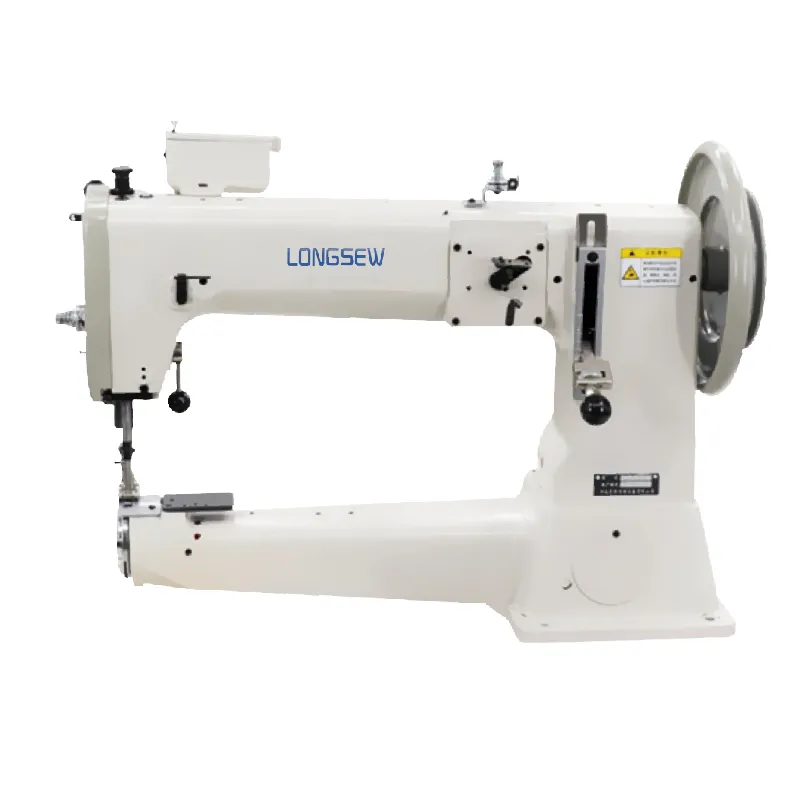
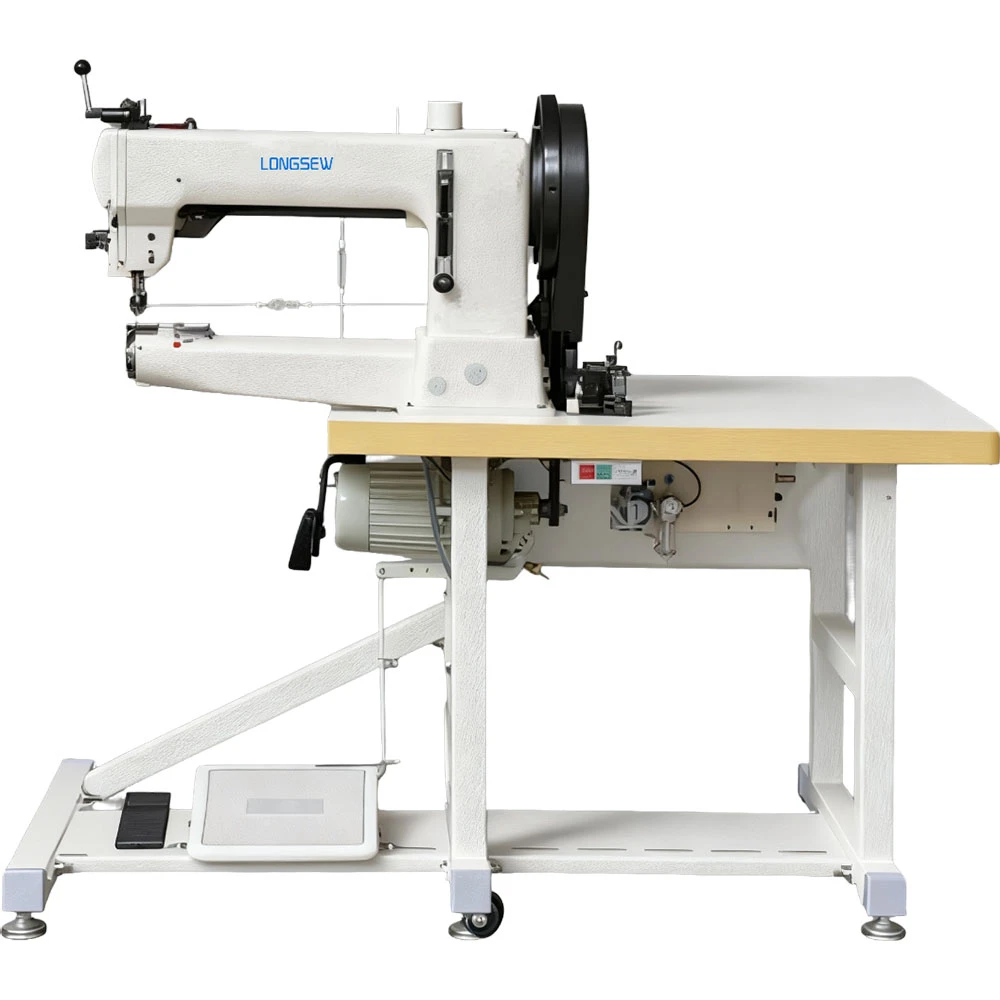
Evolution and Trajectory of Textile Machinery in Chile

From traditional handheld stitching to automated high-capacity industrial lines.

Market Development History

In the late 1990s, the Chilean market relied primarily on basic portable sewing tools. Production was fragmented, and the quality of bulk bags varied significantly, often leading to losses during the export of agricultural commodities.

Between 2005 and 2015, the introduction of specialized 50 kg jute bag making machine units marked a transition toward standardized packaging. This era saw the rise of dedicated FIBC factories in Santiago and Valparaíso to serve the growing mining boom.

From 2016 to the present, the focus has shifted toward precision and speed. The adoption of computerized control systems in stitching machinery has allowed Chilean producers to achieve higher tensile strength in seams, meeting strict ISO international shipping standards.

Future Development Trends

Smart Automation Integration

The next 3 years will see a surge in IoT-enabled sensors that monitor stitch tension in real-time, reducing waste and increasing the lifecycle of the machinery.

Eco-Friendly Material Compatibility

As Chile pushes for "Green Mining," there is a growing demand for machines capable of handling recycled polypropylene and biodegradable fibers without compromising seam integrity.

High-Speed Modular Designs

Modular setups will allow factories to quickly switch between different bag sizes, responding dynamically to the fluctuating demands of the lithium and copper export markets.

Future Outlook for Chile's Industrial Stitching Sector

Strategic directions for the next generation of bulk bag manufacturing.

Digital Precision Control
Implementation of PLC systems to ensure micron-level accuracy in every stitch, eliminating human error in bulk bag closures.
Energy Efficiency Optimization
Transitioning to servo-motor driven systems to reduce electricity consumption by 30% in large-scale Chilean factories.
Material Versatility
Enhanced needle and feed systems capable of handling high-denier polypropylene and natural jute fabrics seamlessly.
Predictive Maintenance
Using AI-driven analytics to predict wear and tear on sewing components, reducing unplanned downtime in mining logistics.

Industry Outlook

The Chilean bulk bag industry is pivoting toward a high-value, low-waste model. As Google search trends indicate an increase in "automated packaging solutions" within the LATAM region, manufacturers are investing in machines that offer both speed and extreme reliability.

We expect a convergence of textile engineering and logistics software, where the sewing machine becomes part of a larger, synchronized supply chain, ensuring that every jumbo bag is tracked from the stitching floor to the port of San Antonio.

Localized Application Scenarios in Chile

Real-world deployments of our specialized sewing equipment in Chilean industries.

01. Copper Concentrate Packaging in Antofagasta

Mining giants utilize our high-tension stitching machines to seal bags containing heavy copper concentrate, ensuring zero leakage during transport from the Andes to the coast.

02. Wine Grape Export Bags in Central Valley

Agricultural cooperatives employ specialized sewing units to produce breathable bulk bags for grape exports, balancing seam strength with ventilation requirements.

03. Lithium Carbonate Logistics in Atacama

Precise stitching solutions are used to create contaminate-free FIBCs for the high-purity lithium carbonate industry, protecting the material from the harsh salt flat environment.

04. Fertilizer Distribution in Biobío Region

Local producers use automated machinery to manufacture bags for nitrogen-based fertilizers, ensuring the seams can withstand chemical exposure and moisture.

05. Industrial Salt Export in Northern Chile

High-capacity sewing lines are deployed to create ultra-durable jumbo bags for industrial salt exports, focusing on abrasion resistance and high-load stability.

Brand Story

Global Development Journey of Hebei Longsew Machinery Technology Co., Ltd.

Founding Vision

Established with a commitment to solve the instability of heavy-duty seams, Longsew began by redesigning the core tensioning mechanism for industrial bags.

Technological Breakthrough

We developed a proprietary lubrication system that extends the life of sewing components by 40% in dusty environments, a key requirement for mining regions.

Global Expansion

Expanding beyond Asia, we established strategic partnerships in South America, bringing customized machinery to the Chilean and Peruvian markets.

Industry Standardization

Longsew machinery now helps set the benchmark for FIBC seam strength, ensuring that our clients meet the most rigorous international export certifications.

The Future of Stitching

We are currently integrating AI and green-tech into our product lines to lead the transition toward sustainable industrial packaging worldwide.

Common Questions from Our Chilean Partners

Expert answers to technical and operational queries regarding industrial bag sewing.

Which fibc sewing machine is best for copper concentrate bags?

For heavy mineral concentrates, we recommend our heavy-duty chain-stitch models with reinforced frames and automatic tension control to ensure maximum load-bearing capacity.

Can a jumbo bag sewing machine handle recycled PP fabrics?

Yes, our latest series features adjustable feed dogs and specialized needles designed to penetrate recycled polymers without causing fabric puckering or thread breakage.

What is the maintenance cycle for a big bag sewing machine in dusty environments?

In mining areas like Antofagasta, we recommend a daily compressed air cleaning of the bobbin area and a comprehensive lubrication check every 500 operating hours.

How to increase the speed of a 50 kg jute bag making machine?

Speed can be optimized by upgrading to our servo-driven motor kits and utilizing high-lubricity industrial threads that reduce friction during high-speed stitching.

Is the jumbo bag stitching machine compatible with automatic cutting tables?

Absolutely. Our machines are designed with modular interfaces that can be integrated into a full automated production line, including automatic fabric cutters and folding units.

What are the shipping lead times for machinery to Chile?

Depending on the customization level, production takes 15-30 days, with maritime shipping to Valparaíso or San Antonio typically taking 35-45 days.

Ready to Upgrade Your Production Line?

Our technical experts are ready to provide customized industrial sewing solutions tailored for the unique demands of Chile.

Contact Us Now

If you are interested in our products, you can choose to leave your information here, and we will be in touch with you shortly.