

Feb . 27, 2026 01:55
Back to list
Understanding the Capabilities of Zigzag and Overlock Machine for Sewing Projects
Understanding Zigzag and Overlock Machines: A Comprehensive Guide
In the world of textile manufacturing and garment creation, zigzag and overlock machines are indispensable tools. These machines offer distinct functionalities that contribute to the quality, durability, and aesthetics of sewn products. This article delves into the intricacies of each machine, exploring their unique features, applications, and the benefits they bring to the sewing process. We’ll provide a detailed overview, helping you understand which machine best suits your specific needs, whether you’re a hobbyist or a large-scale manufacturer.
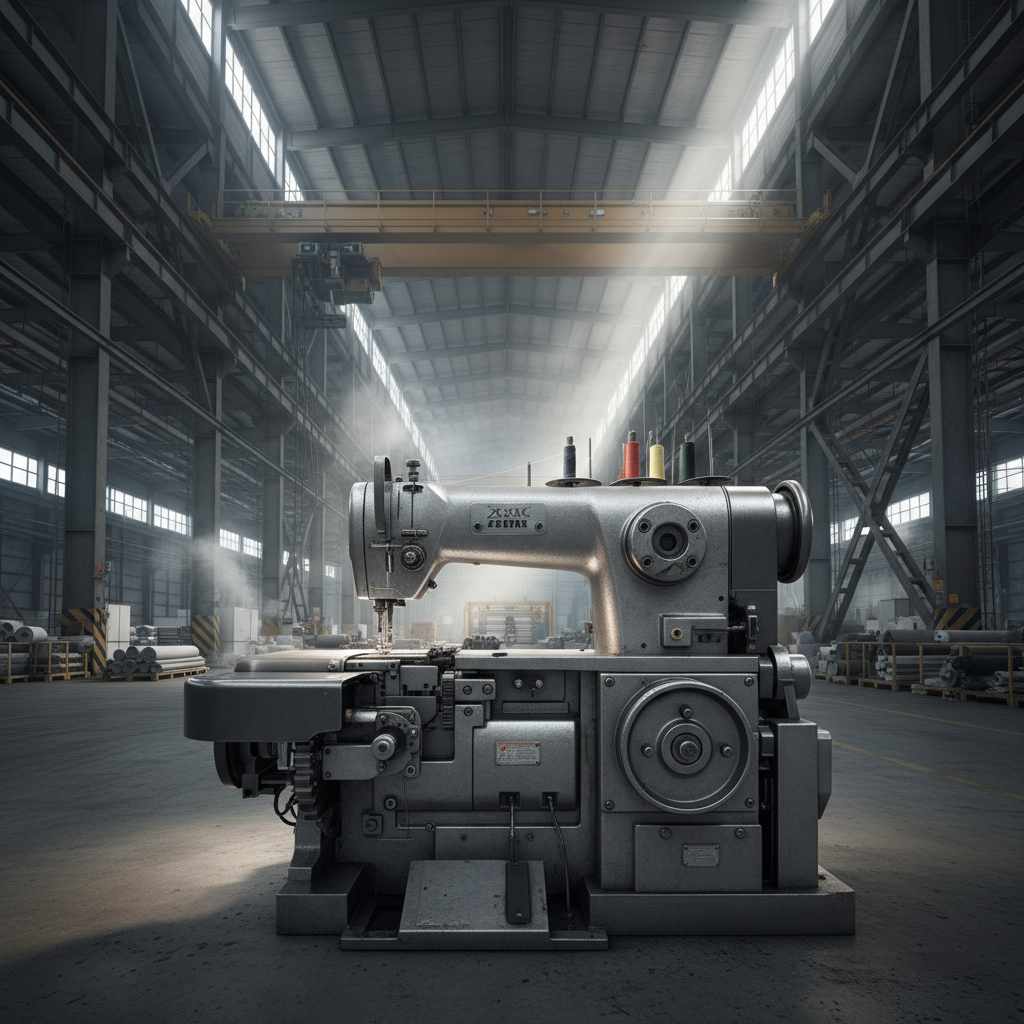
What is a Zigzag Machine?
A zigzag machine is a versatile sewing machine capable of creating a zigzag stitch – a stitch that moves back and forth in a 'Z' shape. This stitch provides elasticity and prevents fabric fraying. Zigzag machines are ideal for various applications, including finishing raw edges, sewing stretch fabrics, and creating decorative effects. They can also be used to mimic a variety of other stitches, making them an incredibly adaptable tool. Longsew offers a diverse range of zigzag machines suited for various industrial applications.
Key Highlights: Versatility in stitch types, excellent for stretch fabrics, prevents fabric fraying, and ideal for decorative stitching.
Decoding the Overlock Machine (Serger)
An overlock machine, often called a serger, is designed to simultaneously cut, sew, and finish the raw edges of fabric. This creates a professional and durable seam, preventing unraveling and enhancing the garment's appearance. Overlock machines use multiple threads (typically 3-5) to encase the fabric edge, providing a clean and secure finish. They are commonly used in garment construction, especially for knit fabrics where a stretchy and durable seam is essential. Longsew’s range of overlock machines are built for high-volume production and consistent quality.
Overlock Machine Benefits:
• Creates a professional-looking seam
• Simultaneously cuts, sews, and finishes fabric edges
• Prevents fabric unraveling
• Ideal for knit and woven fabrics
Zigzag vs. Overlock Machine: A Detailed Comparison
While both zigzag and overlock machines are used for finishing fabric edges, they operate differently and are suited for different tasks. Understanding these differences is crucial for selecting the right machine for your project. The key distinction lies in their functionality: a zigzag machine primarily focuses on stitch versatility, while an overlock machine specializes in simultaneously cutting, sewing, and finishing edges.
Applications of Zigzag and Overlock Machines in the Industry
These machines find extensive use across various industries. Zigzag machines are commonly employed in creating apparel, home décor items, and crafting projects. They excel in sewing elastic onto garments, creating buttonholes, and adding decorative embellishments. Overlock machines are prevalent in large-scale garment manufacturing, ensuring high-quality seams in t-shirts, sportswear, and lingerie. They are also used in creating professional finishes for towels, bedding, and other textile products. Longsew caters to a diverse clientele, providing solutions for both small businesses and large industrial operations.
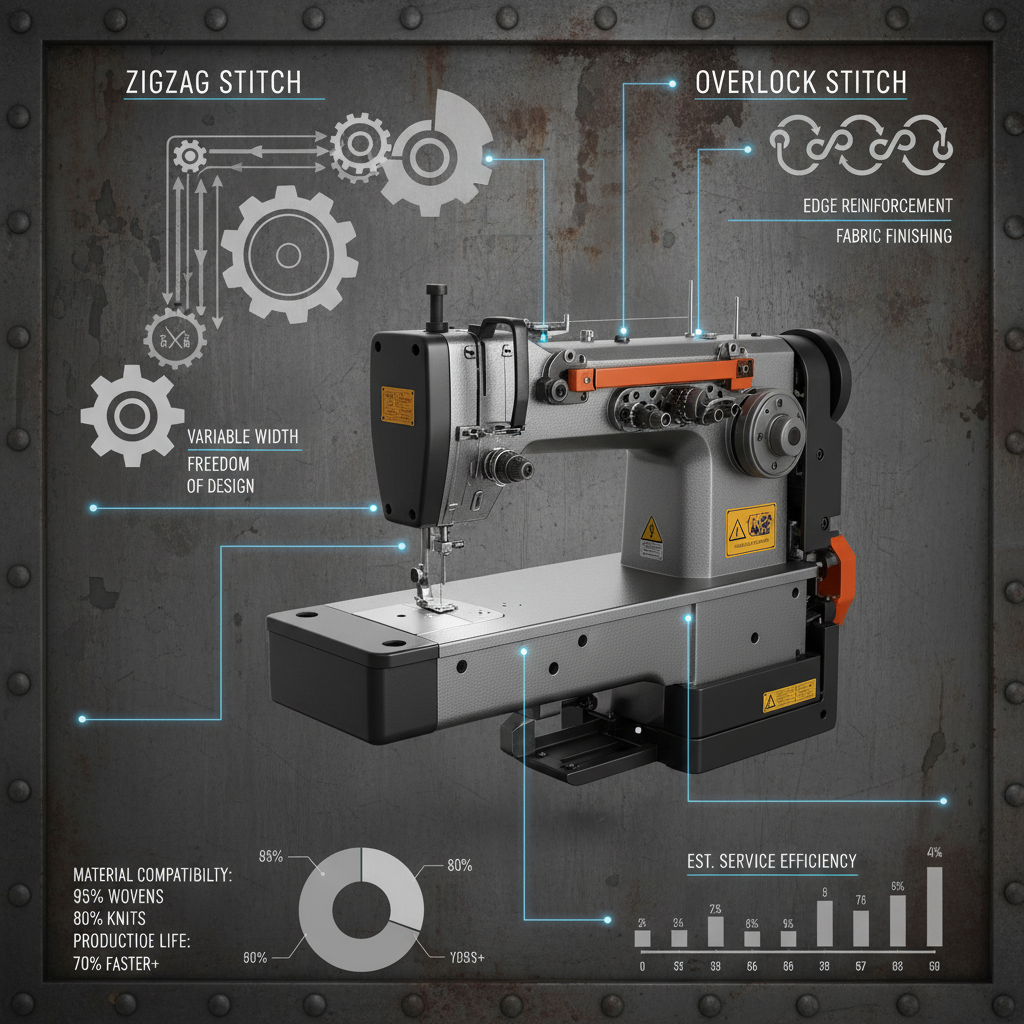
Choosing the Right Machine: Key Considerations
Selecting the appropriate machine depends on your specific needs and the types of projects you'll be undertaking. If you require a versatile machine capable of handling a wide range of stitching tasks, a zigzag machine is an excellent choice. However, if your primary focus is creating professional-looking seams with a clean, finished edge, an overlock machine is the way to go. Consider the fabric types you’ll be working with, the volume of production, and your budget when making your decision. Longsew’s expert team can provide personalized recommendations to help you find the perfect machine for your requirements.
Conclusion: Empowering Your Sewing with the Right Tools
Investing in the right zigzag and overlock machine can significantly enhance the quality, efficiency, and professionalism of your sewing projects. Whether you're a seasoned manufacturer or a passionate hobbyist, understanding the unique capabilities of each machine will empower you to achieve outstanding results. Choose wisely and unlock your sewing potential!
Frequently Asked Questions (FAQs)
What types of fabrics are best suited for an overlock machine?
Overlock machines excel at finishing the edges of both knit and woven fabrics. Knit fabrics, such as jersey and fleece, benefit from the overlock stitch's ability to stretch with the fabric, preventing seams from breaking. Woven fabrics, like cotton and linen, also receive a clean, durable finish with an overlock machine. The key is that the overlock stitch encases the raw edge, preventing fraying and adding strength to the seam.
Can a zigzag machine be used as a substitute for an overlock machine?
While a zigzag machine can create a basic edge finish, it doesn't offer the same level of functionality as an overlock machine. A zigzag stitch can prevent fraying, but it doesn't simultaneously cut and overlock the edge. It also doesn't produce the same clean, professional finish. For high-volume production or projects requiring a durable, stretchable seam, an overlock machine is highly recommended.
What maintenance is required for zigzag and overlock machines?
Regular maintenance is crucial for ensuring optimal performance. This includes cleaning lint buildup, oiling moving parts, and replacing needles as needed. For overlock machines, it’s also important to check and adjust the tension settings regularly. Following the manufacturer's instructions for maintenance will extend the lifespan of your machine and prevent breakdowns. Longsew provides comprehensive support and maintenance resources.
Are there different types of overlock machines available?
Yes, there are several types of overlock machines, including 3-thread, 4-thread, and 5-thread models. The number of threads determines the width and durability of the seam. 3-thread overlocks are suitable for lighter-weight fabrics, while 4-thread and 5-thread models are ideal for heavier fabrics and applications requiring a more robust seam. There are also coverstitch overlock machines, which create a professional-looking coverstitch often used on sportswear.
Latest news
-
Industrial Bag Sewing Machine Price and Comprehensive Buying GuideNewsApr.16,2026
-
Industrial Hand Held Bag Closer for Efficient Packaging SealingNewsApr.16,2026
-
Industrial Hand Held Bag Closer Sewing Machine for PackagingNewsApr.16,2026
-
Efficient Industrial Bag Closer Sewing Machine for PackagingNewsApr.16,2026
-
Industrial Sewing Guide for Choosing the Right Closer MachineNewsApr.16,2026
-
Guide to Capital Bag Closer Machine Price and Buying FactorsNewsApr.16,2026
-
Say goodbye to inefficient cutting! This heavy-duty webbing hot cutting machine redefines the new standard for industrial cuttingNewsApr.14,2026

Hebei LongSew Machinery Technology Co. Ltd is beginning as sewing machine parts supplier, now Longsew have over twenty years experience in complete set sewing machine offering.


CLASSIFICATION
CONTACT US
-

No.368 North Youyi Street, Shijiazhuang City, Hebei Province, China
-

-

Copyright © 2026 HEBEI LONGSEW MACHINERY TECHNOLOGY CO. LTD All Rights Reserved. Sitemap | Privacy Policy | Top Blog | Global Service