

Feb . 27, 2026 01:55
Back to list
Exploring the Capabilities of the Zigzag and Stitching Machine for Modern Textile Work
Understanding the Versatility of the Zigzag and Stitching Machine
The zigzag and stitching machine represents a cornerstone in modern textile manufacturing and garment creation. This versatile machine isn't merely a tool for sewing straight lines; it's capable of a wide array of stitching patterns, making it invaluable for both industrial and domestic applications. From creating decorative seams to reinforcing edges and producing specialized stitches, its functionality is extensive. Understanding its capabilities is key to maximizing its potential. Longsew offers a range of these machines designed to meet diverse needs.
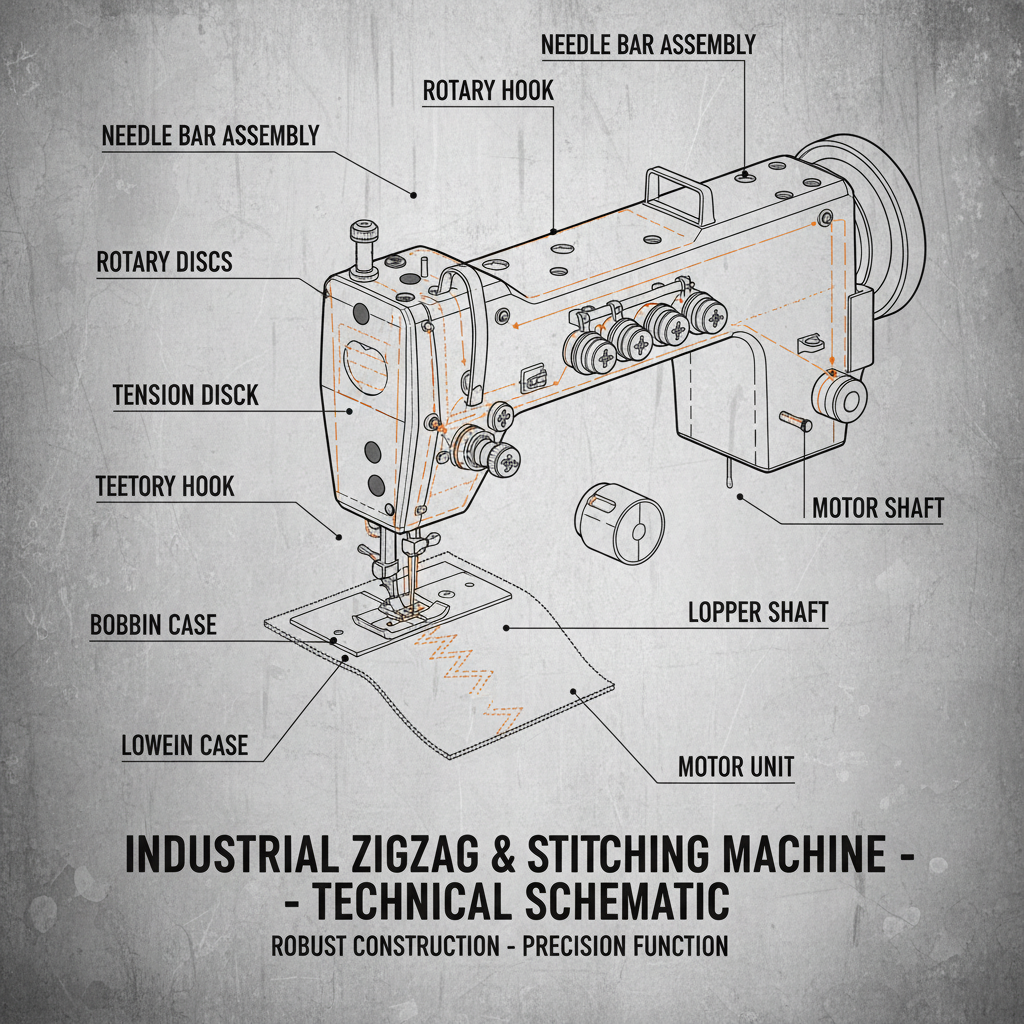
The Core Functionality: Zigzag Stitching and Beyond
At its heart, the zigzag and stitching machine excels at producing the zigzag stitch – a back-and-forth pattern. This stitch is remarkably adaptable, allowing for adjustable stitch width and length. However, the machine's capabilities extend far beyond this basic function. Modern models can perform a wide variety of stitches, including overlock stitches for finishing raw edges, buttonhole stitches, decorative stitches, and even basic embroidery. This multifunctionality streamlines the sewing process and reduces the need for multiple specialized machines. The ability to switch between stitch types quickly makes it a valuable asset in production environments. Explore Longsew’s catalog to discover models with extended stitch selections.
Key Benefits: Versatile stitch options, durable construction, adaptable to a wide range of fabrics, efficient for both simple and complex sewing tasks.
Applications Across Industries: From Fashion to Home Textiles
The applications of a zigzag and stitching machine are incredibly diverse. In the fashion industry, they’re essential for creating garments, from simple t-shirts to intricate dresses and outerwear. They're used for seam construction, attaching elastic, creating decorative embellishments, and much more. Beyond fashion, these machines play a crucial role in the production of home textiles like curtains, upholstery, and bedding. They're also used in the creation of automotive interiors, leather goods, and industrial fabrics. Their adaptability makes them suitable for both mass production and small-scale custom projects.
Key Industry Applications:
• Fashion and Apparel Manufacturing
• Home Textile Production
• Automotive Interior Manufacturing
• Leather Goods Crafting
Zigzag and Stitching Machine: A Feature Comparison
Choosing the right zigzag and stitching machine requires considering various features. Different models offer varying levels of automation, stitch options, and capabilities. Below is a comparison of key features across different machine types.
Choosing the Right Machine: Considerations & Longsew Solutions
When selecting a zigzag and stitching machine, factors like the type of fabrics you'll be working with, the volume of projects, and your budget are crucial. For light-duty home sewing, a mechanical or basic electronic machine may suffice. However, for industrial applications or handling heavy-duty materials, a computerized machine with robust features is highly recommended. Longsew provides a comprehensive range of machines, from entry-level models to advanced industrial solutions, ensuring there's an option to match every need. Consider features like automatic thread trimming, adjustable stitch length and width, and a variety of presser feet to maximize efficiency and achieve professional results.
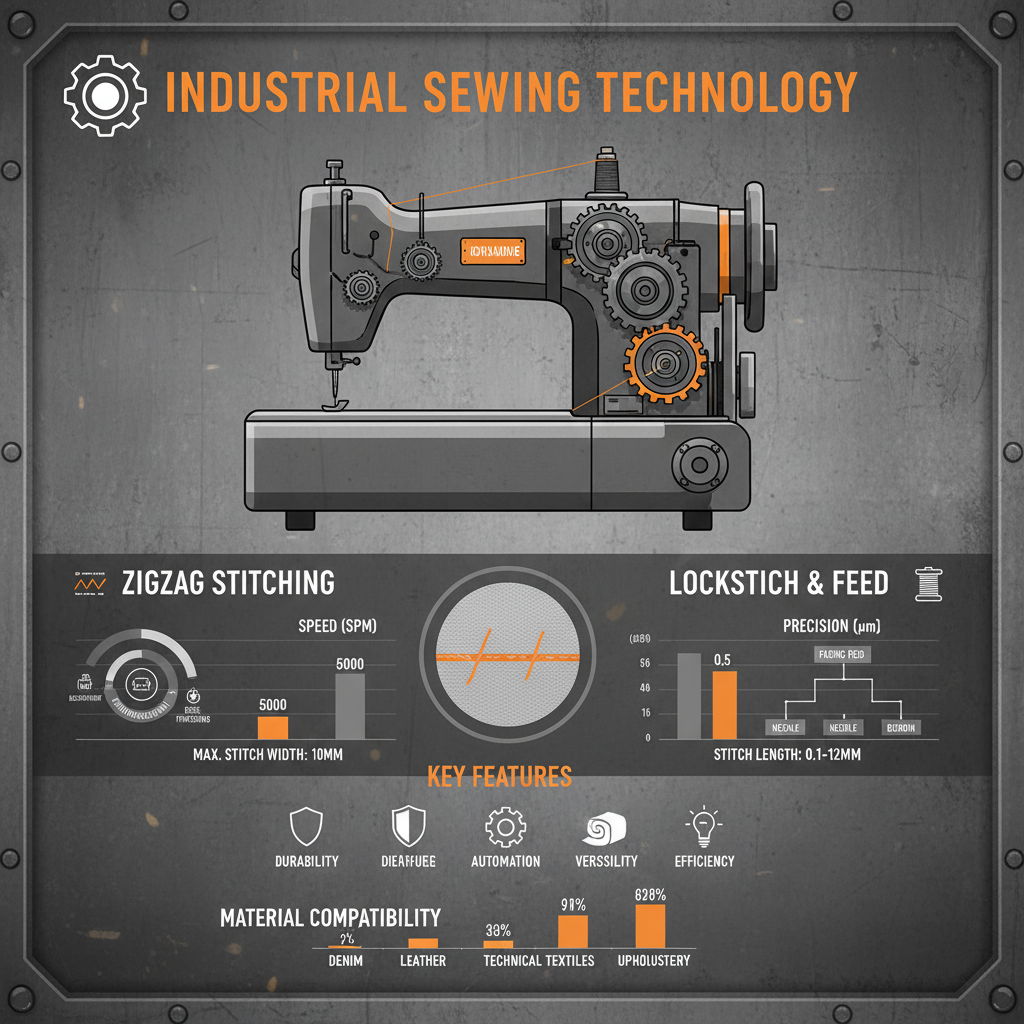
Conclusion: Powering Creativity and Efficiency
The zigzag and stitching machine remains an indispensable tool in the world of textiles. Its versatility, coupled with advancements in technology, has made it a cornerstone of both home crafting and large-scale manufacturing. Choosing the right machine from a trusted provider like Longsew ensures long-term reliability and optimal performance.
Frequently Asked Questions (FAQs)
What types of fabrics can a zigzag and stitching machine handle?
A zigzag and stitching machine is remarkably versatile and can handle a wide range of fabrics, from lightweight silks and cottons to heavier materials like denim and leather. However, the appropriate needle and thread should always be selected based on the fabric type. Using the correct needle size and thread weight is crucial for achieving clean, consistent stitches and preventing damage to the fabric or machine. Different presser feet can also be used to optimize performance with specific fabrics. Generally, adjustable pressure is a key feature for working with diverse materials.
How often should a zigzag and stitching machine be serviced?
Regular servicing is crucial for maintaining the performance and longevity of your machine. For home use, annual servicing is generally recommended. For industrial machines that are used frequently, servicing every 6-12 months is advisable. Servicing typically includes cleaning, lubrication, and inspection of key components. Ignoring regular maintenance can lead to decreased performance, increased risk of breakdowns, and potentially costly repairs. Longsew offers servicing options and preventative maintenance guides.
What is the difference between a mechanical and computerized zigzag machine?
The primary difference lies in the level of automation and control. Mechanical machines rely on manual operation, with dials and levers for stitch selection and adjustment. Computerized machines use a digital interface for greater precision and a wider range of stitch options. They often feature automatic functions like thread trimming and needle threading. Computerized machines are generally more expensive but offer increased efficiency and versatility. Mechanical machines are a good entry-level option for basic sewing tasks.
Latest news
-
Industrial Bag Sewing Machine Price and Comprehensive Buying GuideNewsApr.16,2026
-
Industrial Hand Held Bag Closer for Efficient Packaging SealingNewsApr.16,2026
-
Industrial Hand Held Bag Closer Sewing Machine for PackagingNewsApr.16,2026
-
Efficient Industrial Bag Closer Sewing Machine for PackagingNewsApr.16,2026
-
Industrial Sewing Guide for Choosing the Right Closer MachineNewsApr.16,2026
-
Guide to Capital Bag Closer Machine Price and Buying FactorsNewsApr.16,2026
-
Say goodbye to inefficient cutting! This heavy-duty webbing hot cutting machine redefines the new standard for industrial cuttingNewsApr.14,2026

Hebei LongSew Machinery Technology Co. Ltd is beginning as sewing machine parts supplier, now Longsew have over twenty years experience in complete set sewing machine offering.


CLASSIFICATION
CONTACT US
-

No.368 North Youyi Street, Shijiazhuang City, Hebei Province, China
-

-

Copyright © 2026 HEBEI LONGSEW MACHINERY TECHNOLOGY CO. LTD All Rights Reserved. Sitemap | Privacy Policy | Top Blog | Global Service