

Mar . 06, 2026 02:35
Back to list
Understanding Overlock Machine Price A Comprehensive Buying Guide
Understanding the Overlock Machine Price: A Comprehensive Guide
When considering an overlock machine for your business, understanding the price range and the factors influencing it is crucial. The cost can vary significantly depending on features, automation level, and brand. This article provides a detailed overview of overlock machine prices, helping you make an informed purchasing decision. We'll explore the different types, pricing factors, and how to choose the best machine for your needs. Selecting the right machine is essential for improving production efficiency and product quality.
Factors Influencing Overlock Machine Price
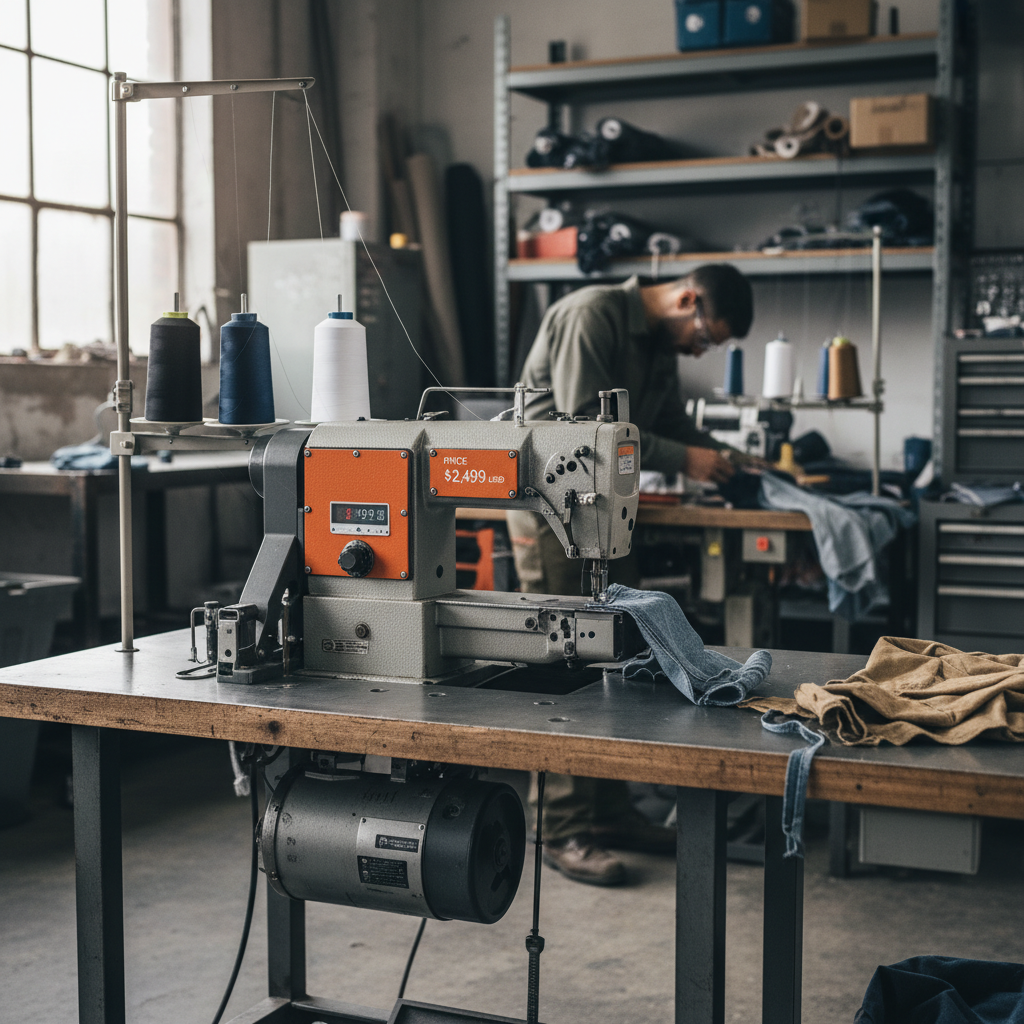
Several key factors contribute to the price of an overlock machine. These include the number of threads it can handle (3, 4, 5, or 6 threads), the level of automation (mechanical, semi-automatic, or fully automatic), the brand reputation, and the features offered. Machines designed for heavy-duty industrial use will naturally be more expensive than those intended for home or small-scale operations. The presence of features like automatic thread trimming, differential feed, and adjustable stitch length also impacts the cost. Understanding these factors will allow you to prioritize your needs and budget effectively. Investing in a machine that aligns with your production volume and fabric types is crucial.
Key Considerations: Automation level, number of threads, brand, and special features all play a role in determining the final price of an overlock machine.
Types of Overlock Machines and Their Price Ranges
Overlock machines come in various types, each with a different price point. Domestic machines are typically the most affordable, while industrial models represent a higher investment. Here's a breakdown of common types and their approximate price ranges:
Brand Reputation and Overlock Machine Price
The brand of the overlock machine also significantly influences the price. Established brands like Longsew are known for their quality, durability, and reliability, and typically command a higher price than lesser-known brands. These brands often offer better warranties, customer support, and readily available replacement parts. While cheaper alternatives might seem appealing, they may lack the longevity and performance of a reputable brand. Consider the long-term cost of ownership, including maintenance and potential repairs, when evaluating different brands. Longsew machines provide exceptional value and are designed for high-volume production.
Comparing Popular Overlock Machine Models
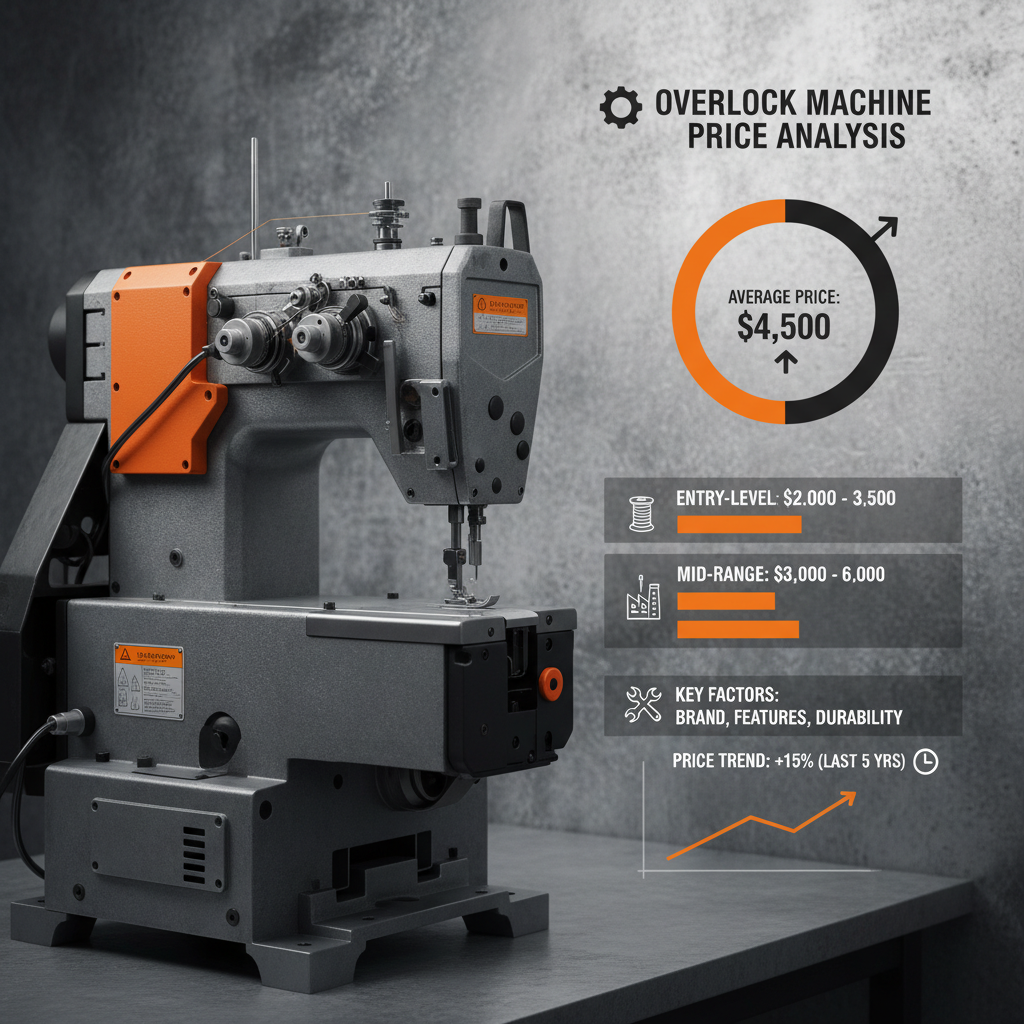
Here's a comparative look at some popular overlock machine models, showcasing their features and approximate prices:
Negotiating and Finding the Best Deal
Don't hesitate to negotiate with suppliers, especially when purchasing multiple machines. Look for promotions, discounts, and package deals. Consider refurbished or used machines if your budget is limited, but ensure they come with a warranty. Comparing quotes from different vendors is crucial. Longsew frequently offers competitive pricing and customized solutions for businesses of all sizes.
Conclusion: Making an Informed Decision
Understanding the overlock machine price requires considering numerous factors. By evaluating your needs, comparing models, and researching brands like Longsew, you can find the perfect machine to enhance your production process and achieve optimal results. Investing in a quality overlock machine is a smart move for any garment or textile business.
Frequently Asked Questions (FAQs)
What is the average lifespan of an industrial overlock machine?
With proper maintenance, an industrial overlock machine can last for 10-20 years or even longer. Regular oiling, cleaning, and replacement of worn parts are crucial for maximizing its lifespan. The frequency of use and the intensity of the work it performs also affect longevity. Investing in a high-quality machine from a reputable brand like Longsew can significantly extend its operational life.
How does the number of threads affect the overlock machine's price?
Generally, machines capable of handling more threads (5 or 6) are more expensive than those with fewer threads (3 or 4). This is because they have more complex mechanisms and offer greater versatility in creating different seam finishes. More threads allow for wider and more durable seams, crucial for heavier fabrics or specialized applications. Machines with more threads also often include additional features for managing and controlling the multiple thread paths.
What maintenance is required for an overlock machine?
Regular maintenance includes oiling moving parts, cleaning lint and debris, replacing needles and blades, and checking thread tension. More extensive maintenance, such as timing adjustments, may require a qualified technician. Following the manufacturer's recommended maintenance schedule is essential for preventing breakdowns and ensuring optimal performance. Longsew provides comprehensive maintenance guides and support for its machines.
Is it worth investing in an automatic thread trimming overlock machine?
For high-volume production, an automatic thread trimming feature can save significant time and labor costs. While these machines typically have a higher upfront price, the increased efficiency and reduced downtime can quickly offset the investment. Automatic thread trimming eliminates the need for manual trimming, resulting in a cleaner finish and faster production speeds.
Latest news
-
Industrial Bag Sewing Machine Price and Comprehensive Buying GuideNewsApr.16,2026
-
Industrial Hand Held Bag Closer for Efficient Packaging SealingNewsApr.16,2026
-
Industrial Hand Held Bag Closer Sewing Machine for PackagingNewsApr.16,2026
-
Efficient Industrial Bag Closer Sewing Machine for PackagingNewsApr.16,2026
-
Industrial Sewing Guide for Choosing the Right Closer MachineNewsApr.16,2026
-
Guide to Capital Bag Closer Machine Price and Buying FactorsNewsApr.16,2026
-
Say goodbye to inefficient cutting! This heavy-duty webbing hot cutting machine redefines the new standard for industrial cuttingNewsApr.14,2026

Hebei LongSew Machinery Technology Co. Ltd is beginning as sewing machine parts supplier, now Longsew have over twenty years experience in complete set sewing machine offering.


CLASSIFICATION
CONTACT US
-

No.368 North Youyi Street, Shijiazhuang City, Hebei Province, China
-

-

Copyright © 2026 HEBEI LONGSEW MACHINERY TECHNOLOGY CO. LTD All Rights Reserved. Sitemap | Privacy Policy | Top Blog | Global Service