

Mar . 06, 2026 02:35
Back to list
Maximize Sewing Efficiency with a Serger and Coverstitch Machine
Understanding the Versatility of a Serger and Coverstitch Machine
For serious sewists and apparel manufacturers, the right machinery can dramatically improve efficiency and quality. Two machines frequently discussed are the serger and coverstitch machine. While both are specialized, they serve distinct purposes in garment construction. A serger excels at finishing raw edges and creating seams, while a coverstitch machine is ideal for hems, decorative stitching, and creating professional-looking sportswear. Understanding the differences and synergies between these machines is crucial for optimizing your sewing projects. Whether you’re creating delicate garments or durable workwear, mastering these tools unlocks a new level of sewing potential.
What is a Serger Machine?
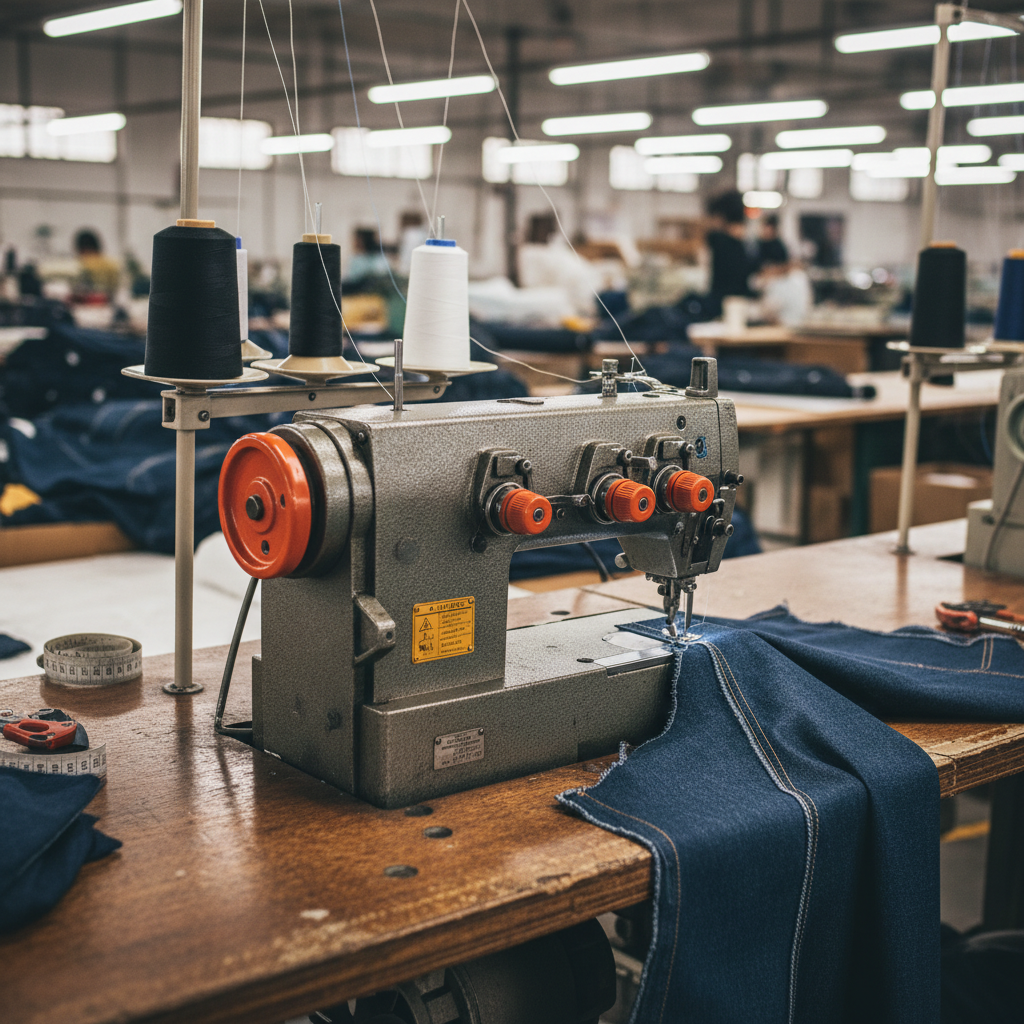
A serger, also known as an overlock machine, is designed to simultaneously sew a seam, trim excess fabric, and encase the raw edge with thread. This process creates a professional finish that prevents fraying and adds durability. Sergers utilize loopers instead of a traditional needle, creating an interwoven stitch that stretches with the fabric. They are invaluable for sewing knits, activewear, and any garment requiring a clean, resilient seam. You can find a wide range of serger machines at Longsew suited for various fabric types and sewing needs.
Key Benefits: Creates professional-looking seams, prevents fabric fraying, ideal for knit fabrics, efficient for mass production.
The Role of a Coverstitch Machine
A coverstitch machine produces a professional hem or decorative stitch that resembles the factory finish often seen on t-shirts and sportswear. It uses needles and loopers to create parallel rows of stitching on the right side of the fabric, with looper threads interlacing on the wrong side. This creates a stretchy, durable seam that is ideal for hems, cuffs, and decorative details. Coverstitch machines excel at working with knit fabrics, providing a clean and flexible finish.
Coverstitch Advantages:
• Creates professional-looking hems
• Ideal for knit and stretchy fabrics
• Adds decorative stitching options
• Provides a durable and flexible seam
Serger vs. Coverstitch: A Head-to-Head Comparison
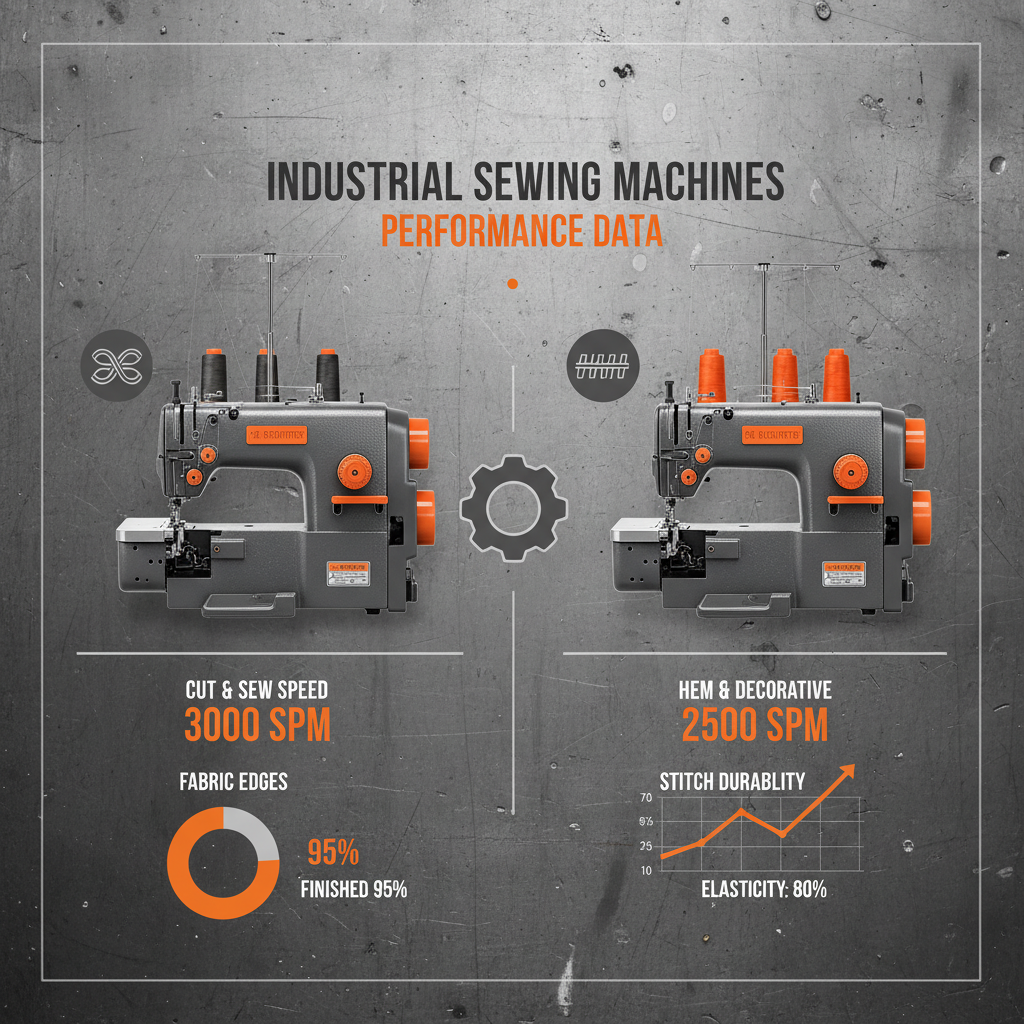
Understanding the core differences between a serger and a coverstitch machine is vital for making the right investment. While both work with knit and woven fabrics, their primary functions and resulting finishes are distinct. A serger is a versatile all-in-one tool for seam finishing and construction, while a coverstitch machine specializes in creating professional hems and decorative stitching.
Combining Serger and Coverstitch for Optimal Results
The ideal workflow often involves using both machines in conjunction. A serger can be used to assemble the garment, creating seams and finishing raw edges. Then, a coverstitch machine can be used to create professional-looking hems and decorative details. This combination produces garments with a high-quality, ready-to-wear finish.
Choosing the Right Machine for Your Needs
Selecting between a serger and coverstitch machine depends on your specific sewing goals. If you primarily sew garments with knit fabrics, or create activewear, both machines will be valuable additions to your sewing room. If you're starting out, a serger offers greater versatility. As your skills develop and your needs become more specialized, adding a coverstitch machine will elevate the quality and professionalism of your finished projects.
Conclusion: Empowering Your Sewing with Specialized Machines
Investing in either a serger or a coverstitch machine—or both—can dramatically improve the quality and efficiency of your sewing projects. By understanding their unique strengths and applications, you can choose the machine that best suits your needs and unlock a new level of creative potential. Longsew offers a wide selection of both serger and coverstitch machines to empower your sewing journey.
Frequently Asked Questions (FAQs)
Can a serger be used instead of a coverstitch machine?
While a serger can create a finished edge, it doesn't produce the same professional-looking hem as a coverstitch machine. A serger's overlock stitch is more suited for seam finishing and preventing fraying, while a coverstitch creates a flat, clean hem with a professional appearance. You can attempt a narrow hem on a serger, but it won’t have the same stretch or durability as a coverstitch.
What types of fabric are best suited for a coverstitch machine?
Coverstitch machines excel with knit and stretch fabrics like jersey, rib knit, and spandex. Their stitch creates a flexible and durable hem that moves with the fabric. While you can technically use a coverstitch on woven fabrics, it's generally not recommended as the stitch may not lay flat or provide the desired finish.
How do I maintain my serger and coverstitch machine?
Regular maintenance is crucial for optimal performance. This includes cleaning lint buildup after each use, oiling the machine according to the manufacturer's instructions, and replacing needles and loopers as needed. Keeping the machine clean and properly lubricated will prevent issues and extend its lifespan.
Are sergers and coverstitch machines difficult to learn?
While they may seem intimidating at first, both machines become easier to use with practice. There's a learning curve associated with threading and adjusting the settings. However, numerous online tutorials and resources are available to guide you through the process. Starting with simple projects and gradually increasing complexity will help you master these valuable tools.
Latest news
-
Industrial Bag Sewing Machine Price and Comprehensive Buying GuideNewsApr.16,2026
-
Industrial Hand Held Bag Closer for Efficient Packaging SealingNewsApr.16,2026
-
Industrial Hand Held Bag Closer Sewing Machine for PackagingNewsApr.16,2026
-
Efficient Industrial Bag Closer Sewing Machine for PackagingNewsApr.16,2026
-
Industrial Sewing Guide for Choosing the Right Closer MachineNewsApr.16,2026
-
Guide to Capital Bag Closer Machine Price and Buying FactorsNewsApr.16,2026
-
Say goodbye to inefficient cutting! This heavy-duty webbing hot cutting machine redefines the new standard for industrial cuttingNewsApr.14,2026

Hebei LongSew Machinery Technology Co. Ltd is beginning as sewing machine parts supplier, now Longsew have over twenty years experience in complete set sewing machine offering.


CLASSIFICATION
CONTACT US
-

No.368 North Youyi Street, Shijiazhuang City, Hebei Province, China
-

-

Copyright © 2026 HEBEI LONGSEW MACHINERY TECHNOLOGY CO. LTD All Rights Reserved. Sitemap | Privacy Policy | Top Blog | Global Service