

Mar . 07, 2026 01:55
Back to list
Understanding 3 Thread Overlock Machine Price and Finding Your Ideal Option
Understanding the 3 Thread Overlock Machine Price and Your Options
When starting or expanding a garment manufacturing business, investing in the right equipment is critical. The 3 thread overlock machine is a cornerstone for finishing fabric edges, preventing fraying, and adding a professional touch to your creations. But navigating the market and understanding 3 thread overlock machine price points can be daunting. This article provides a comprehensive overview of factors influencing price, popular models, and what to look for when making your purchase, ultimately helping you secure the best value for your investment. From small workshops to large-scale production facilities, the right overlock machine can significantly impact your efficiency and product quality.
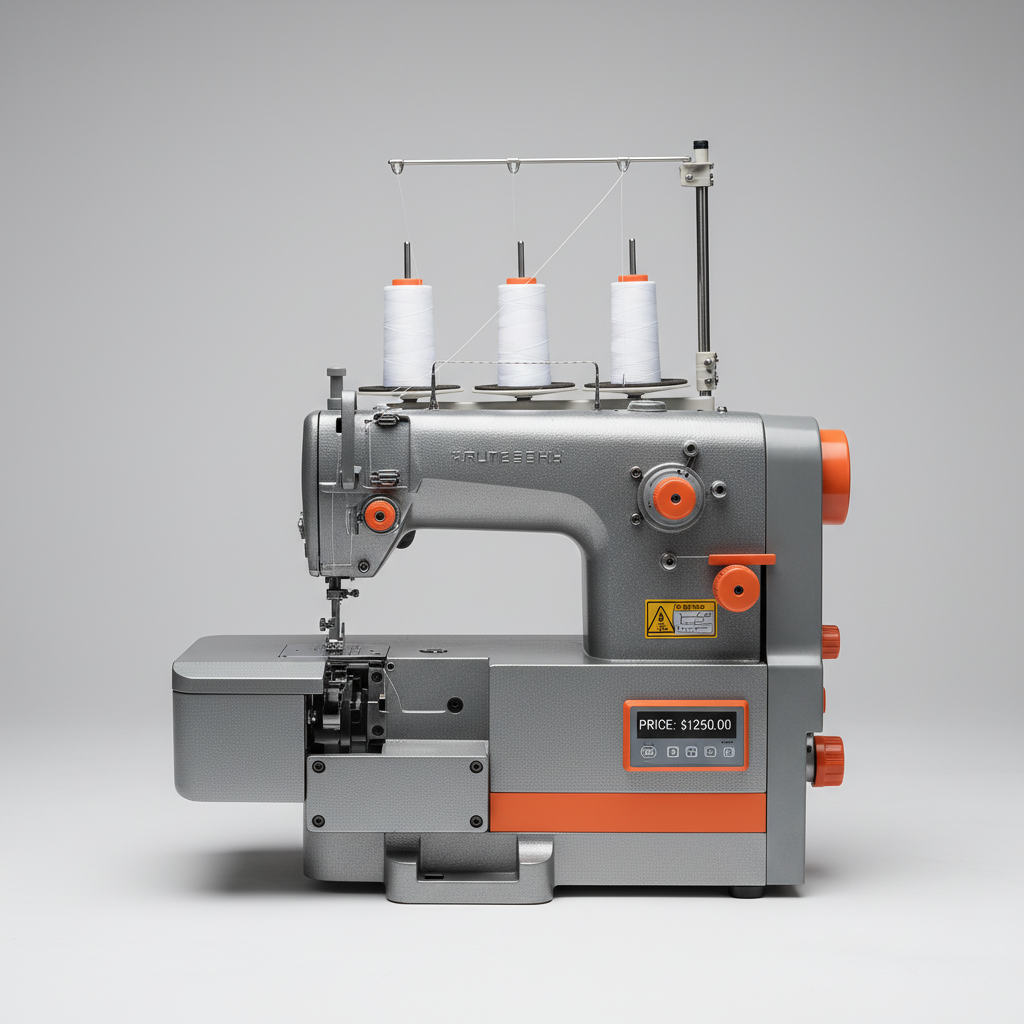
Factors Influencing 3 Thread Overlock Machine Price
Several factors contribute to the price variation of 3 thread overlock machines. The most prominent include the manufacturer's reputation, the machine's features (automatic tension, differential feed, stitch length adjustment), its build quality (materials used, robustness), and the level of automation. Machines designed for heavy-duty industrial use, handling thicker fabrics at high speeds, naturally command a higher price than those intended for light-duty home or small-business applications. Country of origin also plays a role, with machines from established manufacturing hubs often carrying a premium. Finally, the inclusion of accessories – such as extra needles, thread cones, and maintenance tools – will affect the overall cost. It's essential to consider your specific needs and production volume when evaluating different price points.
Key Considerations: Prioritize features based on fabric types, production volume, and desired stitch quality. Don't overspend on automation you won't utilize.
Decoding the Price Ranges: A Market Overview
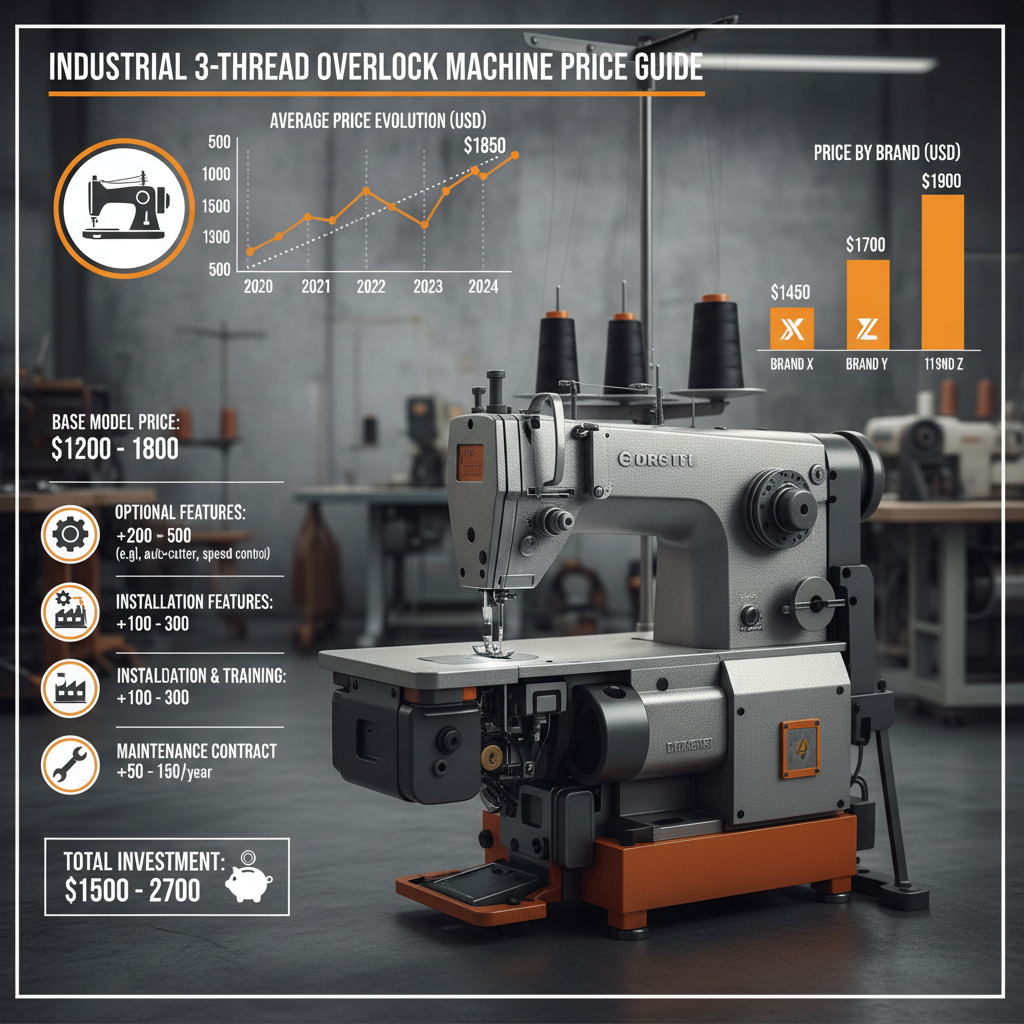
The market for 3 thread overlock machines can be broadly categorized into three price ranges: Entry-level (under $500), Mid-range ($500 - $1500), and High-end (over $1500). Entry-level machines are typically suitable for hobbyists or very small-scale production. They often lack advanced features and may have lower durability. Mid-range machines offer a good balance of features, performance, and price, making them ideal for small businesses and workshops. High-end machines are designed for demanding industrial environments, offering exceptional speed, precision, and longevity. Longsew offers a variety of models across all price points, providing options for diverse budgets and requirements.
Price Range Breakdown:
• Entry-Level ( Basic features, limited durability, suitable for hobbyists.
• Mid-Range ($500-$1500): Good balance of features and price, ideal for small businesses.
• High-End (>$1500): Industrial-grade performance, exceptional durability, suited for large-scale production.
Popular 3 Thread Overlock Machine Models & Price Comparison
Comparing specific models allows for a clearer understanding of what you get for your money. Here's a comparative look at a few popular options:
Maximizing Value: What to Look for When Buying
Beyond the initial 3 thread overlock machine price, consider long-term costs such as maintenance, spare parts availability, and energy consumption. Choose a reputable brand with a reliable support network. Look for features that directly address your production needs, such as automatic tension control for consistent stitch quality or a differential feed for handling stretchy fabrics. Don't hesitate to read reviews and compare specifications carefully. Investing in a quality machine now can save you significant time and money in the long run.
Conclusion: Investing in the Right Overlock Machine
Making an Informed Decision for Your Business
Choosing the right 3 thread overlock machine is a critical investment for any garment-related business. By carefully considering your production needs, budget, and the factors discussed in this article, you can find a machine that delivers exceptional performance, durability, and value. Longsew is committed to providing high-quality overlock machines at competitive prices. Don’t compromise on quality – invest in a machine that will support your success for years to come.
Frequently Asked Questions (FAQs)
What is the typical lifespan of a 3 thread overlock machine?
The lifespan of a 3 thread overlock machine varies greatly depending on usage, maintenance, and the quality of the machine itself. With regular maintenance (lubrication, cleaning, and needle replacement) and moderate use, a well-built machine can last 10-15 years or even longer. Industrial-grade machines are typically designed for heavier use and have a longer lifespan than entry-level models. Neglecting maintenance can significantly shorten the machine's lifespan, leading to increased repair costs and downtime.
What maintenance is required for a 3 thread overlock machine?
Regular maintenance is crucial for keeping your overlock machine running smoothly. This includes daily cleaning to remove lint and debris, weekly lubrication of moving parts, and frequent needle and looper replacements. Checking the tension settings periodically and adjusting them as needed is also important. More extensive maintenance, such as belt replacements and motor servicing, should be performed by a qualified technician. Refer to your machine's manual for specific maintenance recommendations.
What type of fabric can a 3 thread overlock machine handle?
A 3 thread overlock machine is versatile and can handle a wide range of fabrics, including woven, knit, and synthetic materials. However, the thickness and stretchiness of the fabric will influence the machine's performance. Lighter-weight machines are best suited for delicate fabrics, while heavier-duty machines can handle thicker materials like denim and upholstery fabrics. Adjusting the stitch length and differential feed can help optimize the machine's performance for different fabric types.
How does the differential feed work on an overlock machine?
The differential feed is a crucial feature on an overlock machine that allows you to control the rate at which the fabric is fed through the machine. By adjusting the differential feed, you can prevent fabrics from stretching or puckering during sewing. A higher differential feed setting is useful for sewing stretchy fabrics, while a lower setting is suitable for woven fabrics. Mastering the differential feed allows you to achieve professional-looking seams on a variety of materials.
Latest news
-
Industrial Bag Sewing Machine Price and Comprehensive Buying GuideNewsApr.16,2026
-
Industrial Hand Held Bag Closer for Efficient Packaging SealingNewsApr.16,2026
-
Industrial Hand Held Bag Closer Sewing Machine for PackagingNewsApr.16,2026
-
Efficient Industrial Bag Closer Sewing Machine for PackagingNewsApr.16,2026
-
Industrial Sewing Guide for Choosing the Right Closer MachineNewsApr.16,2026
-
Guide to Capital Bag Closer Machine Price and Buying FactorsNewsApr.16,2026
-
Say goodbye to inefficient cutting! This heavy-duty webbing hot cutting machine redefines the new standard for industrial cuttingNewsApr.14,2026

Hebei LongSew Machinery Technology Co. Ltd is beginning as sewing machine parts supplier, now Longsew have over twenty years experience in complete set sewing machine offering.


CLASSIFICATION
CONTACT US
-

No.368 North Youyi Street, Shijiazhuang City, Hebei Province, China
-

-

Copyright © 2026 HEBEI LONGSEW MACHINERY TECHNOLOGY CO. LTD All Rights Reserved. Sitemap | Privacy Policy | Top Blog | Global Service