

Mar . 07, 2026 01:55
Back to list
Comprehensive Guide to 4 Thread Overlock Machine Price and Features
Understanding 4 Thread Overlock Machine Price & Options
Investing in a 4 thread overlock machine is crucial for garment manufacturers, tailoring businesses, and even home sewing enthusiasts. A key factor in choosing the right machine is understanding the 4 thread overlock machine price range and what influences it. This article provides a detailed overview of pricing factors, machine features, and popular models to help you make an informed decision. We’ll explore how to find a balance between quality, functionality, and affordability.
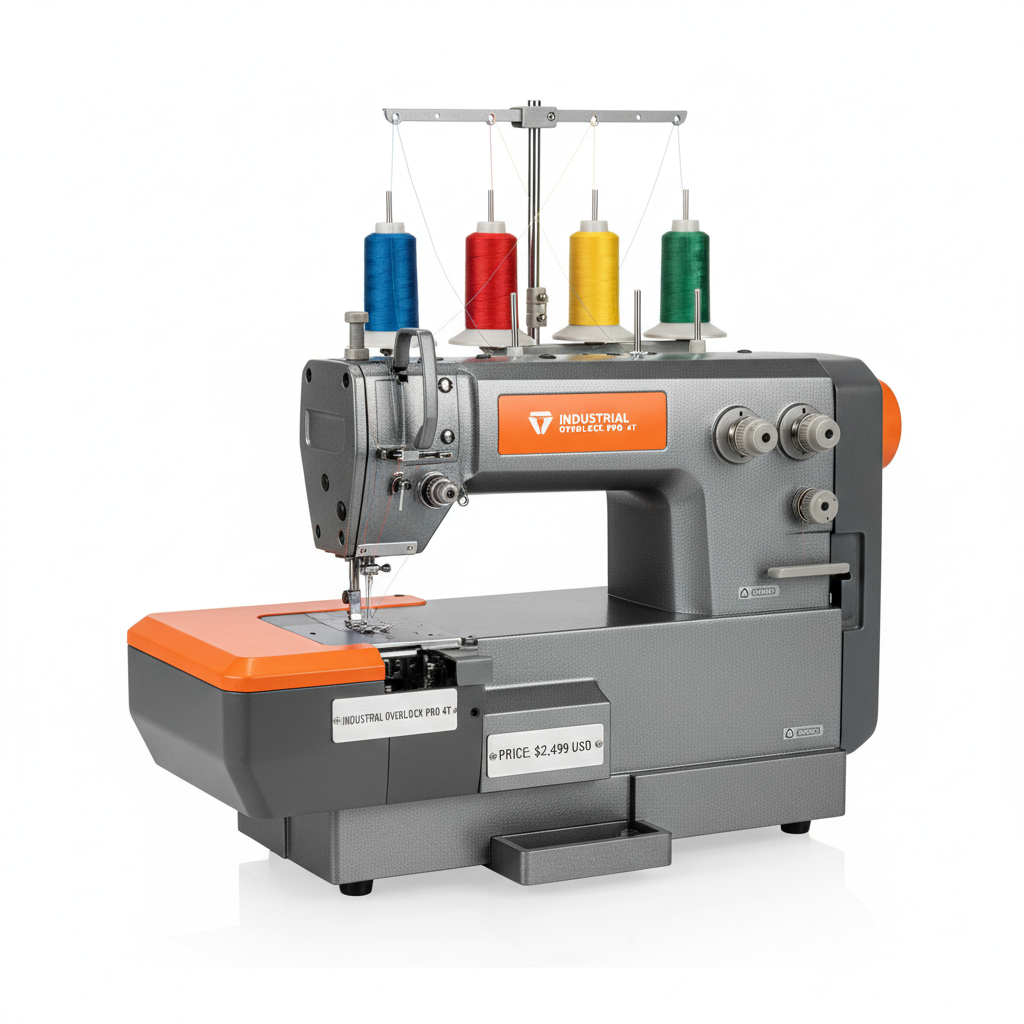
Factors Influencing 4 Thread Overlock Machine Price
Several factors contribute to the final price of a 4 thread overlock machine. These include the brand reputation, machine automation level, sewing speed, stitch quality, and additional features. Industrial-grade machines, designed for heavy-duty use, naturally command higher prices compared to domestic models. The country of origin also plays a role, with machines manufactured in countries known for high-quality engineering often being more expensive. Advanced features such as automatic thread trimming, differential feed, and programmable stitch patterns will also increase the cost. Understanding these factors is essential when setting a budget and identifying your specific needs.
Key Considerations: Brand, automation level, sewing speed, stitch quality, and additional features all impact the price.
Price Range Overview: From Budget-Friendly to Industrial-Grade
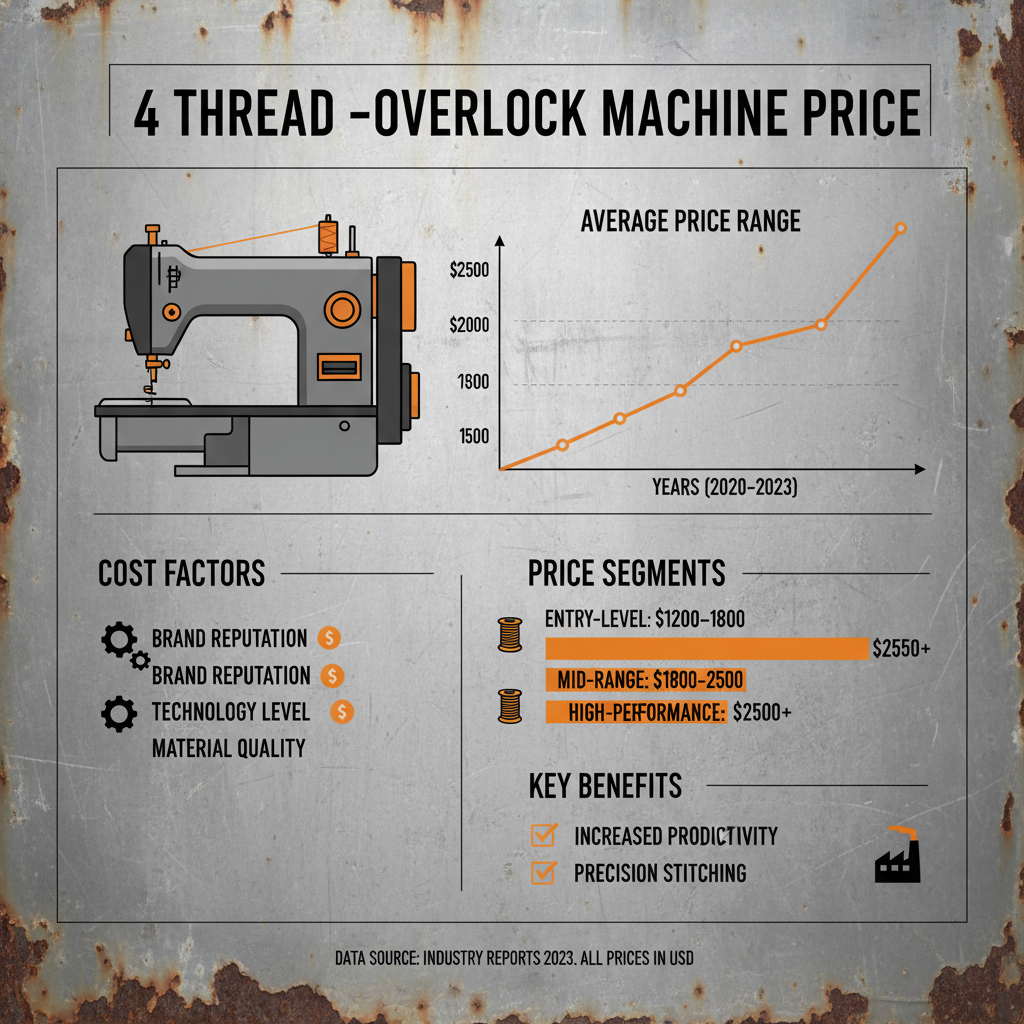
The price range for a 4 thread overlock machine is broad, spanning from a few hundred dollars to several thousand. Domestic machines, suitable for home use and small-scale projects, typically range from $200 to $800. Mid-range machines, offering enhanced features and durability, fall within the $800 to $1,500 price bracket. Industrial overlock machines, designed for high-volume production, start at $1,500 and can exceed $3,000 depending on their capabilities. It's important to consider your production volume and quality requirements when determining the appropriate price point. Longsew offers a variety of machines across all price ranges.
Price Range Breakdown:
• Domestic Machines: $200 - $800
• Mid-Range Machines: $800 - $1,500
• Industrial Machines: $1,500+
Comparing Popular 4 Thread Overlock Machine Models
Several reputable manufacturers offer high-quality 4 thread overlock machines. Brother, Juki, Singer, and Longsew are all well-known brands. Comparing models based on their features, specifications, and customer reviews is crucial. For example, the Brother MO-654DE is a popular domestic model known for its user-friendliness and affordability. Juki MO-644D is another popular choice, praised for its stitch quality and durability. Industrial options from Longsew, like the LS-600, provide high-speed performance and robust construction.
Essential Features to Consider When Choosing a Machine
Beyond price, prioritize essential features. Differential feed is crucial for preventing fabric stretching or puckering, particularly with knit fabrics. Automatic thread trimming saves time and reduces waste. Adjustable stitch length and width allow for versatility. A sturdy construction and reliable motor ensure long-term durability. Ease of threading and maintenance are also important factors to consider, especially for beginners.
Where to Find the Best Deals on 4 Thread Overlock Machines
To secure the best possible deal, explore multiple sources. Check manufacturer websites like Longsew for direct sales and promotions. Online marketplaces such as eBay and Amazon often offer competitive pricing. Consider contacting local sewing machine dealers for personalized advice and potential discounts. Keep an eye out for seasonal sales and clearance events. Don't hesitate to negotiate with sellers, especially for larger purchases.
Conclusion: Finding the Right 4 Thread Overlock Machine for Your Needs
Choosing the right 4 thread overlock machine requires careful consideration of your budget, production needs, and desired features. By understanding the factors that influence price and comparing different models, you can find a machine that delivers exceptional performance and value. Longsew offers a wide selection of machines to meet a variety of requirements. Investing in a quality overlock machine is an investment in the quality and efficiency of your sewing projects.
Frequently Asked Questions (FAQs)
What is the difference between a domestic and an industrial 4 thread overlock machine?
Domestic overlock machines are typically designed for home use and smaller projects, offering lighter weight and a more compact size. They usually have a lower sewing speed and less robust construction than industrial models. Industrial machines, on the other hand, are built for high-volume production and continuous use. They feature powerful motors, durable components, and higher sewing speeds. Industrial machines often have specialized features like automatic thread trimming and differential feed for handling various fabric types with precision. The price difference reflects these capabilities, with industrial machines being significantly more expensive.
How often should I oil my 4 thread overlock machine?
Regular oiling is essential for maintaining the smooth operation and longevity of your 4 thread overlock machine. Generally, you should oil your machine before each use, focusing on the areas specified in your machine's manual, typically including the hook, loopers, and needles. Avoid over-oiling, as this can attract dust and lint. Use a high-quality sewing machine oil and follow the manufacturer's recommendations for oiling frequency.
What fabrics can a 4 thread overlock machine handle?
A 4 thread overlock machine is versatile and can handle a wide range of fabrics, including woven, knit, and synthetic materials. The differential feed feature is particularly useful for preventing stretching or puckering in knit fabrics. Adjusting the stitch length and thread tension allows you to optimize the overlock stitch for different fabric weights and textures. It's always a good practice to test the machine on a scrap piece of fabric before sewing your final project to ensure the stitch settings are correct.
What is differential feed and why is it important?
Differential feed is a feature that allows you to adjust the speed at which the feed dogs move the fabric layers. This is particularly important when working with stretchy fabrics like knits. If the top layer is moving faster than the bottom layer, the fabric will stretch. If the bottom layer is moving faster, the fabric will gather. By adjusting the differential feed, you can achieve a perfectly smooth and even overlock stitch without any stretching or puckering. It’s a key feature for producing professional-looking results on knit garments.
Latest news
-
Industrial Bag Sewing Machine Price and Comprehensive Buying GuideNewsApr.16,2026
-
Industrial Hand Held Bag Closer for Efficient Packaging SealingNewsApr.16,2026
-
Industrial Hand Held Bag Closer Sewing Machine for PackagingNewsApr.16,2026
-
Efficient Industrial Bag Closer Sewing Machine for PackagingNewsApr.16,2026
-
Industrial Sewing Guide for Choosing the Right Closer MachineNewsApr.16,2026
-
Guide to Capital Bag Closer Machine Price and Buying FactorsNewsApr.16,2026
-
Say goodbye to inefficient cutting! This heavy-duty webbing hot cutting machine redefines the new standard for industrial cuttingNewsApr.14,2026

Hebei LongSew Machinery Technology Co. Ltd is beginning as sewing machine parts supplier, now Longsew have over twenty years experience in complete set sewing machine offering.


CLASSIFICATION
CONTACT US
-

No.368 North Youyi Street, Shijiazhuang City, Hebei Province, China
-

-

Copyright © 2026 HEBEI LONGSEW MACHINERY TECHNOLOGY CO. LTD All Rights Reserved. Sitemap | Privacy Policy | Top Blog | Global Service