

Oct . 27, 2025 11:55
Back to list
Lock Stitch Sewing Machine | Industrial-Grade, High-Speed
FIBC Production, Up Close: The GSC2602 Series Single-Needle Lockstitch Workhorse
If you’ve spent time on a FIBC bag line, you already know the value of a precise, stubbornly reliable Lock Stitch Sewing Machine. The GSC2602 family from Longsew—GSC2602 / GSC2602TD / GSC2602-L25 / GSC2602-L25TD—was built to replace old-school shuttle hook “4-1” setups. In fact, many customers say the switch felt overdue: cleaner seams, fewer stoppages, more consistent bag performance. I’ve seen that vibe on factory floors, to be honest.
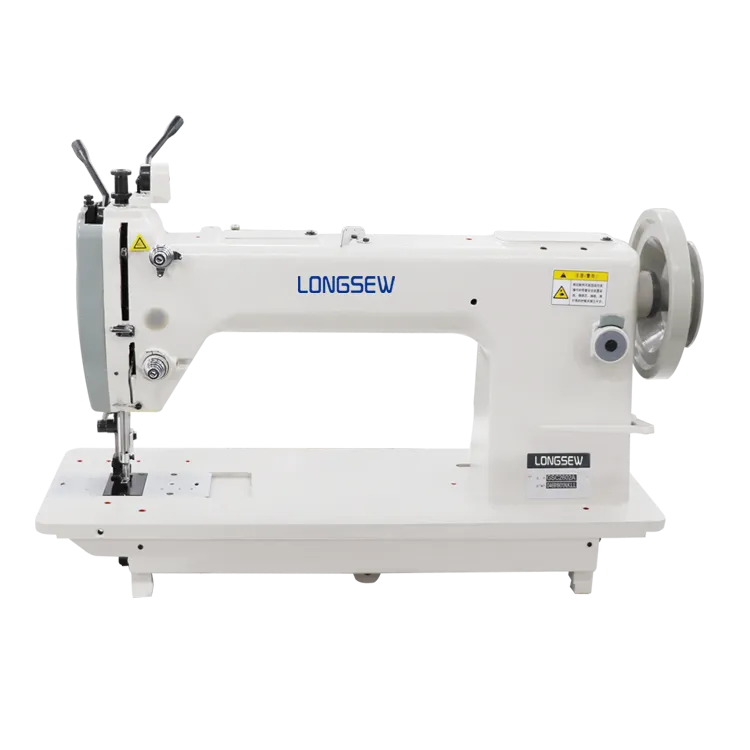
Why the shift? Trends you can feel
FIBC makers are tightening seam quality tolerances to meet ISO and buyer audits, while trying to squeeze out more throughput without blowing the maintenance budget. The Lock Stitch Sewing Machine approach—class 301 per ISO 4915—delivers stable seam efficiency on PP woven fabrics with fewer quirks than shuttle systems. Actually, it’s also quieter and noticeably less fussy with tension on multi-ply bonded polyester threads.
Core specifications (real-world oriented)
| Parameter | GSC2602 | GSC2602TD | GSC2602-L25 | GSC2602-L25TD |
|---|---|---|---|---|
| Stitch / Feed / Bed | Single-needle lockstitch (ISO 4915: 301), top & bottom feed, flat-bed | |||
| Working space | ≈300 mm | ≈300 mm | ≈635 mm (≈25") long arm | ≈635 mm (≈25") long arm |
| Max stitch length | ≈0–10 mm | ≈0–10 mm | ≈0–10 mm | ≈0–10 mm |
| Max speed | ≈1,600–1,800 spm | ≈1,500–1,700 spm (with puller) | ≈1,400–1,600 spm | ≈1,300–1,500 spm |
| Needle | DPx17 (#21–#26) depending on fabric/webbing | |||
| Presser foot lift | ≈18–22 mm (knee/pneumatic options) | |||
| Thread | Bonded polyester or PP, 6–12 ply (ticket ≈20–10) | |||
| Motor | High-efficiency servo ≈550–750 W; energy ≈0.5–0.8 kWh in typical shifts | |||
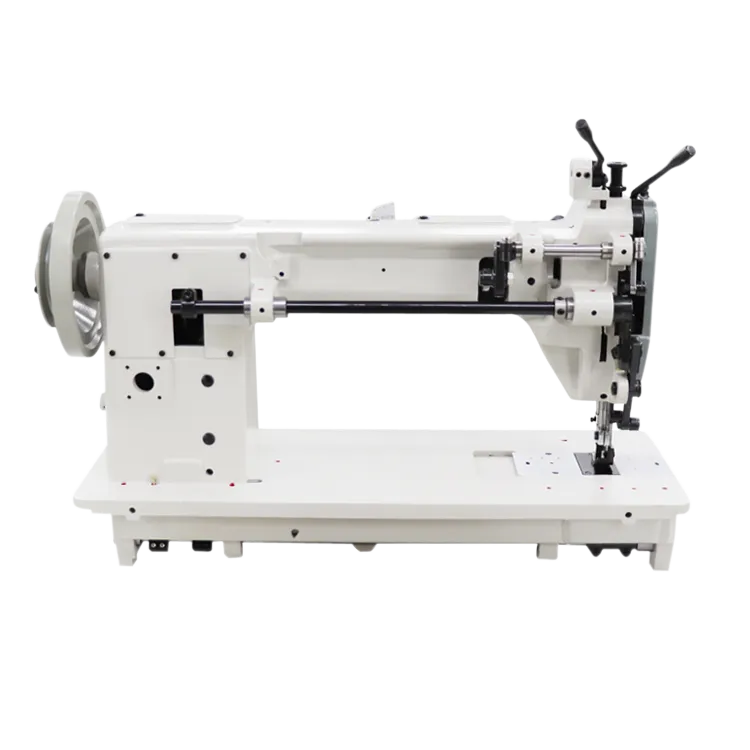
From material to test: a practical flow
Materials: PP woven fabric (≈140–250 gsm), PE liner, webbing (≈60–90 mm), filler cord, and label tapes. Methods: hem the mouth, attach loops, reinforce corners, then close bottom panels—mostly straight seams with occasional double rows for lift points. The Lock Stitch Sewing Machine maintains stitch integrity on multi-layer stacks without drifting.
Testing standards: FIBC performance per ISO 21898; seam strength verified to EN ISO 13935-2 or ASTM D1683; audits often reference stitch type ISO 4915. On real runs we’ve seen seam efficiency ≈85–92% (fabric dependent) and fewer reworks versus shuttle setups. Service life? Around 8–10 years with quarterly service—belts, tension discs, and feed timing checks.
Application scenarios and advantages
- Chemicals, minerals, cement, grains, sugar, seed—anywhere 500–2,000 kg SWL FIBCs are standard.
- Cleaner 301 lockstitch seams reduce sifting; fewer oil stains with modern servos, which auditors appreciate.
- Top-and-bottom feed keeps webbing aligned; surprisingly helpful on coated fabrics that like to slip.
| Vendor/Model | Feeding | Throughput | Maintenance | Capex |
|---|---|---|---|---|
| Longsew GSC2602 series | Top & bottom feed (puller on TD) | +15–30% vs shuttle 4-1 | Low; easy parts access | Mid |
| Generic shuttle 4-1 | Shuttle hook | Baseline | High (shuttle wear, oil) | Low–Mid |
| Generic single-needle, drop-feed | Drop feed only | -5–10% on multi-layer stacks | Mid | Mid |
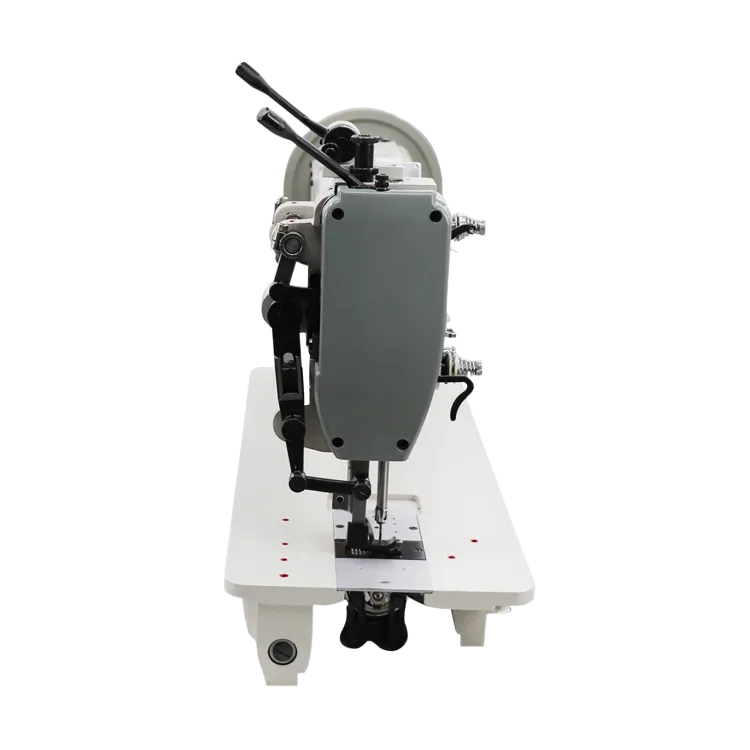
Customization, compliance, and feedback
Options include servo sizes, puller units, binders/folders, guide plates, and pneumatic lifters. Plants chasing food-grade FIBCs often specify clean-room friendly motors and ESD-safe tables. Certifications: CE machine conformity; factories typically carry ISO 9001. It seems that auditors like seeing documented seam audits (EN ISO 13935-2) in the line files.
A Southeast Asian FIBC maker reported a 22% throughput lift and a 30% drop in seam rework after moving key stations to the Lock Stitch Sewing Machine long-arm (L25) variant—particularly noticeable on loop attachments and bottom closures. Noise levels also dropped a notch; operators mentioned less fatigue by week’s end.
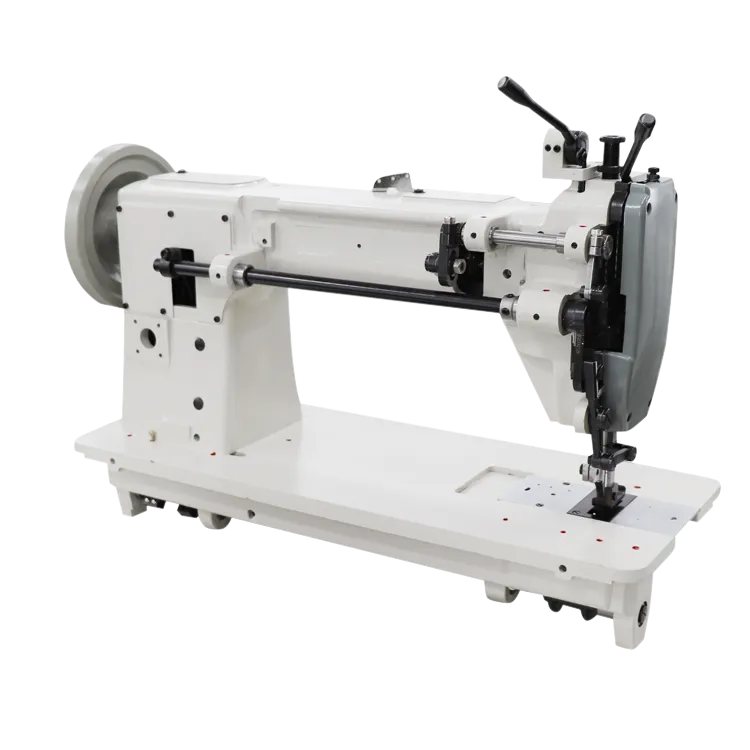
Vendor origin: No.368 North Youyi Street, Shijiazhuang City, Hebei Province, China. If you’re phasing out shuttles, this is a sensible, low-drama upgrade path.
References
Latest news
-
Industrial Bag Sewing Machine Price and Comprehensive Buying GuideNewsApr.16,2026
-
Industrial Hand Held Bag Closer for Efficient Packaging SealingNewsApr.16,2026
-
Industrial Hand Held Bag Closer Sewing Machine for PackagingNewsApr.16,2026
-
Efficient Industrial Bag Closer Sewing Machine for PackagingNewsApr.16,2026
-
Industrial Sewing Guide for Choosing the Right Closer MachineNewsApr.16,2026
-
Guide to Capital Bag Closer Machine Price and Buying FactorsNewsApr.16,2026
-
Say goodbye to inefficient cutting! This heavy-duty webbing hot cutting machine redefines the new standard for industrial cuttingNewsApr.14,2026

Hebei LongSew Machinery Technology Co. Ltd is beginning as sewing machine parts supplier, now Longsew have over twenty years experience in complete set sewing machine offering.


CLASSIFICATION
CONTACT US
-

No.368 North Youyi Street, Shijiazhuang City, Hebei Province, China
-

-

Copyright © 2026 HEBEI LONGSEW MACHINERY TECHNOLOGY CO. LTD All Rights Reserved. Sitemap | Privacy Policy | Top Blog | Global Service