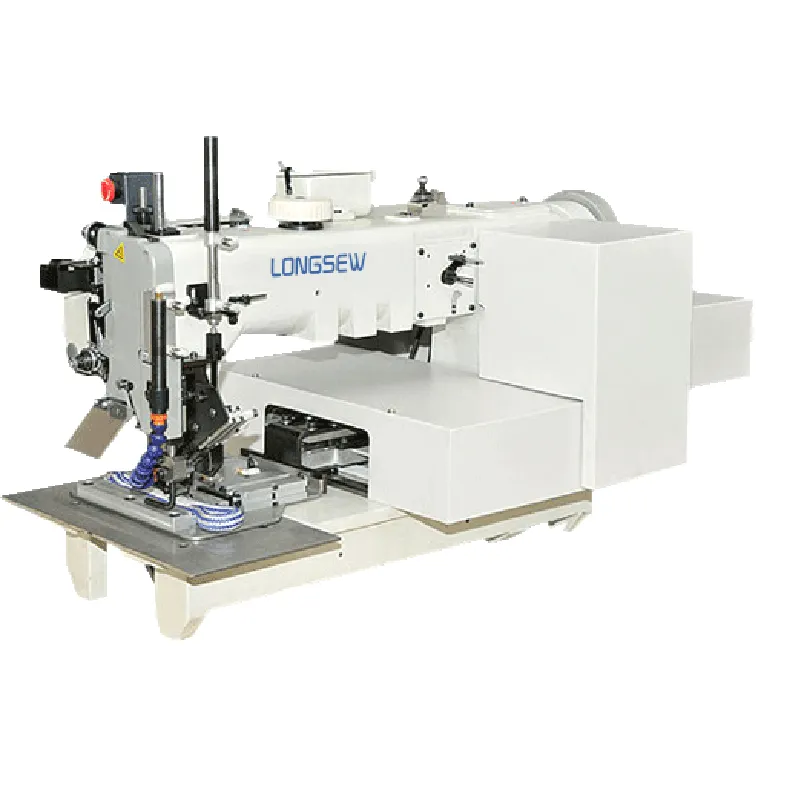
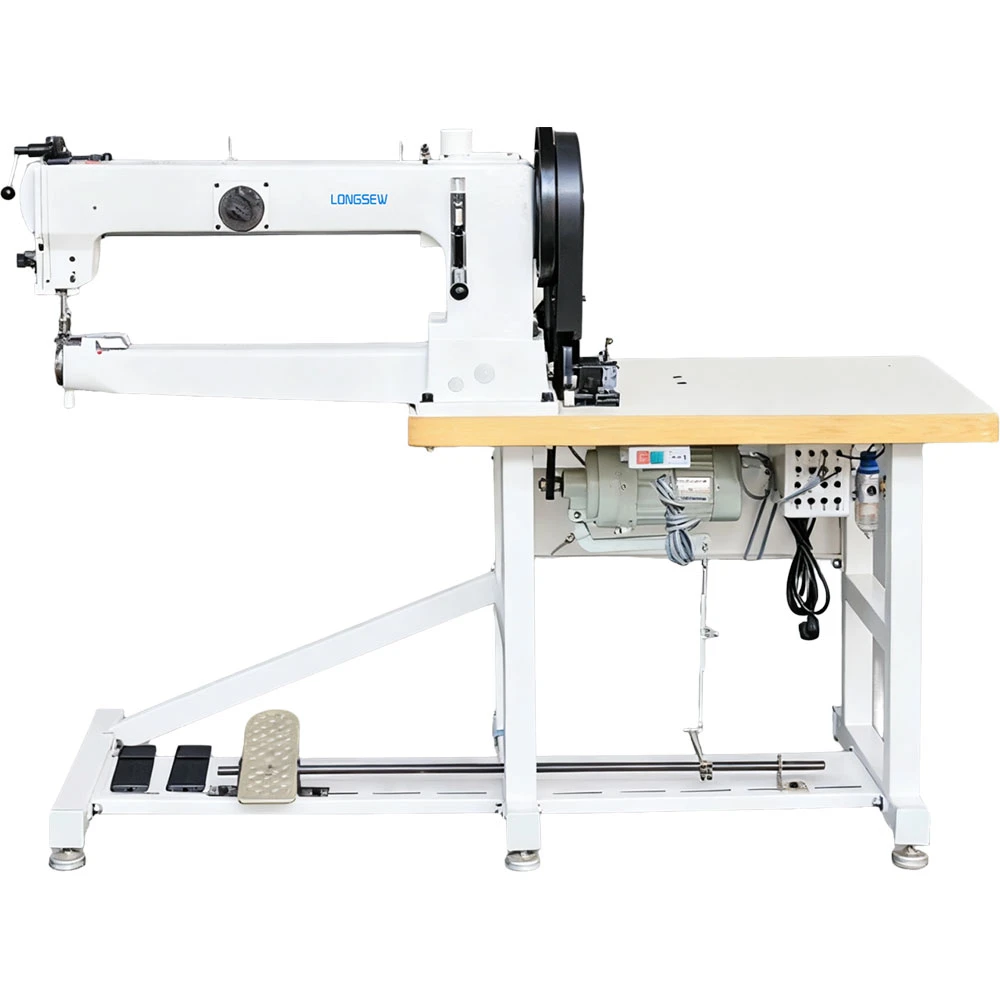
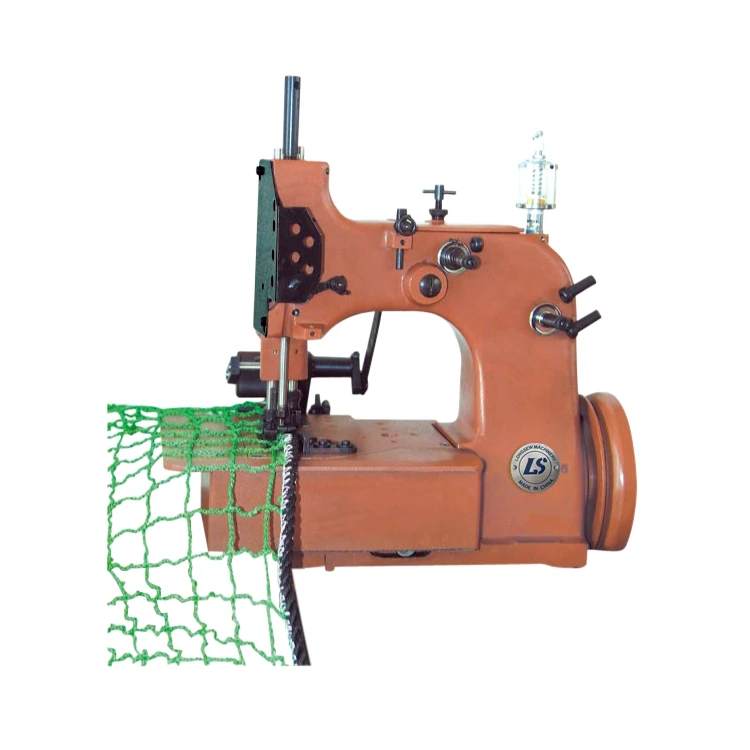
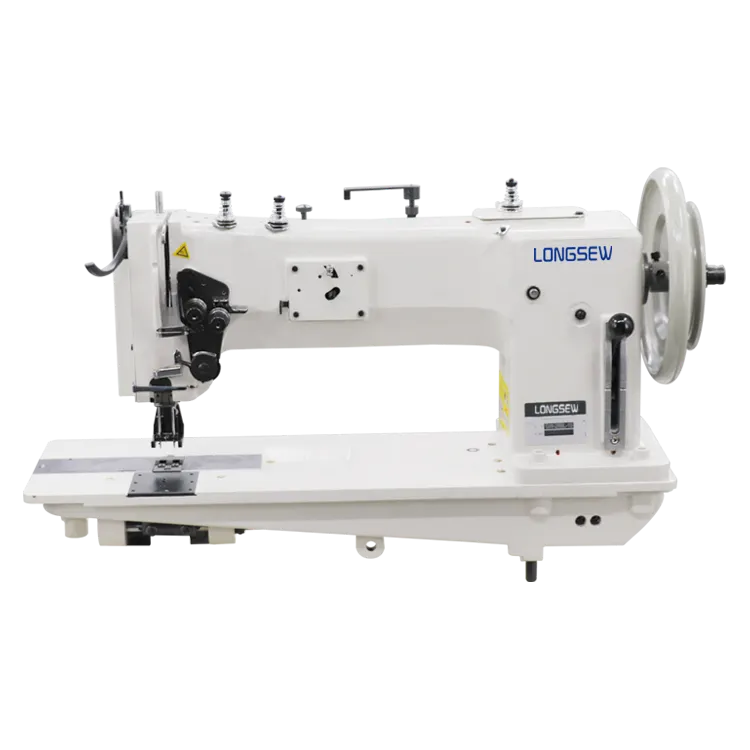
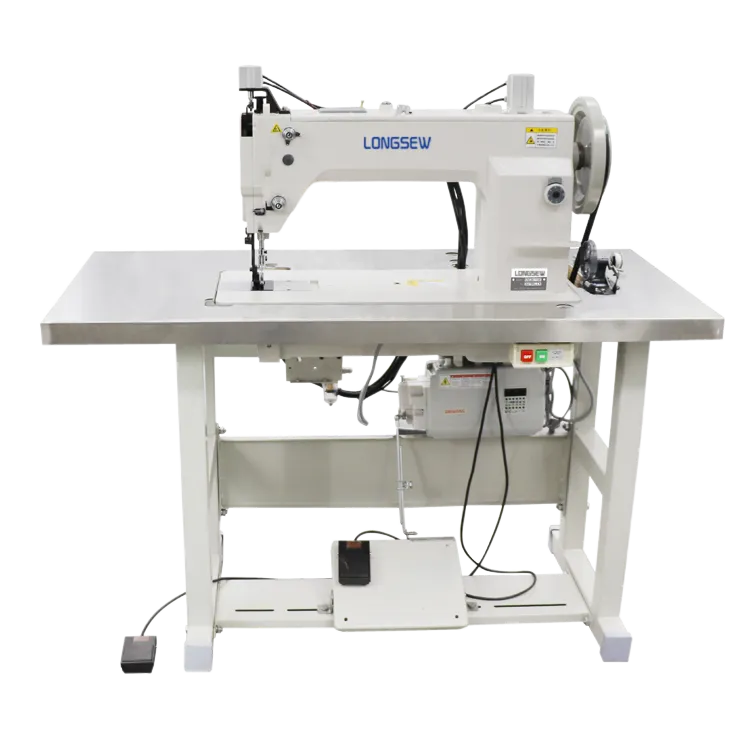
Industrial jumbo bag sewing machine Solutions for Zimbabwe

High-performance industrial stitching equipment engineered for the demanding agricultural and mining packaging sectors in Zimbabwe.

Current State of Bulk Packaging in Zimbabwe

Analyzing the intersection of agricultural exports and industrial stitching needs.

Zimbabwe's manufacturing landscape is heavily driven by the agricultural and mining sectors, where the demand for robust packaging is critical. The use of a big bag sewing machine has become essential for transporting maize, tobacco, and minerals across rugged terrains, requiring seams that can withstand extreme tension.

However, many local facilities still rely on outdated manual equipment that struggles with the heavy-duty polymers used in modern FIBCs. The humid climate and dust levels in industrial zones like Harare and Bulawayo often lead to rapid machine wear, emphasizing the need for specialized, dust-resistant jumbo bag stitching machine units.

Furthermore, the growth of small-scale farming cooperatives has increased the demand for versatile equipment, such as the 50 kg jute bag making machine, to facilitate the packaging of seed and fertilizer for local distribution.

Evolution and Trajectory of Stitching Technology

From manual hand-stitching to automated industrial precision.

Market Development History

In the early 2000s, the Zimbabwean market relied primarily on basic lockstitch machines. These were insufficient for heavy-duty applications, often leading to seam failures during the export of bulk minerals.

Between 2010 and 2020, the industry shifted toward semi-automated systems. The introduction of the specialized fibc sewing machine allowed factories to standardize their production, meeting international ISO standards for bulk container safety.

Today, the market is transitioning toward high-speed, electronically controlled stitching. Modern plants are integrating heavy-duty motors and automatic thread cutters to maximize throughput and reduce waste in the production of jumbo bags.

Future Development Trends

Automated Seam Reinforcement

We expect a surge in PLC-controlled machines that automatically adjust tension based on fabric thickness, reducing human error in high-stress seams.

Energy-Efficient Servo Motors

Given the energy challenges in some regions, the shift toward energy-saving servo motors in stitching equipment will be a primary driver for cost reduction.

Eco-Friendly Material Compatibility

As global demand for biodegradable packaging grows, machines will be optimized to handle recycled polypropylene and natural fibers without compromising speed.

Industry Trends and Future Outlook

Predicting the technological shift in Zimbabwe's textile machinery market.

Digital Precision Control
Integration of digital panels to monitor stitch length and speed for consistent quality.
Heavy-Duty Durability
Enhanced alloys in needles and hooks to reduce downtime in mining bag production.
Modular Upgrades
Modular head designs allowing quick switches between different bag types and sizes.
Sustainable Manufacturing
Reduced oil consumption and noise pollution in compliance with green industrial standards.

Industry Outlook

Based on Google search trends in the Southern African region, there is a growing interest in automated packaging solutions. As Zimbabwe seeks to increase its agricultural export volume, the transition from manual jumbo bag stitching machine processes to fully integrated lines will be inevitable.

We anticipate a 15% increase in the adoption of high-speed industrial sewing systems over the next 3 years, driven by the need for higher safety factors (SF 5:1 and 6:1) in bulk bags for international shipping.

Local Application Scenarios in Zimbabwe

Practical deployments of our stitching technology across diverse Zimbabwean industries.

01. Mining Sector Bulk Transport

Deployment of heavy-duty big bag sewing machine units in the Great Dyke region for stitching bags used in chrome and platinum ore transport.

02. Grain and Maize Storage

Utilization of the 50 kg jute bag making machine for local cooperatives to pack grain for the Grain Marketing Board (GMB).

03. Tobacco Export Packaging

High-precision fibc sewing machine systems used in Harare's packaging hubs to ensure airtight and secure bales for international export.

04. Fertilizer Production Plants

Integration of jumbo bag sewing machine setups in chemical plants to handle heavy granulated fertilizer bags without thread breakage.

05. Cement and Construction Material

Heavy-duty jumbo bag stitching machine applications for 1-ton cement bags used in large-scale infrastructure projects across the country.

Brand Story

Global Development Process of Hebei Longsew Machinery Technology Co., Ltd.

Foundational Engineering

Established with a focus on solving the most difficult challenges in industrial textile machinery, specializing in heavy-duty seams.

Technological Breakthrough

Developed proprietary lubrication systems that extend the life of stitching heads in dusty and harsh environments.

Global Market Expansion

Expanded our footprint into Africa, tailoring machines to the specific power and environmental needs of the Zimbabwean market.

Certification and Quality

Achieved international certifications ensuring that every machine produced meets global safety and durability standards.

Vision for the Future

Committed to empowering global manufacturers with intelligent, sustainable, and indestructible sewing solutions.

Frequently Asked Questions in Zimbabwe

Expert answers to common technical and logistical queries.

Which fibc sewing machine is best for heavy mining bags in Zimbabwe?

For mining bags, we recommend our heavy-duty series with reinforced hooks and automatic tension control to handle high-denier polypropylene fabrics common in the mining sector.

Can a jumbo bag sewing machine handle different fabric thicknesses?

Yes, our machines feature adjustable presser feet and tension settings, allowing them to switch seamlessly between standard FIBCs and reinforced jumbo bags.

What is the maintenance cycle for a big bag sewing machine in dusty environments?

In dusty conditions like those in Zimbabwe's agricultural hubs, we recommend daily cleaning of the bobbin area and weekly lubrication of the main shaft.

Is the 50 kg jute bag making machine suitable for small cooperatives?

Absolutely. It is designed for efficiency and ease of use, making it ideal for cooperatives focusing on seed and fertilizer packaging.

How do I ensure the seam strength of a jumbo bag stitching machine?

Ensure you use high-tenacity bonded polyester thread and calibrate the stitch length to the fabric weight as per our technical manual.

Do these industrial machines support 220V power supplies common in Zimbabwe?

Yes, all our equipment can be configured for 220V/50Hz or 380V/50Hz depending on your factory's electrical infrastructure.

Request a Technical Consultation

Our engineers are ready to optimize your packaging line in Zimbabwe. Contact us for a customized equipment quote.

Contact Us Now

If you are interested in our products, you can choose to leave your information here, and we will be in touch with you shortly.