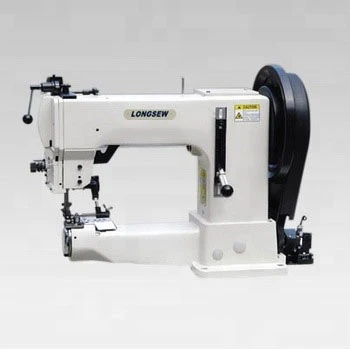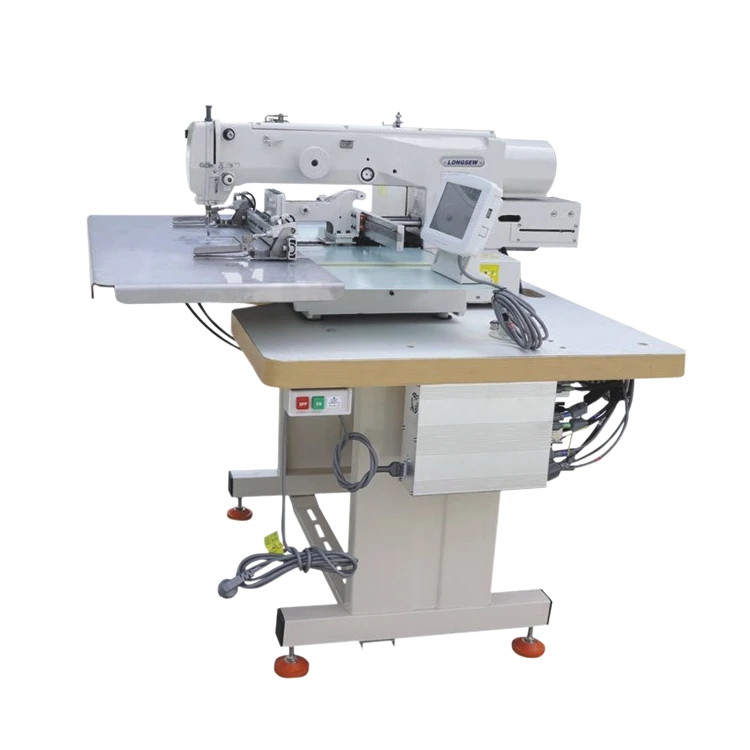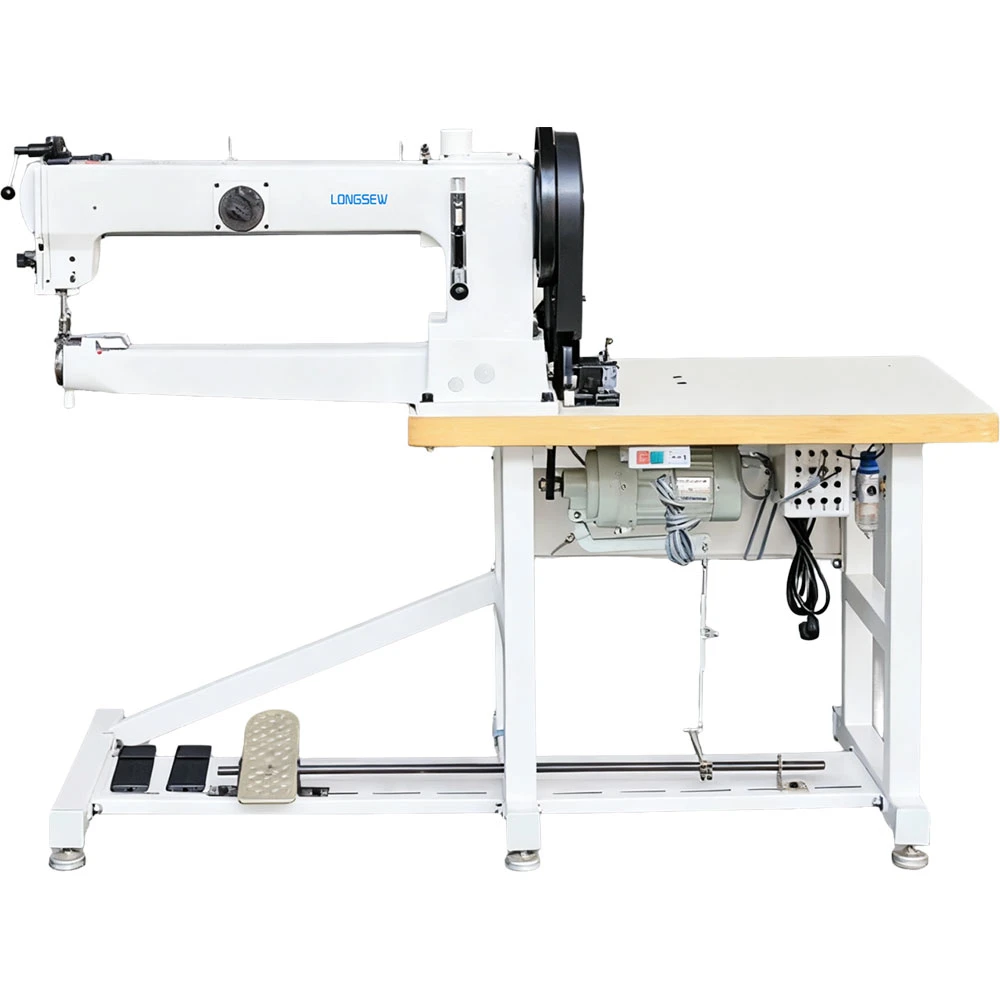
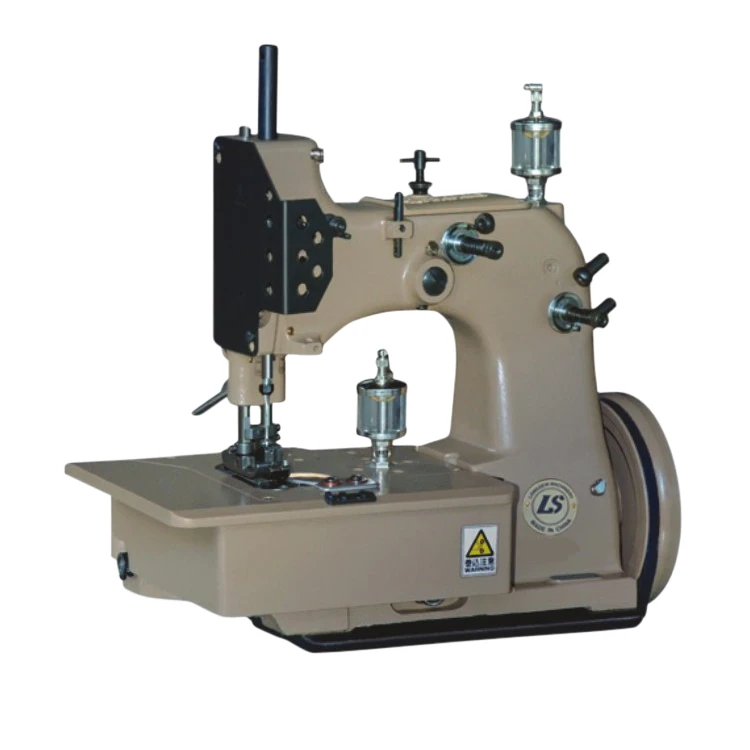
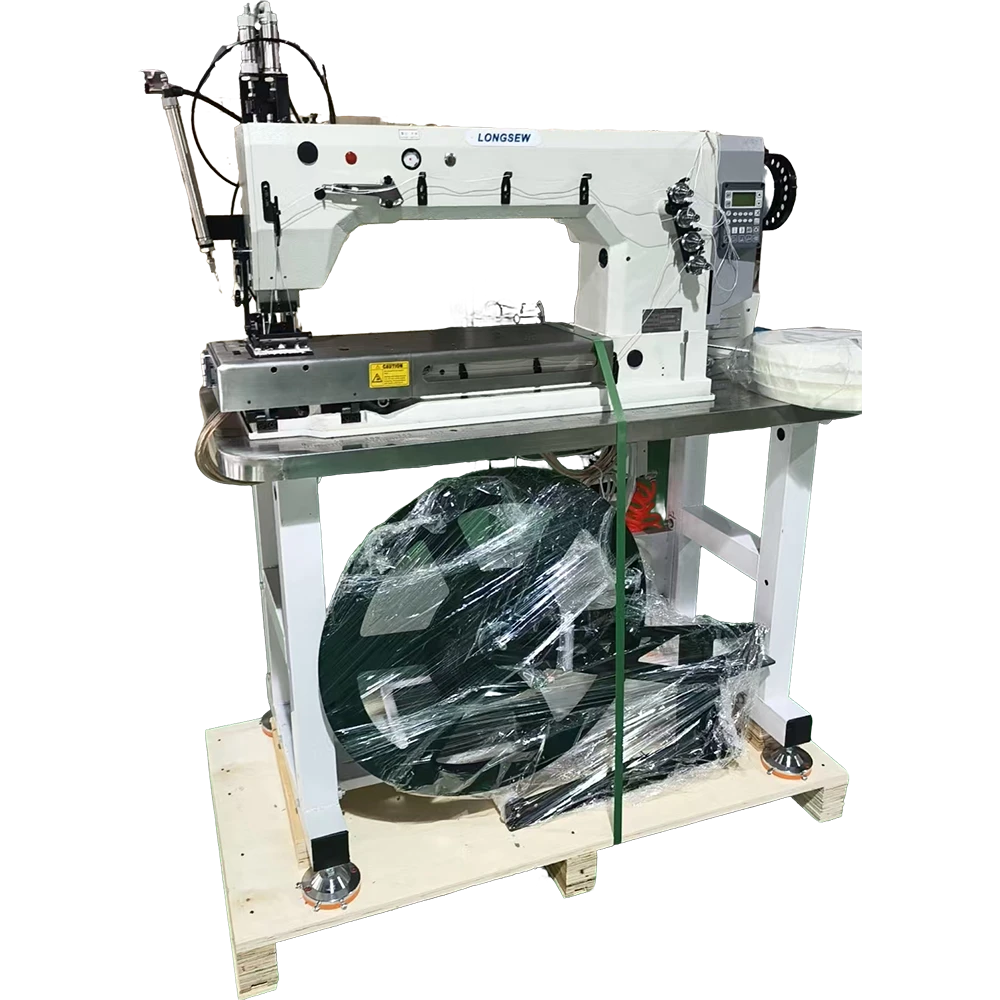
Industrial jumbo bag sewing machine Solutions for Tajikistan

High-performance industrial stitching systems engineered for the rugged demands of Tajikistan's textile and packaging sectors.

Packaging Machinery Landscape in Tajikistan

Analyzing the synergy between regional logistics and industrial sewing requirements.

Tajikistan's economy relies heavily on the export of minerals and agricultural products, which creates a massive demand for robust packaging. The prevalence of mining in the Pamir region requires heavy-duty fibc sewing machine equipment that can withstand dusty environments and high-tension materials.

Due to the continental climate and extreme temperature variations in Dushanbe and Khujand, textile machinery must be built with high-grade alloys to prevent thermal expansion and wear. Local factories are increasingly shifting from manual stitching to automated big bag sewing machine systems to meet international export standards.

The growth of the regional logistics hub has led to an increased adoption of the jumbo bag stitching machine, ensuring that bulk transport bags for flour and cotton are airtight and leak-proof, reducing product loss during trans-border transit.
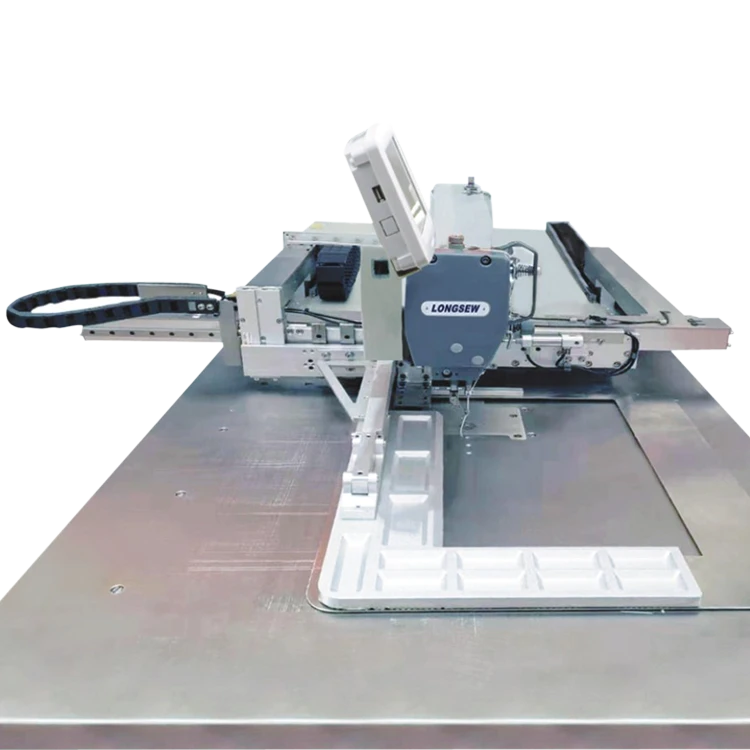
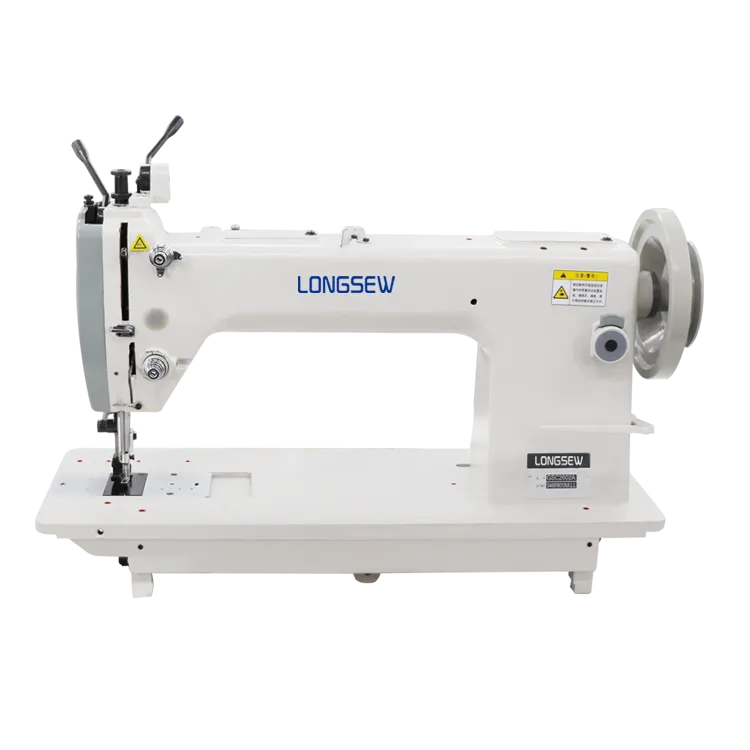
Evolution of Industrial Stitching in Central Asia

From traditional manual looms to automated high-speed production lines.

Market Development History

In the early 2000s, the Tajik packaging industry relied primarily on basic handheld machines. Production was slow, and the quality of 50 kg jute bag making machine output was inconsistent, often failing under heavy loads during export.

Between 2010 and 2020, there was a significant transition toward semi-automatic stations. The introduction of heavy-duty motors allowed for the processing of thicker polypropylene fabrics, marking the rise of specialized jumbo bag sewing machine units in local factories.

Currently, the industry is entering the era of "Smart Stitching." Modern facilities are integrating PLC-controlled systems that synchronize fabric feeding with stitching speed, dramatically increasing the throughput of FIBC production.

Future Development Trends

IoT-Enabled Maintenance

Predictive maintenance using sensors will become standard, alerting Tajik operators before a needle break or motor failure occurs in their big bag sewing machine.

Eco-Friendly Material Compatibility

Shift towards biodegradable polymers will require machinery capable of handling varying friction coefficients without compromising stitch integrity.

High-Speed Modular Automation

Modular production cells will allow factories to quickly switch between 50kg bags and jumbo bags on the same line to respond to volatile market demands.

Strategic Trends and Future Outlook

Navigating the technological shift in the specialized equipment manufacturing sector.

Precision Engineering
Enhancing stitch consistency for heavy-duty industrial bags.
Energy Efficiency
Implementing servo-driven motors to reduce power consumption.
Material Versatility
Adapting to a wider range of woven fabrics and synthetic resins.
Automated Quality Control
Real-time stitch monitoring to eliminate defective bags.

Industry Outlook

Based on search trends in the CIS region, there is a growing demand for "industrial automation" in the textile sector. We anticipate that Tajikistan will move toward integrated production lines where the jumbo bag stitching machine is just one component of a fully robotic system.

Furthermore, the shift toward sustainable packaging will drive the adoption of machines that can handle recycled PP and jute fabrics without increasing the downtime caused by thread breakage.

Localized Application Scenarios in Tajikistan

Practical implementation of our sewing solutions across diverse industries.

01. Mining & Mineral Exports

Using heavy-duty fibc sewing machine units to create 1-2 ton capacity bags for transporting ores and minerals from the mountains to processing plants.

02. Agricultural Grain Packaging

Deployment of high-speed 50 kg jute bag making machine lines for the seasonal packaging of wheat and cotton for export to Asian markets.

03. Chemical Fertilizer Plants

Implementing specialized jumbo bag sewing machine systems that provide reinforced seams to prevent chemical leakage during transit.

04. Textile Manufacturing Hubs

Utilizing versatile big bag sewing machine configurations to produce customized transport bags for local garment factories.

05. Food Processing Logistics

Applying precision jumbo bag stitching machine technology to ensure food-grade hygiene and structural integrity for bulk flour shipments.

Brand Story

Global Development Journey of Hebei Longsew Machinery Technology Co., Ltd.

Foundation & Vision

Established with the mission to solve the problem of seam failure in heavy-duty industrial bags, focusing on precision mechanical engineering.

Technological Breakthrough

Developed the first generation of high-torque motors for jumbo bag machines, allowing the stitching of fabrics up to 6mm thick.

Global Expansion

Entered the Central Asian market, adapting machinery to operate in extreme climates and varying power grid stabilities.

Quality Certification

Achieved international ISO certifications, ensuring that every machine meets the rigorous safety standards of global logistics.

Industry Leadership

Now a leading provider of specialized textile equipment, empowering factories in Tajikistan with efficient, durable sewing solutions.

Tajikistan Industry FAQ

Technical answers for professional operators and plant managers.

How to maintain a jumbo bag sewing machine in dusty mining environments?

Regular lubrication of the moving parts and daily air-compressed cleaning of the bobbin area are essential to prevent dust accumulation from causing mechanical friction.

What is the optimal needle size for a big bag sewing machine?

Depending on the fabric GSM, we typically recommend needles ranging from size 22 to 25 for heavy-duty polypropylene FIBCs to ensure penetration without bending.

Can a 50 kg jute bag making machine handle synthetic blends?

Yes, our machines are designed with adjustable tension settings, allowing them to switch between natural jute and synthetic polymer blends seamlessly.

How do I choose between a fibc sewing machine and a standard industrial machine?

FIBC machines are specifically engineered for multi-layer heavy fabrics and high-stress seams, whereas standard machines lack the torque required for bulk bags.

What is the average lifespan of a jumbo bag stitching machine in Tajikistan?

With proper maintenance and original spare parts, our machines typically last 8-12 years even in high-capacity industrial environments.

Does your equipment support 3-phase power common in Tajik factories?

Absolutely. All our industrial units are compatible with standard 380V 3-phase power systems and include voltage stabilization options.

Request a Technical Consultation

Our engineers are ready to help you optimize your production line in Tajikistan with the best industrial sewing solutions.

Contact Us Now

If you are interested in our products, you can choose to leave your information here, and we will be in touch with you shortly.