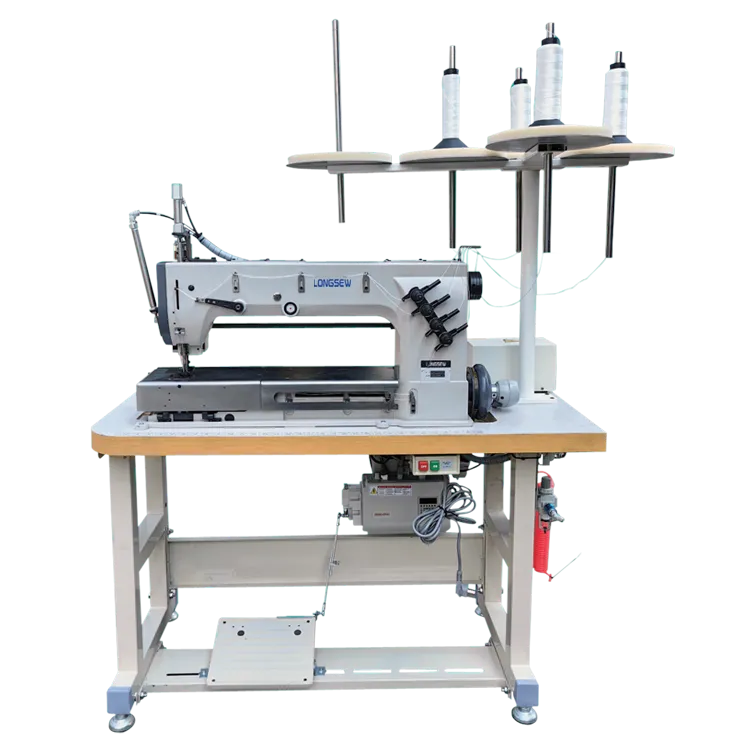
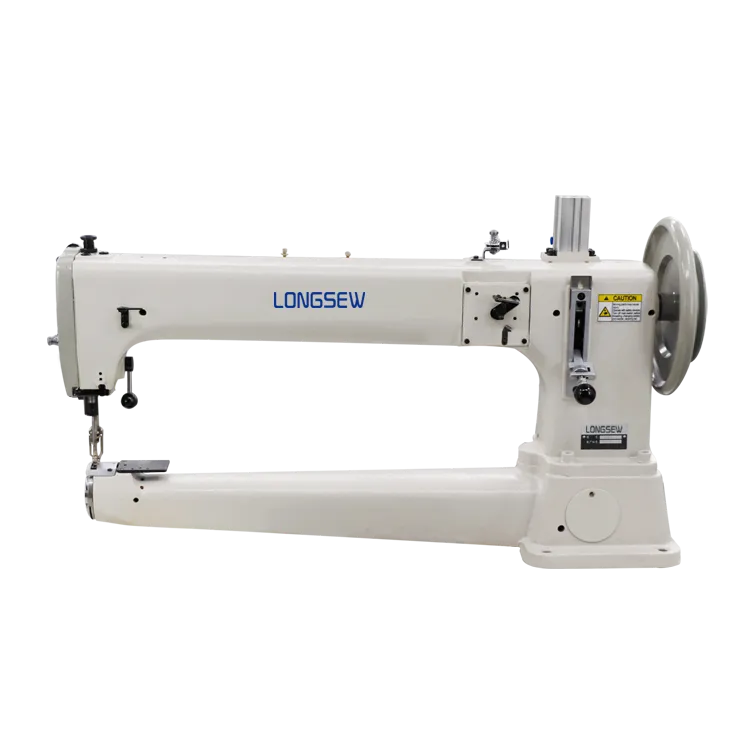
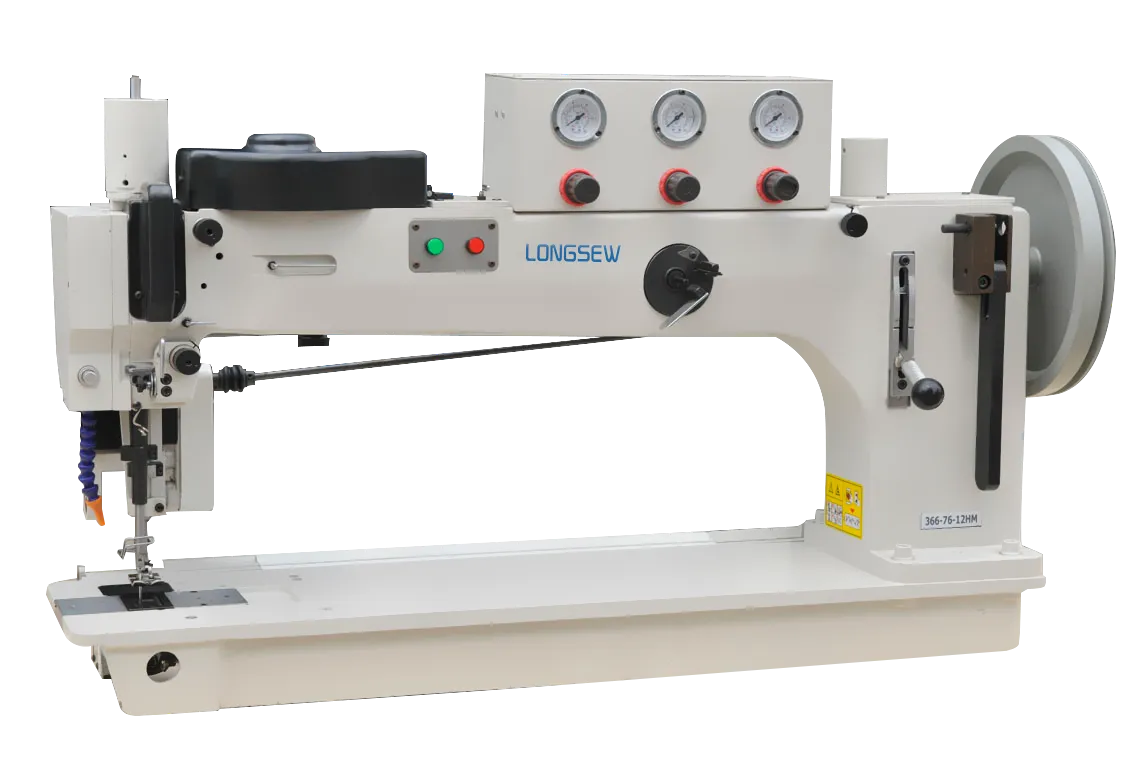
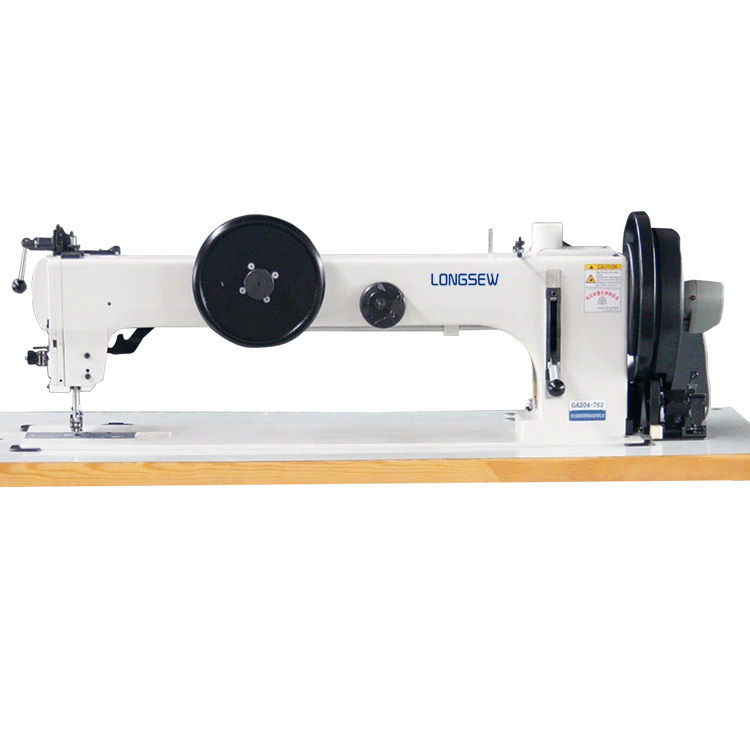
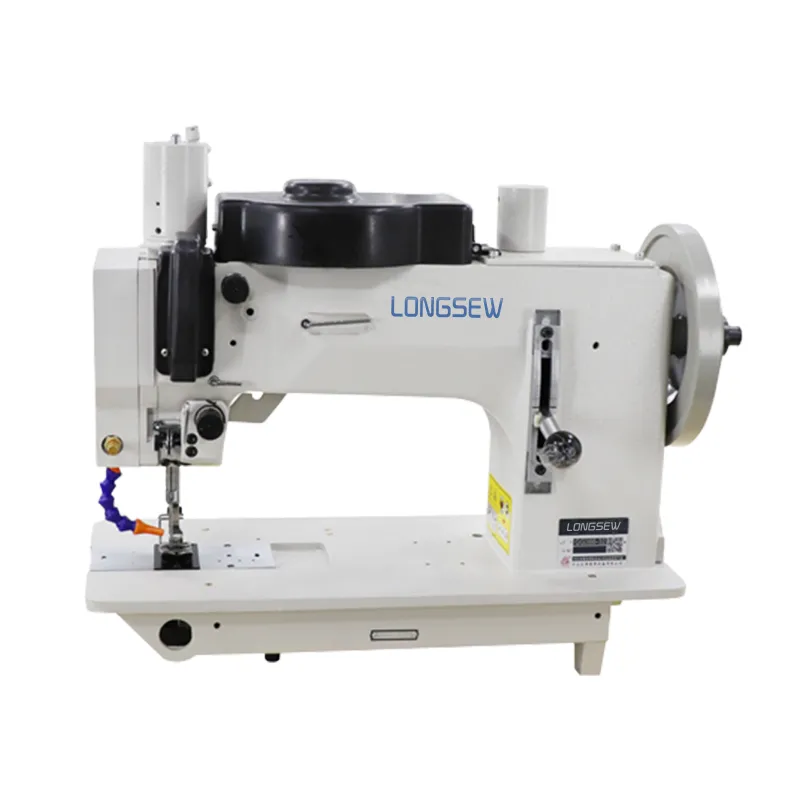
Industrial jumbo bag sewing machine Solutions for Sweden

High-performance stitching technology engineered for the demanding industrial packaging standards of the Swedish manufacturing sector.

Current State of Industrial Packaging in Sweden

Analyzing the synergy between Swedish sustainability goals and heavy-duty sewing technology.

Sweden's manufacturing landscape is characterized by a strong emphasis on sustainability and high labor costs, driving a rapid shift toward automation in the packaging sector. The demand for a robust fibc sewing machine has increased as the region focuses on transporting minerals, forestry products, and recycled materials in eco-friendly bulk bags.

The Swedish climate, particularly in northern industrial hubs, requires equipment that can withstand temperature fluctuations without losing calibration. Modern plants are replacing manual stitching with a professional big bag sewing machine to ensure consistent seam strength and reduce workplace injuries associated with repetitive manual handling.

Moreover, the strict EU safety regulations adopted by Sweden necessitate machinery that offers precision and traceability. The integration of an advanced jumbo bag stitching machine allows Swedish manufacturers to meet rigorous ISO standards for load-bearing capacity and tear resistance in industrial textiles.
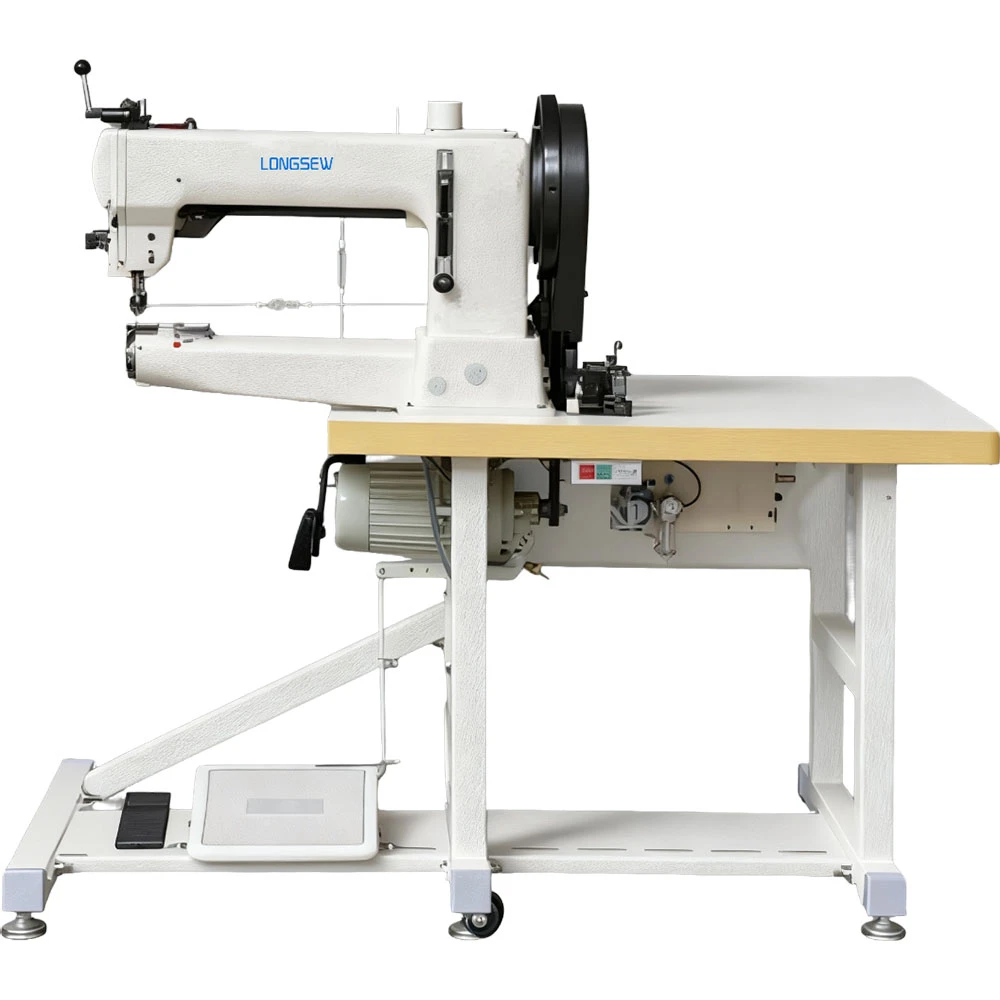
Technical Evolution and Growth Trajectory

From traditional needlework to AI-driven precision stitching in the Nordic region.

Market Development History

In the early 2000s, the Swedish market relied heavily on basic mechanical stitching. The focus was primarily on durability over speed, with simple chain-stitch machines handling basic bulk bags for the agriculture sector.

Between 2010 and 2020, the transition toward specialized electronics began. The introduction of the 50 kg jute bag making machine revolutionized the mid-range packaging segment, allowing for faster throughput and standardized bag dimensions across the EU market.

Today, the era of "Industry 4.0" has arrived in Sweden. Modern systems now integrate servo motors and automatic thread cutters, transforming the traditional jumbo bag sewing machine into a smart device capable of monitoring stitch density in real-time.

Future Development Trends

Eco-Friendly Material Compatibility

Future machines will be optimized for biodegradable polymers and recycled PP, reducing the carbon footprint of the Swedish textile industry.

IoT Integration and Predictive Maintenance

The next generation of equipment will feature cloud-based diagnostics, allowing Swedish operators to predict needle failure before it occurs.

Enhanced Robotic Arm Integration

We anticipate a surge in combined robotic handling and stitching systems to eliminate manual lifting of heavy FIBCs.

Industry Trends and Future Outlook

Strategizing for the next decade of Swedish textile machinery evolution.

Automation Surge
Increasing adoption of fully automated stitching cycles to offset high Swedish labor costs.
Green Manufacturing
Development of energy-efficient motors and recyclable machine components.
Smart Monitoring
Integration of real-time tension sensors to eliminate seam failure in big bags.
Modular Design
Fast-swap parts to minimize downtime in critical Swedish supply chains.

Industry Outlook

Google search trends indicate a growing interest in "automated FIBC production" within Northern Europe. As Sweden continues to lead in the green transition, the demand for machinery that can handle innovative, recycled textiles will peak.

The future will see a convergence of textile engineering and software, where the sewing machine becomes a data point in the overall factory ERP system, ensuring 100% quality control for every jumbo bag produced.

Localized Application Scenarios in Sweden

Real-world deployment of high-capacity sewing solutions across Swedish industries.

01. Mining and Ore Export in Kiruna

Utilizing a heavy-duty jumbo bag stitching machine to create ultra-strong containers for iron ore samples and minerals, ensuring zero leakage during Arctic transport.

02. Forestry and Wood Pellet Packaging

Implementing high-speed big bag sewing machine systems to package wood pellets for export, maintaining high production rates during peak winter demand.

03. Agricultural Feed Production in Skåne

Using a 50 kg jute bag making machine for the sustainable packaging of organic grains and animal feed, catering to the local farming cooperatives.

04. Chemical and Pharmaceutical Bulk Storage

Precision stitching with a fibc sewing machine to ensure airtight and contaminant-free seals for high-value pharmaceutical raw materials.

05. Waste Management and Recycling Hubs

Deploying durable jumbo bag sewing machine units to create massive recycling bags for plastic and metal waste collection across Stockholm.

Brand Story

Global Development Journey of Hebei Longsew Machinery Technology Co., Ltd.

Foundational Excellence

Established with a vision to solve the fragility of industrial seams, Longsew began by refining the core mechanics of heavy-duty stitching.

Technological Breakthrough

We pioneered the integration of servo-driven motors into FIBC machinery, significantly reducing energy consumption and noise.

Global Expansion

Expanding into the European market, we tailored our machines to meet the strict safety and environmental standards of the EU.

Customer-Centric Innovation

By collaborating with Swedish manufacturers, we developed specialized needles and threads for extreme weather conditions.

Sustainable Future

Today, our mission is to lead the industry toward a circular economy through the production of eco-compatible sewing technology.

Common Questions for Swedish Operators

Technical guidance and support for the Nordic packaging market.

How to maintain a jumbo bag sewing machine in cold Swedish winters?

We recommend using low-viscosity industrial lubricants and ensuring the machine is kept in a temperature-controlled environment to prevent oil thickening and mechanical seizure.

What is the best needle size for a big bag sewing machine handling PP materials?

Depending on the fabric density, a size 18 to 22 needle is typically recommended to ensure penetration without damaging the woven polypropylene structure.

Can a 50 kg jute bag making machine be adapted for recycled fabrics?

Yes, our machines feature adjustable tension settings and feed dogs that can be calibrated to handle the varying thickness of recycled jute and biodegradable textiles.

What safety certifications does your fibc sewing machine comply with?

Our machinery is designed in accordance with CE standards, ensuring electrical safety and ergonomic operation for Swedish factory workers.

What is the average lifespan of a jumbo bag stitching machine in high-volume plants?

With regular preventative maintenance and genuine parts, our industrial stitching units are designed for a service life of 10-15 years.

Do you provide remote technical support for machines located in Northern Sweden?

Yes, we offer comprehensive video diagnostics and remote troubleshooting to minimize downtime for our clients in remote regions like Lapland.

Optimize Your Packaging Line Today

Contact our technical experts to find the perfect stitching solution for your facility in Sweden.

Contact Us Now

If you are interested in our products, you can choose to leave your information here, and we will be in touch with you shortly.