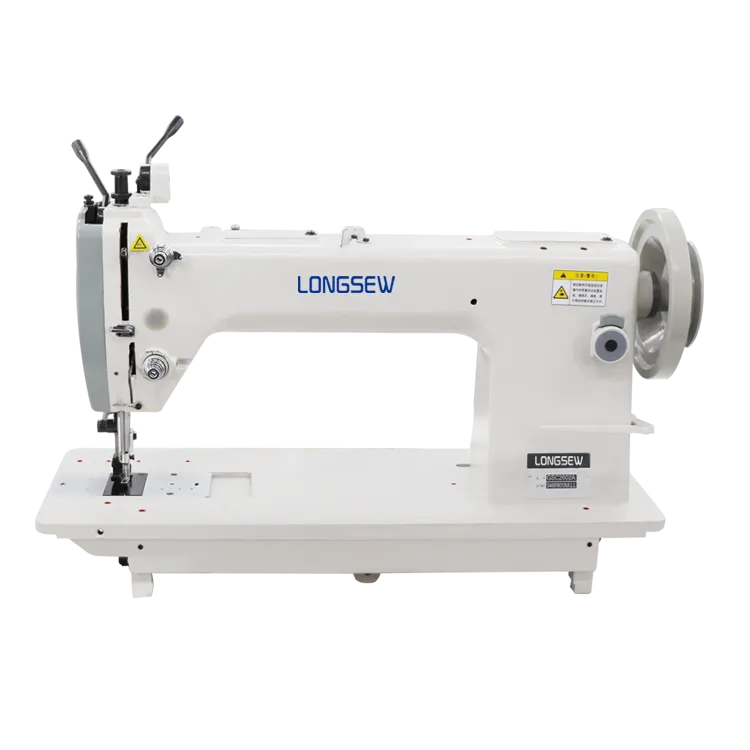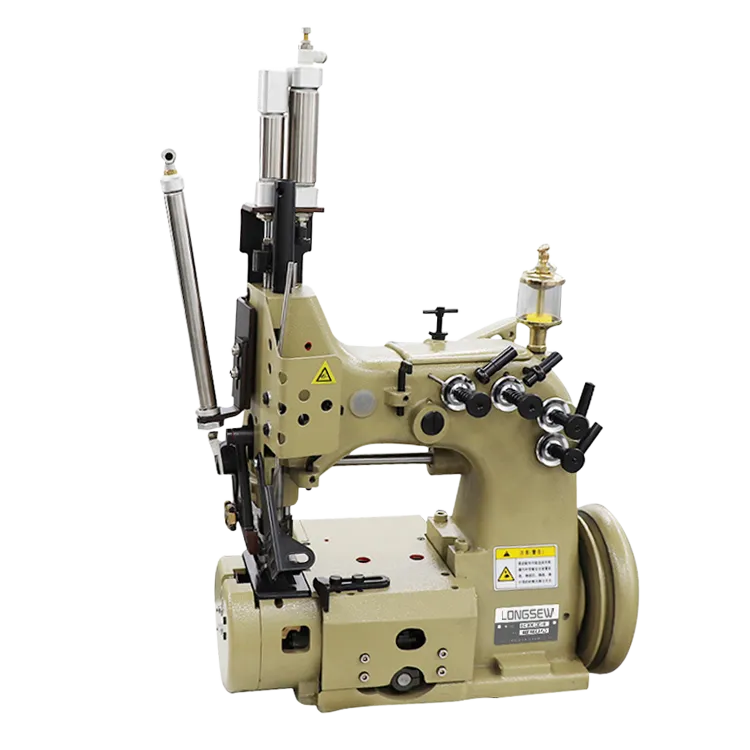
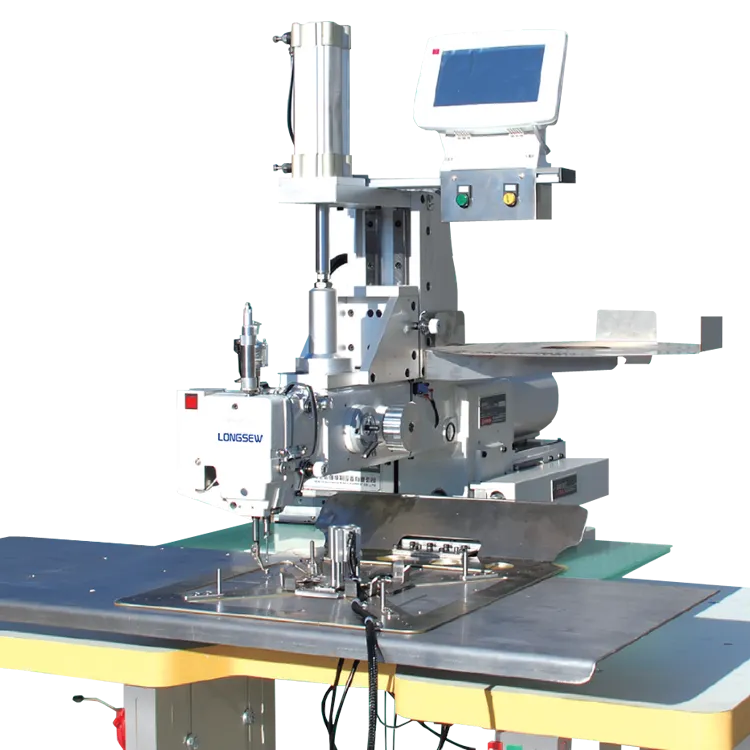
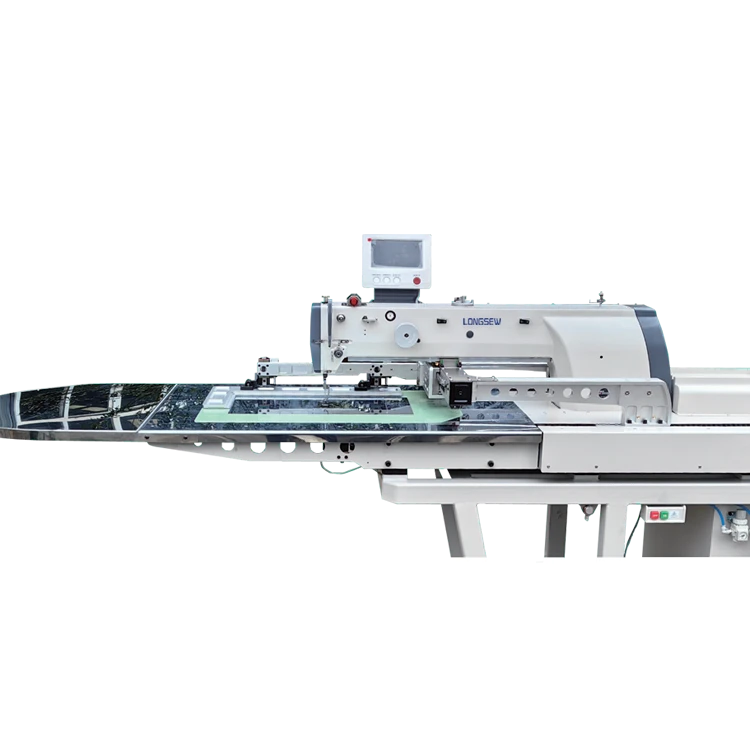
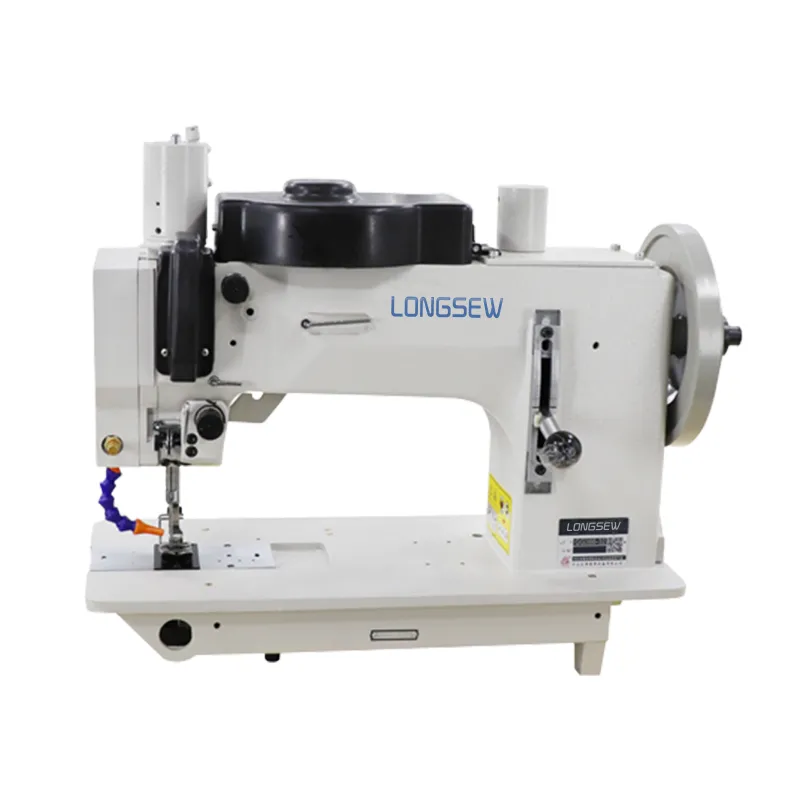
Industrial jumbo bag sewing machine Solutions for Philippines

High-performance stitching systems engineered for the demanding agricultural and industrial packaging needs of the Philippine market.

The State of Bulk Packaging Machinery in the Philippines

Analyzing the operational challenges and regional requirements of the local textile and bag manufacturing sector.

The Philippine industrial landscape is heavily reliant on the export of agricultural products and minerals, creating a massive demand for high-capacity packaging. Many factories currently utilize a big bag sewing machine to handle large-scale containment, yet they struggle with the high humidity and saline air of the archipelago, which accelerates machine corrosion.

In regional hubs like Laguna and Cebu, there is a noticeable shift toward upgrading manual operations. The prevalence of the fibc sewing machine has increased as businesses move away from traditional hand-stitching to meet the stringent quality standards of international shipping and logistics.

Moreover, the local market for medium-sized sacks, specifically the need for a reliable 50 kg jute bag making machine, remains strong due to the rice and corn trade. However, the lack of precision engineering in older equipment often leads to high wastage and inconsistent seam strength.
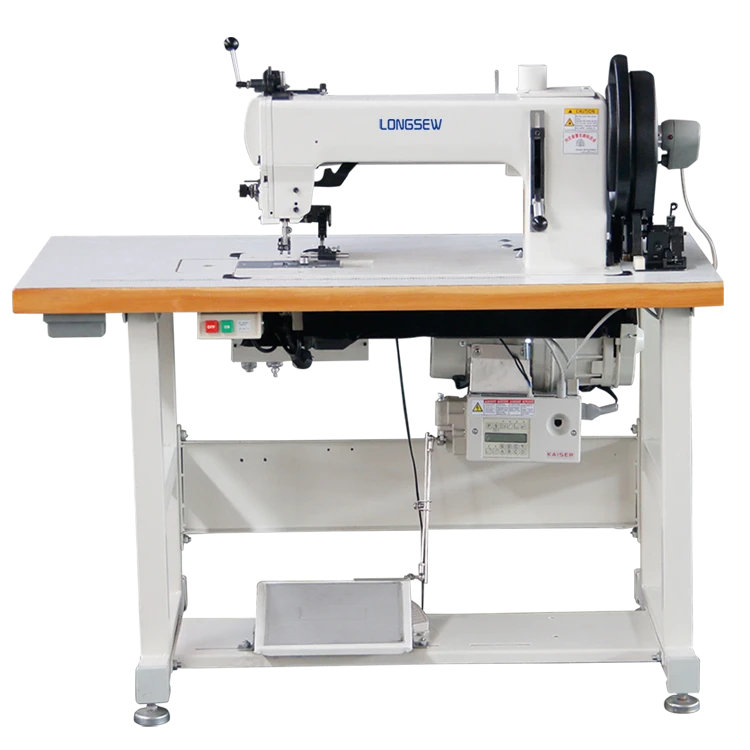
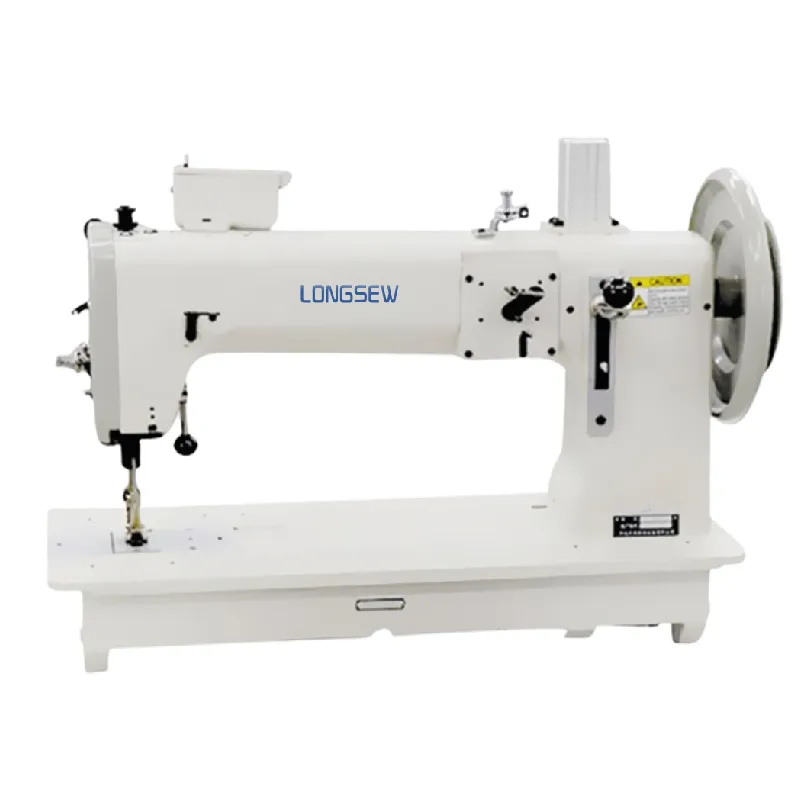
Evolution and Trajectory of Bag Stitching Technology

From mechanical simplicity to automated precision in the Philippine manufacturing sector.

Market Development History

In the early 2000s, the Philippine market was dominated by basic manual sewing machines. Production was slow, and the reliance on human skill meant that seam quality varied wildly across different batches of bulk bags.

Between 2010 and 2020, the introduction of semi-automated jumbo bag stitching machine models allowed factories to scale their output. This period saw the integration of heavy-duty motors and reinforced frames to handle thicker polypropylene fabrics.

Today, the industry has entered the era of precision engineering. Modern equipment now features electronic tension control and automatic thread cutting, significantly reducing downtime and labor costs in the local garment and textile sectors.

Future Development Trends

IoT-Enabled Maintenance

Integration of sensors to monitor needle wear and motor heat, preventing unexpected breakdowns in tropical climates.

Sustainable Fabric Compatibility

Development of machines that can handle biodegradable and recycled polymers without compromising stitch integrity.

High-Speed Automation

A move toward fully automated conveyor-integrated stitching systems to maximize throughput for large export orders.

Industry Trends and Future Outlook

Strategic forecasts for the dedicated equipment manufacturing sector in Asia.

Anti-Corrosion Engineering
Utilizing specialized coatings to protect machinery from the high humidity and salty air of Philippine coastal regions.
Energy-Efficient Motors
Implementation of servo motors to reduce electricity costs, a critical factor for Philippine SMEs.
Precision Tensioning
Advanced automatic tensioning systems to ensure zero-burst seams for heavy-duty mineral transport.
Modular Design
Easy-to-replace parts and modular heads to minimize downtime in remote provincial factories.

Industry Outlook

According to Google search trends in the Southeast Asian region, there is a rising interest in "automation" and "industrial durability." For the Philippines, this translates to a demand for machines that combine high output with extreme ruggedness.

The next 3-5 years will likely see a convergence of traditional textile manufacturing and smart factory principles, where the jumbo bag stitching machine becomes part of a fully integrated logistics chain.

Localized Application Scenarios in the Philippines

Real-world implementations of our sewing solutions across various Philippine industries.

1. Rice and Grain Milling in Central Luzon

Deployment of the 50 kg jute bag making machine to automate the packaging of premium rice, ensuring secure closure for domestic distribution.

2. Mining and Mineral Export in Mindanao

Utilizing heavy-duty big bag sewing machine units to create reinforced containers for nickel and copper ores destined for international markets.

3. Agricultural Feed Production in Laguna

Implementation of high-speed fibc sewing machine lines to produce bulk animal feed bags with reinforced lifting loops.

4. Fertilizer Packaging in Iloilo

Using specialized jumbo bag stitching machine models that are resistant to the corrosive nature of chemical fertilizers.

5. Coconut Coir and Fiber Processing in Quezon

Integration of robust stitching equipment to package processed coconut husks into large export bags for the global horticulture market.

Brand Story

Global Development Journey of Hebei Longsew Machinery Technology Co., Ltd.

Founding Vision

Established with a mission to solve the core pain points of heavy-duty textile sewing, focusing on durability and precision.

Technical Breakthroughs

Developed patented stitching mechanisms that eliminate thread breakage in thick polypropylene and jute materials.

Global Expansion

Extended our reach into the Southeast Asian market, tailoring equipment to meet the climatic challenges of the Philippines.

Quality Certification

Achieved international standards for industrial machinery, ensuring every machine delivers consistent, high-strength seams.

Future Commitment

Dedicated to driving the "Smart Manufacturing" revolution in the bulk bag industry through sustainable and automated solutions.

Frequently Asked Questions in the Philippines

Expert answers to the most common technical queries from our local clients.

How to choose the right jumbo bag sewing machine for high humidity areas?

For the Philippine climate, we recommend machines with anti-corrosion coatings and sealed electrical components to prevent moisture ingress and oxidation.

What is the capacity of a professional 50 kg jute bag making machine?

Our professional machines are designed for continuous industrial output, capable of handling hundreds of bags per hour with consistent seam strength.

Can a big bag sewing machine handle different fabric thicknesses?

Yes, our machines feature adjustable presser feet and variable tension settings to accommodate various PP and PE fabric weights.

What maintenance is required for a fibc sewing machine in a dusty environment?

Regular cleaning of the bobbin area and lubrication of the moving parts with high-grade industrial oil is essential to prevent dust-induced friction.

How does a jumbo bag stitching machine ensure seam safety for minerals?

By using reinforced chain-stitch patterns and high-tenacity threads, the machine ensures the bag can withstand high vertical loads during transport.

Are spare parts for industrial sewing machines readily available in Asia?

We maintain a robust supply chain and partner with local distributors to ensure fast delivery of wear parts like needles and loopers to the Philippines.

Ready to Upgrade Your Production?

Our technical experts are ready to provide customized stitching solutions for your factory in the Philippines.

Contact Us Now

If you are interested in our products, you can choose to leave your information here, and we will be in touch with you shortly.