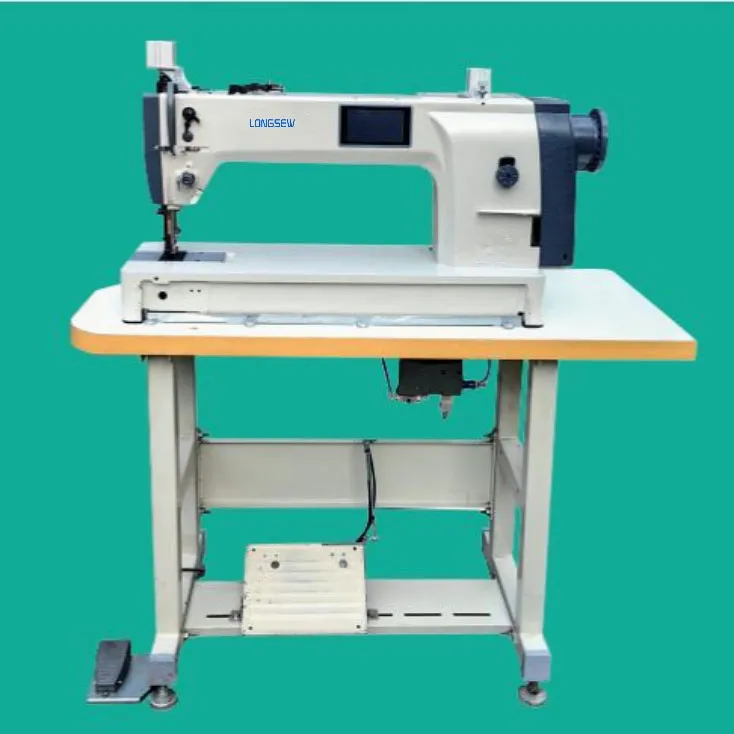
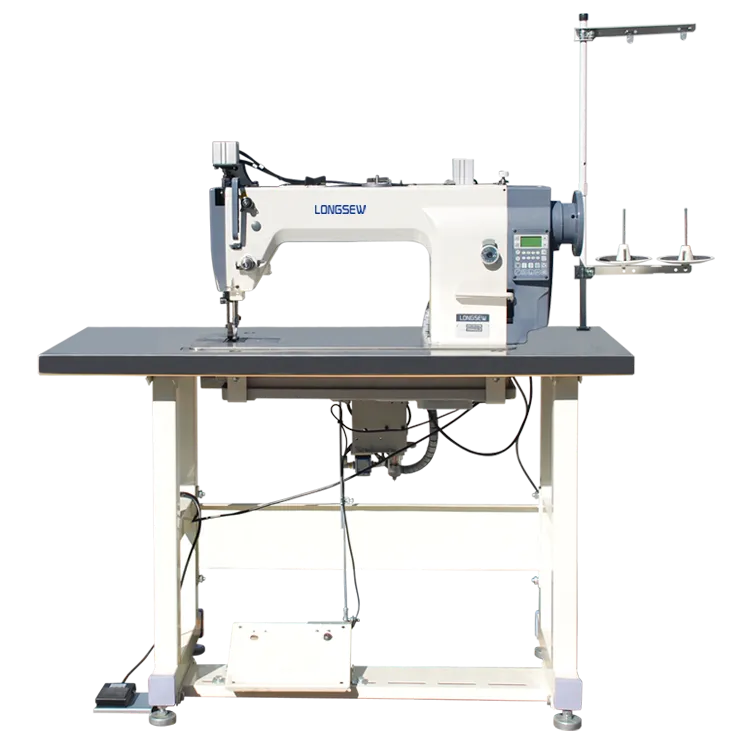
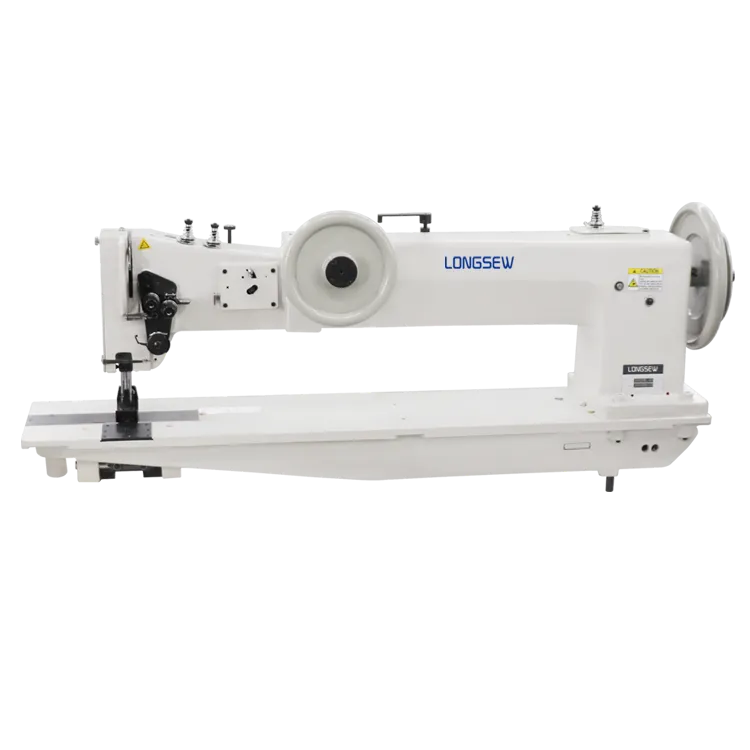
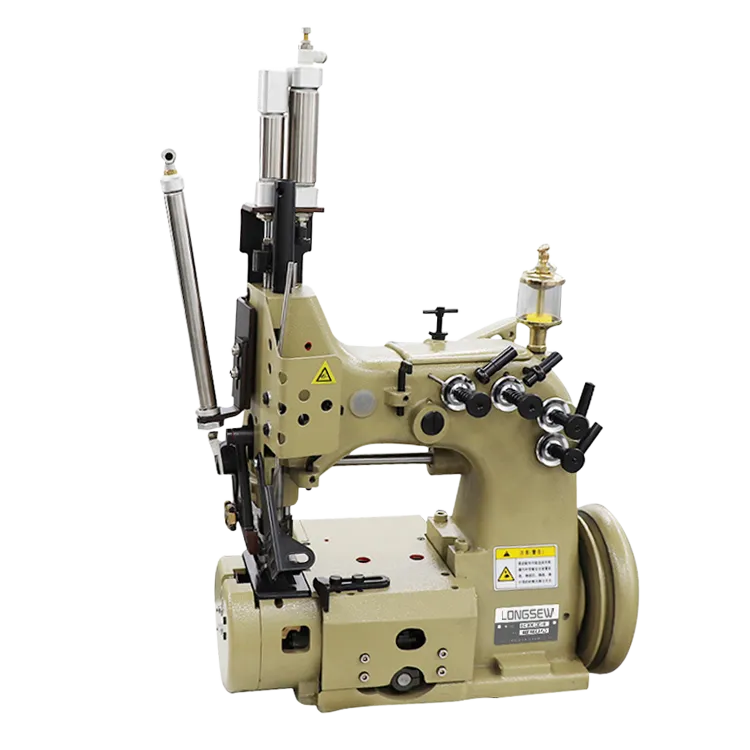
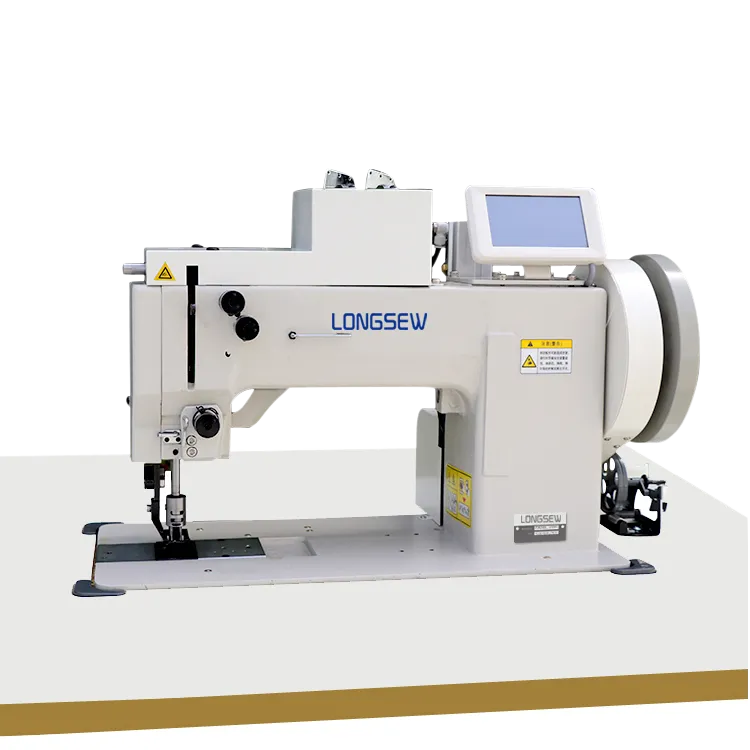
Industrial jumbo bag sewing machine Solutions for Nigeria's Logistics

Empowering Nigerian textile and packaging industries with high-durability stitching technology for bulk material handling.

The State of Industrial Packaging in Nigeria

Analyzing the intersection of textile machinery and Nigerian economic needs.

Nigeria's packaging industry is currently dominated by the need for transporting bulk commodities like cocoa, cashew nuts, and cement. The high humidity and dust levels in regions like Lagos and Kano necessitate a robust fibc sewing machine that can operate reliably under harsh environmental conditions without frequent breakdowns.

Many local manufacturers still rely on semi-automated systems. However, the surge in agricultural exports has created a critical demand for the big bag sewing machine to replace manual stitching, which is too slow for the current volume of trade passing through the Apapa ports.

Furthermore, the volatility of the local power grid in Nigeria has pushed operators toward machines with high energy efficiency and the ability to integrate with stabilizer systems, ensuring that the jumbo bag stitching machine maintains consistent stitch tension despite power fluctuations.
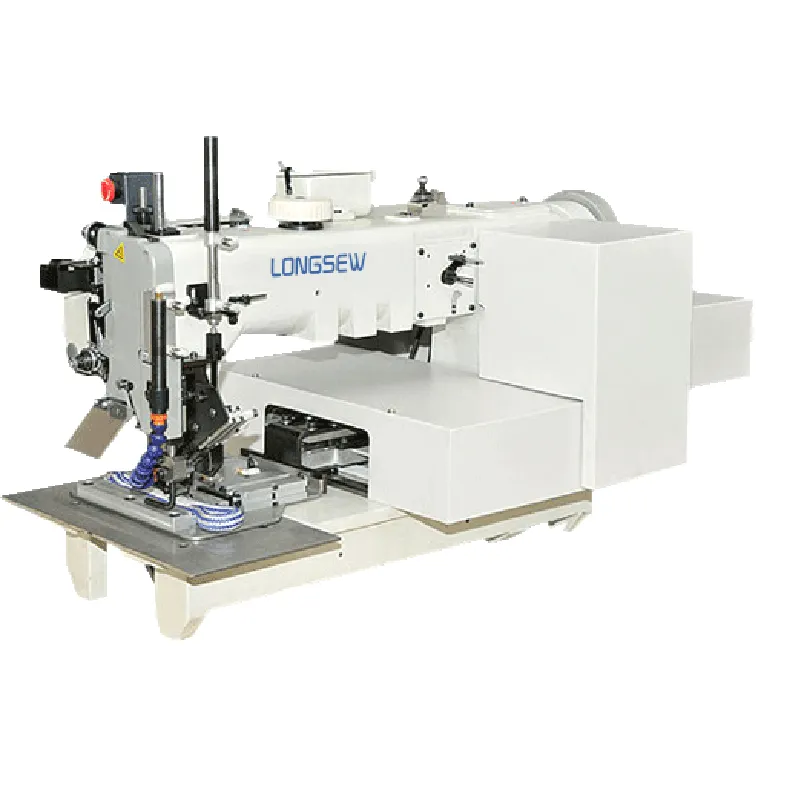
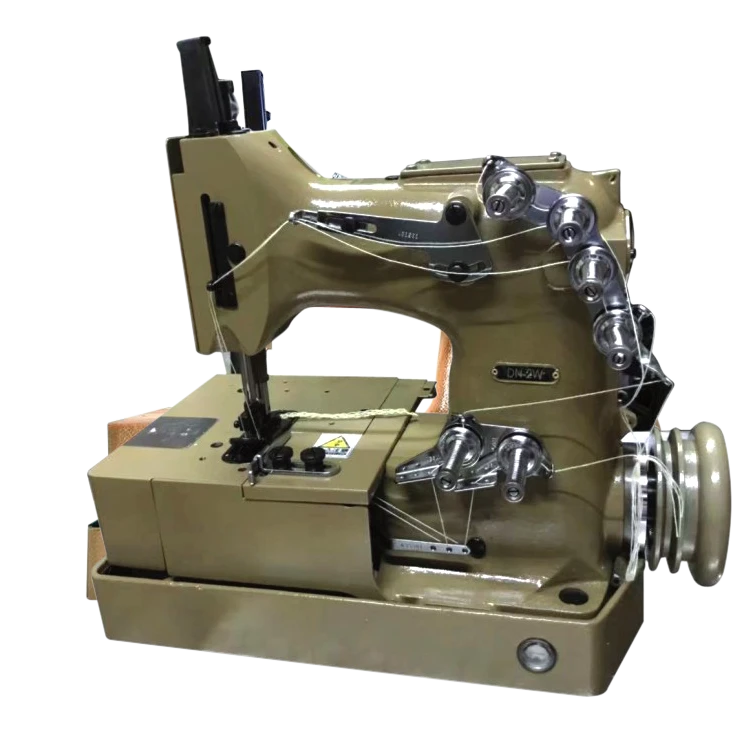
Evolution of Bag Making Technology in Nigeria

From traditional hand-stitching to high-speed industrial automation.

Market Development History

In the early 2000s, the Nigerian market relied heavily on manual hand-held sewing tools for basic sacks. These were sufficient for small-scale local trade but failed as the economy shifted toward large-scale industrialization.

By 2010-2015, there was a visible transition toward semi-automatic machines. The introduction of the 50 kg jute bag making machine allowed local mills to standardize their output, significantly improving the durability of bags used for grain storage.

From 2018 to the present, the focus has shifted to heavy-duty automation. The integration of computerized control systems in bag-closing machinery has allowed Nigerian factories to meet international ISO standards for FIBC (Flexible Intermediate Bulk Containers).

Future Development Trends

IoT Integrated Monitoring

Integration of smart sensors to monitor thread breakage and needle wear in real-time, reducing downtime in Nigerian factories.

Energy-Saving Servo Motors

A transition toward brushless servo motors to combat high electricity costs and unstable power supply in industrial zones.

Eco-Friendly Material Compatibility

Developing machines capable of stitching biodegradable polymers as Nigeria moves toward reducing plastic waste in packaging.

Future Outlook for Nigerian Textile Machinery

Strategic projections for the next 3-5 years in the specialized equipment sector.

Automated Precision
Shifting from manual guiding to fully automated fabric feeding systems to increase output.
Modular Design
Customizable machine heads to switch between different bag sizes and materials quickly.
Durability Enhancement
Use of reinforced alloys to resist the abrasive nature of jute and heavy polypropylene.
Sustainable Power
Increased compatibility with solar-hybrid power systems for rural manufacturing sites.

Industry Outlook

Google search trends indicate a rising interest in "automated packaging solutions" within the West African region. This suggests that Nigerian enterprises are shifting from mere procurement to seeking integrated production lines that maximize throughput.

The future will likely see a convergence of textile machinery and digital logistics, where the sewing stage is fully synced with inventory management, reducing waste and increasing the export competitiveness of Nigerian goods.

Localized Application Scenarios in Nigeria

Real-world deployments of heavy-duty stitching equipment across various Nigerian sectors.

01. Agricultural Export Hubs (Lagos/Ogun)

Using high-speed jumbo bag sewing machine to package cocoa beans and cashews for bulk export, ensuring zero leakage during Atlantic transit.

02. Cement & Mineral Processing ( Ogun State)

Deployment of reinforced big bag sewing machine for 1-ton cement bags, providing the structural integrity needed for heavy industrial lifting.

03. Grain Milling Facilities (Kano/Kaduna)

Utilizing the 50 kg jute bag making machine for maize and sorghum packaging, optimizing the speed of local distribution networks.

04. Chemical Fertilizer Plants (Port Harcourt)

Implementing precise fibc sewing machine setups to handle specialized polypropylene fabrics that resist chemical corrosion.

05. Mining Ore Transport (Jos Plateau)

Application of heavy-duty jumbo bag stitching machine for transporting tin and columbite, where extreme seam strength is non-negotiable.

Brand Story

Global Development Journey of Hebei Longsew Machinery Technology Co., Ltd.

Foundation and Technical Focus

Established with a mission to solve the "seam failure" pain point in heavy-duty textiles, focusing on precision engineering for industrial bags.

Technological Breakthroughs

Developed patented tension control systems that allow machines to handle varied fabric thicknesses without skipping stitches.

Expansion into Africa

Recognizing the growth in Nigeria's industrial sector, we optimized our machines for high-temperature and high-dust environments.

Global Quality Certification

Achieved international quality standards, ensuring our equipment meets the rigorous demands of the global logistics chain.

Future Vision

Aiming to be the leading provider of intelligent packaging machinery, driving efficiency for manufacturers worldwide.

Common Questions from Nigerian Operators

Expert answers to technical and operational queries regarding bulk bag machinery.

How does the fibc sewing machine handle heavy-duty polypropylene in Nigeria?

Our machines use reinforced needles and high-torque motors specifically designed to penetrate thick PP fabrics without overheating, making them ideal for Nigeria's heavy-duty packaging needs.

Is the jumbo bag sewing machine compatible with unstable power supplies?

Yes, we recommend integrating our equipment with a voltage stabilizer. Our latest models also feature energy-efficient motors that reduce the load on generators.

What is the maximum capacity for the 50 kg jute bag making machine?

While optimized for 50 kg bags, the machinery is adjustable to handle various weights of jute and hemp fabrics commonly used in West African agriculture.

How often does a big bag sewing machine require maintenance in dusty environments?

In dusty regions like Northern Nigeria, we recommend a daily air-blow cleaning and weekly lubrication of the moving parts to ensure longevity.

Can the jumbo bag stitching machine be used for different thread types?

Absolutely. The machine is compatible with high-tenacity polyester and nylon threads, which are essential for the strength required in bulk bag transport.

What is the lead time for shipping these machines to Lagos or Port Harcourt?

Lead times vary by order volume, but we typically ship via ocean freight to major Nigerian ports with full customs documentation provided.

Ready to Upgrade Your Packaging Line?

Contact our technical experts today for a customized machinery solution tailored to the specific industrial needs of Nigeria.

Contact Us Now

If you are interested in our products, you can choose to leave your information here, and we will be in touch with you shortly.