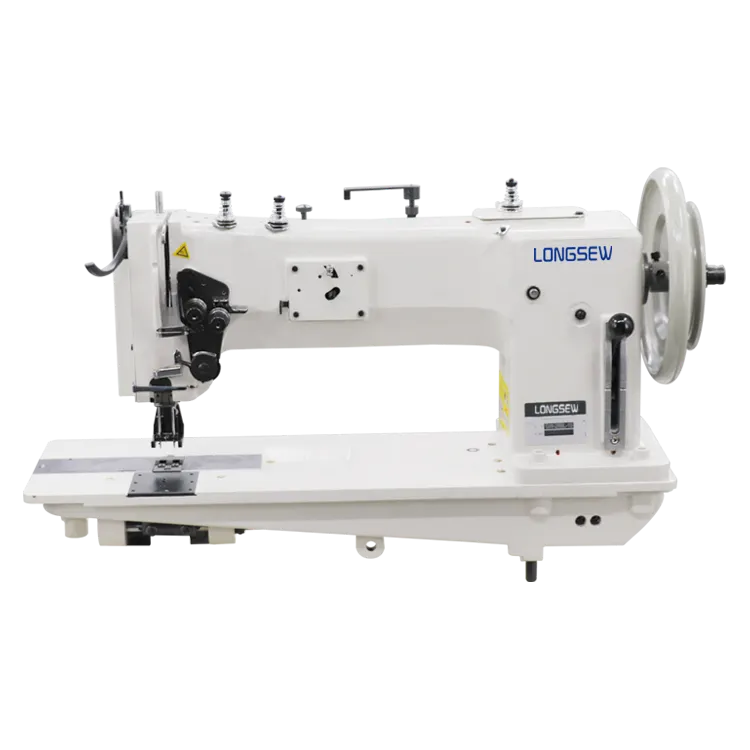
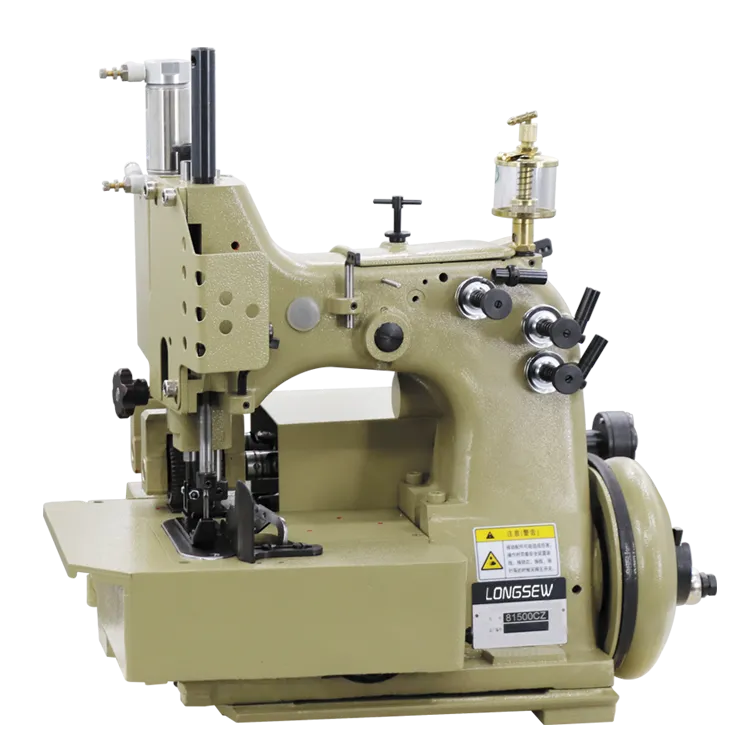
Industrial jumbo bag sewing machine Solutions for Morocco's Packaging Sector

High-performance stitching technology engineered to optimize bulk bag production and industrial packaging efficiency across Morocco's growing manufacturing hubs.

The Current State of Industrial Bag Manufacturing in Morocco

Analyzing the intersection of textile tradition and modern logistics needs in North Africa.

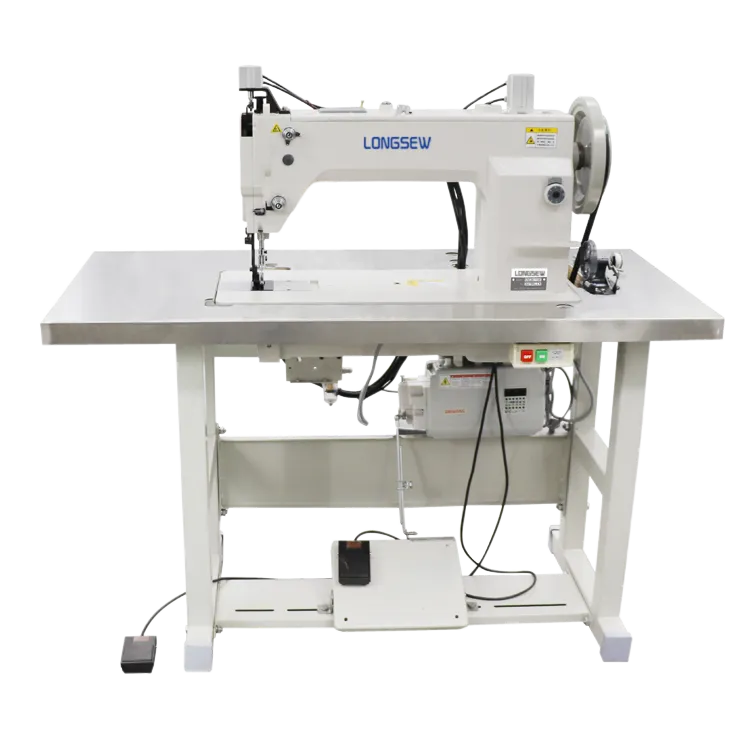
Morocco's industrial landscape is currently experiencing a surge in demand for bulk packaging, driven by the phosphate mining industry and agricultural exports. The adoption of the fibc sewing machine has become critical as local manufacturers shift from small-scale sacks to large-capacity flexible intermediate bulk containers to meet European export standards.

Geographically, the coastal industrial zones face specific environmental challenges, where humidity and salt air can affect mechanical longevity. This has led to a transition toward machines with superior corrosion resistance and robust builds, specifically the big bag sewing machine, which offers the stability required for continuous 24/7 operation in high-intensity environments.

Economic shifts toward "Made in Morocco" initiatives have forced local producers to upgrade their technology. The reliance on manual stitching is rapidly declining, replaced by automated jumbo bag stitching machine systems that reduce labor costs and eliminate human error in load-bearing seams.

Technological Evolution and Development Trajectory

From traditional hand-stitching to intelligent automated sewing systems.

Market Development History

In the early 2000s, the Moroccan market relied heavily on basic portable sewing units for simple jute bags. These machines lacked the tension control and speed necessary for industrial-scale production, leading to frequent seam failures in heavy-duty applications.

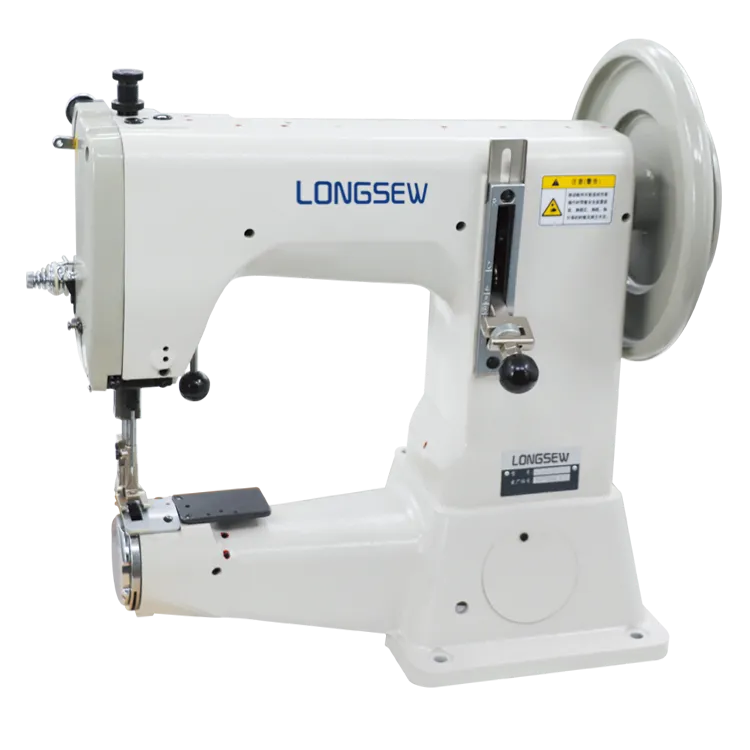
Between 2010 and 2020, the introduction of specialized 50 kg jute bag making machine technology allowed factories to standardize the production of medium-weight bags, bridging the gap between artisanal craft and industrial output.

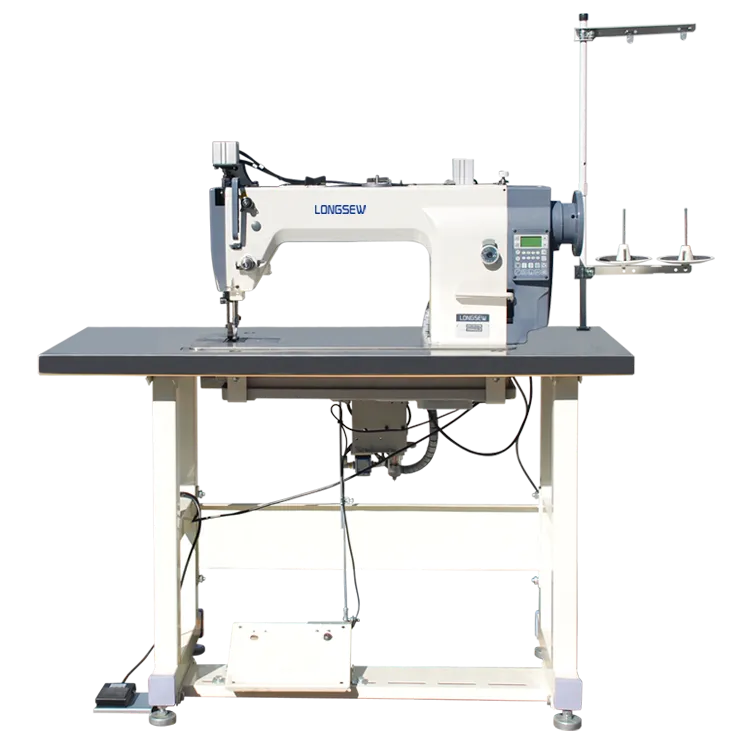
Since 2021, the market has entered the era of "Heavy-Duty Automation." The integration of servo motors and programmable logic controllers (PLCs) in sewing equipment has enabled the precise manufacture of FIBCs that can safely hold up to 2,000kg.

Future Development Trends

IoT-Integrated Maintenance

We predict a shift toward machines that provide real-time diagnostics via cloud platforms, allowing Moroccan operators to predict needle breakage or motor fatigue before downtime occurs.

Sustainable Material Compatibility

With global pressure to reduce plastics, new machines will be optimized for biodegradable and recycled polymers, requiring adaptive tension systems to handle variable material elasticity.

High-Speed Precision Automation

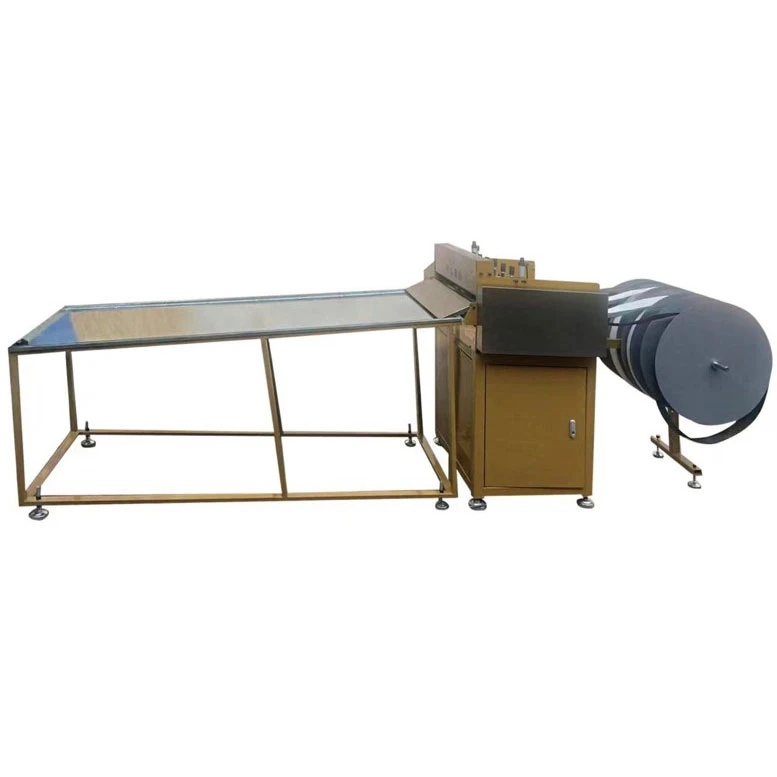
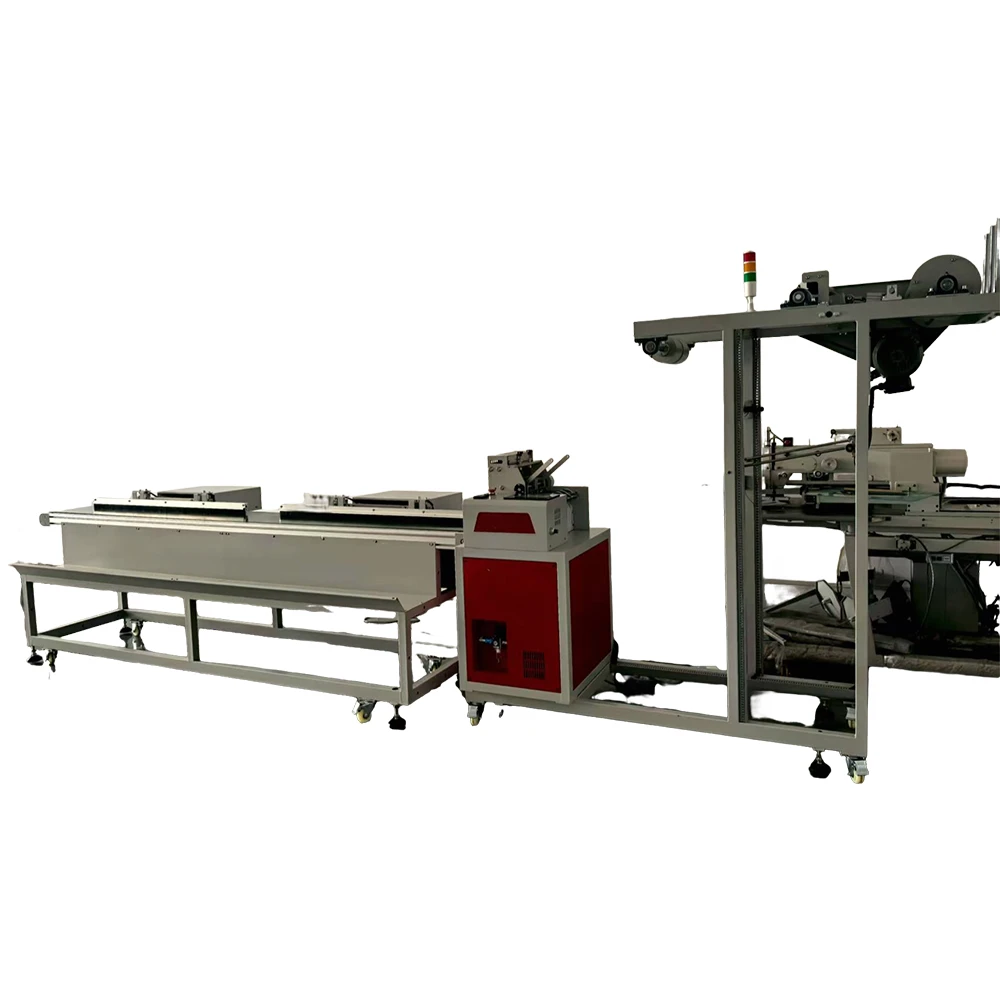
The next 3-5 years will see a move toward fully automated cutting-to-stitching lines, reducing the manual handling of fabric and increasing throughput by over 40%.

Industry Trends and Future Outlook

Strategic foresight for the textile machinery sector in the Maghreb region.

Energy Efficiency Transition
Adoption of energy-saving servo motors to reduce operational costs in Moroccan factories.
Export Standard Alignment
Integrating safety-seam technology to meet strict EU shipping regulations for bulk cargo.
Material Diversification
Machines capable of switching between polypropylene and reinforced jute fabrics seamlessly.
Modular Factory Layouts
Moving toward flexible production cells that can be reconfigured for different bag sizes.

Industry Outlook

The trajectory for Morocco's textile machinery is clearly aimed at high-capacity automation. As the country strengthens its position as a logistics hub between Africa and Europe, the demand for reinforced packaging will increase, necessitating more advanced jumbo bag sewing machine technology.

Moreover, Google search trends indicate a rising interest in "sustainable packaging machinery" and "automated stitching" within the region, suggesting that the future winners will be those who combine speed with eco-friendly capabilities.

Localized Application Scenarios in Morocco

Real-world implementations of our machinery in the Moroccan industrial ecosystem.

01. Phosphate Mining Packaging in OCP Plants

Utilizing heavy-duty jumbo bag stitching machine units to secure massive quantities of phosphate fertilizer for global export, ensuring no leakage during sea transit.

02. Agricultural Export Bags in Agadir

Deploying the 50 kg jute bag making machine for the packing of citrus fruits and vegetables, balancing speed with the breathability requirements of organic produce.

03. Industrial Chemical Storage in Casablanca

Implementing specialized fibc sewing machine systems to create chemical-resistant bulk containers that meet hazardous material containment standards.

04. Construction Material Logistics in Tangier

Using the big bag sewing machine to produce reinforced bags for sand and gravel, optimized for high-stress lifting by industrial cranes.

05. Textile Waste Recycling Units in Fez

Applying versatile stitching solutions to create oversized collection bags for textile scraps, facilitating the region's shift toward a circular economy.

Brand Story

Global Development Journey of Hebei Longsew Machinery Technology Co., Ltd.

Technical Foundation

Established with a focus on solving the core pain point of seam failure in heavy industrial bags, we began by innovating needle-cooling systems for high-speed sewing.

Global Market Expansion

We expanded our footprint into the MENA region, adapting our machinery to withstand extreme temperatures and dusty industrial environments.

Innovation in Automation

Developed the first generation of intelligent tension-control systems, reducing material waste by 15% for our global clients.

Strategic Partnerships

Partnered with leading textile hubs to co-develop machines specifically for FIBC and jumbo bag manufacturing standards.

Commitment to Excellence

Today, we stand as a leader in the specialized equipment industry, dedicated to enhancing production efficiency and safety for packaging plants worldwide.

Common Questions for Morocco's Textile Industry

Expert answers to technical and operational queries regarding bag sewing machinery.

Which fibc sewing machine is best for high-humidity coastal areas in Morocco?

We recommend machines with stainless steel components and enhanced anti-corrosion coatings on the internal chassis to prevent rust caused by salt-laden air in cities like Casablanca.

How does a jumbo bag sewing machine handle varying fabric thicknesses?

Our machines feature adjustable presser foot pressure and electronic tension control, allowing operators to switch between thin PP fabrics and thick reinforced polymers without losing stitch consistency.

What is the typical output capacity of a 50 kg jute bag making machine?

Depending on the automation level, our medium-capacity machines can produce between 300 to 600 bags per hour, significantly increasing efficiency over manual methods.

Can a big bag sewing machine be integrated into an existing conveyor line?

Yes, our machines are designed with modular mounting brackets and interface ports that allow seamless integration with automatic feeding and conveyor systems.

What maintenance is required for a jumbo bag stitching machine in dusty environments?

We suggest a daily compressed air blow-out of the bobbin area and weekly lubrication of the main shaft to prevent dust accumulation from causing mechanical friction.

Do you provide training for operators in Morocco on FIBC machine calibration?

We provide comprehensive digital manuals and remote video consultation to ensure your local team can calibrate tension and timing settings perfectly for your specific material.

Ready to Upgrade Your Production Line?

Contact our technical experts today for a customized machinery consultation tailored to the industrial needs of Morocco.

Contact Us Now

If you are interested in our products, you can choose to leave your information here, and we will be in touch with you shortly.