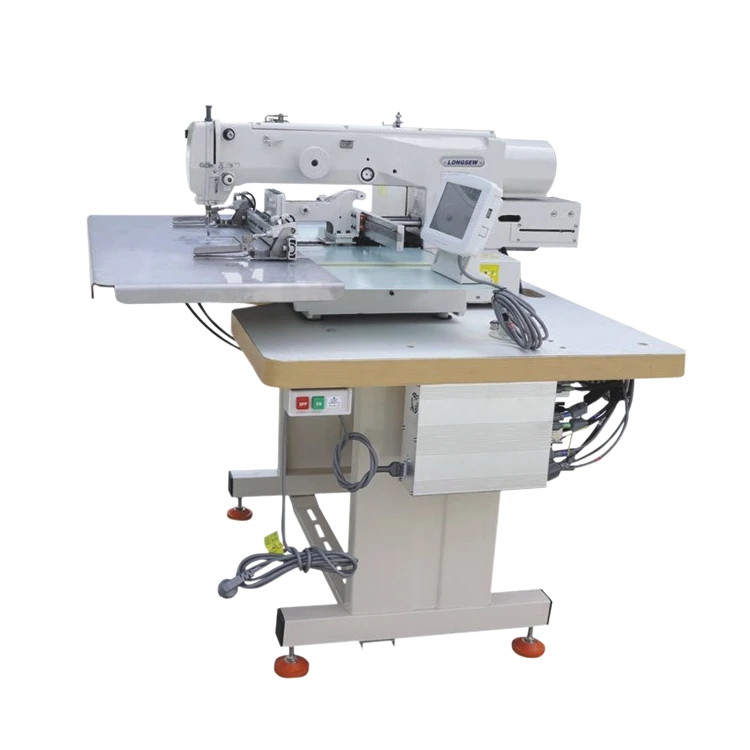
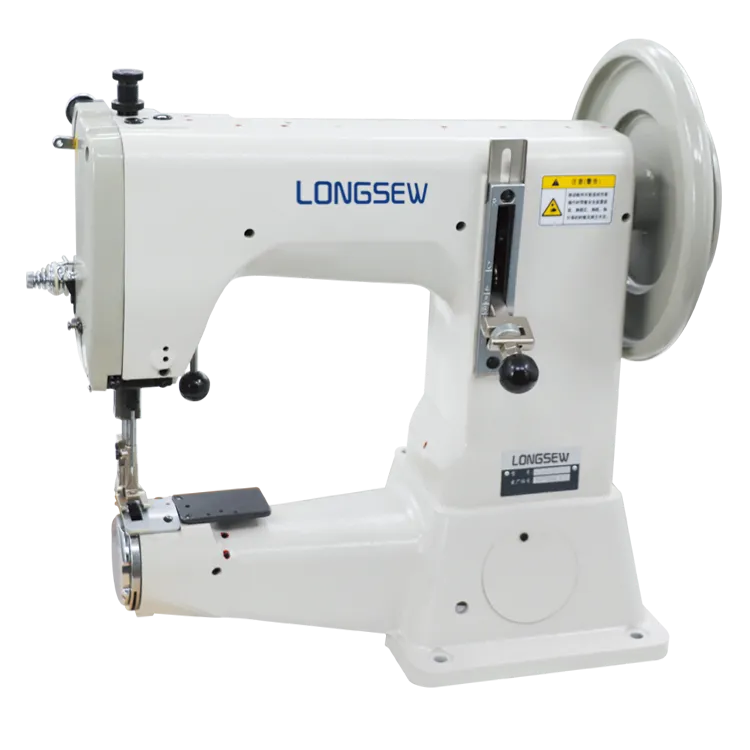
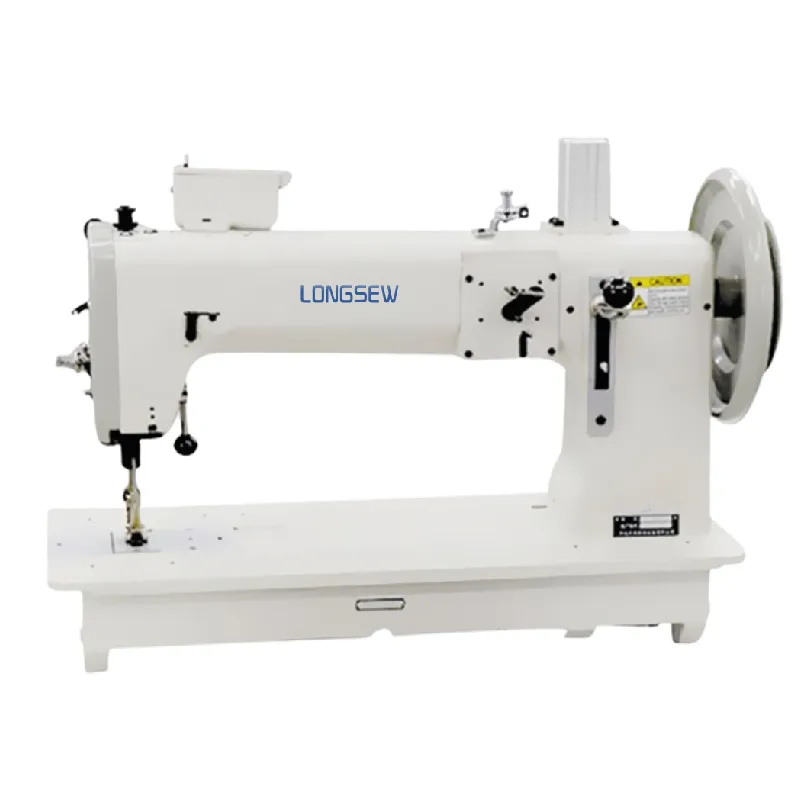
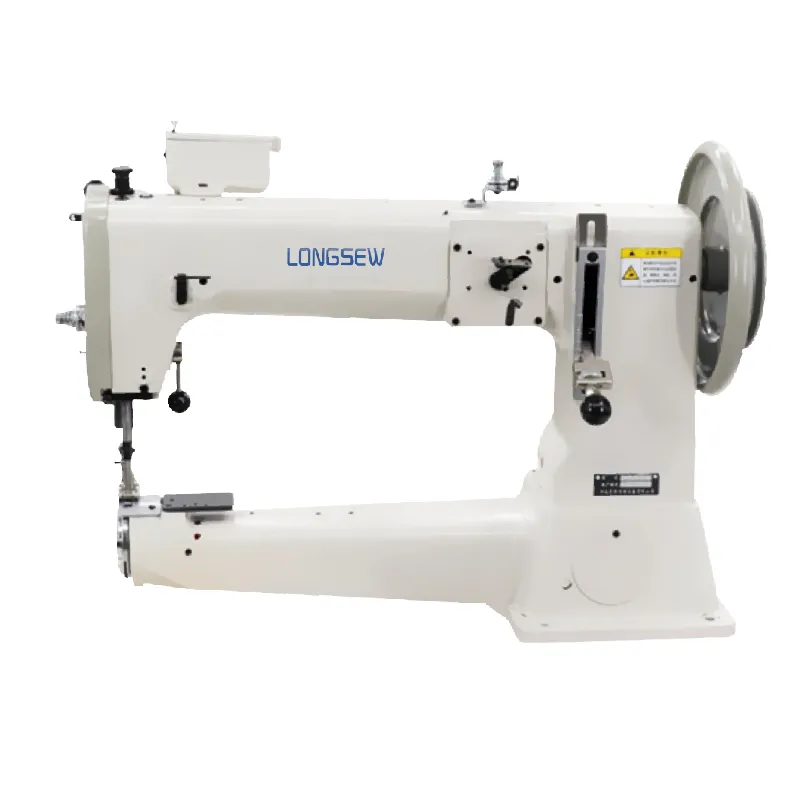
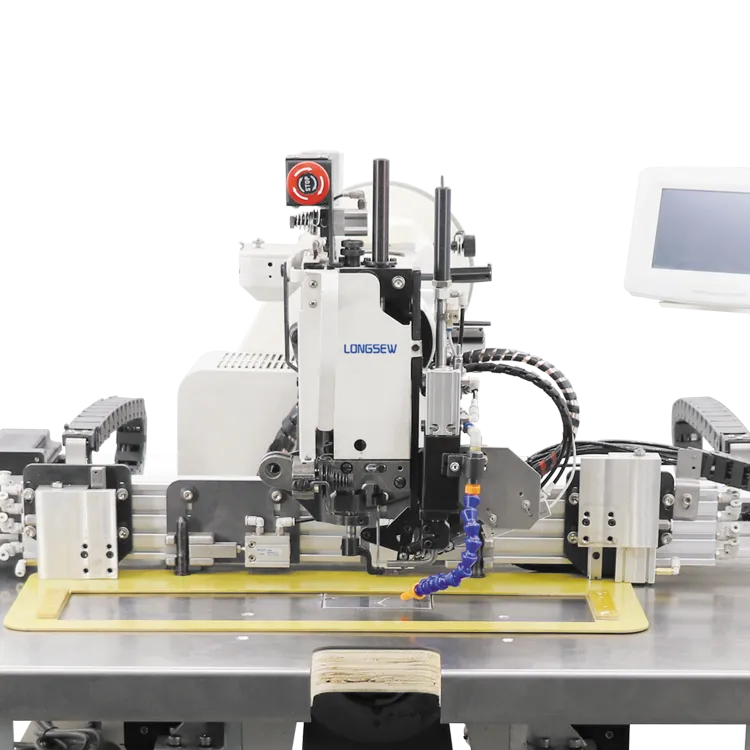
Industrial jumbo bag sewing machine Solutions for Gambia

High-performance textile machinery engineered to optimize bulk packaging efficiency for the Gambian agricultural and industrial sectors.

Packaging Machinery Landscape in Gambia

Analyzing the current state of textile equipment in the West African hub.

In Gambia, the demand for robust packaging is driven primarily by the export of groundnuts and fish meal. However, many local facilities still rely on outdated manual stitching tools, which limits the scalability of their exports and increases the risk of seam failure in big bag sewing machine applications.

The tropical climate of Gambia, characterized by high humidity and saline air from the Atlantic coast, creates a challenging environment for machinery. Standard equipment often suffers from rapid corrosion, necessitating the adoption of specialized jumbo bag stitching machine units with reinforced anti-rust coatings.

Economically, there is a visible shift toward semi-automation. Local entrepreneurs are transitioning from small-scale workshops to industrial hubs, increasing the requirement for a reliable 50 kg jute bag making machine to handle regional agricultural logistics more efficiently.
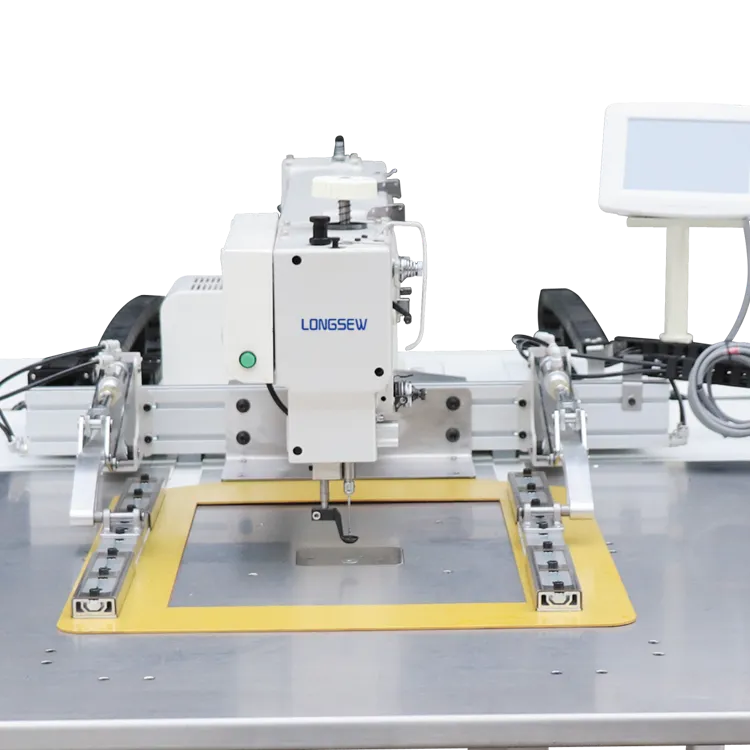
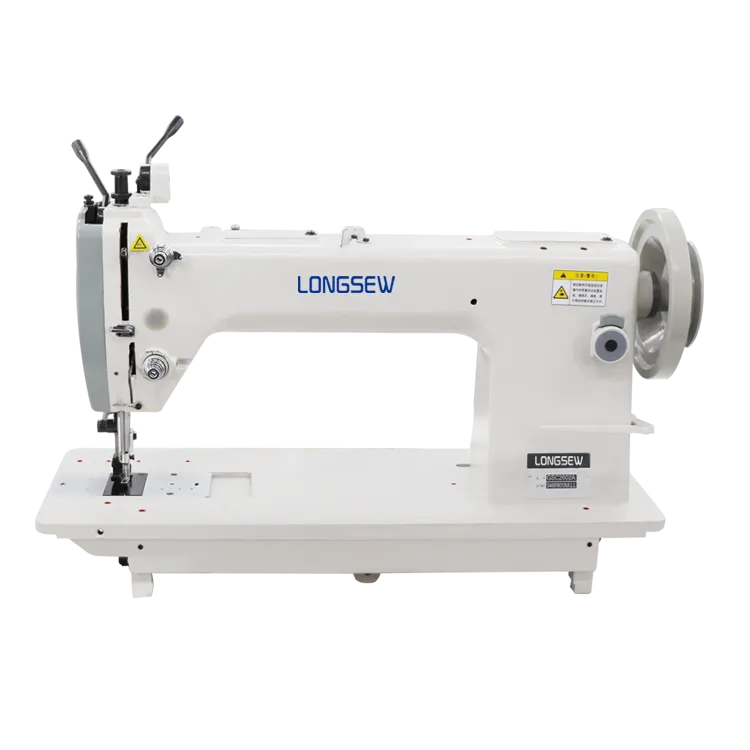
Evolution of Textile Stitching in Gambia

From manual labor to precision industrial automation.

Market Development History

Before 2010, the Gambian market was dominated by handheld portable sewing machines used for basic closing. These machines lacked the tension control required for heavy-duty industrial loads, leading to frequent ruptures during maritime transport.

Between 2010 and 2020, the introduction of the fibc sewing machine revolutionized the bulk packaging sector. This era saw the rise of specialized FIBC (Flexible Intermediate Bulk Container) production to meet international shipping standards for minerals and grains.

From 2020 to the present, the focus has shifted toward high-speed synchronization and durability. The integration of servo motors and automatic thread cutters has reduced waste and increased the hourly output of bag production facilities across the region.

Future Development Trends

Eco-Friendly Fiber Integration

Increasing global pressure for sustainability is driving the adoption of biodegradable threads and fabrics, requiring machines that can handle diverse material densities without needle breakage.

Smart Tension Control

Future iterations of stitching equipment will feature IoT-enabled sensors to monitor seam strength in real-time, ensuring zero-defect exports from Gambian ports.

Modular Automation

Small and medium enterprises (SMEs) in Gambia will likely adopt modular "plug-and-play" assembly lines to scale production from 50kg bags to jumbo containers seamlessly.

Industrial Trends & Future Outlook

Predicting the trajectory of heavy-duty textile machinery in West Africa.

Energy Efficiency
Transition to low-energy servo motors to combat unstable power grids in local industrial zones.
Material Versatility
Enhanced ability to switch between polypropylene, jute, and recycled polymer fabrics.
Precision Engineering
Integration of automatic seam reinforcement to reduce manual quality checks.
Remote Support
Digital diagnostic tools to support Gambian operators via remote cloud connectivity.

Industry Outlook

Based on search trends for industrial packaging in West Africa, we anticipate a 15% annual increase in demand for automated bag-closing solutions. The shift is led by the need for standardized export quality to penetrate European and North American markets.

Furthermore, the integration of high-strength stitching will allow Gambian exporters to increase the load capacity of their containers, directly reducing the cost per ton of shipped goods and enhancing regional competitiveness.

Localized Application Scenarios in Gambia

Real-world deployment of heavy-duty sewing technology across various sectors.

1. Groundnut Export Packaging

Using heavy-duty stitching machines to secure 50kg and 100kg bags, ensuring that groundnuts are tightly sealed for long-distance maritime transport without leakage.

2. Fish Meal Bulk Logistics

Implementation of FIBC sewing systems to create jumbo bags capable of holding 1,000kg of fish meal, optimizing the loading efficiency of shipping containers.

3. Cement & Construction Material Bags

Deploying high-speed stitching lines for the local production of cement bags, where seam strength is critical to prevent bursting during site handling.

4. Agricultural Seed Distribution

Utilizing precision bag-making machines to produce specialized seed bags that protect genetic purity and prevent moisture ingress during the rainy season.

5. Chemical Fertilizer Packaging

Applying reinforced stitching techniques to handle corrosive fertilizer materials, ensuring the bags remain intact throughout the internal distribution network.

Brand Story

Global Development History of Hebei Longsew Machinery Technology Co., Ltd.

Foundational Innovation

Established with a vision to solve the most difficult sewing challenges in the industrial textile world, focusing on heavy-duty materials.

Technical Breakthroughs

Developed proprietary tensioning systems that allow for seamless stitching of thick polymer fabrics, setting new industry benchmarks.

Global Market Expansion

Extended our reach to Africa, tailoring our machines to withstand extreme climates and provide reliable performance in emerging markets.

Quality Standardization

Achieved international certifications, ensuring every machine delivered meets the rigorous safety and durability standards of global trade.

Commitment to Sustainability

Now leading the transition toward energy-efficient machinery to help our global partners reduce their carbon footprint.

Common Questions in Gambia

Expert answers to the most frequent technical queries from our local clients.

Which fibc sewing machine is best for high-humidity environments?

We recommend our corrosion-resistant series, which features specialized plating on all critical metal components to prevent rust in coastal regions like Banjul.

Can the jumbo bag sewing machine handle recycled PP fabric?

Yes, our machines feature adjustable feed dogs and tension settings specifically designed to handle the irregularities of recycled polypropylene without skipping stitches.

What is the maintenance cycle for a 50 kg jute bag making machine?

For optimal performance in Gambian dust conditions, we recommend daily cleaning of the bobbin area and weekly lubrication of the main drive shaft.

How do I ensure the seam strength of my big bag sewing machine?

Use high-tenacity bonded polyester thread and calibrate the stitch length to 4-6mm, depending on the fabric weight, using our precision control panel.

Is the jumbo bag stitching machine compatible with unstable power?

Our latest models are equipped with wide-voltage servo motors and we highly recommend pairing them with an external voltage stabilizer for maximum longevity.

What is the lead time for spare parts delivery to Gambia?

We maintain a strategic stock of wear-parts (needles, loopers, belts) to ensure rapid dispatch via air freight to minimize your production downtime.

Ready to Upgrade Your Production?

Contact our technical team today for a customized machinery consultation tailored to the industrial requirements of Gambia.

Contact Us Now

If you are interested in our products, you can choose to leave your information here, and we will be in touch with you shortly.