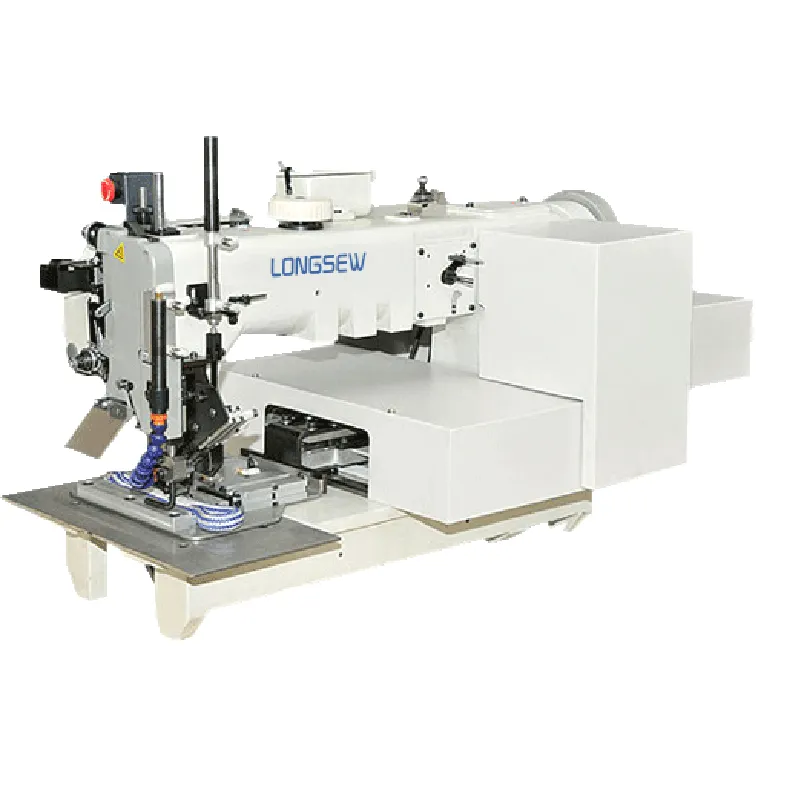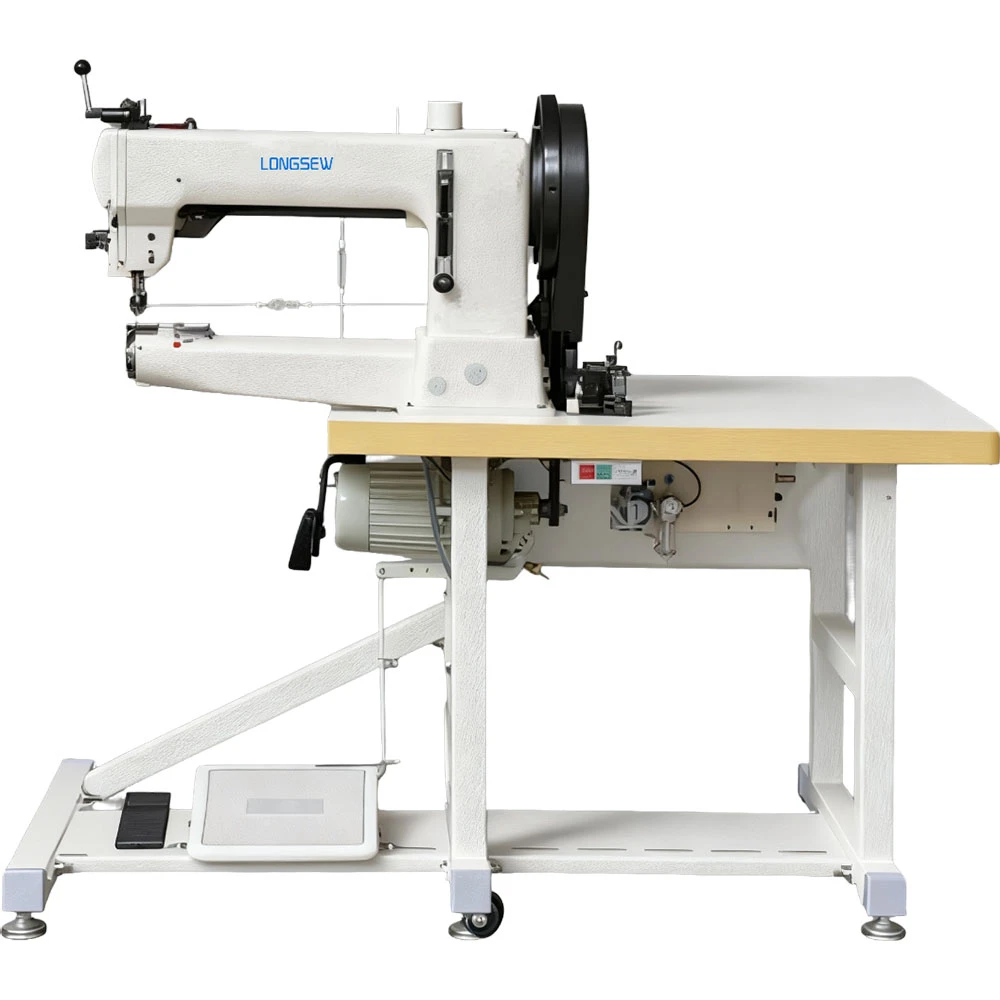
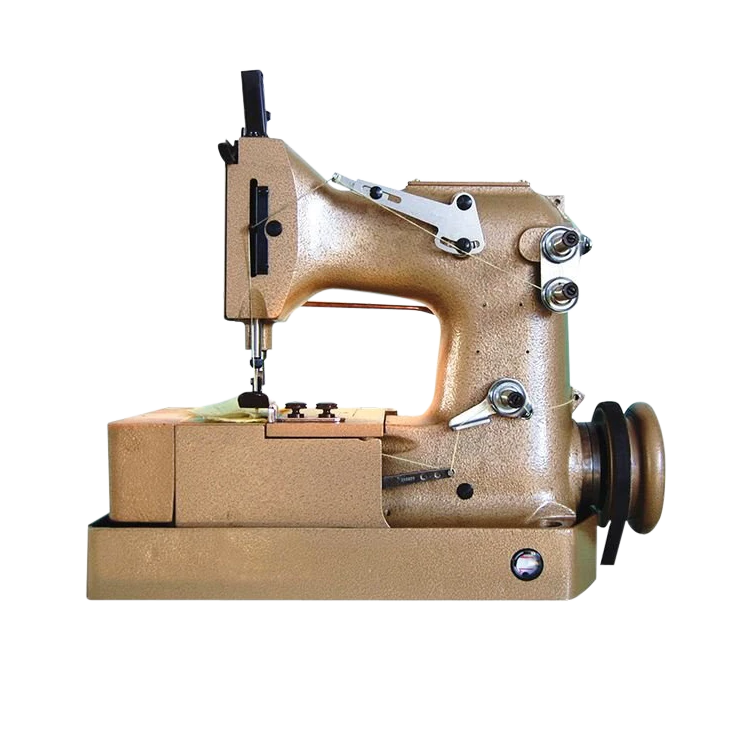
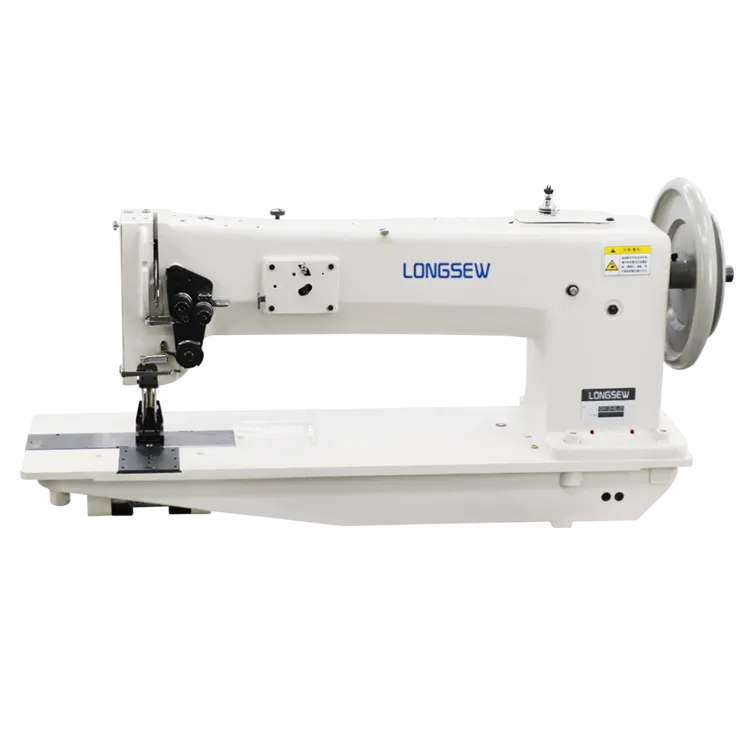
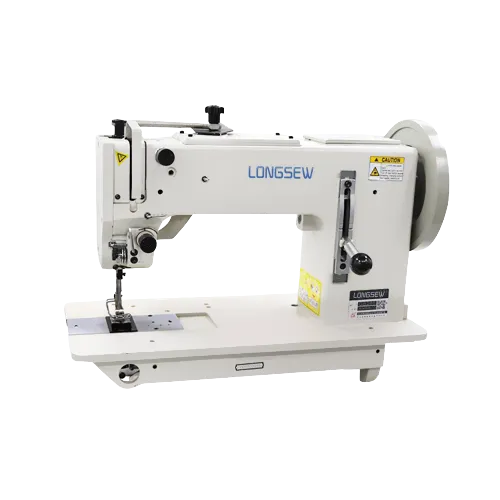
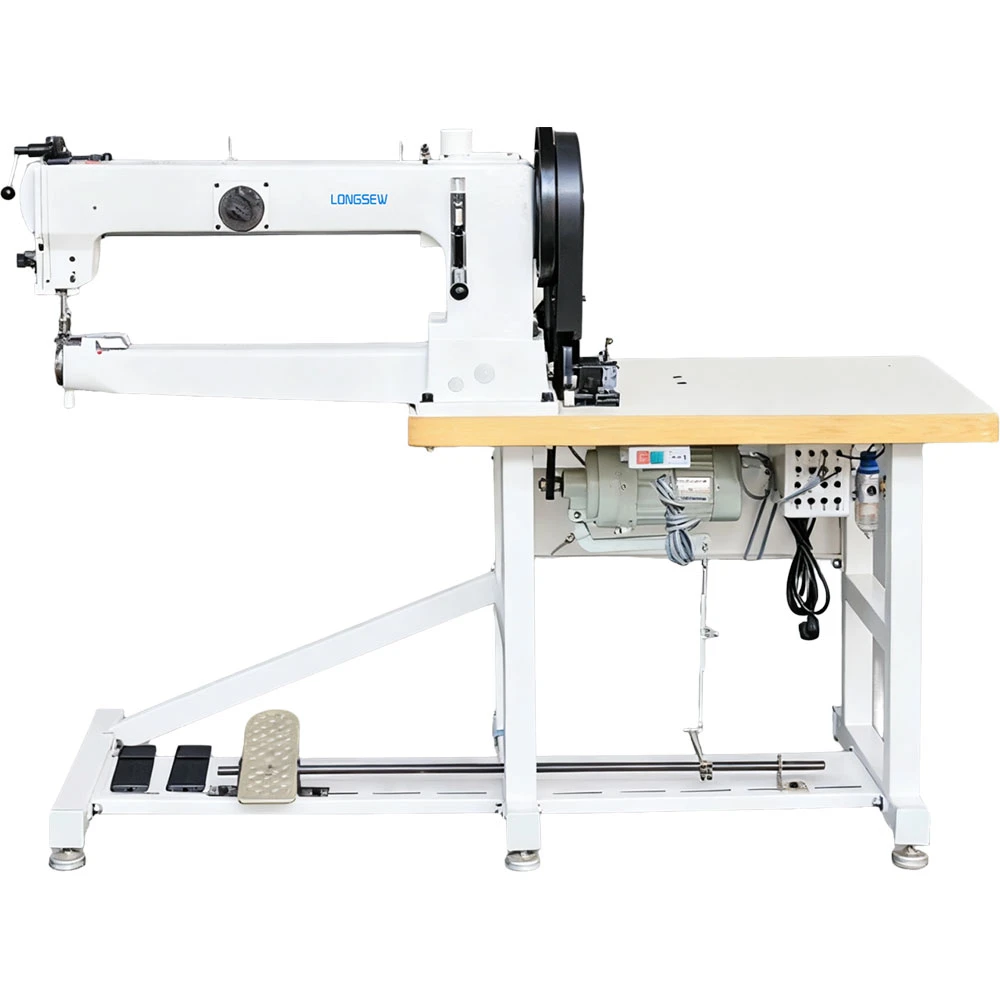
Industrial jumbo bag sewing machine Solutions for Cuba

High-performance sewing and stitching technology engineered for the rigorous demands of the Cuban agricultural and industrial packaging sectors.

Packaging Infrastructure in Cuba

Analyzing the current state of the textile and bag manufacturing sector in the Caribbean region.

In Cuba, the textile and industrial packaging industry is heavily tied to the agricultural cycle, particularly for sugar, tobacco, and coffee exports. The current environment relies on a mix of legacy machinery and a growing need for durable fibc sewing machine technology to handle high-capacity bulk bags used in port logistics.

The humid tropical climate of the region poses a significant challenge to machinery longevity, often leading to premature corrosion of standard steel components. Consequently, there is a rising demand for equipment that combines structural resilience with high-precision stitching to prevent bag failure during transoceanic shipments.

Economic shifts towards diversifying exports have increased the requirement for versatile equipment. Local workshops are transitioning from simple repairs to full-scale production using the big bag sewing machine to meet the specifications of international logistics standards.
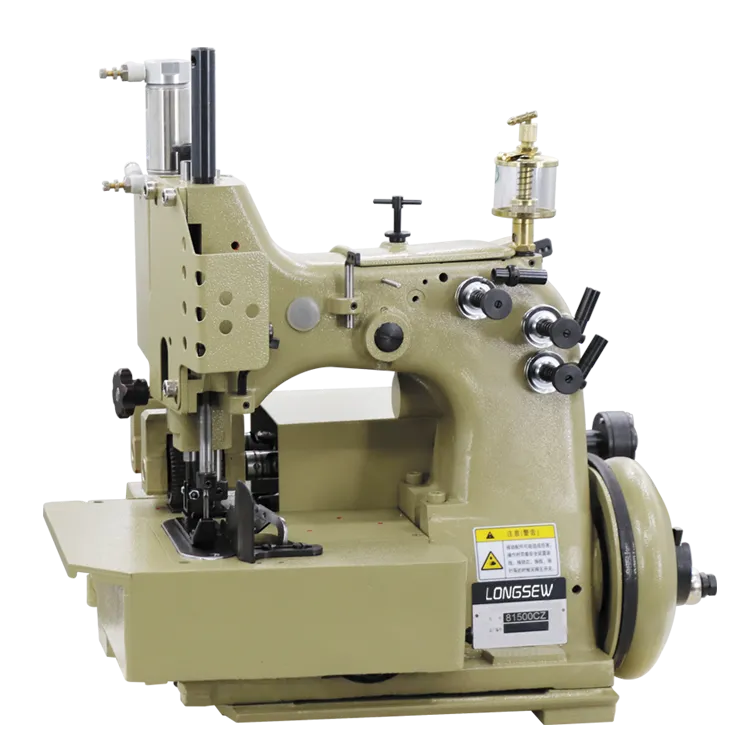
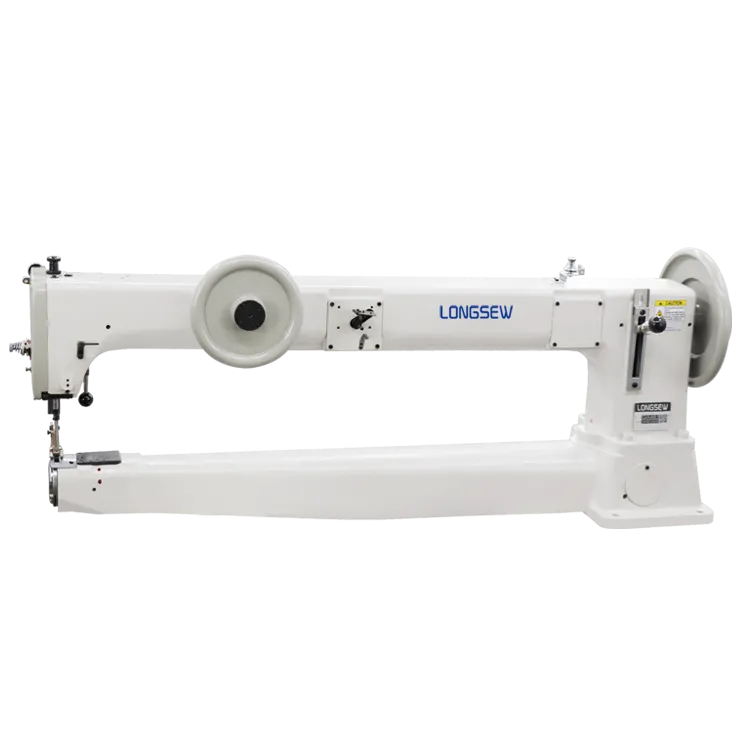
Evolution of Industrial Stitching in Cuba

From manual craftsmanship to automated bulk packaging systems.

Market Development History

During the 1980s and 90s, the Cuban market relied primarily on manual stitching and basic mechanical machines for small-scale agricultural sacks. The focus was on durability over speed, with limited access to specialized industrial parts.

Between 2000 and 2015, the introduction of semi-automated jumbo bag stitching machine units began to standardize the production of Flexible Intermediate Bulk Containers (FIBCs), allowing for larger load capacities in the mining and chemical sectors.

From 2016 to the present, the trend has shifted toward high-speed, energy-efficient machinery. The integration of the 50 kg jute bag making machine has enabled local cooperatives to optimize the packaging of traditional crops with improved sealing strength.

Future Development Trends

Automated Tension Control

Integration of smart sensors to maintain consistent stitch density regardless of material thickness, reducing waste in heavy-duty polypropylene fabrics.

Energy-Efficient Servo Motors

Transitioning from clutch motors to servo-driven systems to reduce electricity consumption and noise pollution in urban manufacturing hubs.

Modular Maintenance Designs

Development of machines with easily replaceable wear parts to ensure minimal downtime in regions where specialized technicians may be scarce.

Future Outlook of Bulk Packaging Technology

Strategic directions for the next 3-5 years of textile machinery in the Caribbean.

Eco-Friendly Materials
Adapting machinery to handle biodegradable fibers and recycled plastics to meet global sustainability standards.
Smart PLC Integration
Implementation of programmable logic controllers to reduce human error in complex FIBC sewing patterns.
High-Speed Production
Increasing stitches-per-minute (SPM) capacities to support the growing demand for industrial exports.
Corrosion Resistance
Enhanced use of stainless steel and specialized coatings to combat the salty Caribbean air.

Industry Outlook

Based on search trends for industrial textiles, we predict a surge in demand for automated packaging solutions as Cuba seeks to modernize its export infrastructure. The focus will move from basic stitching to complete bag-making lines.

Integration of IoT for remote diagnostics will likely become a key selling point, allowing manufacturers to maintain equipment efficiency without relying on constant on-site expert presence.

Local Application Scenarios in Cuba

Practical implementations of our machinery across various Cuban industrial sectors.

1. Sugar Mill Bulk Packaging

Deploying high-capacity stitching units to secure large-scale sugar bags for international shipment, ensuring zero leakage during transit.

2. Tobacco Leaf Exporting

Utilizing specialized sewing machines to create breathable but strong bags that protect high-value tobacco leaves from moisture.

3. Mining and Mineral Transport

Implementing heavy-duty FIBC solutions for transporting nickel and cobalt ores using reinforced stitching patterns.

4. Coffee Bean Cooperatives

Using a 50 kg jute bag making machine to provide standardized packaging for local coffee producers targeting the European market.

5. Port Logistics Hubs

Providing portable stitching equipment for rapid repair and sealing of damaged bulk bags at Havana and Mariel ports.

Brand Story

Global Development Journey of Hebei Longsew Machinery Technology Co., Ltd.

Foundational Excellence

Established with a vision to solve the most difficult challenges in industrial sewing, focusing on heavy-duty textile machinery.

Technological Breakthrough

Developing advanced stitching mechanisms that reduced thread breakage by 30% for high-density polypropylene materials.

Global Market Expansion

Expanding our footprint across North America and the Caribbean, tailoring equipment for tropical and coastal environments.

Innovation in Automation

Introducing PLC-controlled sewing systems to help manufacturers transition from manual labor to smart production.

Commitment to Sustainability

Leading the industry in creating energy-efficient machinery that minimizes carbon footprints for global textile factories.

Cuba Industrial Sewing FAQ

Expert answers to the most common technical questions from our local partners.

How do I choose the right fibc sewing machine for heavy-duty mining bags?

For mining bags, we recommend machines with reinforced frames and heavy-duty needles capable of penetrating multiple layers of reinforced polypropylene without bending.

Can a jumbo bag sewing machine handle different fabric thicknesses?

Yes, our machines feature adjustable tension settings and pressure feet that allow operators to switch between thin woven fabrics and heavy industrial liners seamlessly.

What is the maintenance cycle for a 50 kg jute bag making machine in humid climates?

In humid regions like Cuba, we recommend weekly lubrication of all moving parts and a daily check for rust prevention using industrial-grade lubricants.

Is the big bag sewing machine compatible with automatic feeding systems?

Absolutely. Our equipment is designed with standard interfaces that can be integrated into larger automated production lines for maximum efficiency.

How do I prevent thread breakage when using a jumbo bag stitching machine?

Ensure you are using high-tenacity bonded nylon or polyester thread and calibrate the tension disks according to the specific GSM of your bag material.

Do your machines support 220V power standards used in Cuba?

Yes, we offer customized electrical configurations to match the local voltage and frequency requirements of Cuban industrial facilities.

Ready to Upgrade Your Production?

Our technical team is ready to provide customized industrial sewing solutions for your business in Cuba.

Contact Us Now

If you are interested in our products, you can choose to leave your information here, and we will be in touch with you shortly.