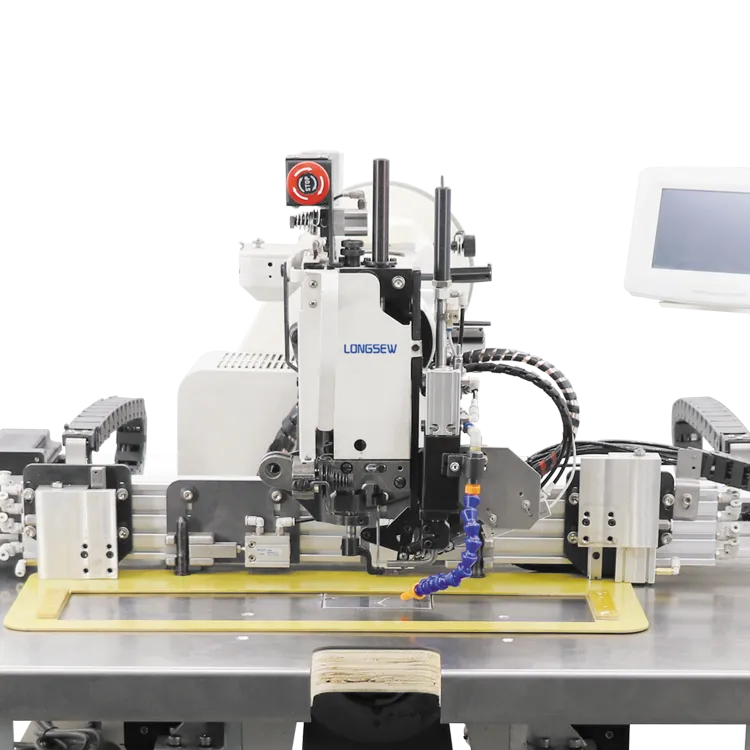
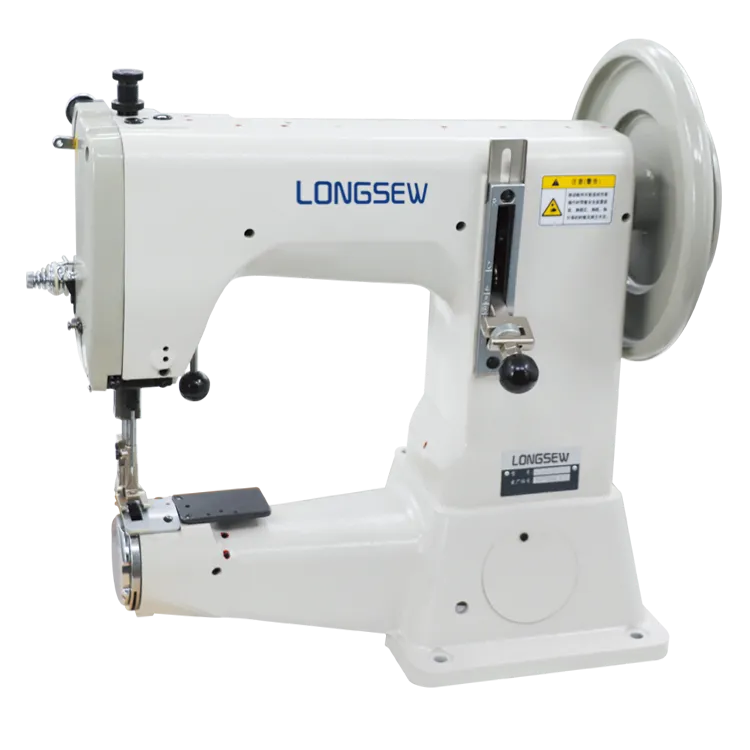
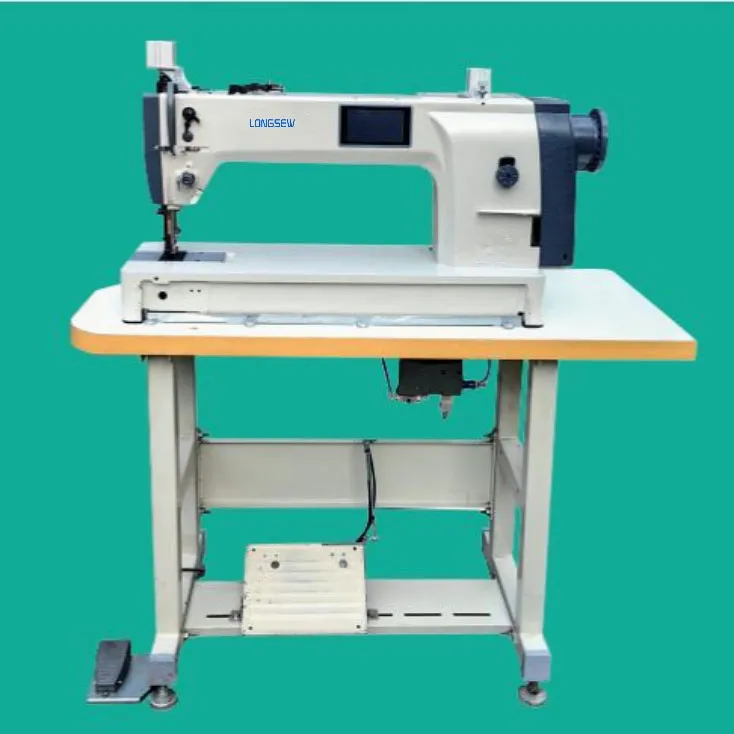
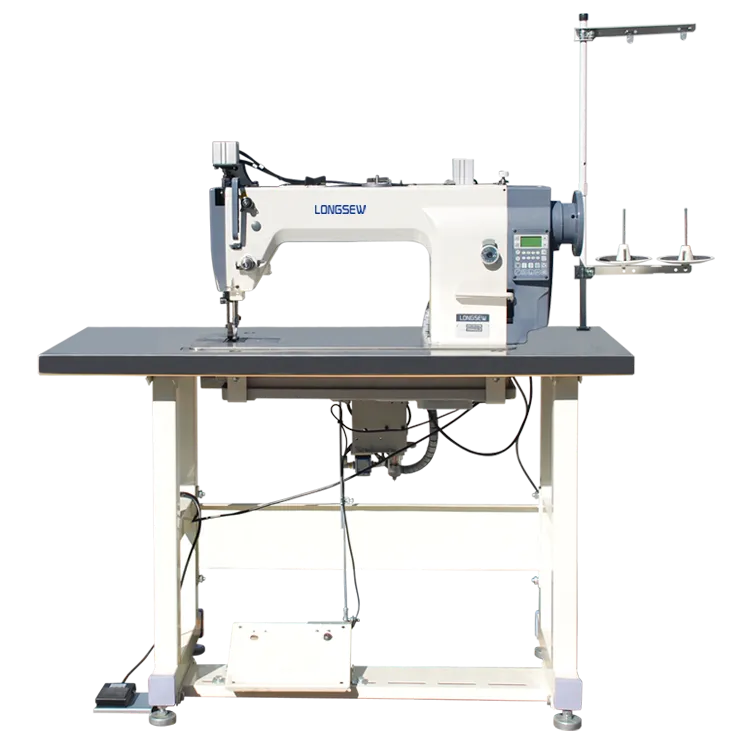
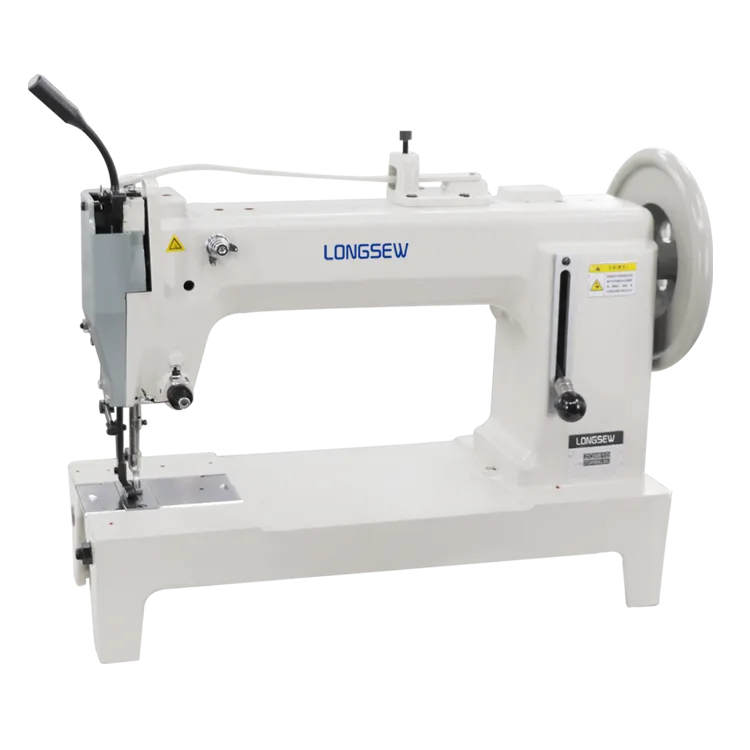
Industrial jumbo bag sewing machine Solutions for Cambodia

Enhancing the capacity of Cambodia's textile and packaging sector with high-precision, heavy-duty stitching technology for global export standards.

Current Landscape of Industrial Bagging in Cambodia

Analyzing the intersection of Cambodia's agricultural exports and textile manufacturing needs.

Cambodia's manufacturing sector is currently experiencing a shift toward high-value industrial packaging. With the rise of agricultural exports like rice and cashew nuts, the demand for a reliable big bag sewing machine has surged to ensure products are secured for long-distance maritime transport.

However, the local industry faces challenges due to high humidity and dust in factory environments. Standard equipment often fails under these conditions, making the need for a specialized jumbo bag stitching machine critical for maintaining continuous production lines without frequent downtime.

Currently, many Cambodian factories are transitioning from manual labor to semi-automated systems. The adoption of a 50 kg jute bag making machine allows local enterprises to diversify their product offerings, catering to both small-scale retail and large-scale industrial bulk shipments.
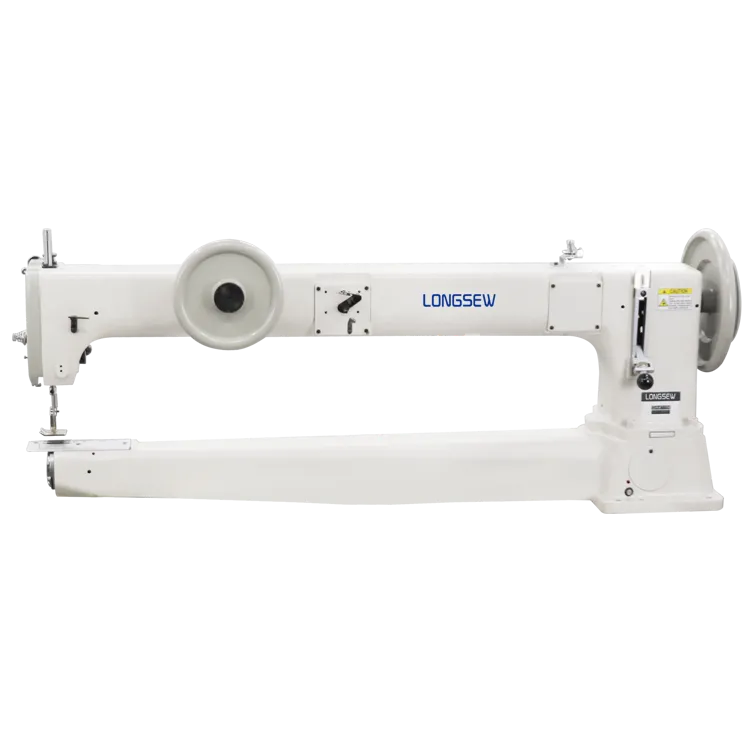
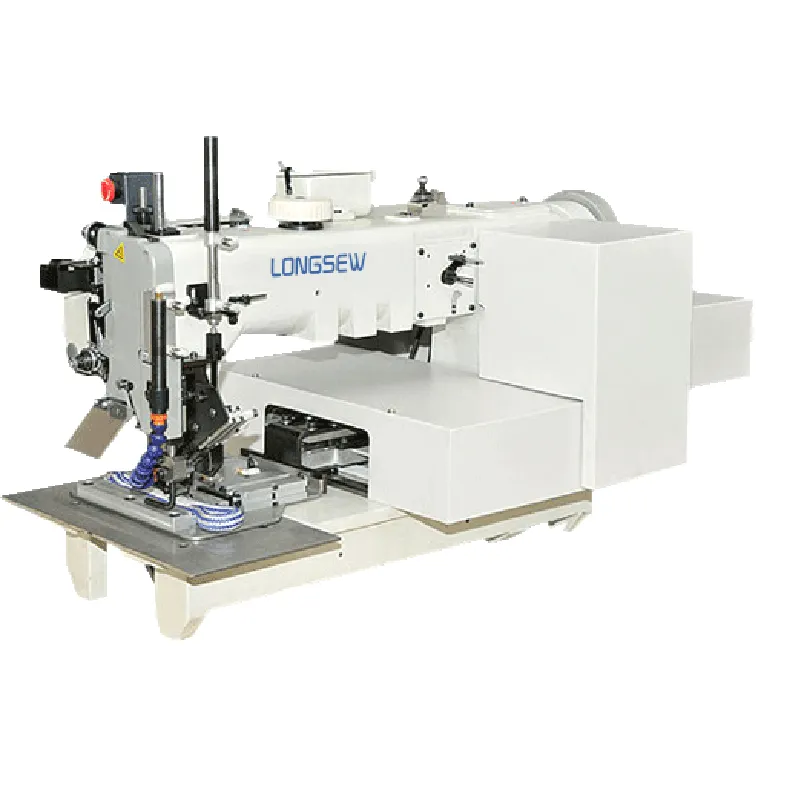
Evolution and Trajectory of Bag Sewing Technology

From basic manual stitching to high-performance automated FIBC production.

Market Development History

In the early 2000s, the Cambodian textile market relied heavily on basic handheld closing machines. These tools were sufficient for light garments but lacked the torque required for the thick polypropylene fabrics used in industrial bags.

Between 2010 and 2020, the industry saw the introduction of specialized fibc sewing machine units. This period marked a transition where factories began focusing on "Flexible Intermediate Bulk Containers," requiring reinforced seams and precision tension control to meet international safety factors.

Today, the focus has shifted toward integration. The modern Cambodian factory now utilizes synchronized stitching systems that combine speed with durability, ensuring that every seam can withstand the stress of heavy loads during export.

Future Development Trends

IoT-Enabled Precision

We predict the integration of smart sensors in sewing heads to detect thread breakage in real-time, reducing waste in large-scale production.

Eco-Friendly Material Compatibility

As global brands demand sustainable packaging, machines will be optimized to handle biodegradable polymers and recycled jute fibers without compromising seam strength.

Modular Automation

A trend toward modular units that can be quickly swapped between different bag sizes, allowing factories to pivot production from small sacks to jumbo bags within minutes.

Industry Trends and Future Outlook

Strategic forecasts for the specialized equipment manufacturing sector in Southeast Asia.

High-Speed Throughput
Increasing RPMs while maintaining stitch consistency to meet the growing export quotas of the region.
Material Versatility
Developing feed mechanisms that handle varying thicknesses of PP, PE, and natural jute fabrics.
Energy Efficiency
Transitioning to servo-motor driven systems to reduce electricity costs in Cambodian industrial zones.
Precision Engineering
Reducing mechanical vibration to extend the lifespan of needles and loops in high-stress environments.

Industry Outlook

The convergence of E-commerce and industrial logistics is driving the need for more standardized packaging. We anticipate a 15% growth in the adoption of high-end stitching machinery in Cambodia as the government encourages the diversification of the garment industry into technical textiles.

Furthermore, the shift towards "Green Logistics" means that machines capable of handling recycled materials will dominate the market, providing a competitive edge to factories that can prove their sustainability credentials to EU and US buyers.

Localized Application Scenarios in Cambodia

Practical deployments of our equipment across various Cambodian industrial sectors.

01. Agricultural Bulk Export Packaging

Utilizing the jumbo bag sewing machine in Sihanoukville port-adjacent warehouses to secure 1-ton bags of rice and corn for international shipping.

02. Specialized Jute Bag Production

Implementing the 50 kg jute bag making machine for local coffee and pepper producers who require breathable, high-strength packaging for premium exports.

03. Construction Material Containment

Deploying the big bag sewing machine for producing sand and gravel bags used in Cambodia's rapidly expanding urban infrastructure projects.

04. Industrial Chemical Storage

Using high-precision fibc sewing machine technology to create leak-proof, reinforced containers for the regional chemical processing industry.

05. Textile Waste Recycling Bags

Applying the jumbo bag stitching machine to create massive collection bags for textile scrap, supporting circular economy initiatives in Phnom Penh's garment hubs.

Brand Story

Global Development History of Hebei Longsew Machinery Technology Co., Ltd.

Technical Foundations

Founded with a vision to solve the fragility of industrial seams, we began by innovating the core mechanical drive of heavy-duty sewing heads.

Global Market Expansion

We expanded our footprint into Southeast Asia, recognizing the unique needs of markets like Cambodia for durable, low-maintenance equipment.

R&D Breakthroughs

Introduced the first generation of automated tension control, significantly reducing the failure rate of bulk bag seams under extreme loads.

Sustainable Innovation

Launched a series of energy-efficient motors and eco-compatible sewing heads to support the global transition to green manufacturing.

Future Vision

Continuing to empower global manufacturers with "Precision, Power, and Permanence" in every stitch produced.

Common Questions from Cambodian Manufacturers

Technical support and operational guidance for our specialized equipment.

How do I maintain a jumbo bag sewing machine in high-humidity environments?

We recommend using high-grade anti-corrosive lubricants and daily cleaning of the feed dogs to prevent moisture-induced friction and rust.

Can a 50 kg jute bag making machine handle recycled fibers?

Yes, our machines are designed with adjustable tension settings to accommodate the varied texture and strength of recycled jute fibers.

What is the average lifespan of a big bag sewing machine needle?

Depending on the material thickness, needles typically last for 10,000 to 20,000 stitches. We provide bulk needle kits for uninterrupted operation.

Is a fibc sewing machine compatible with 220V power in Cambodia?

Our machines are built with global voltage compatibility and can be configured for 220V/50Hz to match local Cambodian industrial grids.

What is the difference between a jumbo bag stitching machine and a standard bag closer?

The jumbo bag version features a higher-torque motor and reinforced chassis to penetrate multiple layers of heavy polypropylene fabric.

Do you provide training for local operators in Cambodia?

Yes, we provide comprehensive digital manuals and remote video training to ensure your team masters the machine's capabilities.

Ready to Upgrade Your Production?

Our technical experts are ready to provide customized sewing solutions for your facility in Cambodia.

Contact Us Now

If you are interested in our products, you can choose to leave your information here, and we will be in touch with you shortly.