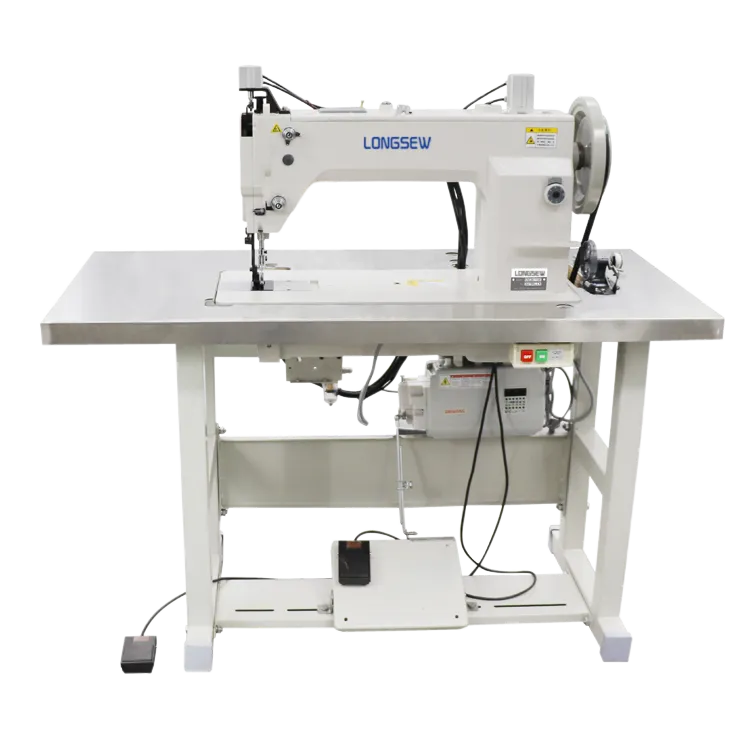
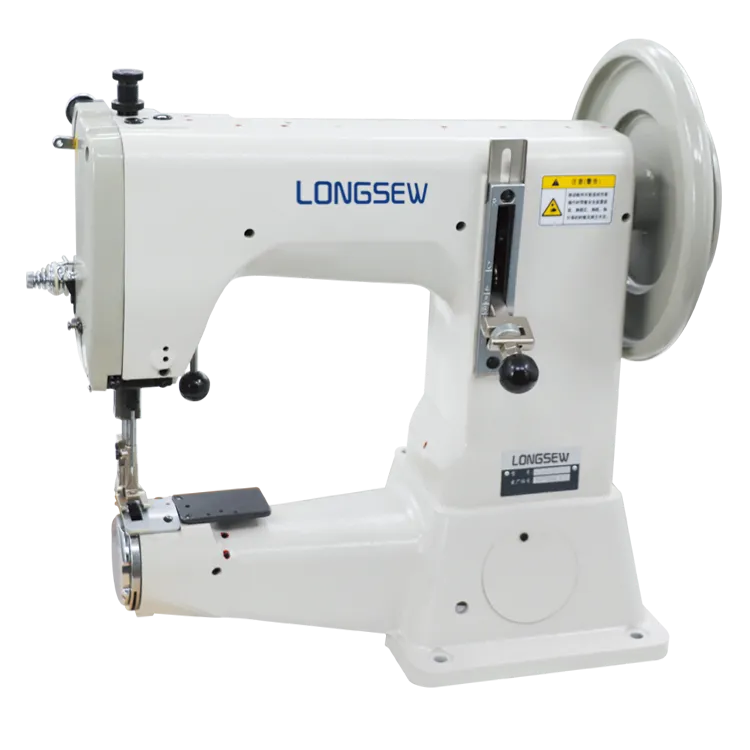
Industrial jumbo bag sewing machine Solutions for Brazil's Agricultural Export

High-performance stitching technology engineered for the rigorous demands of Brazil's FIBC and bulk bag manufacturing sectors.

The State of Industrial Packaging in Brazil

Analyzing the intersection of textile machinery and Brazil's agro-industrial logistics.

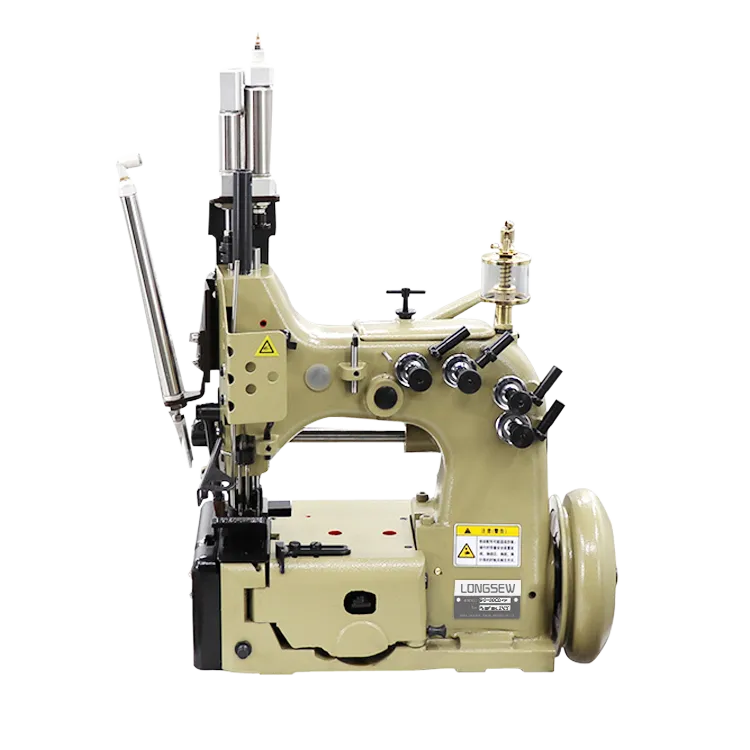
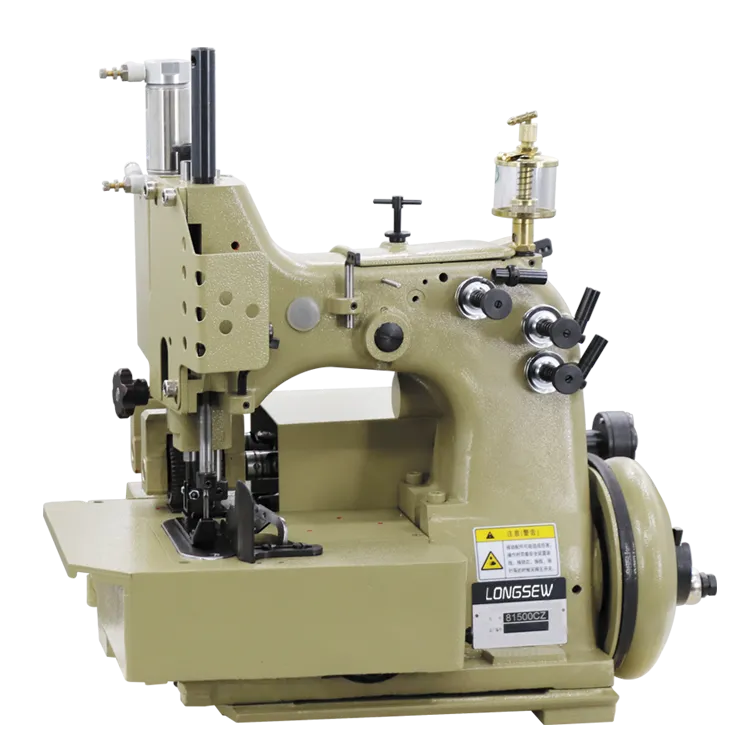
Brazil's position as a global leader in soybean, corn, and coffee exports creates an immense demand for durable packaging. The local industry relies heavily on the big bag sewing machine to produce FIBCs that can withstand long-distance maritime transport and high humidity levels characteristic of the Brazilian coast.

However, the Brazilian market faces challenges with equipment downtime due to the abrasive nature of agricultural dust and the high volume of production. Manufacturers are shifting away from generic tools toward specialized fibc sewing machine models that offer enhanced lubrication and reinforced chassis to handle 24/7 operation cycles.

Economically, the drive toward automation in states like Mato Grosso and Paraná is pushing local factories to upgrade their jumbo bag stitching machine fleets to reduce labor costs and eliminate seam failures that lead to costly product loss during export.
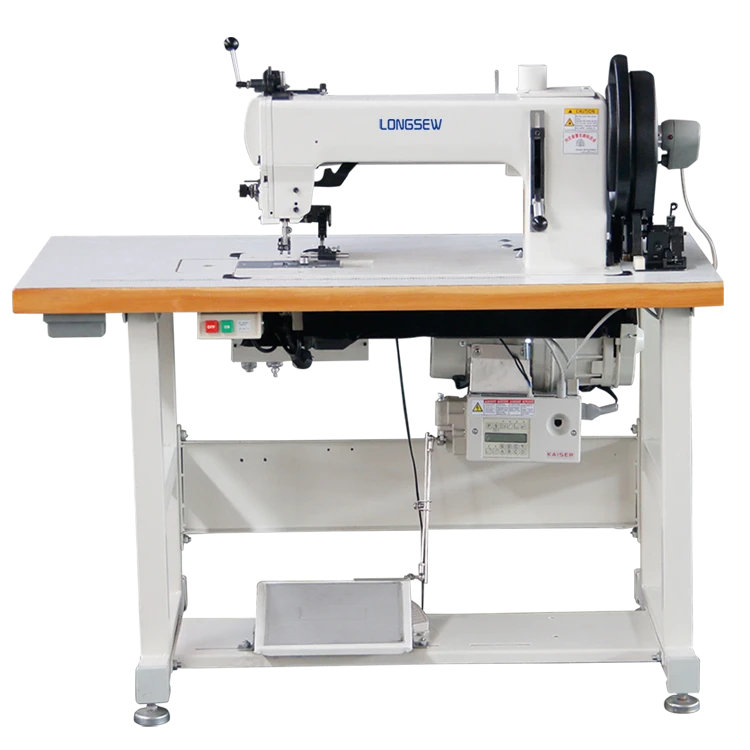
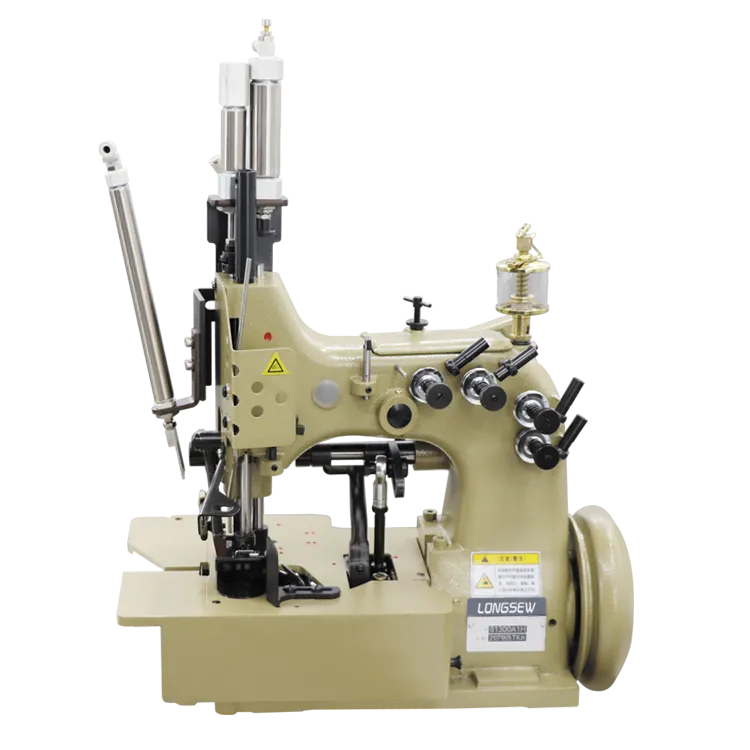
Evolution of Bulk Bag Stitching Technology

From manual labor to precision automated sewing systems in the South American market.

Market Development History

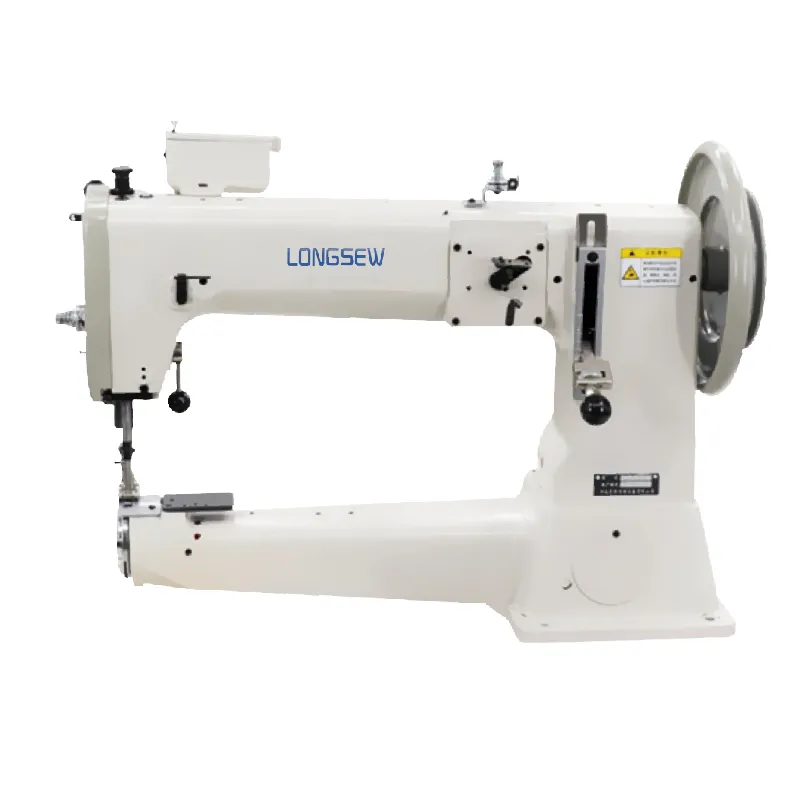
In the 1990s and early 2000s, the Brazilian textile sector primarily utilized basic lockstitch machines and manual sewing, which lacked the speed required for the booming export market. The reliance on a 50 kg jute bag making machine was common for smaller grain shipments, but lacked the capacity for bulk tonnage.

Between 2010 and 2020, there was a significant transition toward heavy-duty chain-stitch technology. The introduction of specialized industrial fibc sewing machine units allowed for the production of bags with higher Safe Working Loads (SWL), meeting international ISO standards for shipping.

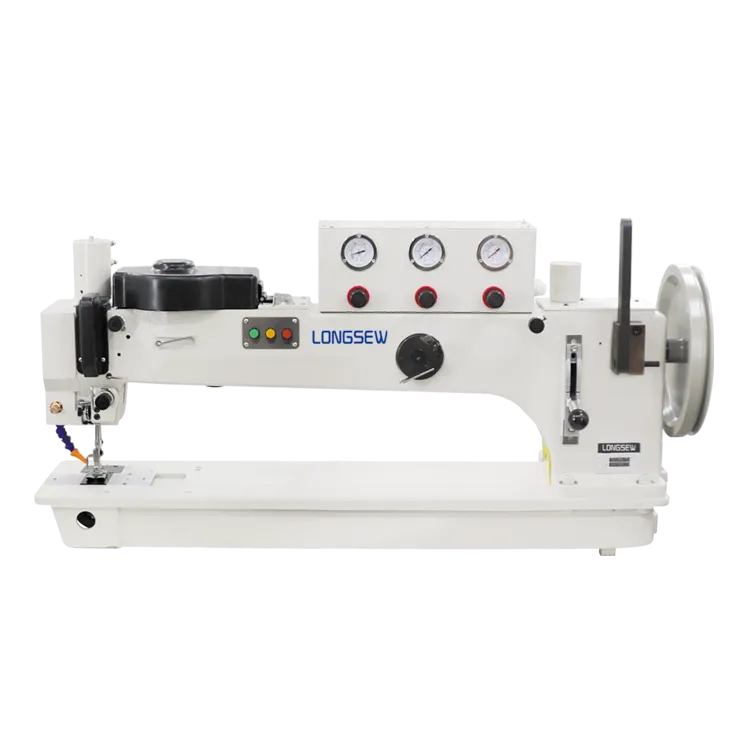
Today, the industry has entered the era of "Smart Stitching." Modern factories in Brazil now integrate PLC-controlled systems that monitor stitch density and thread tension in real-time, ensuring every jumbo bag is leak-proof and structurally sound.

Future Development Trends

Eco-Friendly Material Integration

With global pressure for sustainability, Brazil is moving toward biodegradable and recycled PP materials, requiring machines with adjustable tension to handle varying fabric elasticity.

IoT-Driven Maintenance

The next 3-5 years will see the adoption of predictive maintenance sensors in jumbo bag sewing machine units to prevent breakdowns before they occur.

Ultra-High Speed Automation

Search trends indicate a rising demand for fully automated cutting and sewing cells that remove human error from the FIBC assembly line.

Future Outlook of Textile Machinery in Brazil

Strategic directions for the next generation of heavy-duty sewing equipment.

Energy Efficiency
Integration of servo-motor technology to reduce electricity consumption in large-scale Brazilian factories.
Precision Control
Advanced tensioning systems to prevent seam bursts in bags carrying over 2000kg of material.
Modular Design
Quick-change parts to ensure zero-downtime during the peak harvest seasons in South America.
Hybrid Versatility
Machines capable of switching between FIBC and traditional woven sacks effortlessly.

Industry Outlook

The Brazilian market is expected to grow as agricultural exports diversify. The shift toward a big bag sewing machine that incorporates AI-driven quality control will become the industry standard by 2027.

Furthermore, as Brazil strengthens its trade ties with Asian markets, the demand for machinery that meets strict international certification for safety and strength will drive the adoption of premium stitching technology.

Local Application Scenarios in Brazil

Real-world deployments of specialized sewing equipment across Brazilian industries.

1. Soybean Export Hubs in Mato Grosso

Using heavy-duty jumbo bag sewing machine units to produce 1-ton containers for bulk soybean shipment, ensuring zero seam failure under heavy load.

2. Coffee Bean Packaging in Minas Gerais

Implementation of the 50 kg jute bag making machine for traditional premium coffee exports, maintaining the classic breathable packaging requirements.

3. Fertilizer Production in Pernambuco

Deployment of chemical-resistant fibc sewing machine models to handle bags used for abrasive fertilizer granules.

4. Mineral Ore Logistics in Minas Gerais

High-strength jumbo bag stitching machine application for transporting iron ore concentrates in specialized reinforced bags.

5. Animal Feed Mills in São Paulo

Utilizing a versatile big bag sewing machine to quickly switch between small feed sacks and large bulk containers for regional distribution.

Brand Story

Global Development Journey of Hebei Longsew Machinery Technology Co., Ltd.

The Foundation of Precision

Founded with a mission to eliminate structural failures in industrial packaging, Longsew began by perfecting the basic lockstitch for heavy fabrics.

Technological Breakthrough

We developed the first generation of high-speed FIBC machines, solving the problem of thread breakage in high-density polypropylene fabrics.

Global Expansion

Expanding into South America, we adapted our machinery to withstand the extreme environmental conditions and high production volumes of the Brazilian market.

Industrial Integration

We evolved from a machine manufacturer to a solution provider, offering complete production line integration for jumbo bag factories.

The Future of Stitching

Today, Longsew continues to lead through innovation, focusing on automation and sustainable manufacturing for the global textile industry.

Brazilian Industrial Packaging FAQ

Expert answers to the most common technical queries from our Brazilian partners.

How do I choose the right fibc sewing machine for polypropylene fabric?

For PP fabrics, you need a machine with a heavy-duty needle and adjustable tension to prevent fabric piercing or loose stitches. We recommend our industrial-grade models specifically designed for high-denier materials.

Can a jumbo bag sewing machine handle 2000kg load capacities?

Yes, as long as the stitch type is a reinforced chain stitch. Our machines are engineered to create seams that distribute weight evenly, preventing bursts during hoisting.

What is the maintenance cycle for a big bag sewing machine in dusty environments?

In agricultural hubs like Mato Grosso, we recommend daily air-cleaning of the bobbin area and weekly lubrication to prevent dust from causing mechanical friction.

Is the 50 kg jute bag making machine compatible with recycled fibers?

Yes, our jute machines feature adjustable feed dogs that can handle the irregular texture of recycled natural fibers without jamming.

How does a jumbo bag stitching machine improve production speed?

Our automated stitching machines reduce manual handling by 40% through synchronized fabric feeding and high-speed needle movement.

Do your machines meet Brazilian NR-12 safety standards?

We design our equipment with safety first. Our machines include emergency stop buttons and protective guards to align with international and local safety regulations.

Ready to Upgrade Your Production?

Contact our technical consultants for a customized machinery audit for your facility in Brazil.

Contact Us Now

If you are interested in our products, you can choose to leave your information here, and we will be in touch with you shortly.