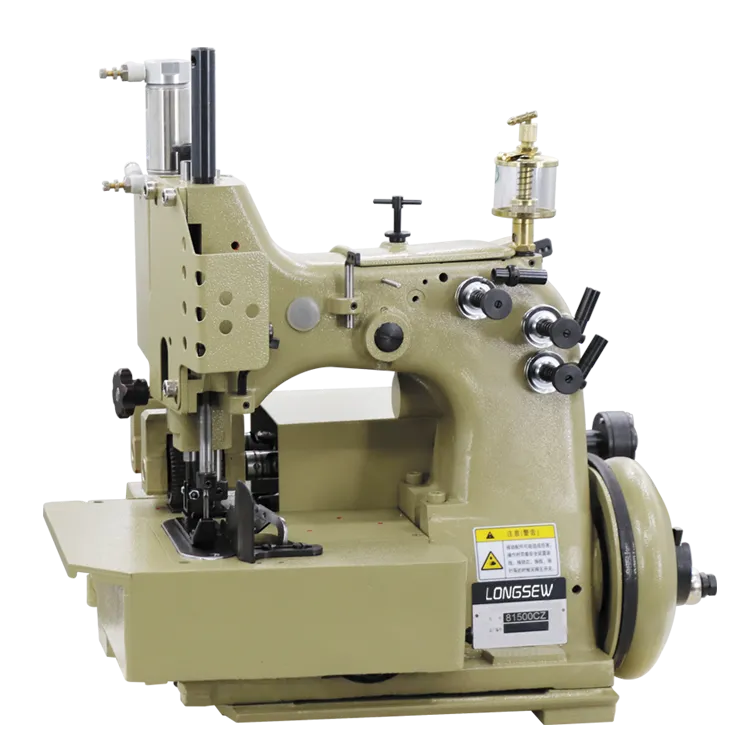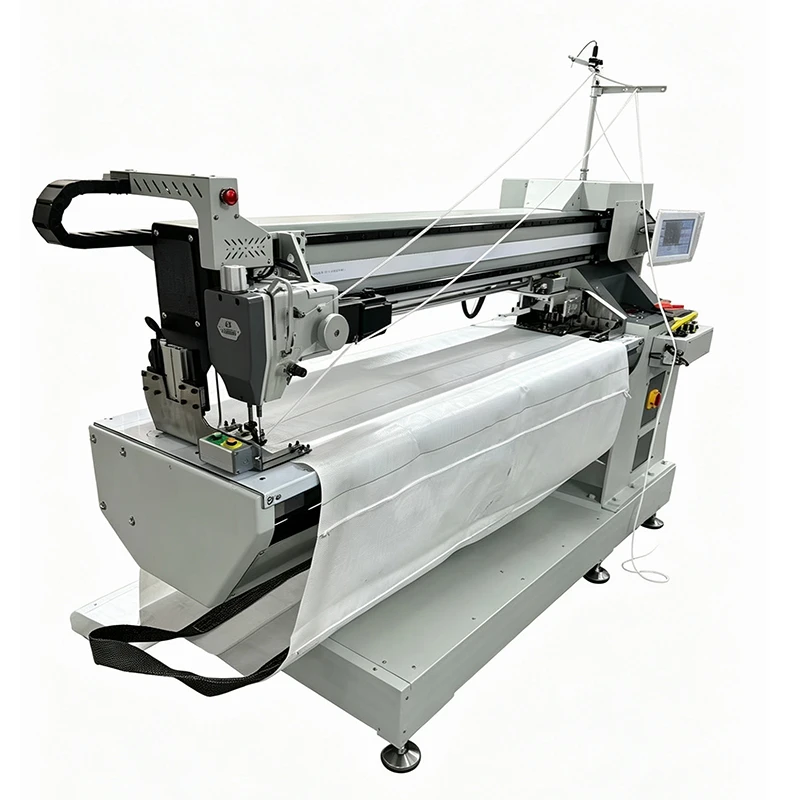
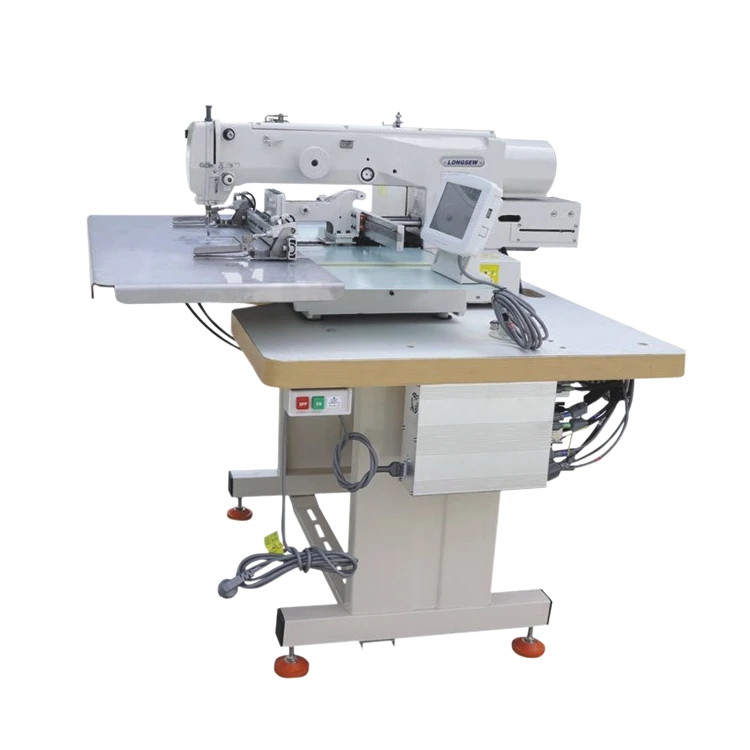
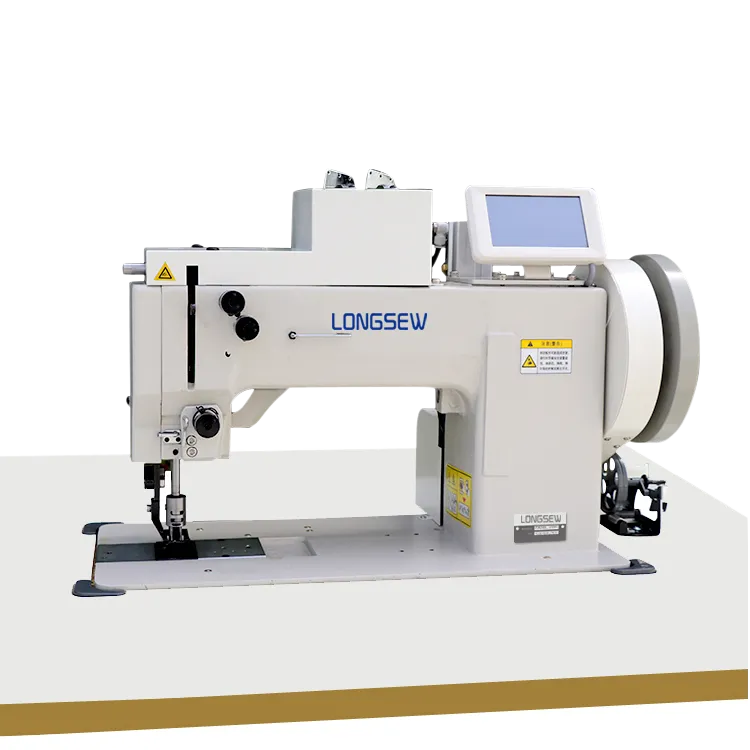
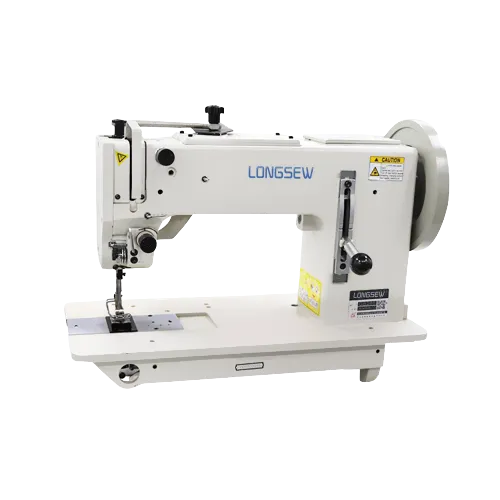
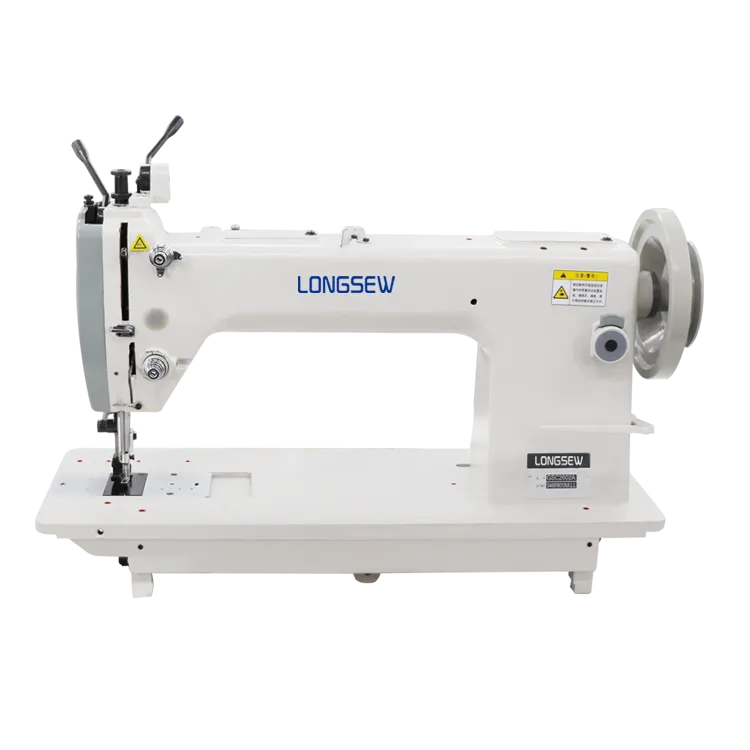
Industrial jumbo bag sewing machine Solutions for Argentina's Logistics

High-performance stitching systems designed to optimize heavy-duty packaging efficiency across Argentina's agricultural and industrial sectors.

Packaging Machinery Landscape in Argentina

Analyzing the intersection of agricultural demand and industrial stitching technology.

Argentina's economy is heavily reliant on the export of grains, minerals, and chemicals, creating a massive demand for robust fibc sewing machine systems. In regions like the Pampas, the need for bulk containment is critical, requiring machinery that can handle high-density polypropylene fabrics without compromising seam integrity.

Local manufacturers often face challenges with humidity fluctuations and dust accumulation in rural processing plants. This environment demands a big bag sewing machine that is not only powerful but also resistant to abrasive particles, ensuring minimal downtime during peak harvest seasons.

Moreover, the shift toward standardized export sizes has increased the adoption of the 50 kg jute bag making machine for specialized agricultural products, blending traditional material usage with modern automation to meet international shipping standards.
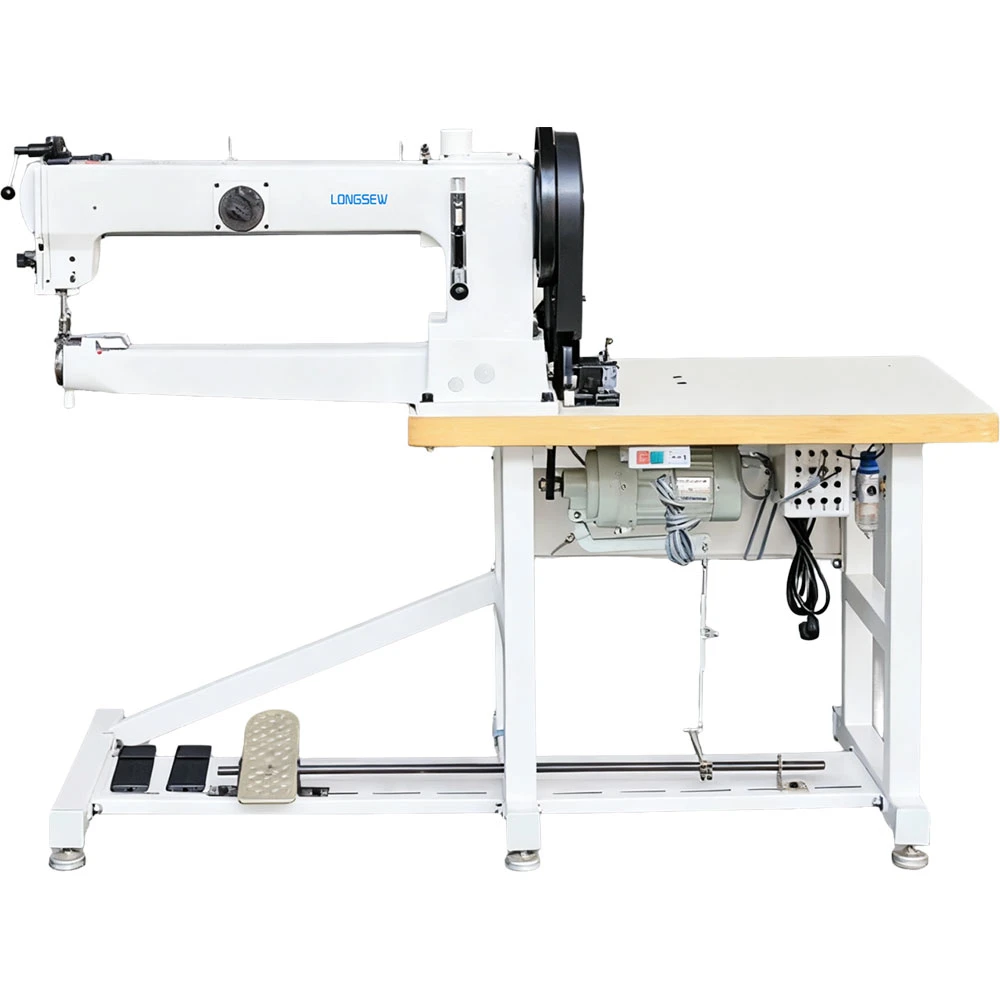
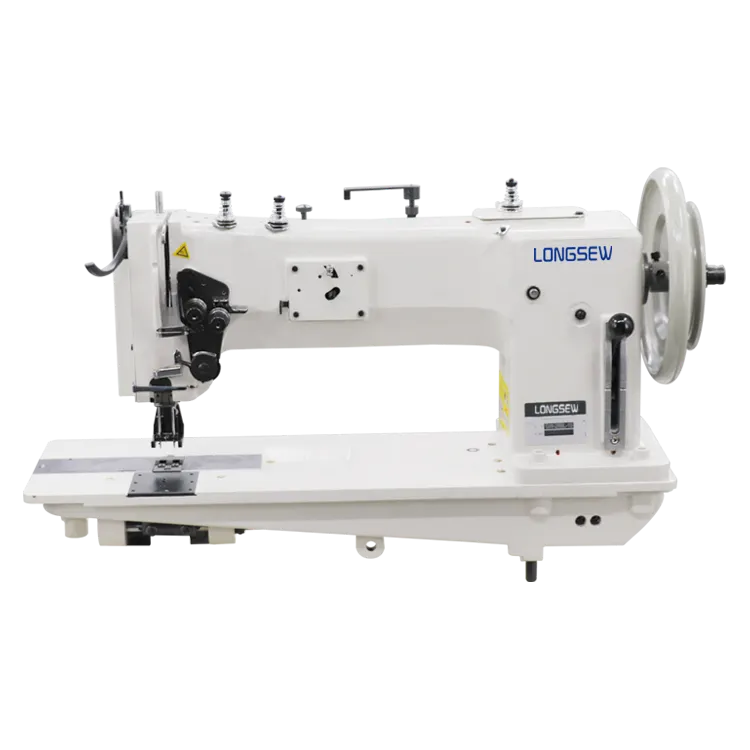
Evolution of Industrial Stitching in Argentina

From manual craftsmanship to automated high-speed containment solutions.

Market Development History

In the early 2000s, the Argentine market relied heavily on manual stitching and imported second-hand machinery. Production was fragmented, and the lack of specialized jumbo bag stitching machine technology led to high wastage rates and inconsistent seam strength in bulk bags.

Between 2010 and 2020, a significant transition occurred as semi-automatic systems were introduced. The integration of computerized tension controls allowed local factories to produce FIBCs with higher load capacities, catering to the growing demand from the mining sector in the Andean regions.

Today, the industry has entered the era of "Smart Stitching." Modern facilities now employ fully integrated lines where precision and speed are paramount, utilizing advanced sensors to detect thread breaks and material misalignment in real-time.

Future Development Trends

Eco-Friendly Material Compatibility

With global pressure for sustainability, there is a rising trend toward biodegradable fabrics, requiring machines that can adjust stitch density without tearing organic fibers.

IoT-Enabled Predictive Maintenance

Integration of cloud-based monitoring will allow Argentine plants to predict component failure in their stitching lines, reducing unplanned stoppages during critical export windows.

Modular Automation

The move toward modular workstations allows smaller workshops to scale their production from simple sacks to complex FIBCs without replacing their entire fleet of equipment.

Industry Trends & Strategic Outlook

Forecasting the technological trajectory of heavy-duty textile machinery.

High-Speed Automation
Increasing cycles per minute to meet the rapid demand of Argentina's soy and corn export peaks.
Precision Tensioning
Advanced digital tension controls to prevent seam slippage in ultra-heavy bulk bags.
Energy Efficiency
Implementation of servo-motors to reduce electricity consumption in large-scale factories.
Material Versatility
Seamless switching between PP, PE, and natural jute fibers on a single platform.

Industry Outlook

Based on Google search trends in South America, there is a growing interest in "automated FIBC production," suggesting that Argentine firms are moving away from manual labor toward integrated systems. The next 3-5 years will likely see a surge in the demand for machines that integrate cutting, sewing, and quality checking into one workflow.

Furthermore, as Argentina strengthens its trade ties with Asia and Europe, the requirement for "Safety Factor 5:1" certification for big bags will drive the adoption of higher-precision stitching equipment to meet rigorous international safety laws.

Localized Applications in Argentina

Real-world deployment of stitching technology across diverse industrial sectors.

1. Grain Export Hubs in Rosario

High-capacity stitching lines used for massive volumes of soybean and corn FIBCs, requiring maximum speed and reinforced seams for sea freight.

2. Lithium Mining in the Puna Region

Deployment of heavy-duty machines to create chemical-resistant bulk bags for transporting lithium carbonate and other mineral concentrates.

3. Jute Packaging for Organic Coffee

Using the 50 kg jute bag making machine to produce breathable, sustainable packaging for specialty coffee exports from Northern Argentina.

4. Fertilizer Distribution in Buenos Aires

Implementation of versatile sewing stations to handle various bag weights and materials for the regional agricultural supply chain.

5. Industrial Waste Management

Creating reinforced containment bags for industrial debris and hazardous materials, where seam leak prevention is the primary priority.

Brand Story

Global Development Journey of Hebei Longsew Machinery Technology Co., Ltd.

Foundation & Engineering Roots

Established with a focus on industrial durability, we began by solving the core problem of thread breakage in heavy-duty textile sewing.

Technical Breakthroughs

We pioneered the integration of reinforced chassis and high-torque motors, specifically for the FIBC manufacturing industry.

Global Market Expansion

Expanding our footprint into South America, we tailored our machines to withstand the rugged environments of agricultural hubs.

Commitment to Innovation

Investing heavily in R&D to create the next generation of automated stitching systems that reduce labor costs for our clients.

Sustainable Future

Leading the transition toward energy-efficient machinery to support the global movement toward green manufacturing.

Common Questions for Argentina Industrial Sewing

Expert answers to technical and operational queries.

Which fibc sewing machine is best for heavy-duty PP fabric?

For heavy-duty polypropylene, we recommend our reinforced long-arm machines with adjustable tension, which ensure consistent stitches even through multiple layers of thick fabric.

How to maintain a jumbo bag sewing machine in dusty environments?

Regular pneumatic cleaning of the bobbin area and using high-grade industrial lubricants are essential to prevent dust-induced friction and wear in Argentine processing plants.

Can the 50 kg jute bag making machine handle different fiber blends?

Yes, our jute machines are designed with versatile feed dogs and needle systems that can be adjusted for pure jute or synthetic blends common in South American packaging.

What is the typical lifespan of a big bag sewing machine?

With proper maintenance and genuine spare parts, our industrial machines are designed for a service life of 10-15 years under standard industrial shifts.

Do you provide parts for the jumbo bag stitching machine in Argentina?

Yes, we maintain a comprehensive supply of wear parts including needles, loopers, and belts to ensure your production line never stops.

How do I increase the sewing speed of my bulk bag line?

Upgrading to servo-driven motors and optimizing the material feeding system can significantly increase output without sacrificing seam strength.

Request a Technical Consultation

Get expert advice on selecting the right machinery for your production needs in Argentina.

Contact Us Now

If you are interested in our products, you can choose to leave your information here, and we will be in touch with you shortly.