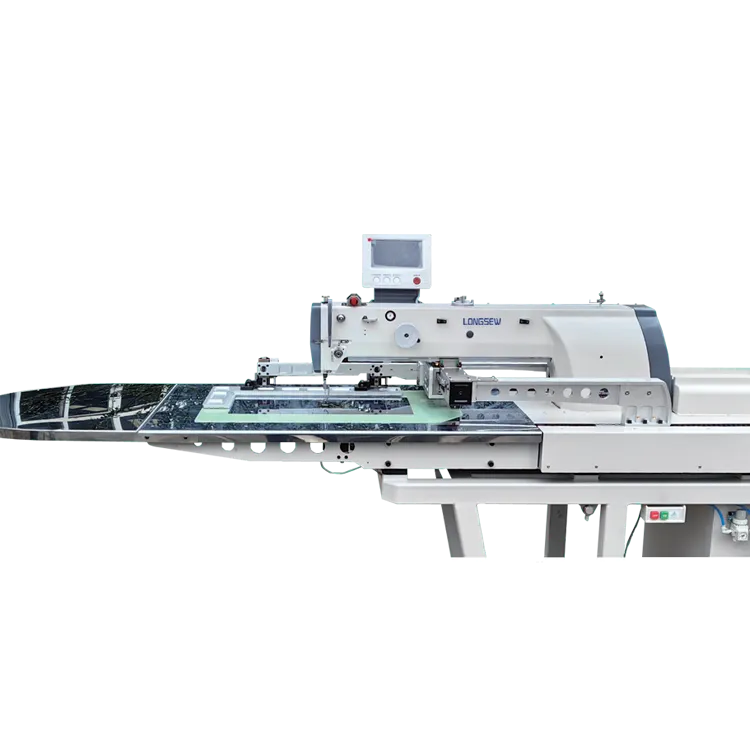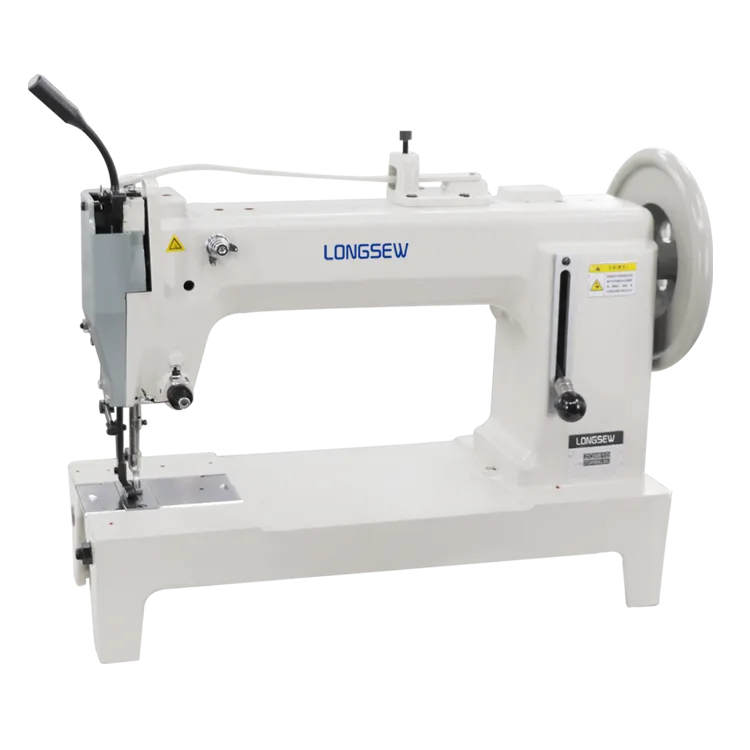
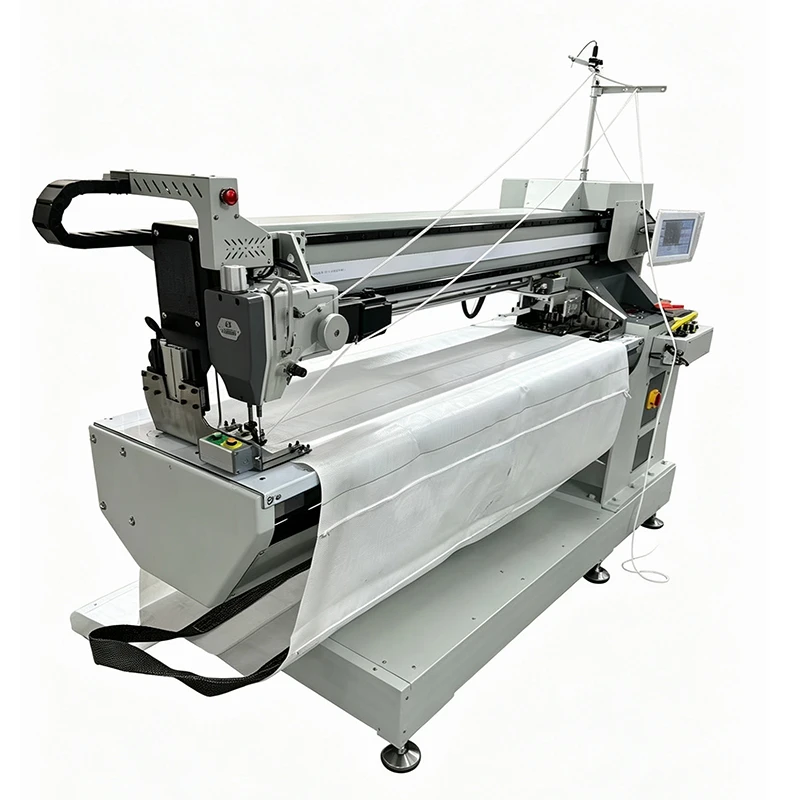
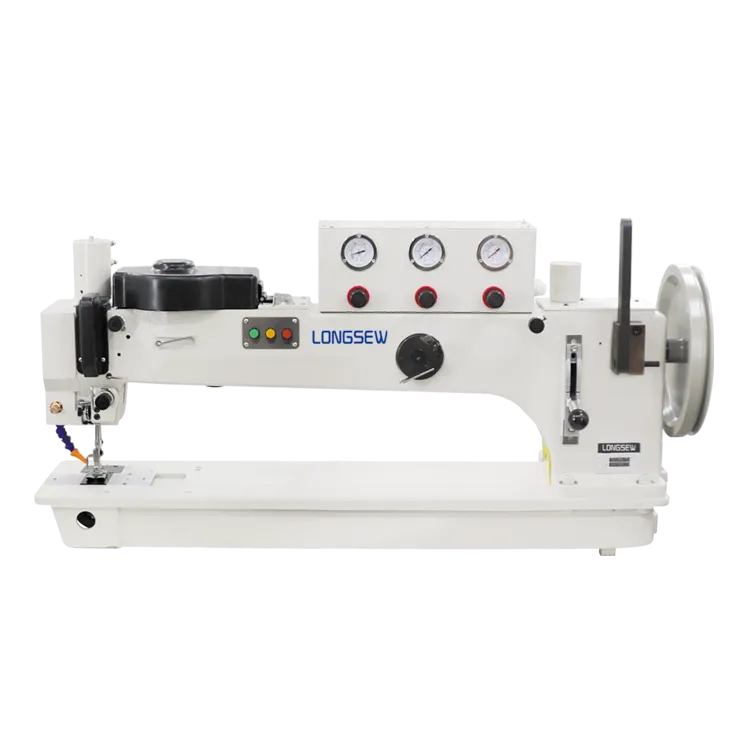
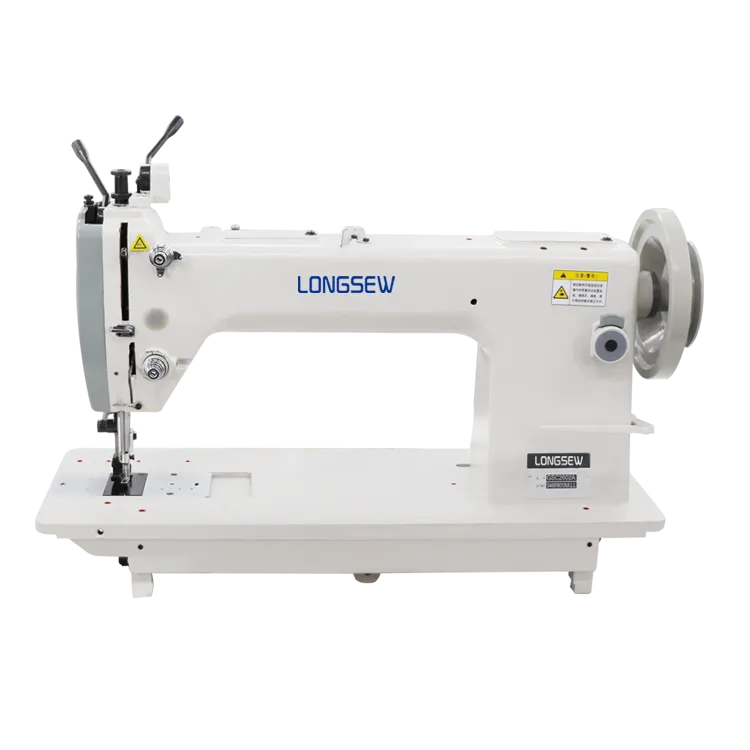
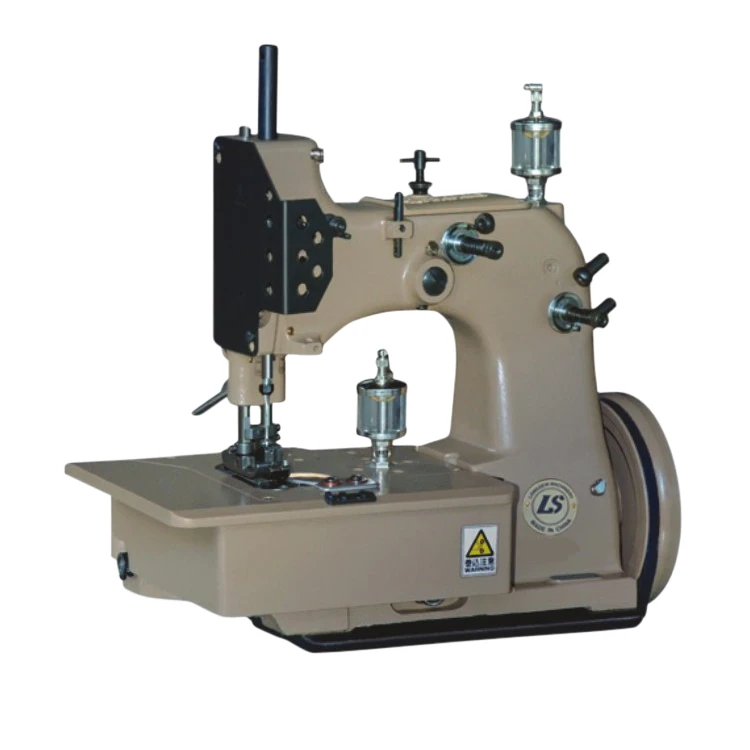
Industrial Bag Packaging Solutions with jumbo bag sewing machine in South Sudan

High-performance stitching equipment engineered for the demanding logistics and agricultural sectors of South Sudan, ensuring durable packaging for global export.

Current State of Industrial Packaging in South Sudan

Analyzing the intersection of logistical challenges and packaging needs in Juba and beyond.

In South Sudan, the industrial landscape is heavily reliant on the transport of agricultural commodities and minerals. The prevalence of dusty environments and extreme temperature fluctuations requires a big bag sewing machine that can withstand harsh operating conditions without frequent mechanical failure.

Currently, many local facilities rely on outdated manual methods or low-capacity equipment. However, as the nation seeks to increase its export capacity of grains and minerals, there is a surging demand for the fibc sewing machine to create standardized, high-strength containers that meet international shipping requirements.

The reliance on imported packaged goods is gradually shifting toward local production. To support this, the introduction of a reliable 50 kg jute bag making machine is becoming essential for local farmers to package seeds and fertilizers efficiently, reducing post-harvest losses.
Evolution of Bag Stitching Technology

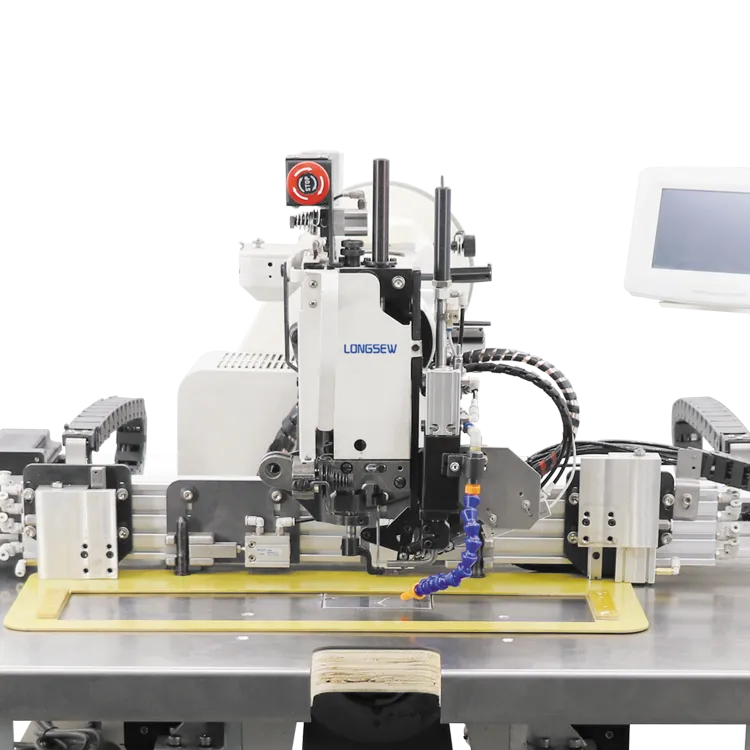
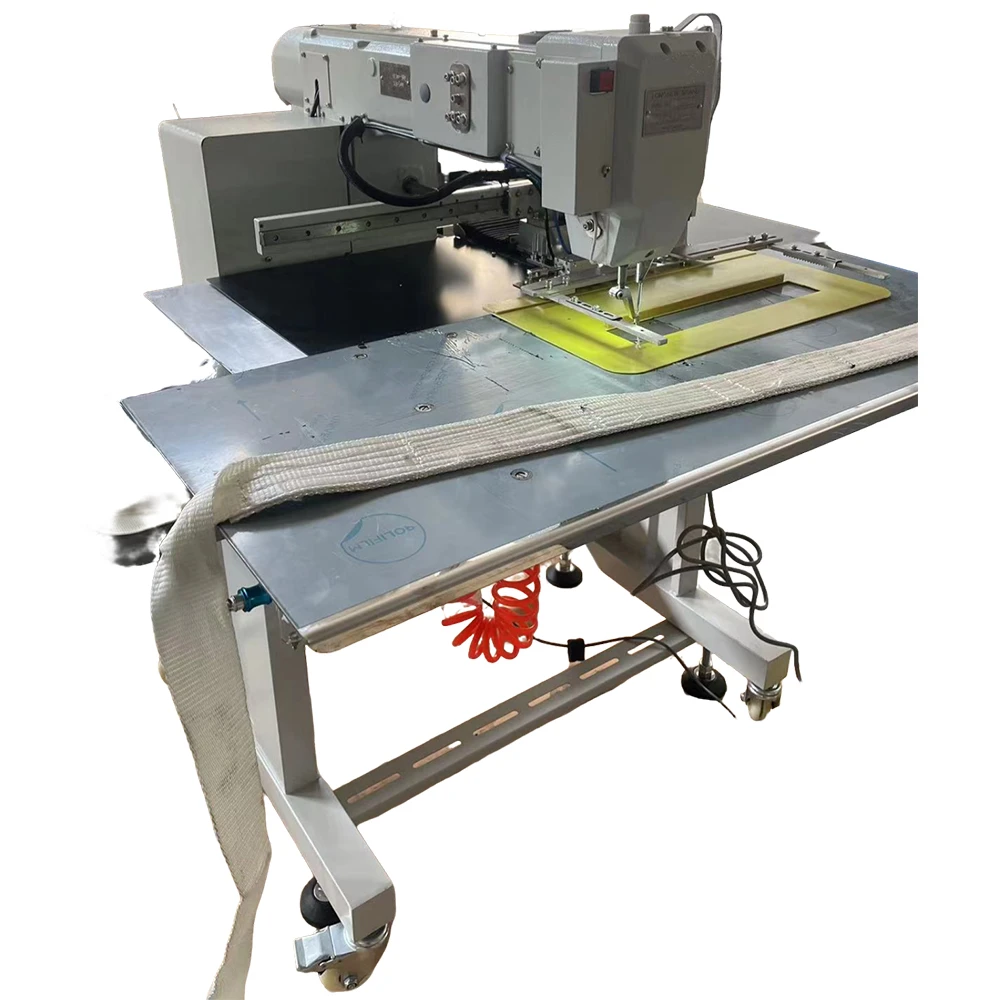
From traditional hand-stitching to automated industrial closure systems.

Market Development History

In the early 2000s, packaging in South Sudan was dominated by basic hand-sewn sacks. These methods were slow and lacked the tensile strength required for heavy-duty transport, often leading to leakage during transit through rugged terrains.

Between 2010 and 2020, the market saw the introduction of semi-automatic portable machines. The adoption of the jumbo bag stitching machine allowed for the first wave of industrial-scale FIBC (Flexible Intermediate Bulk Container) production, aligning with the growth of the oil and gas support sectors.

By 2023, the focus shifted toward precision and speed. Modern facilities are now integrating heavy-duty automated lines that ensure consistent stitch density, reducing material waste and increasing the lifespan of the bags used in South Sudanese logistics.

Future Development Trends

Energy-Efficient Servo Motors

Given the unstable power grids in some regions of South Sudan, the trend is moving toward machines with high-efficiency servo motors that consume less power while maintaining high torque.

Modular Design for Easy Maintenance

Future equipment will prioritize modular components, allowing local technicians to replace worn parts quickly without needing to ship the entire machine back to the manufacturer.

Integration of Biodegradable Materials

With global shifts toward sustainability, there is a growing interest in machines capable of handling eco-friendly jute and recycled polymers without sacrificing seam strength.

Industry Trends and Future Outlook

Strategic forecasting for the South Sudanese textile and packaging machinery market.

Automation Shift
Transitioning from manual feeding to automated conveyor-integrated sewing systems to boost output.
Material Diversification
Increasing demand for machines that handle both heavy PP woven fabrics and natural jute fibers.
Climate Resilience
Development of dust-proof and heat-resistant components for the Sahelian climate.
Export Standardization
Focus on precision stitching to meet ISO and global shipping standards for bulk containers.

Industry Outlook

Based on search trends for industrial machinery in East Africa, we anticipate a 15% year-on-year increase in demand for heavy-duty bag closure systems in South Sudan. As the country stabilizes its internal trade corridors, the need for standardized bulk packaging will become a critical driver for economic growth.

The future will likely see a convergence of traditional jute usage and modern synthetic fibers, requiring versatile machinery that can be adjusted for different GSM (grams per square meter) fabrics without extensive downtime.

Localized Application Scenarios in South Sudan

Practical implementation of industrial sewing machines across key sectors.

01. Agricultural Grain Export in Juba

Utilizing high-speed sewing systems to package sorghum and maize into bulk containers for regional trade, ensuring seams do not burst during truck transport.

02. Mineral Ore Packaging for Mining Sites

Deploying heavy-duty equipment to sew reinforced FIBCs for transporting copper and gold concentrates from remote mines to processing hubs.

03. Fertilizer Distribution for Rural Farms

Using a dedicated 50 kg jute bag making machine to produce durable sacks for the distribution of essential soil nutrients.

04. Humanitarian Aid Supply Kits

Fast-tracking the production of food aid bags using automated stitching lines to meet the urgent delivery schedules of NGOs and international agencies.

05. Construction Material Bulk Bags

Implementing precise closure systems for bags containing cement and sand used in South Sudan's urban infrastructure projects.

Brand Story

Global Development Journey of Hebei Longsew Machinery Technology Co., Ltd.

Engineering Foundations

Founded on the principle of precision, Longsew began by solving the fundamental problem of seam failure in heavy-duty industrial fabrics.

Technological Breakthroughs

We developed specialized lubrication systems that allow machines to operate in high-dust environments, a key requirement for African markets.

Global Market Expansion

Expanding beyond Asia, Longsew established support networks in East Africa to provide localized technical training and spare parts.

Commitment to Durability

Our mission evolved to create "indestructible" sewing solutions, reducing the total cost of ownership for manufacturers in emerging economies.

Sustainable Future

Today, we lead the industry in integrating energy-efficient motors and supporting the use of biodegradable packaging materials worldwide.

Frequently Asked Questions for South Sudan Market

Expert answers to the most common technical and logistical queries.

How to maintain a jumbo bag sewing machine in dusty environments?

Regularly clean the feed dogs and bobbin area using compressed air and apply high-viscosity industrial lubricant to prevent dust from grinding the gears.

Can the 50 kg jute bag making machine handle recycled fabrics?

Yes, our machines feature adjustable tension settings and reinforced needles specifically designed to penetrate the uneven texture of recycled jute.

What is the stitch strength of a typical big bag sewing machine?

Our machines produce reinforced chain-stitches that can withstand loads up to 2000kg depending on the thread quality and fabric GSM.

Is the fibc sewing machine compatible with different power voltages?

We offer customizable power modules to ensure compatibility with the local power grids in South Sudan, including stabilizers for voltage fluctuations.

How long is the lead time for a jumbo bag stitching machine shipment?

Standard lead times vary, but we optimize shipping routes to Juba and nearby ports to ensure rapid delivery and commissioning.

Do you provide training for local operators in South Sudan?

We provide comprehensive digital manuals and video tutorials, and can arrange remote technical sessions to ensure operators are fully proficient.

Request a Custom Packaging Consultation

Ready to upgrade your production capacity in South Sudan? Our experts are here to design the perfect equipment layout for your facility.

Contact Us Now

If you are interested in our products, you can choose to leave your information here, and we will be in touch with you shortly.