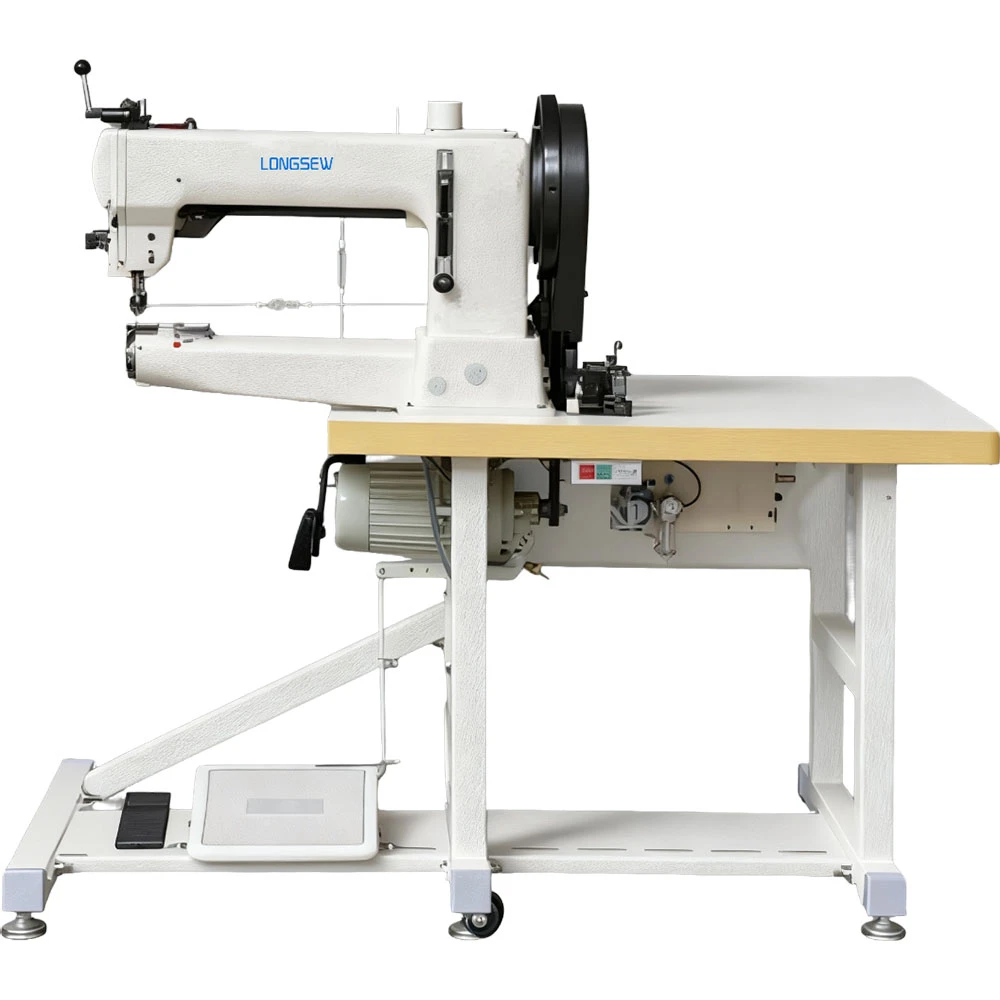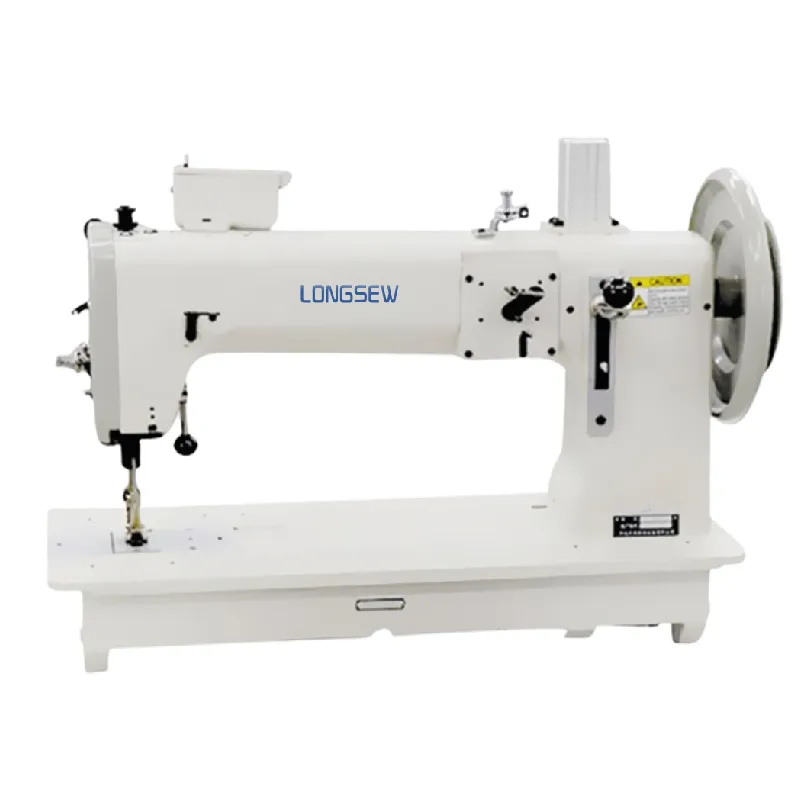
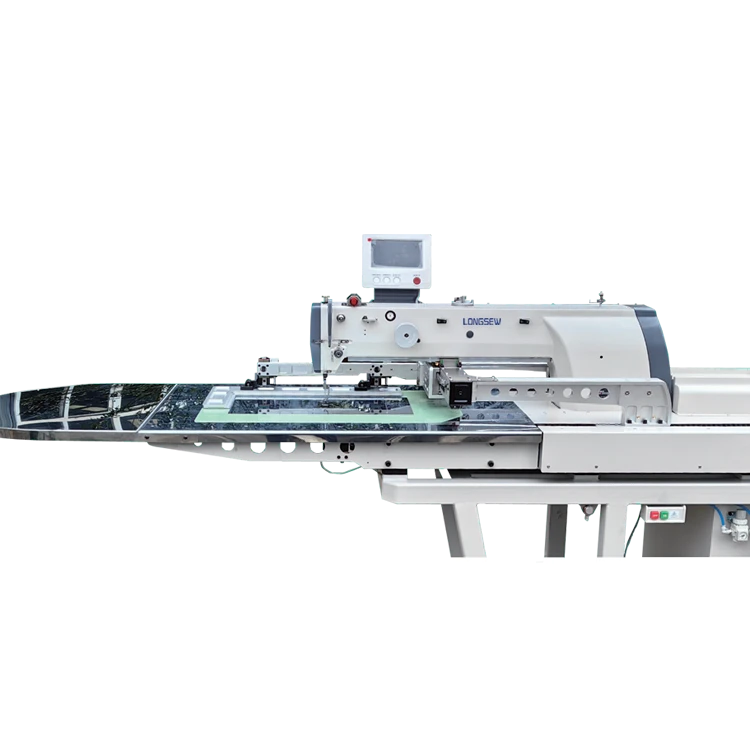
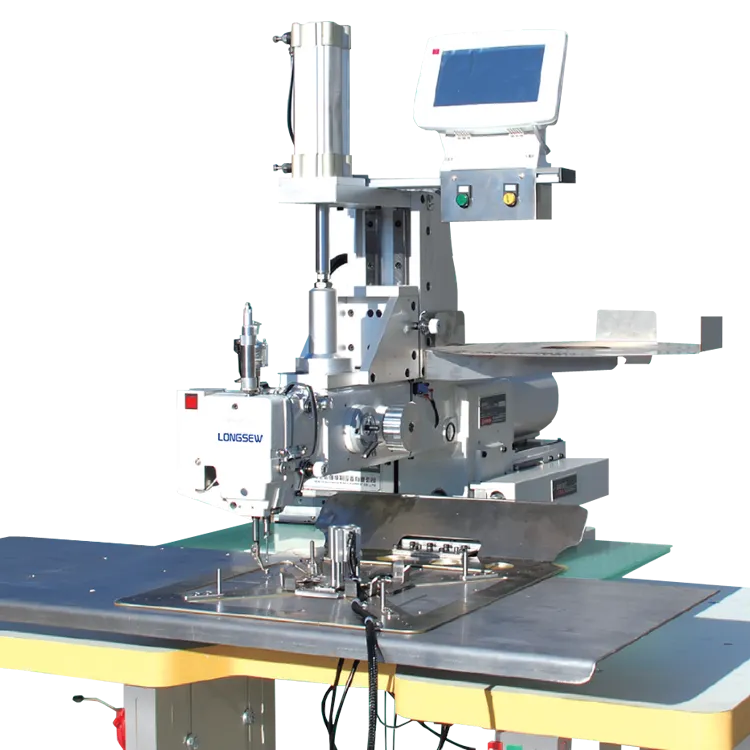
High-Performance jumbo bag sewing machine Solutions for Romania

Industrial-grade stitching technology engineered for the demanding textile and packaging sectors across the Romanian market.

The Landscape of Industrial Bag Manufacturing in Romania

Analyzing the synergy between Romania's agricultural strength and industrial packaging needs.

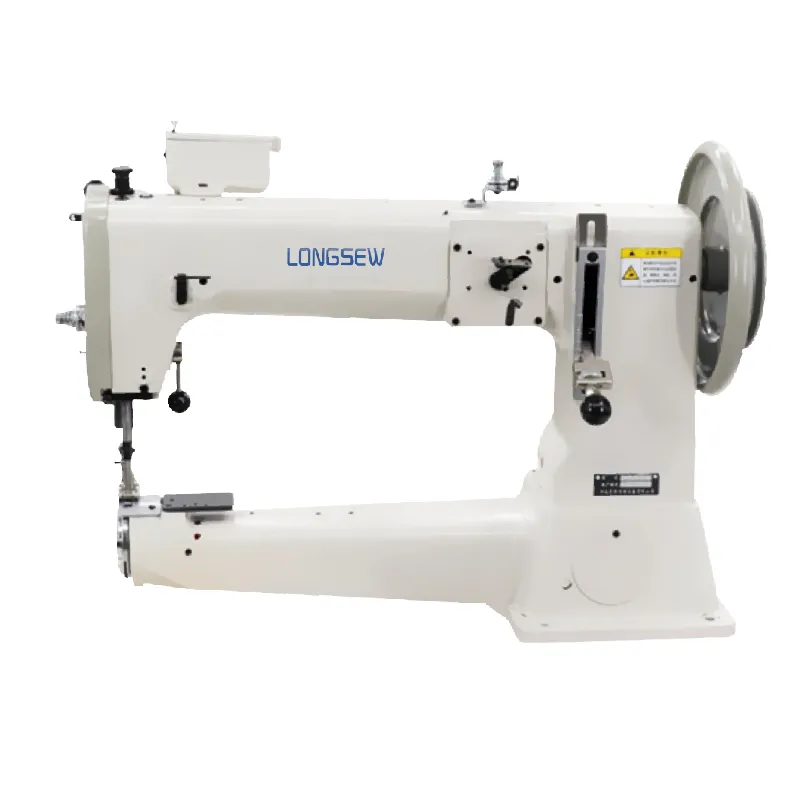
Romania's strategic position as an agricultural powerhouse in Eastern Europe has created a massive demand for bulk packaging. The necessity for a reliable fibc sewing machine is driven by the need to transport grains, seeds, and chemicals across the EU, requiring bags that meet strict safety and durability standards.

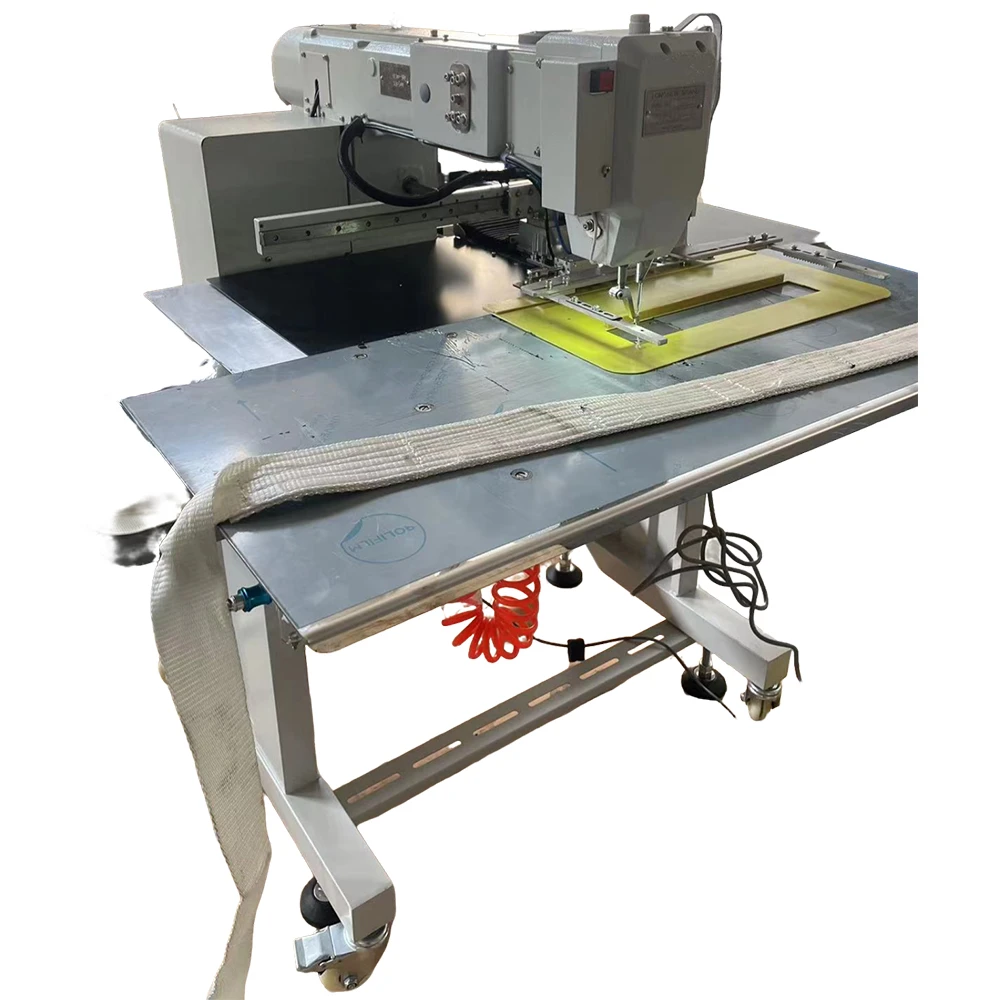
In regions like Brașov and Timișoara, the manufacturing sector is transitioning from manual labor to semi-automated systems. The integration of a high-speed big bag sewing machine allows local factories to increase their output while maintaining the structural integrity required for heavy-load logistics.

Furthermore, the Romanian market is seeing a rise in specialized packaging for the chemical industry. This shift demands specialized jumbo bag stitching machine equipment that can handle reinforced polypropylene fabrics, ensuring zero-leakage and maximum load-bearing capacity for export.
Evolution and Trajectory of Bag Stitching Technology

From traditional manual stitching to the era of smart industrial automation.

Market Development History

Between 1990 and 2010, the Romanian textile industry relied heavily on legacy mechanical machines. The focus was primarily on basic closure, where a simple 50 kg jute bag making machine was the standard for agricultural sacks, emphasizing volume over precision.

From 2011 to 2020, the industry witnessed a technological leap. The introduction of electronic control systems allowed for adjustable stitch lengths and speeds, enabling manufacturers to transition from simple sacks to complex FIBCs using advanced sewing systems.

Since 2021, the focus has shifted toward "Industry 4.0". Integration of IoT and energy-efficient servo motors has become the norm, reducing operational costs and increasing the precision of heavy-duty stitching for the Romanian export market.

Future Development Trends

Automated Tension Control

The next 3 years will see a surge in AI-driven tension sensors that automatically adjust based on fabric thickness, reducing waste and human error in the production line.

Eco-Friendly Materials Integration

As the EU pushes for a circular economy, machines will be redesigned to handle biodegradable and recycled polymers without sacrificing seam strength.

Modular Production Cells

We expect a shift toward modular "plug-and-play" workstations that allow Romanian factories to scale their capacity rapidly based on seasonal agricultural demands.

Future Trends and Strategic Outlook for Textile Equipment

Anticipating the technological shifts in the European bulk packaging industry.

Intelligent Automation
Transitioning from semi-auto to fully autonomous stitching paths to eliminate manual handling.
Energy Optimization
Implementing ultra-low power servo motors to meet EU energy efficiency directives.
Material Versatility
Advanced needle systems capable of switching between jute, PP, and composite fabrics seamlessly.
Predictive Maintenance
Sensors that alert operators before a mechanical failure occurs, minimizing factory downtime.

Industry Outlook

Based on Google search trends for industrial textiles in Eastern Europe, there is a growing interest in "sustainable bulk packaging". This indicates that the future of the industry in Romania will be defined by the ability to sew eco-friendly fabrics without compromising on strength.

We predict that within 5 years, the integration of cloud-based monitoring will allow factory managers in Romania to track the efficiency of their sewing lines in real-time from any device, ensuring maximum productivity.

Localized Application Scenarios in Romania

How our equipment serves the diverse industrial needs of the Romanian market.

01. Grain Export Packaging in Constanța

Utilizing heavy-duty sewing systems to create high-capacity FIBCs for the export of corn and wheat via the Port of Constanța, ensuring bags withstand sea-freight pressure.

02. Mining Waste Management in the Jiu Valley

Deploying specialized stitching machines to produce reinforced bags for the transport of mineral tailings and industrial waste, requiring maximum seam durability.

03. Chemical Logistics in Ploiești

Applying precision sewing for hazardous material bags in the petrochemical hub of Ploiești, where leak-proof seams are a regulatory requirement.

04. Small-Scale Feed Production in Rural Areas

Implementing a 50 kg jute bag making machine for local cooperatives to package animal feed for regional distribution.

05. Construction Aggregate Packaging in Bucharest

Producing "Big Bags" for the booming construction sector in the capital, using high-speed equipment to meet the rapid demand for sand and gravel transport.

Brand Story

Global Development Journey of Hebei Longsew Machinery Technology Co., Ltd.

Foundation of Excellence

Established with a vision to solve the inefficiency of traditional sewing, we began by perfecting the core mechanical synchronization of industrial machines.

Technological Breakthrough

Developed the first generation of high-speed servo-driven stitching systems, drastically reducing power consumption while increasing output.

Global Market Expansion

Expanded our footprint into the European market, tailoring our equipment to meet the strict safety and quality certifications of the EU.

Customer-Centric Innovation

Launched a specialized R&D line focused on "Heavy-Duty Textiles," solving the specific pain points of FIBC manufacturers worldwide.

The Future of Sewing

Now leading the industry toward smart manufacturing, integrating AI and IoT to create the most reliable sewing solutions on the planet.

Common Questions from Romanian Manufacturers

Expert answers to the most frequent technical queries regarding industrial sewing.

Which fibc sewing machine is best for heavy-duty polypropylene?

For heavy PP, we recommend machines with reinforced frames and high-torque motors that can penetrate multiple layers of fabric without skipping stitches.

How do I maintain a jumbo bag sewing machine in dusty environments?

We suggest daily cleaning of the bobbin area and weekly lubrication of the moving parts to prevent dust buildup from affecting stitch quality.

Can a 50 kg jute bag making machine handle synthetic blends?

Yes, our machines are versatile. By adjusting the needle type and thread tension, they can efficiently handle both pure jute and synthetic blends.

What is the average lifespan of a big bag sewing machine?

With proper maintenance and genuine parts, our industrial machines typically last 10-15 years even under high-capacity production cycles.

Does your jumbo bag stitching machine comply with EU safety standards?

Absolutely. All our equipment exported to Romania is CE certified and meets all European safety and operational guidelines.

How quickly can I get replacement parts in Romania?

We maintain a streamlined logistics network to ensure that critical wear-and-tear parts reach Romanian factories within a few business days.

Ready to Upgrade Your Production?

Our technical experts are ready to provide customized sewing solutions for your factory in Romania.

Contact Us Now

If you are interested in our products, you can choose to leave your information here, and we will be in touch with you shortly.