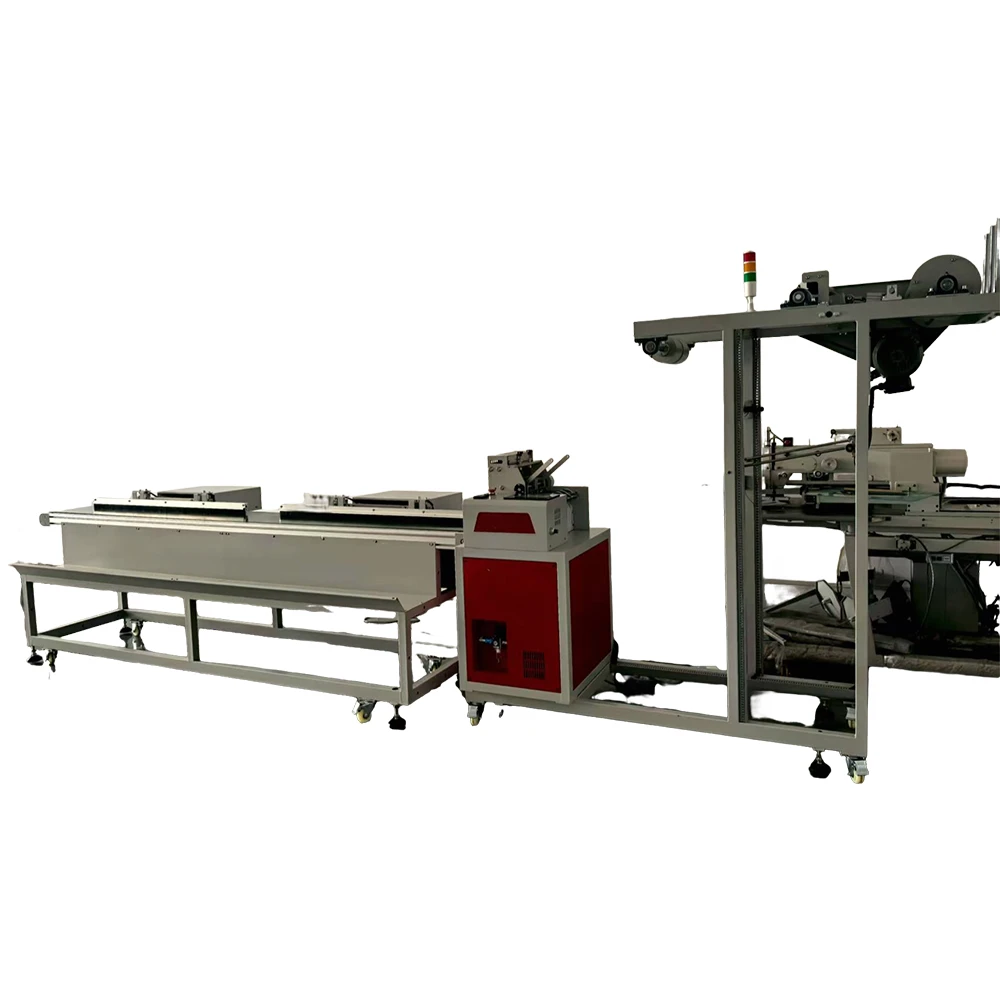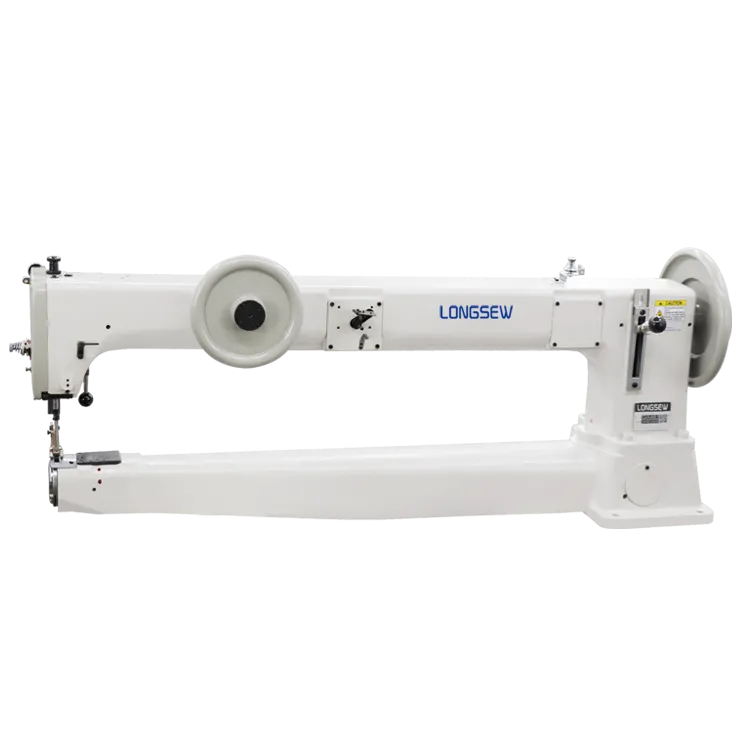
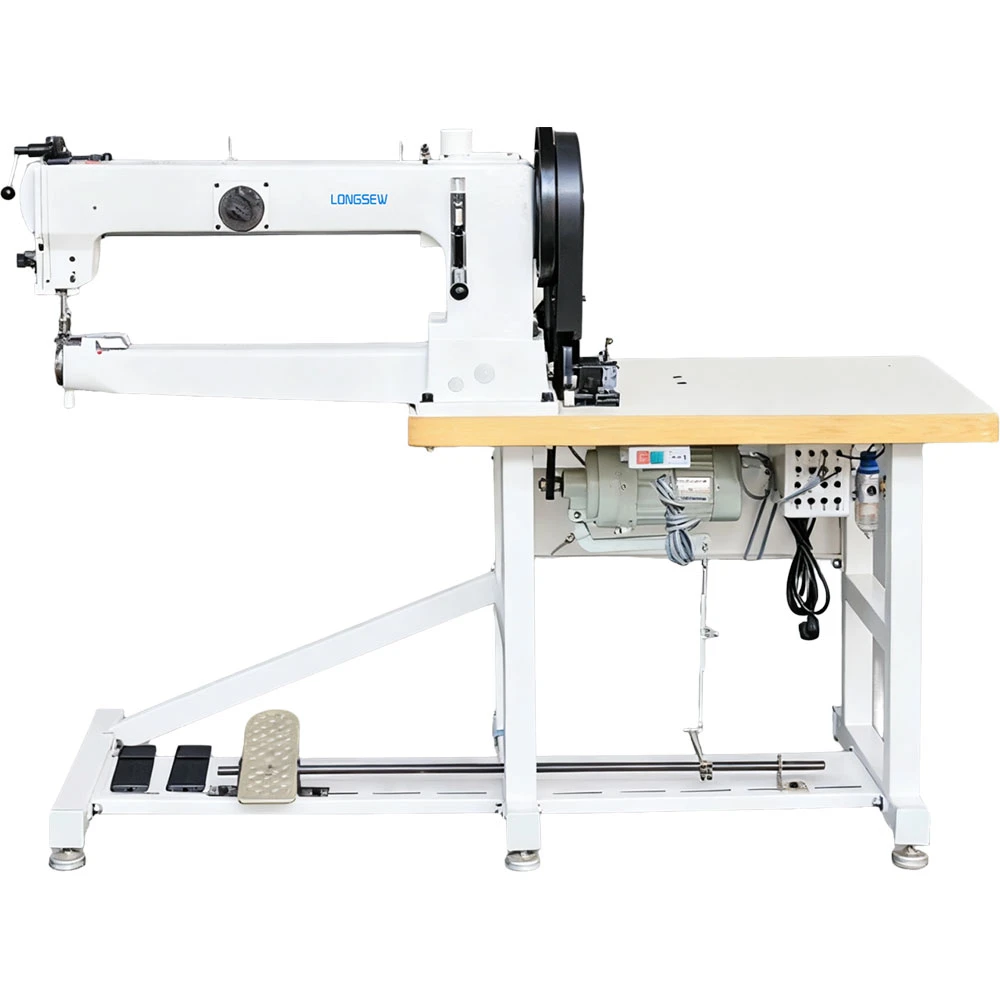
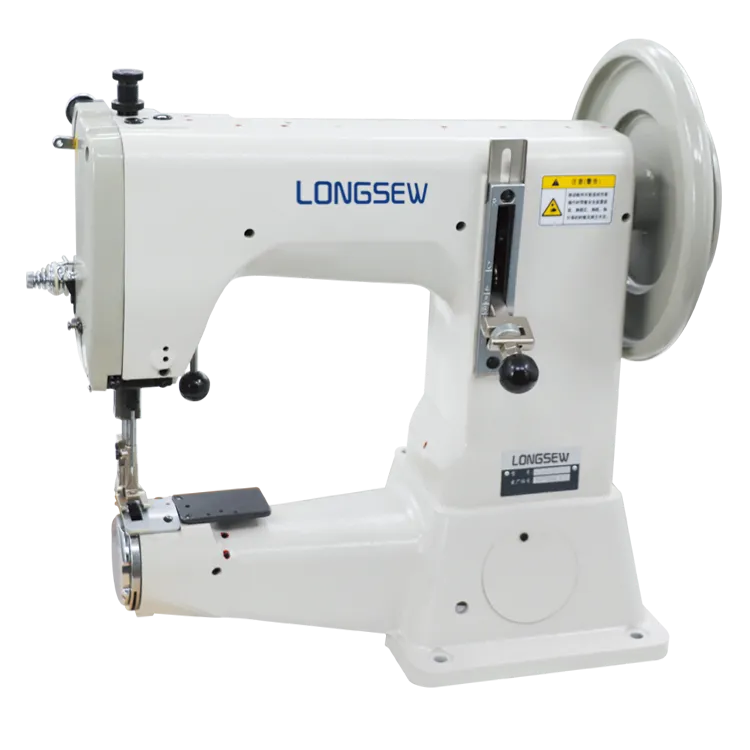
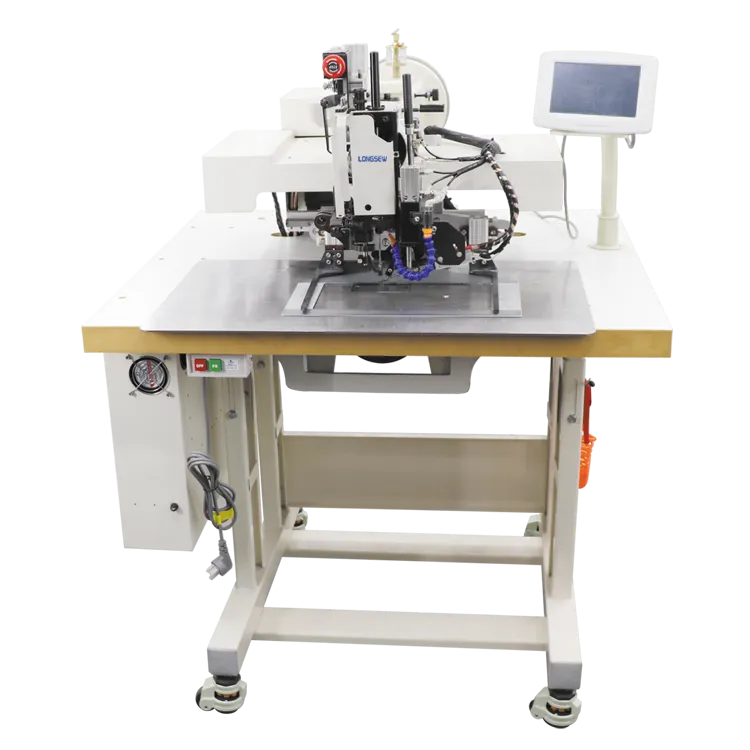
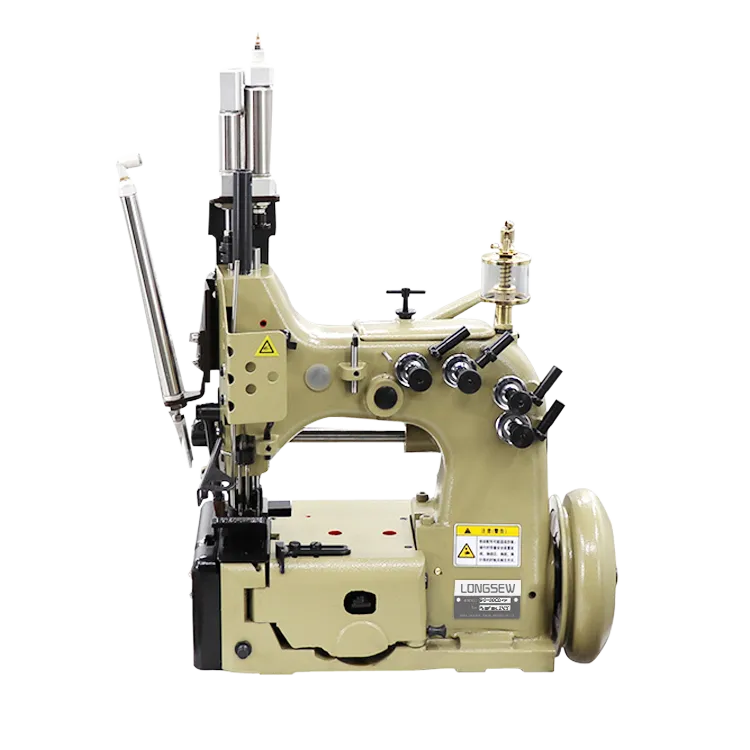
High-Performance jumbo bag sewing machine Solutions for Poland's Industrial Sector

Empowering Polish textile manufacturers with precision engineering and durable stitching technology for heavy-duty industrial packaging.

Industrial Packaging Landscape in Poland

Analyzing the integration of advanced stitching technology in Central Europe's logistics hub.

Poland has emerged as a critical hub for chemical, agricultural, and construction material exports within Europe. This economic positioning has led to a surge in demand for robust fibc sewing machine systems capable of handling heavy-duty polypropylene fabrics used in bulk transport.

The local climate, characterized by seasonal humidity shifts, requires machinery with high-grade corrosion resistance and stable mechanical performance. Polish manufacturers are increasingly shifting away from manual stitching toward automated jumbo bag stitching machine setups to reduce labor costs and eliminate human error in seam strength.

Furthermore, the strict EU safety regulations regarding load-bearing capacity mean that the precision of a 50 kg jute bag making machine or larger FIBC equipment is no longer optional but a legal necessity to prevent workplace accidents during cargo lifting.
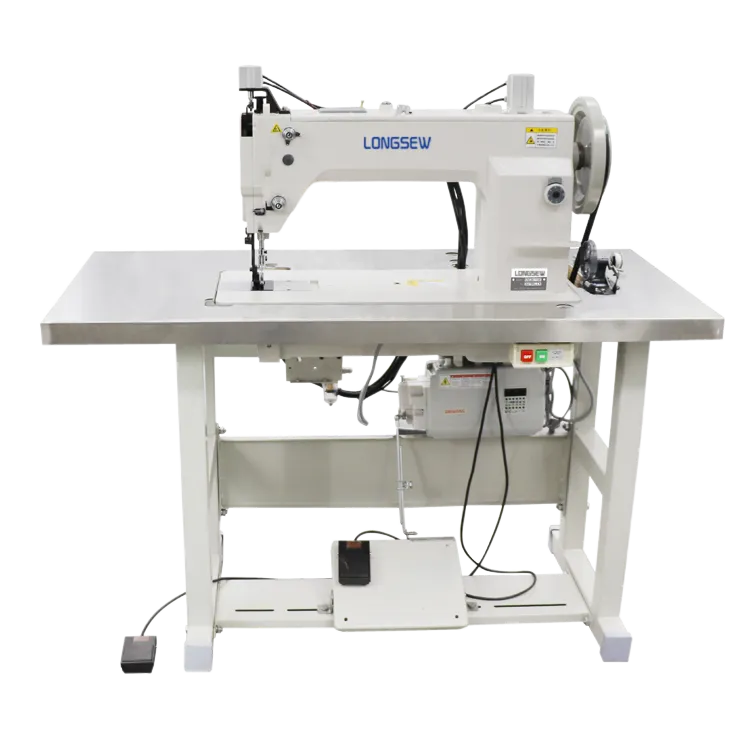
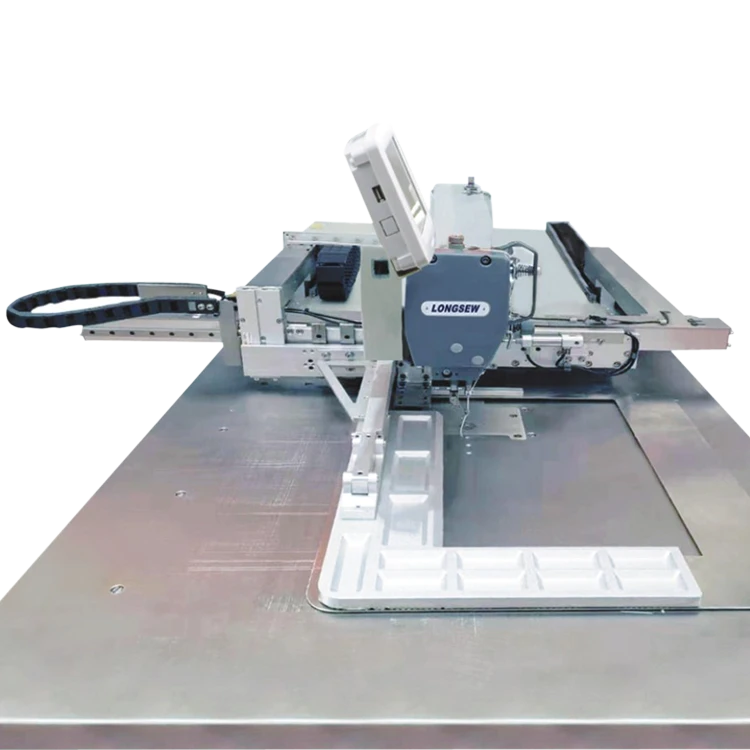
Evolution of Bag Closing Technology in Poland

From traditional manual looms to AI-integrated industrial stitching systems.

Market Development History

In the early 2000s, the Polish textile industry relied heavily on mechanical, single-needle machines that required constant manual guidance, resulting in low throughput and inconsistent seam quality for industrial bags.

Between 2010 and 2020, there was a significant transition toward semi-automatic systems. The introduction of electronic foot controllers and reinforced frames allowed for the mass production of FIBCs, optimizing the workflow of the big bag sewing machine operations.

Today, the market has entered the era of "Smart Manufacturing," where servo-motor precision and automated tension control are standard, enabling Polish factories to compete globally in terms of export quality and speed.

Future Development Trends

IoT-Driven Maintenance

Integration of sensors to monitor needle wear and thread breakage in real-time, reducing downtime for jumbo bag sewing machine fleets.

Sustainable Material Adaptation

Development of specialized needles and feed dogs to handle biodegradable and recycled polymers without compromising stitch density.

Full-Line Automation

Moving toward robotic arms and conveyor-linked systems that integrate cutting and stitching into one seamless process.

Strategic Outlook for Textile Machinery

Predicting the trajectory of industrial sewing based on European market demand and Google search trends.

Eco-Friendly Material Shift
Increasing search volume for machines compatible with recycled PP and biodegradable fabrics to meet EU Green Deal goals.
Precision Automation
A rise in demand for PLC-controlled jumbo bag stitching machine units to ensure 100% seam consistency.
Labor Cost Mitigation
Transitioning to high-speed, low-maintenance equipment to offset rising labor costs in the Polish manufacturing sector.
Customized Bag Geometry
Increased requirement for flexible machine heads to accommodate various fibc sewing machine configurations.

Industry Outlook

The convergence of Industry 4.0 and sustainable textile production is redefining the Polish packaging market. We expect a 15% increase in the adoption of fully automated stitching lines by 2027 as companies strive for zero-defect production.

Moreover, the integration of energy-efficient motors will become a key competitive advantage, allowing factories to lower their carbon footprint while increasing the output of jumbo bag sewing machine operations.

Localized Applications in Poland

Real-world deployment of our sewing technology across Poland's key industrial sectors.

01. Agricultural Bulk Packaging in Lubelskie

Implementing high-speed 50 kg jute bag making machine units for the efficient packaging of grains and seeds, ensuring leak-proof seams for long-distance transit.

02. Chemical Powder Containment in Silesia

Utilizing heavy-duty fibc sewing machine systems to create reinforced containers for hazardous chemical powders, meeting stringent EU safety certifications.

03. Construction Aggregate Bags in Masovian

Deploying automated jumbo bag stitching machine lines for the production of bulk bags used in transporting gravel and sand for infrastructure projects.

04. Waste Management Bags in Greater Poland

Customizing big bag sewing machine setups for the creation of oversized debris bags used in industrial waste collection and recycling plants.

05. Food-Grade FIBC Production in Pomerania

Integrating sterile-environment sewing equipment to produce food-grade jumbo bags for the Polish seafood and processed food export industry.

Brand Story

Global Development Journey of Hebei Longsew Machinery Technology Co., Ltd.

Founding Vision

Established with the mission to solve the chronic problem of seam failure in heavy-duty industrial bags, focusing on precision engineering from day one.

Technological Breakthrough

Developed a patented tension control system that revolutionized how thick polypropylene fabrics are handled in jumbo bag sewing machine models.

European Expansion

Strategically entered the Polish and European markets by aligning our product standards with CE certifications and EU industrial requirements.

Innovation Hub

Launched a dedicated R&D center focusing on "Smart Stitching," integrating IoT and AI to predict machine failure before it happens.

Global Leadership

Now recognized as a leading provider of textile machinery, helping factories worldwide achieve sustainable and high-efficiency production.

Frequently Asked Questions in Poland

Expert answers to common technical and commercial queries regarding industrial bag sewing.

How do I choose the right fibc sewing machine for heavy-duty polypropylene?

You should consider the fabric GSM and the total weight capacity of the bag. For heavy-duty PP, a machine with a reinforced gear system and high-torque motor is essential to ensure smooth penetration without skipping stitches.

Is the jumbo bag sewing machine compatible with EU safety standards?

Yes, our machines are designed to comply with CE standards, featuring emergency stop buttons, insulated wiring, and safety guards to ensure operator safety in Polish factories.

What is the optimal stitch length for a big bag sewing machine?

The optimal length depends on the load. Typically, a shorter, denser stitch is preferred for high-load FIBCs to prevent seam slippage, whereas longer stitches are used for lighter packaging.

Can a 50 kg jute bag making machine handle different thread types?

Yes, our machines are compatible with polyester, nylon, and cotton threads. We recommend high-tenacity polyester for jute bags to ensure maximum durability against abrasion.

What maintenance is required for a jumbo bag stitching machine?

Regular lubrication of the moving parts, daily cleaning of lint from the bobbin area, and periodic needle replacement are crucial to maintain high-speed performance.

How do I reduce thread breakage in industrial bag production?

Ensure the thread tension is correctly calibrated to the material thickness and use high-quality, industrial-grade threads that match the needle size of your machine.

Ready to Upgrade Your Production Line?

Our technical experts are available to provide customized machinery solutions for your facility in Poland.

Contact Us Now

If you are interested in our products, you can choose to leave your information here, and we will be in touch with you shortly.