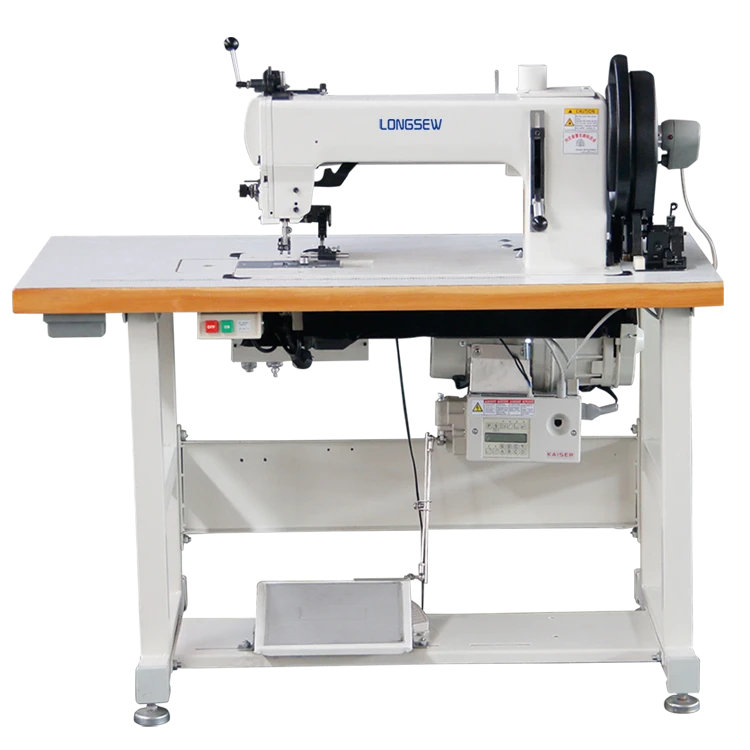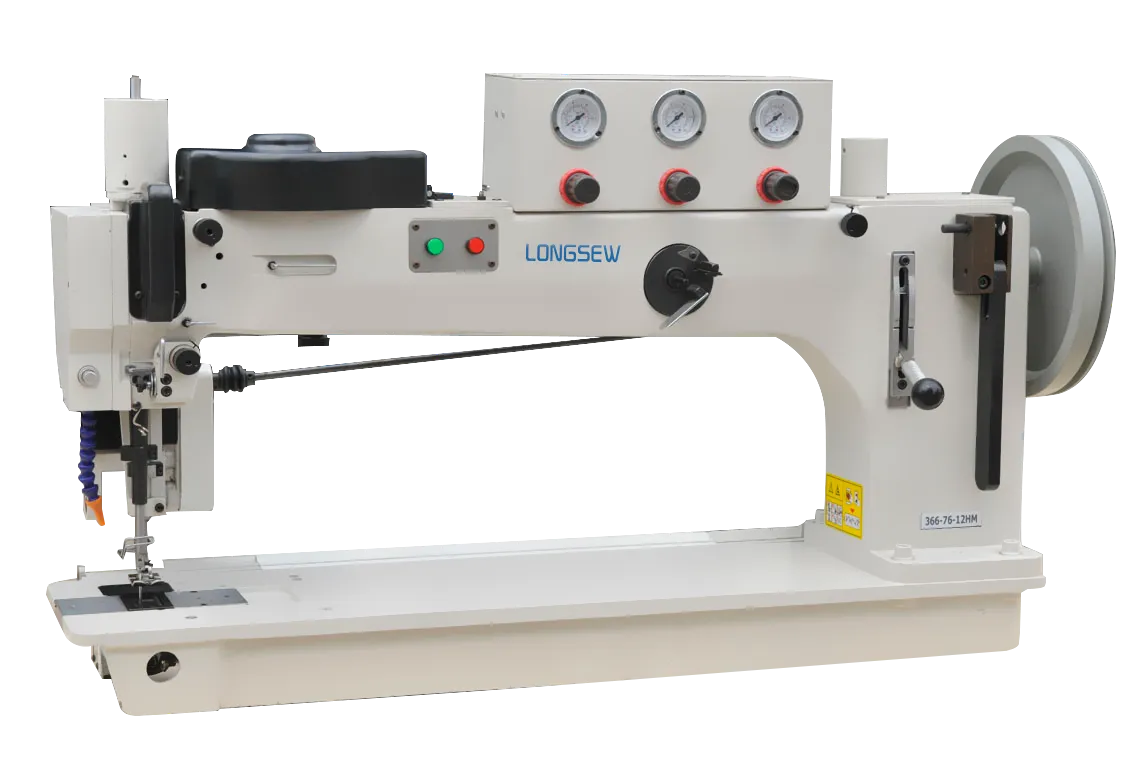
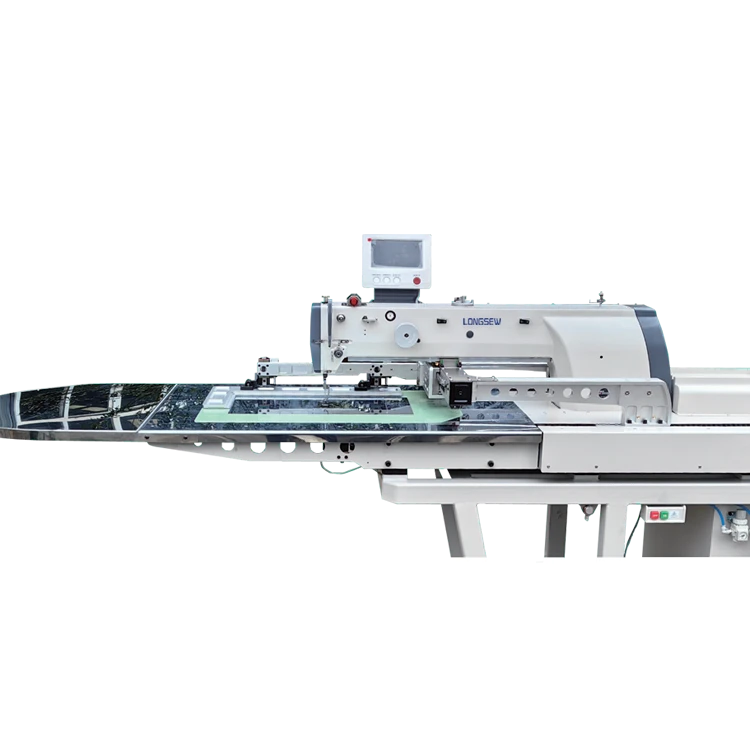
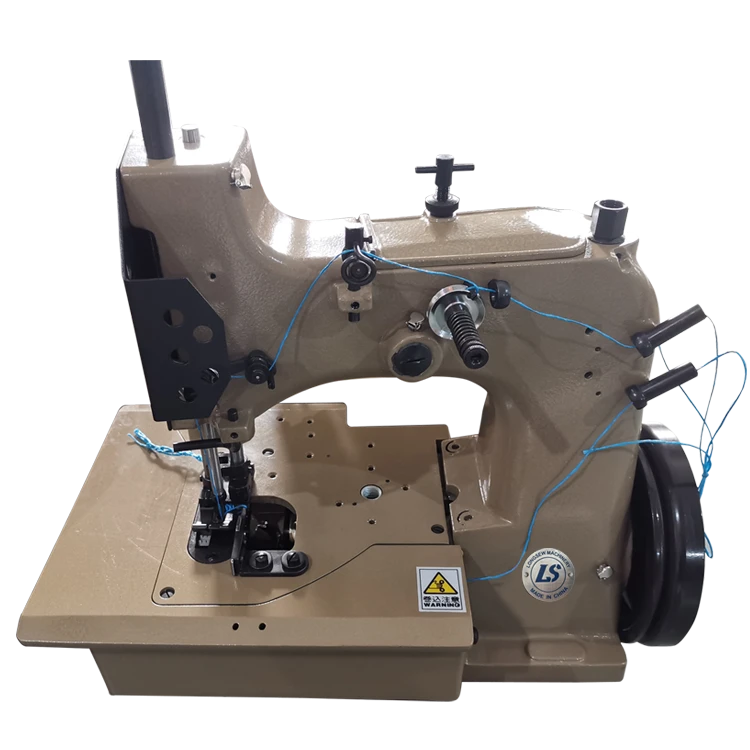
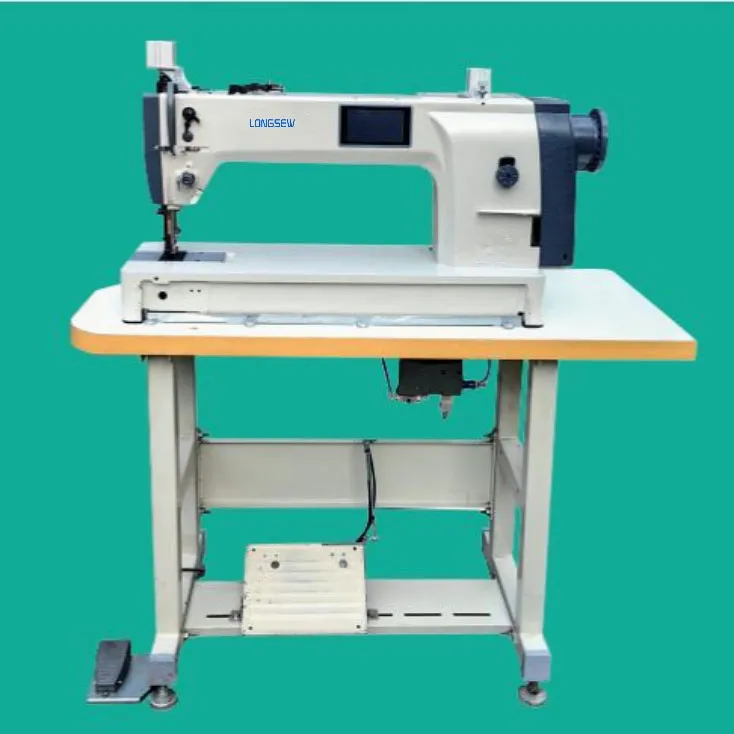
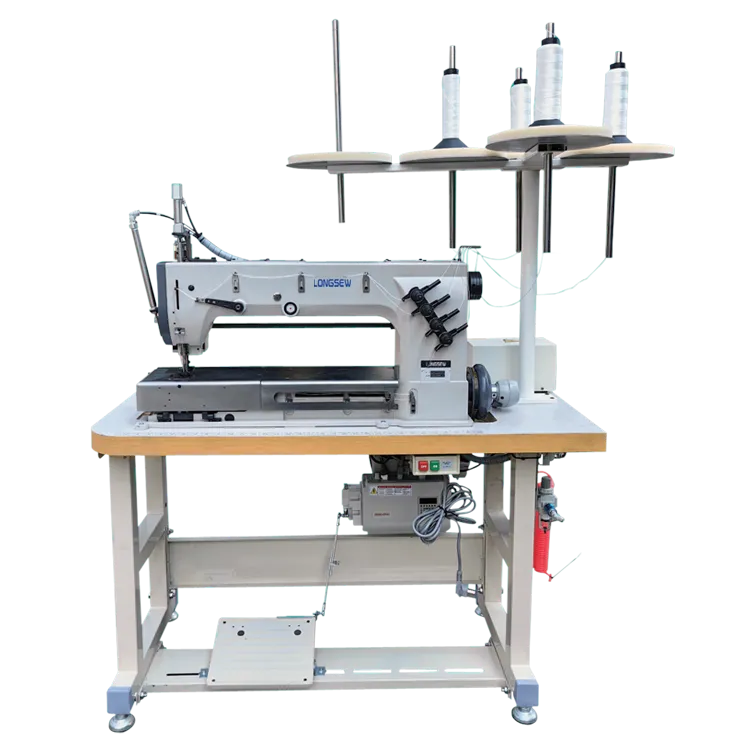
High-Performance jumbo bag sewing machine Solutions for Palestine

Empowering Palestine's industrial packaging sector with precision engineering and heavy-duty stitching technology for maximum durability.

Industrial Packaging Landscape in Palestine

Analyzing the current state of textile machinery and bulk bag production in the region.

In Palestine, the manufacturing sector for industrial packaging is characterized by a strong reliance on durable materials for transporting agricultural exports and construction aggregates. The demand for a reliable fibc sewing machine has grown as local producers shift toward international export standards, requiring reinforced seams that can withstand significant stress during transit.

Environmental factors, including dust and high humidity in certain coastal areas, pose challenges to machine longevity. Local workshops often struggle with equipment that lacks specialized lubrication systems, making the need for a robust jumbo bag stitching machine critical for maintaining continuous production without frequent downtime.

Furthermore, the economic drive toward self-sufficiency in Palestine has led to an increase in small-to-medium enterprises focusing on specialty bags. This has created a surge in the adoption of the big bag sewing machine to optimize the production of customized FIBCs for the chemical and food sectors.
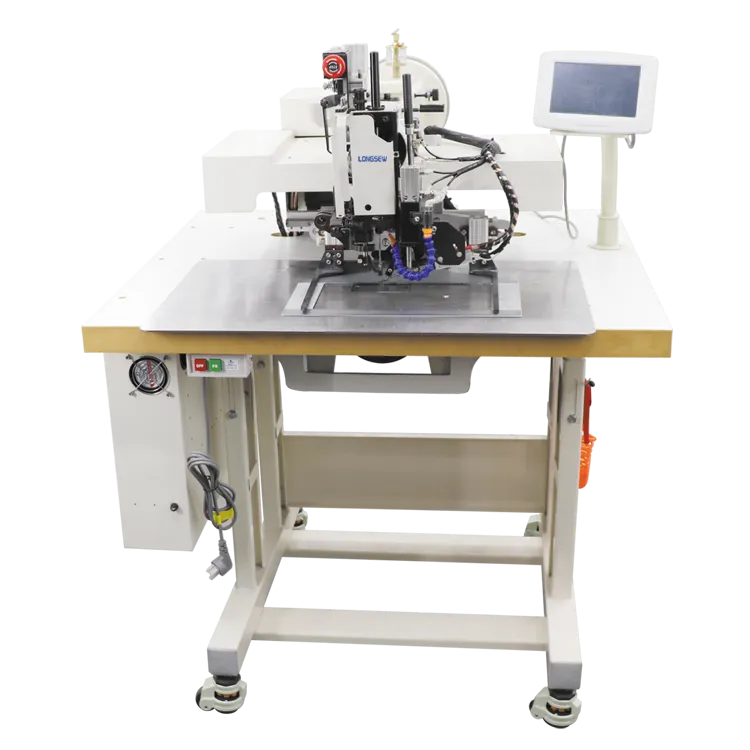
Evolution and Trajectory of Bag Making Technology

From manual stitching to automated heavy-duty industrial solutions.

Market Development History

Historically, bag production in the region relied on manual hand-sewing and basic portable machines. Before 2010, most packaging was lightweight, and the infrastructure for heavy-duty industrial stitching was limited to a few large-scale importers.

Between 2010 and 2020, the industry saw a transition toward semi-automation. The introduction of the 50 kg jute bag making machine allowed producers to standardize their output, moving away from inconsistent manual methods to a more predictable industrial cycle.

In recent years, the integration of high-speed motors and automated tension control has revolutionized the field. Modern facilities now employ advanced stitching systems that reduce thread breakage and increase the load-bearing capacity of bulk bags.

Future Development Trends

Smart Tension Monitoring

The next 3 years will see the integration of IoT sensors in sewing machines to monitor stitch consistency in real-time, reducing waste in FIBC production.

Sustainable Fiber Adaptation

As global demand for biodegradable materials rises, machines are being redesigned to handle recycled polypropylene and natural fibers without compromising seam strength.

High-Speed Modular Automation

Future trends indicate a shift toward modular production lines where sewing, cutting, and lifting loop attachment are fully integrated into a single automated workflow.

Industry Trends and Future Outlook

Strategic foresight for the textile machinery sector in Palestine.

Energy Efficiency
Adoption of servo-motor driven systems to reduce electricity consumption by up to 40% in Palestinian factories.
Precision Engineering
Enhanced needle penetration technology for ultra-thick woven fabrics used in bulk containers.
Material Versatility
Ability to switch seamlessly between PP, PE, and Jute materials with minimal adjustment.
Automated QC
Integration of automatic thread-cutters and seam-strength verification sensors.

Industry Outlook

Based on Google search trends, there is a rising interest in "heavy-duty automated stitching" and "industrial FIBC production" in West Asia. This indicates a shift from artisanal production toward scaled industrialization.

We expect that Palestine will see an increase in specialized packaging hubs that cater to the Mediterranean trade route, necessitating high-output equipment that can maintain quality across thousands of cycles per day.

Localized Application Scenarios in Palestine

Real-world implementations of our sewing technology across various industries.

1. Agricultural Export Packaging

Using the jumbo bag sewing machine to create ventilated bulk bags for dates and olive oil bulk transport, ensuring seams do not burst under the weight of fresh produce.

2. Construction Material Bags

Implementation of big bag sewing machine technology for producing gravel and cement bags that withstand extreme abrasion and heavy loads on construction sites.

3. Chemical and Fertilizer Storage

Deploying the fibc sewing machine to produce leak-proof, reinforced containers for the safe transport of granular fertilizers used in local farming.

4. Traditional Jute Product Manufacturing

Utilizing the 50 kg jute bag making machine for traditional grain and seed packaging, blending classic materials with modern stitching speed.

5. Industrial Waste Management

Applying a high-torque jumbo bag stitching machine to create heavy-duty debris bags for urban redevelopment projects across Palestine.

Brand Story

Global Development Journey of Hebei Longsew Machinery Technology Co., Ltd.

Foundation of Precision

Longsew began with a mission to solve the problem of frequent thread breakage in heavy-duty textile manufacturing, focusing on high-torque motor integration.

Technological Breakthrough

We developed a patented needle-cooling system that allows machines to run 24/7 without overheating, significantly increasing production for bulk bag factories.

Global Expansion

Expanding our footprint across Asia and Africa, we tailored our machines to withstand varied climatic conditions, including high-dust environments.

Industry Standard Setting

Our equipment became the benchmark for FIBC production, focusing on the E-E-A-T principle of providing expert, authoritative, and trustworthy machinery.

Future-Ready Innovation

Today, we integrate AI-driven diagnostics into our sewing machines to ensure zero-defect manufacturing for our global partners.

Frequently Asked Questions in Palestine

Technical support and operational guidance for industrial sewing equipment.

What is the best fibc sewing machine for heavy-duty polypropylene?

For heavy-duty PP, we recommend machines with reinforced gearboxes and high-penetration needles that prevent fabric puckering and ensure a secure, industrial-grade seam.

How do I maintain a jumbo bag sewing machine in dusty environments?

Regular lubrication of the hook and bobbin area is essential. We suggest using compressed air for daily cleaning and applying industrial-grade lubricant every 8 hours of operation.

Can a 50 kg jute bag making machine handle synthetic blends?

Yes, our machines are designed with adjustable tension settings, allowing them to sew both 100% natural jute and synthetic blends with consistent stitch length.

What is the average lifespan of a big bag sewing machine?

With proper maintenance and genuine spare parts, our heavy-duty machines typically last 10-15 years in a commercial production environment.

How do I choose between a jumbo bag stitching machine and a portable one?

Choose a stationary machine for high-volume production and maximum seam strength, while portable machines are best for closing bags after filling.

Are there specific needles for jumbo bag production?

Yes, FIBC production requires larger, hardened steel needles with specific eye shapes to reduce friction when passing through thick woven fabric.

Get Your Custom Industrial Sewing Solution

Ready to upgrade your production capacity in Palestine? Our experts are here to provide technical consultation and machine customization.

Contact Us Now

If you are interested in our products, you can choose to leave your information here, and we will be in touch with you shortly.