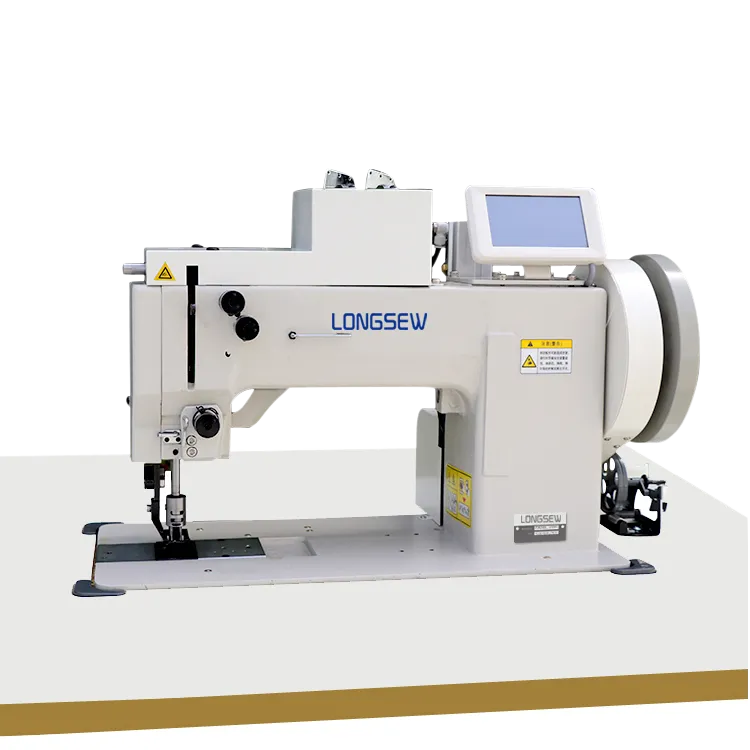
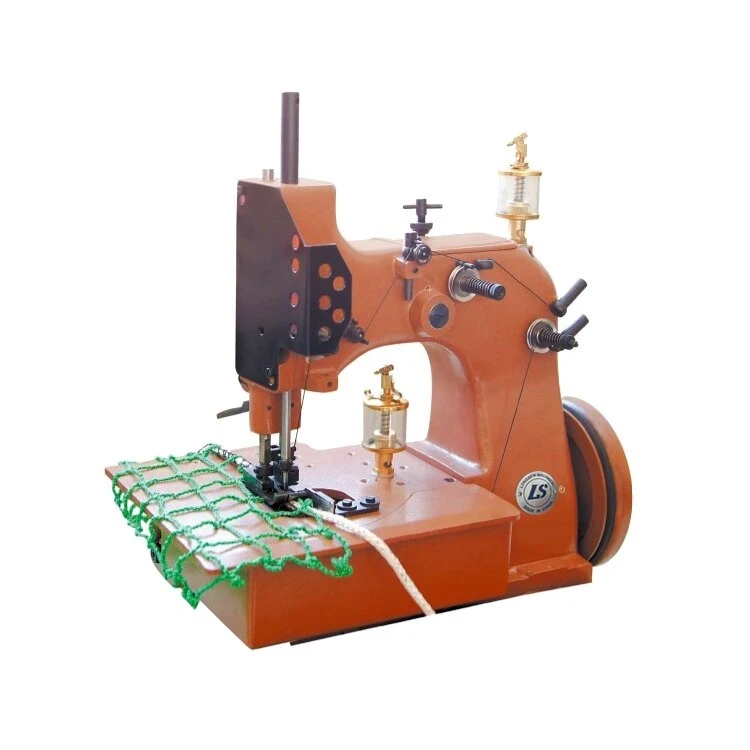
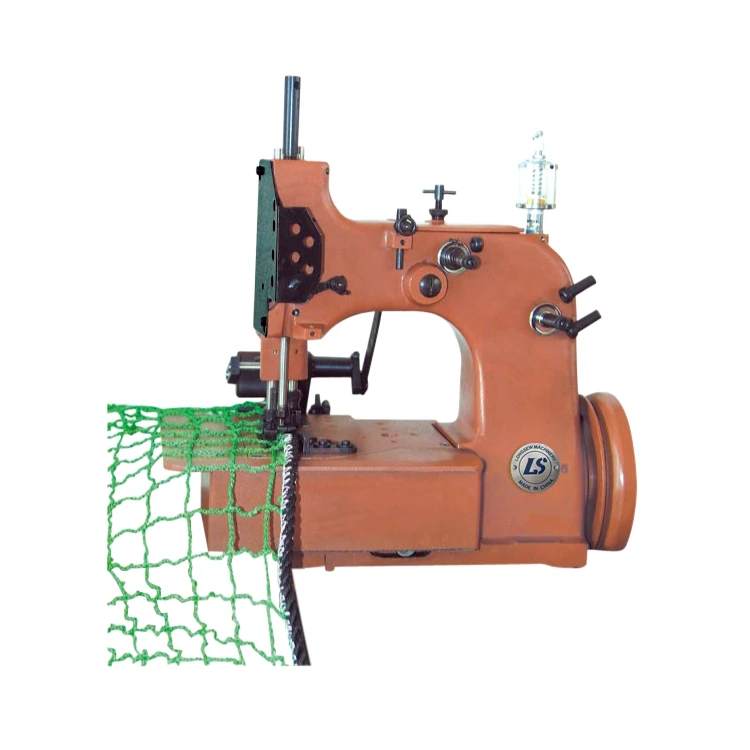
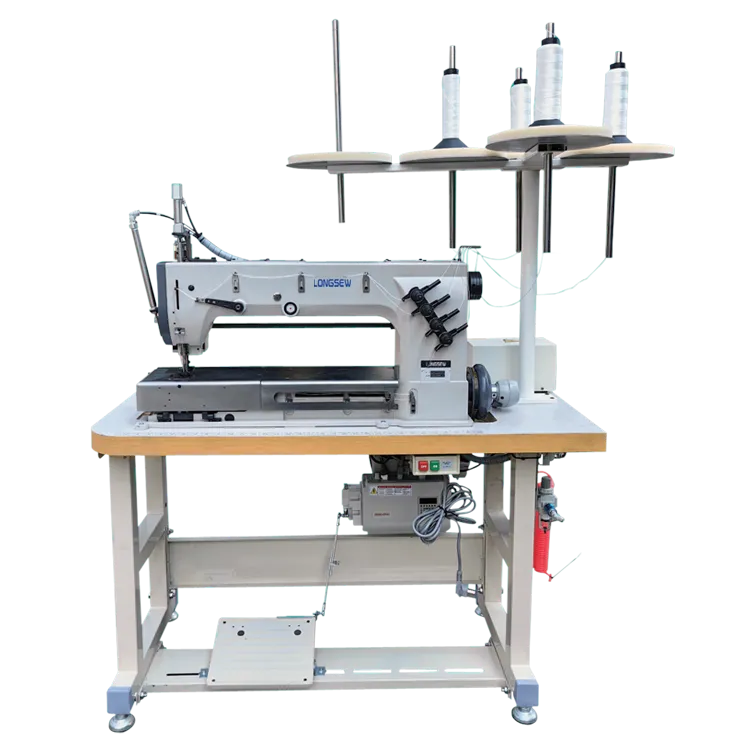
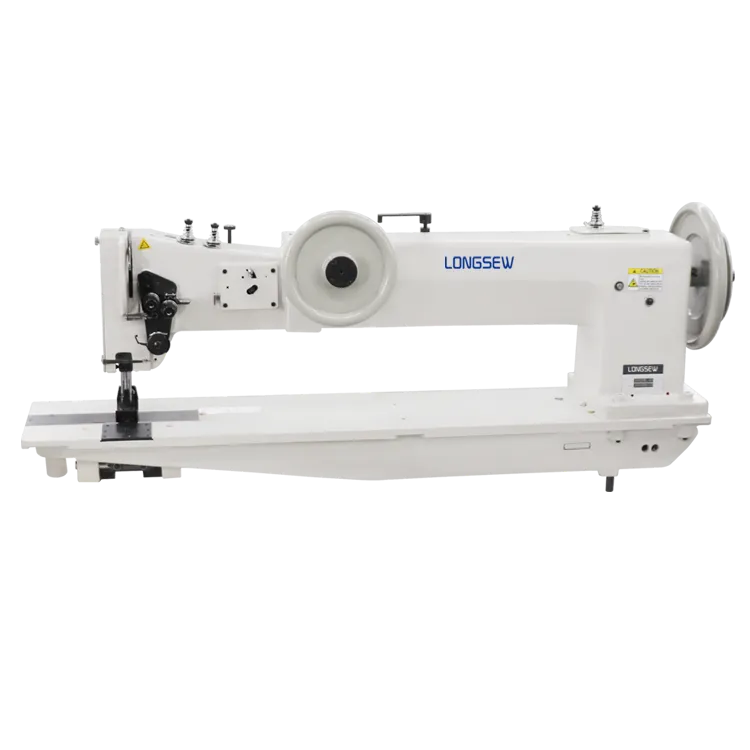
High-Performance jumbo bag sewing machine Solutions for Pakistan's Textile Industry

Engineering precision stitching solutions to empower Pakistan's FIBC and jute bag manufacturing sectors with industrial-grade durability and efficiency.

Current Landscape of Industrial Bag Manufacturing in Pakistan

Analyzing the operational challenges and market demands within the Pakistani textile hub.

Pakistan's textile sector, particularly in cities like Faisalabad and Karachi, relies heavily on the production of bulk packaging. The demand for a reliable fibc sewing machine has surged as the country expands its agricultural and chemical exports, requiring heavy-duty bags that can withstand extreme stress.

Environmental factors, including high humidity and dust in industrial zones, often lead to rapid wear and tear of machinery. Local manufacturers are shifting from manual operations to automated jumbo bag stitching machine systems to reduce labor costs and increase consistency in seam strength.

Furthermore, the prevalence of jute processing in the region creates a specific need for a 50 kg jute bag making machine that can handle the coarse fibers of natural jute without causing frequent thread breakage or needle overheating.
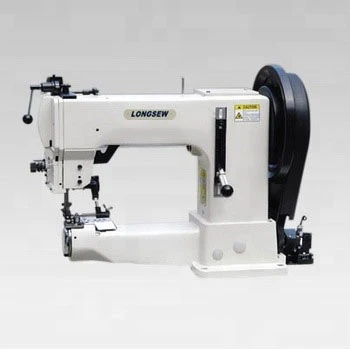
Evolution and Technological Trajectory of Bag Stitching

From manual hand-held tools to fully integrated industrial sewing lines.

Market Development History

In the early 2000s, the Pakistani market primarily utilized basic portable sewing tools. Production was fragmented, and quality control for heavy-duty bags was largely manual, leading to high rejection rates in export markets.

Between 2010 and 2018, there was a significant transition toward semi-automatic big bag sewing machine setups. This era saw the introduction of reinforced frames and heavy-duty motors capable of penetrating multiple layers of polypropylene fabric.

Since 2019, the industry has entered the era of digitalization. Modern factories now integrate PLC-controlled systems and high-speed synchronized feeds to ensure that every jumbo bag sewing machine operates with precision and minimal downtime.

Future Development Trends

IoT-Enabled Predictive Maintenance

Integrating sensors into stitching heads to monitor thread tension and needle heat in real-time, preventing machine failure before it occurs.

Eco-Friendly Fiber Integration

Updating machinery to handle biodegradable polymers and recycled jute fibers without compromising the structural integrity of the bag.

Automated Seam Calibration

The shift toward AI-driven adjustments that automatically calibrate stitch length based on the fabric thickness detected by the machine.

Industry Trends and Strategic Outlook

Navigating the future of textile machinery through innovation and efficiency.

Precision Automation
Transitioning from manual feeding to automated guide systems to increase hourly output by 40%.
Energy Efficiency
Adopting servo motor technology to reduce electricity consumption in large-scale Pakistani factories.
Material Versatility
Developing hybrid machines capable of switching between PP, PE, and Jute fibers seamlessly.
Modular Upgrades
Implementing modular head designs that allow easy replacement of wear parts without stopping production.

Industry Outlook

Based on current search trends, the Pakistani market is shifting towards "sustainability" and "high-speed automation." We expect a 25% increase in the adoption of fully automatic jumbo bag stitching machine technology by 2027.

As global export standards become stricter, Pakistani manufacturers will increasingly invest in precision machinery to eliminate seam failure and improve the safety rating of FIBCs used for hazardous chemical transport.

Local Application Scenarios in Pakistan

Real-world deployment of stitching solutions across diverse industrial sectors.

1. Agricultural Bulk Export in Punjab

Utilizing the 50 kg jute bag making machine for packaging rice and wheat for international shipment, ensuring breathability and strength.

2. Chemical Packaging in Karachi Industrial Area

Implementing high-tenacity fibc sewing machine systems for producing bags used in polymer resin and fertilizer transport.

3. Construction Material Logistics

Using a big bag sewing machine to manufacture heavy-duty bags for sand, gravel, and cement distribution across urban development projects.

4. Textile Waste Management

Employing a jumbo bag stitching machine to create massive collection bags for cotton scraps and textile waste in garment factories.

5. Specialized Mining Packaging

Deploying reinforced jumbo bag sewing machine units for the packaging of mineral ores and salts extracted from the Salt Range.

Brand Story

Global Development History of Hebei Longsew Machinery Technology Co., Ltd.

Foundation of Excellence

Started with a commitment to solving the problem of thread breakage in heavy-duty fabrics, establishing the core of our industrial sewing expertise.

Technological Breakthrough

Developed the proprietary high-torque motor system that allows our machines to penetrate 8+ layers of polypropylene without slowing down.

Global Expansion

Expanded our footprint into Asia, providing customized solutions for the unique climatic and industrial needs of markets like Pakistan.

Quality Certification

Achieved international standards for industrial safety and efficiency, ensuring our machines meet the most stringent global export requirements.

Sustainable Innovation

Current focus on reducing the carbon footprint of manufacturing through energy-saving components and biodegradable-compatible needles.

Common Questions from Pakistan Textile Manufacturers

Expert answers to technical and operational queries regarding bag sewing machinery.

Which fibc sewing machine is best for high-humidity environments in Karachi?

We recommend machines with anti-corrosion coated frames and sealed motor housings to prevent moisture from damaging internal electronic components.

How to maintain a jumbo bag sewing machine to prevent needle overheating?

Regular lubrication of the needle bar and using high-grade cooling-compatible needles are essential for continuous high-speed production.

Can a 50 kg jute bag making machine also handle PP woven fabric?

Yes, our hybrid models allow for adjustable tension and needle types, making them versatile for both natural jute and synthetic polypropylene.

What is the average lifespan of a big bag sewing machine in an industrial setup?

With proper maintenance and genuine parts, our industrial machines typically last 8-10 years even under heavy 24/7 operational cycles.

Do you provide training for operating a jumbo bag stitching machine?

Yes, we provide comprehensive technical manuals and virtual training sessions to ensure your operators can maximize efficiency and safety.

How does stitch density affect the safety of an FIBC bag?

Higher stitch density increases load-bearing capacity. Our machines allow precise calibration to meet international safety standards for bulk packaging.

Ready to Upgrade Your Production Line?

Contact our technical experts today for customized machinery solutions tailored to the industrial requirements of Pakistan.

Contact Us Now

If you are interested in our products, you can choose to leave your information here, and we will be in touch with you shortly.