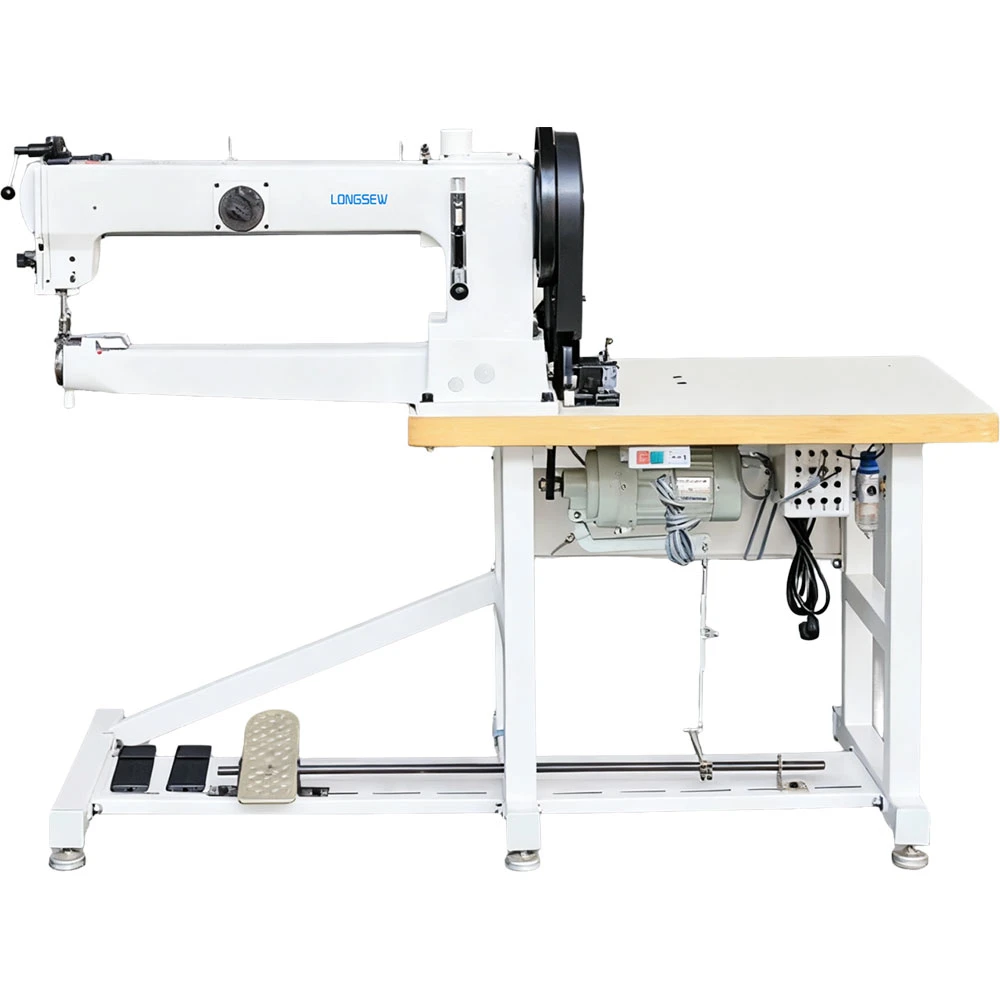
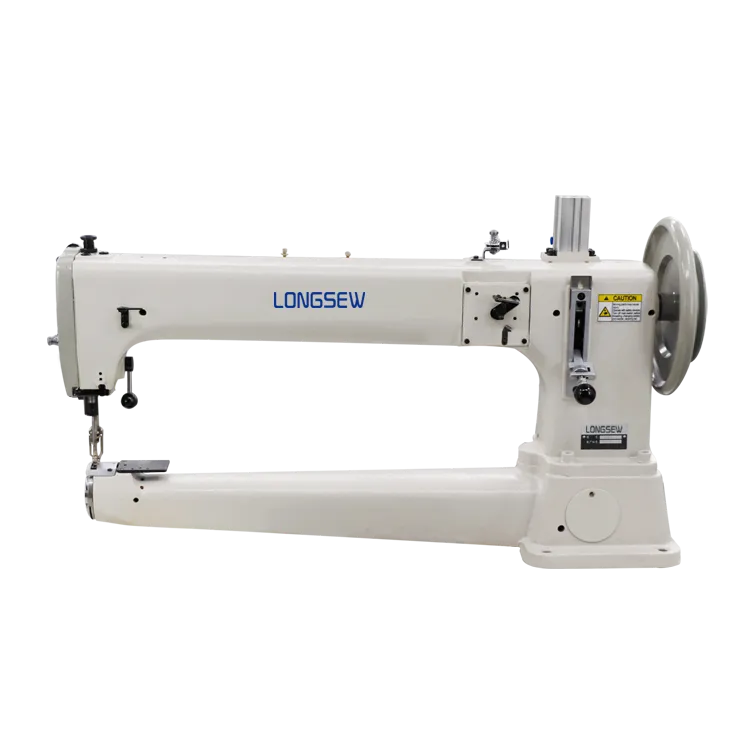
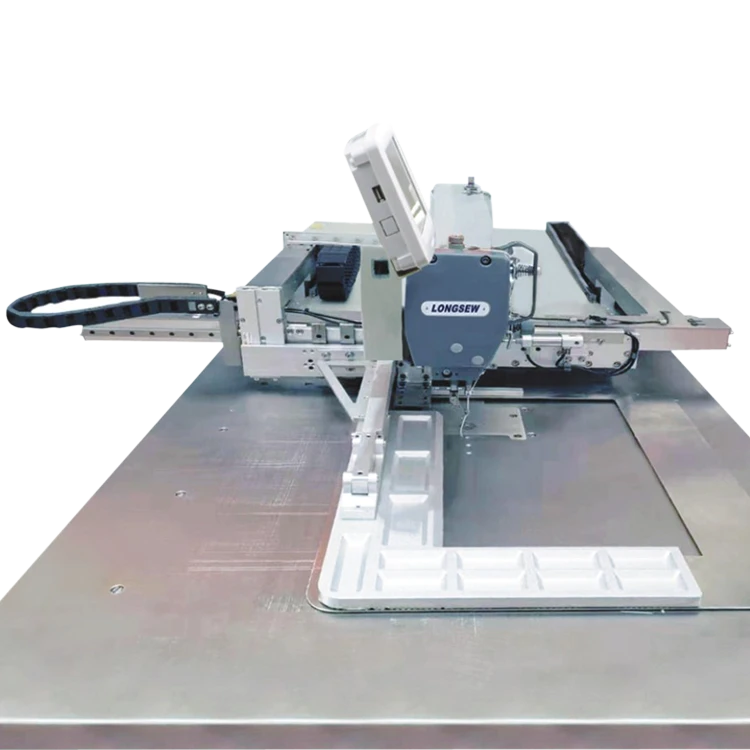
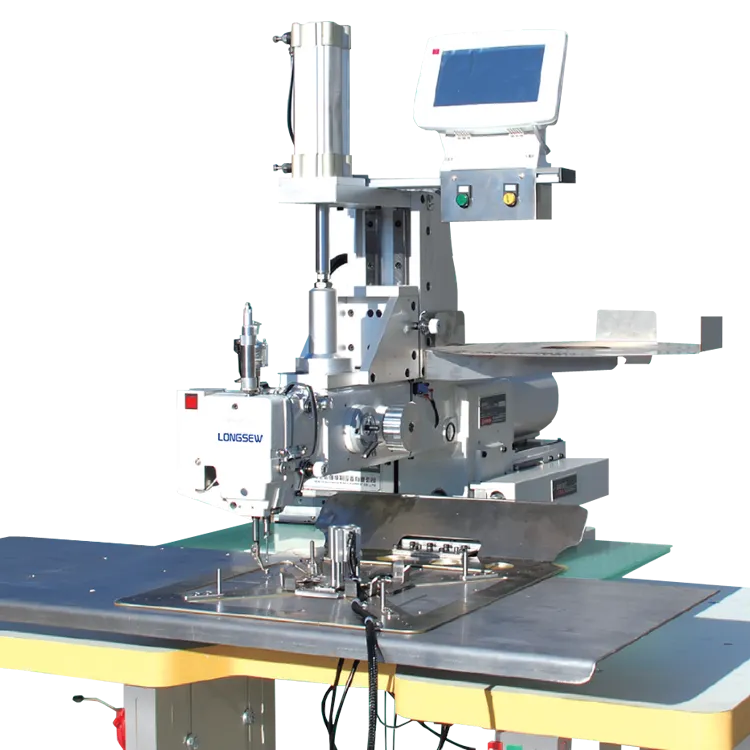
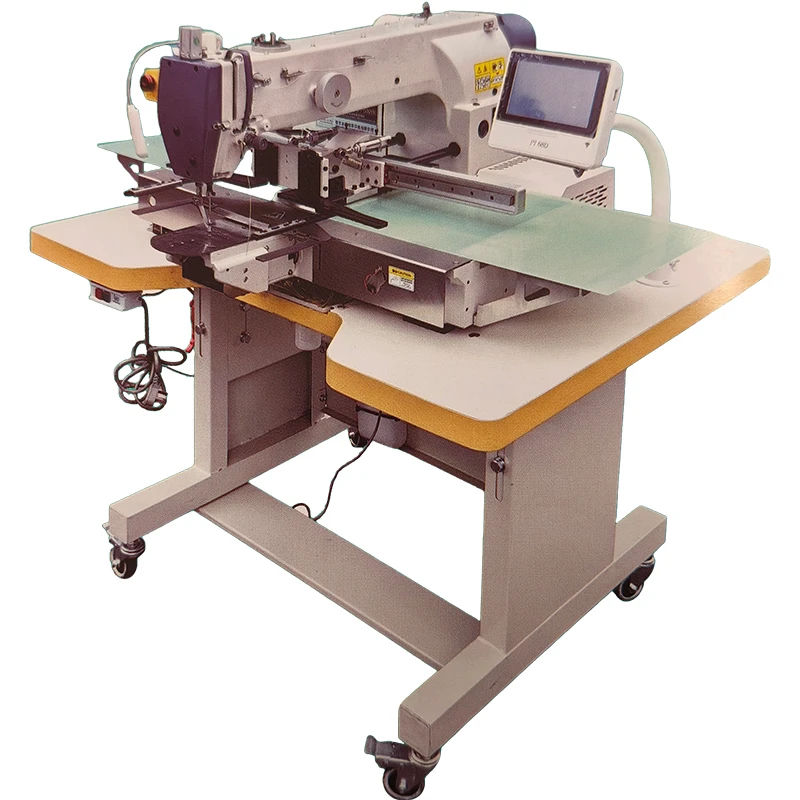
High-Performance jumbo bag sewing machine Solutions for Mongolia

Empowering Mongolia's industrial packaging sector with heavy-duty stitching technology designed for extreme climates and high-capacity loads.

Packaging Infrastructure in Mongolia

Analyzing the operational challenges of bulk bag manufacturing in Central Asia.

Mongolia's industrial landscape is heavily driven by mining (copper and coal) and livestock agriculture. These sectors rely heavily on fibc sewing machine technology to produce large-scale containers capable of transporting raw materials across vast, rugged terrains.

The extreme continental climate of Mongolia, characterized by severe temperature fluctuations, poses a significant challenge to machinery lubrication and needle durability. Consequently, there is a critical demand for a big bag sewing machine that can maintain precision and strength even in low-temperature workshop environments.

Currently, the market is shifting from manual closure methods to automated jumbo bag stitching machine systems to increase export efficiency and meet international shipping standards for mineral concentrates.
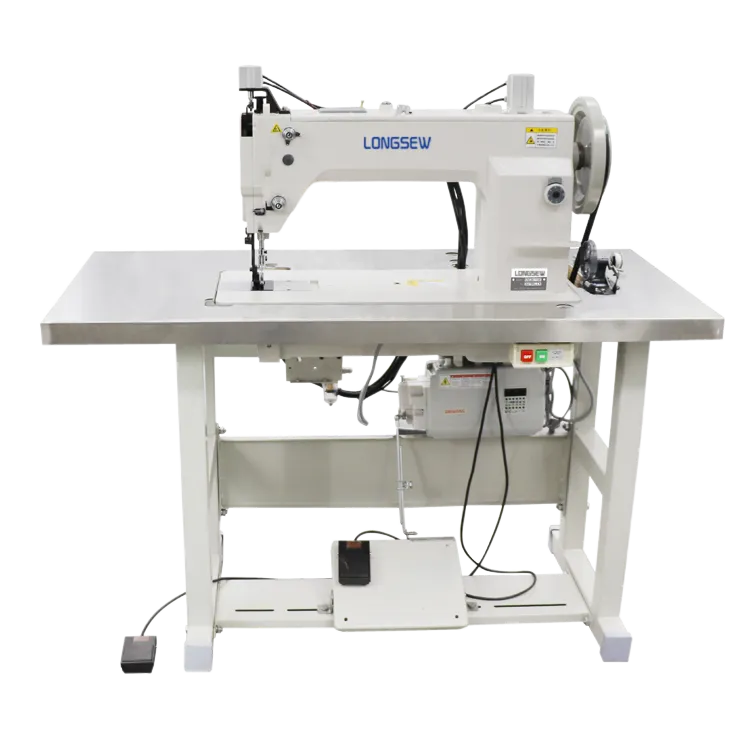
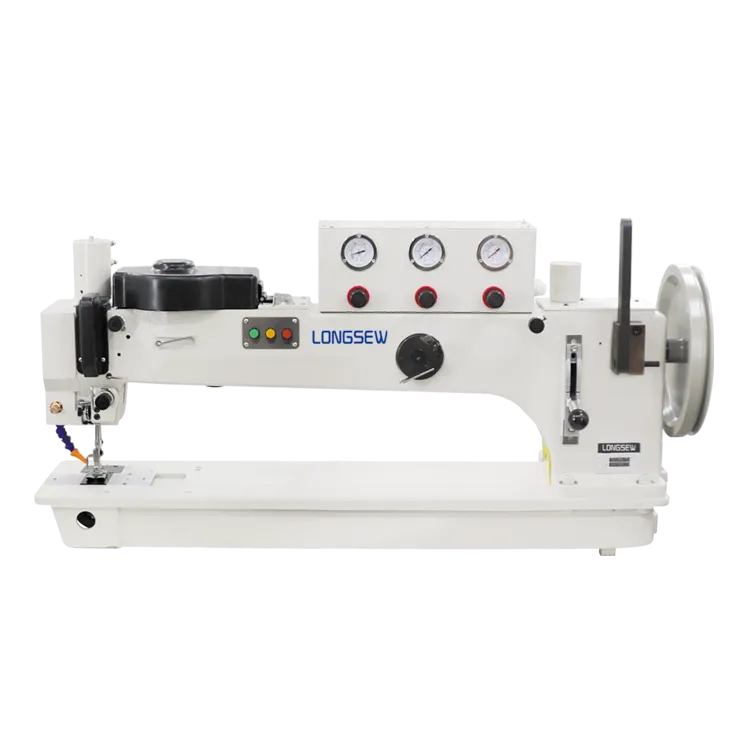
Evolution of Industrial Stitching in Mongolia

From basic manual sewing to high-speed automated FIBC production.

Market Development History

In the early 2000s, Mongolia primarily relied on imported pre-made bags or basic manual sewing for simple sacks. The adoption of the first 50 kg jute bag making machine models allowed local cooperatives to package grain and flour for domestic consumption.

Between 2010 and 2020, the mining boom accelerated the need for heavy-duty transport. This era saw the introduction of semi-automatic machines capable of handling thick polypropylene fabrics, shifting the focus toward specialized industrial strength.

Today, the industry has entered a phase of digitalization, where precision tension control and reinforced seam technology are integrated into the manufacturing process to prevent bag bursts during long-distance rail transport.

Future Development Trends

Smart Tension Calibration

Implementation of sensors to automatically adjust thread tension based on fabric density, reducing waste and increasing seam reliability.

Energy-Efficient Servo Motors

Transitioning to high-torque servo motors that reduce energy consumption by 30% while maintaining the power needed for thick FIBC materials.

Eco-Friendly Thread Integration

Growing demand for biodegradable threads and recyclable materials in the packaging sector to align with global green logistics trends.

Industry Trends and Future Outlook

Strategic technological shifts in the Mongolian textile and packaging machinery sector.

Automation Integration
Integration of PLC-controlled sewing cycles to replace repetitive manual labor in large-scale bag plants.
Extreme Durability
Development of corrosion-resistant components to withstand the dust and moisture of Mongolian industrial sites.
Material Versatility
Expanding machine capabilities to handle everything from lightweight polypropylene to heavy-duty jute.
Predictive Maintenance
Using IoT-enabled components to alert operators before mechanical failure occurs in remote regions.

Industry Outlook

Based on Google search trends for industrial packaging in Central Asia, there is a significant uptick in queries related to "high-strength bag manufacturing." This indicates that Mongolian companies are moving toward producing bags that can support higher weights, necessitating an upgrade to advanced sewing systems.

The next 3-5 years will likely see a convergence of traditional textile machinery and smart technology, ensuring that the Mongolian supply chain can keep pace with the growing demand for mineral and agricultural exports to global markets.

Local Application Scenarios in Mongolia

How our machinery solves real-world packaging problems across Mongolia.

1. Mining Concentrate Export Packaging

Using heavy-duty FIBC systems to sew reinforced bags for copper concentrate, ensuring no leakage during transport from the Gobi region to the border.

2. Agricultural Grain Storage

Deploying the 50 kg jute bag making machine for local farmers to package wheat and barley for stable long-term storage.

3. Livestock Feed Production

Implementing high-speed stitching lines to produce durable feed bags that withstand the humidity and temperature swings of nomadic livestock hubs.

4. Chemical Fertilizer Distribution

Applying specialized jumbo bag stitching machine technology to create leak-proof containers for agricultural chemicals.

5. Industrial Waste Management

Producing extra-large bulk bags for industrial waste collection in Ulaanbaatar's expanding manufacturing zones.

Brand Story

Global Development Journey of Hebei Longsew Machinery Technology Co., Ltd.

Founding Vision

Established with the goal of solving the "weak seam" problem in industrial packaging, focusing on heavy-duty material penetration.

Technical Breakthrough

Developed a proprietary needle-cooling system that allows continuous high-speed sewing of thick synthetic fabrics without thread breakage.

Global Expansion

Expanded operations into Central Asia and Africa, adapting machinery for extreme environmental conditions.

Innovation Award

Recognized for leadership in the manufacturing of specialized FIBC equipment and energy-efficient sewing solutions.

Future Commitment

Dedicated to providing the Mongolian market with sustainable, high-efficiency packaging tools to drive local economic growth.

Common Questions in Mongolia

Technical support and guidance for local industrial operators.

Which fibc sewing machine is best for extreme cold?

For Mongolian winters, we recommend machines with low-temperature resistant lubricants and reinforced steel frames to prevent contraction and mechanical failure.

How to maintain a jumbo bag sewing machine in dusty environments?

Regular compressed air cleaning of the bobbin area and using a daily lubrication schedule is essential to prevent dust-induced friction in mining areas.

What is the capacity of the 50 kg jute bag making machine?

Our standard 50kg models are designed for high-volume throughput, ideal for Mongolian agricultural cooperatives packaging grain for export.

Can a big bag sewing machine handle different fabric weights?

Yes, our machines feature adjustable pressure feet and variable speed controls to accommodate materials ranging from light PP to heavy-duty coated fabrics.

What is the lead time for a jumbo bag stitching machine shipment to Ulaanbaatar?

Depending on the customization, shipping usually takes 3-5 weeks via rail or road freight from our manufacturing hub.

Are there training services for new operators in Mongolia?

We provide comprehensive video tutorials and remote technical support to ensure your local team can operate the equipment at peak efficiency.

Get Expert Consultation

Contact our technical team for tailored industrial sewing solutions in Mongolia.

Contact Us Now

If you are interested in our products, you can choose to leave your information here, and we will be in touch with you shortly.