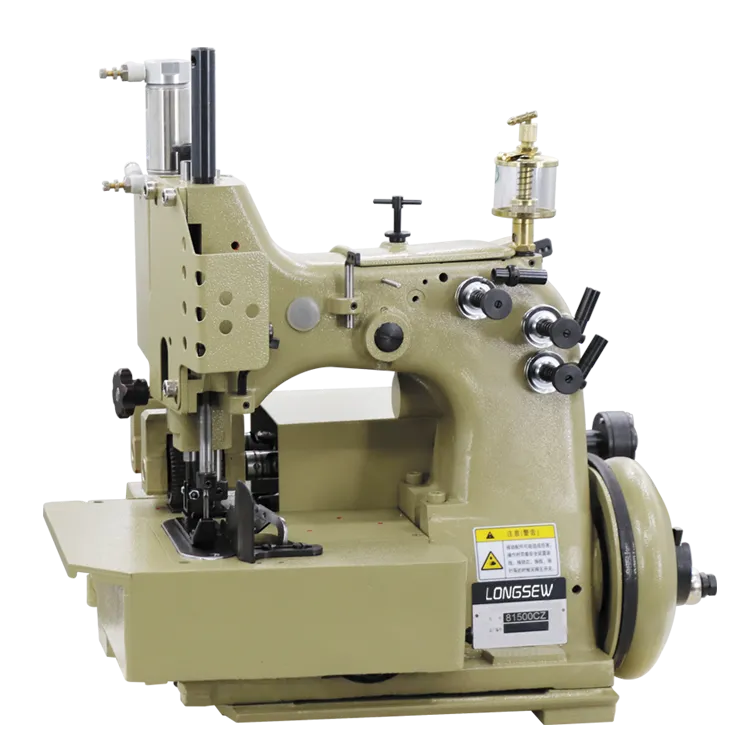
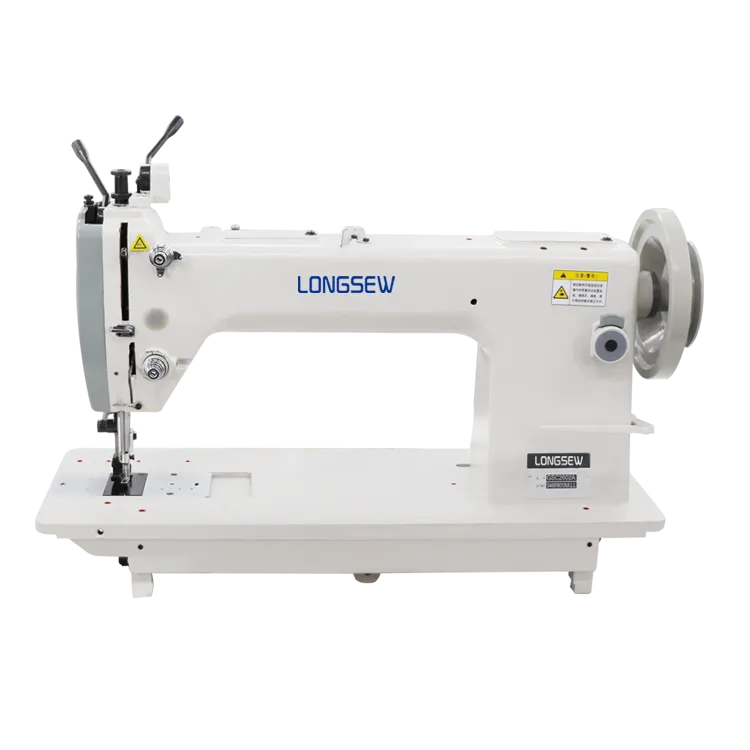
High-Performance jumbo bag sewing machine Solutions for Algeria

Empowering Algerian industrial packaging with precision stitching technology for FIBC and heavy-duty bag manufacturing.

Industrial Packaging Landscape in Algeria

Analyzing the demand for heavy-duty sewing equipment in North Africa's growing manufacturing sector.

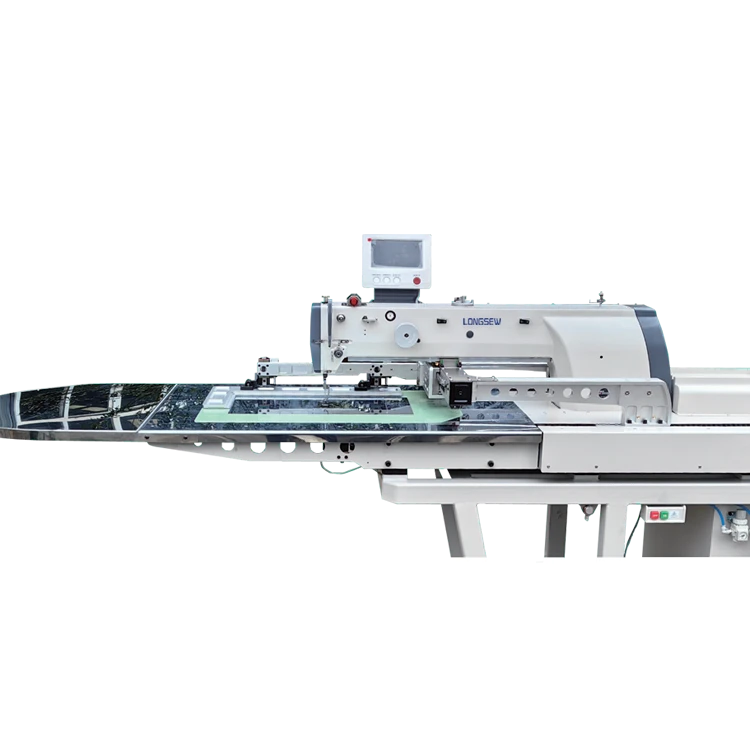
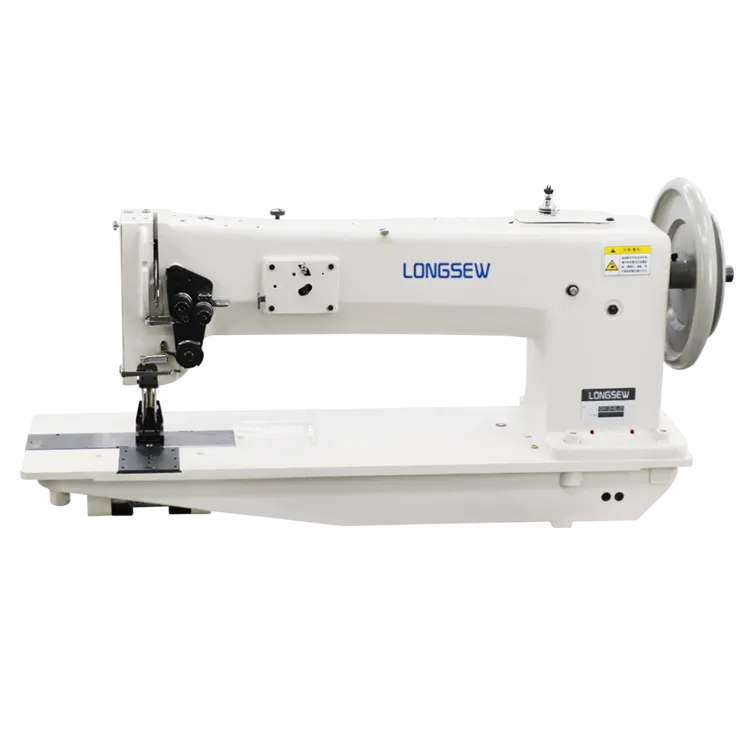
Algeria's industrial landscape is characterized by a strong reliance on the petrochemical and agricultural sectors, which creates a massive demand for bulk packaging. The use of a fibc sewing machine has become essential for local factories producing Flexible Intermediate Bulk Containers to transport minerals and chemicals across the region.

Environmental challenges, including high temperatures and dust in the southern Saharan regions, require equipment that is exceptionally durable. Local manufacturers are moving away from generic machinery toward a specialized big bag sewing machine that can withstand rigorous operating conditions without frequent breakdowns.

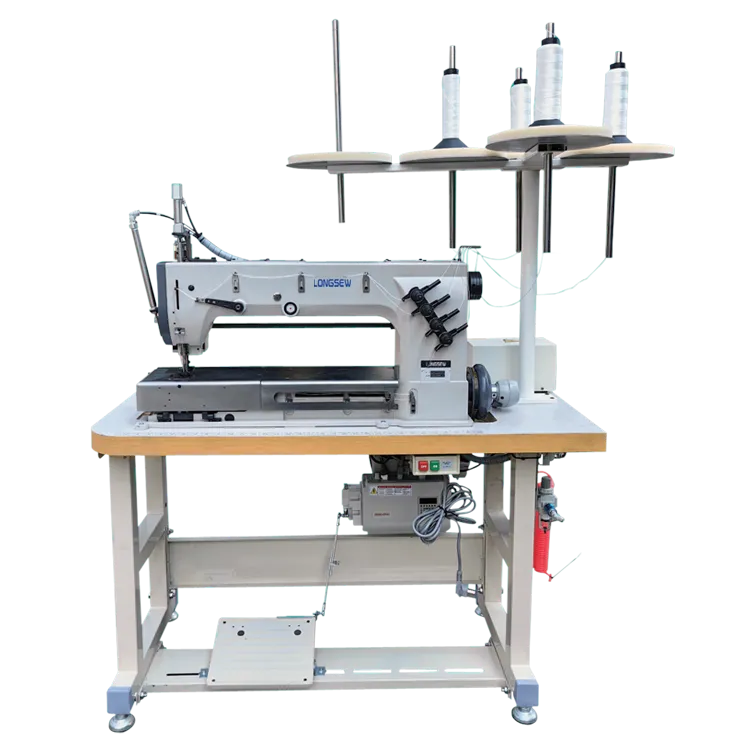
Economically, Algeria is diversifying its industrial base, leading to an increase in the production of agricultural sacks. This has spiked the need for the 50 kg jute bag making machine to support the export of dates and grains, ensuring that packaging meets international strength standards.
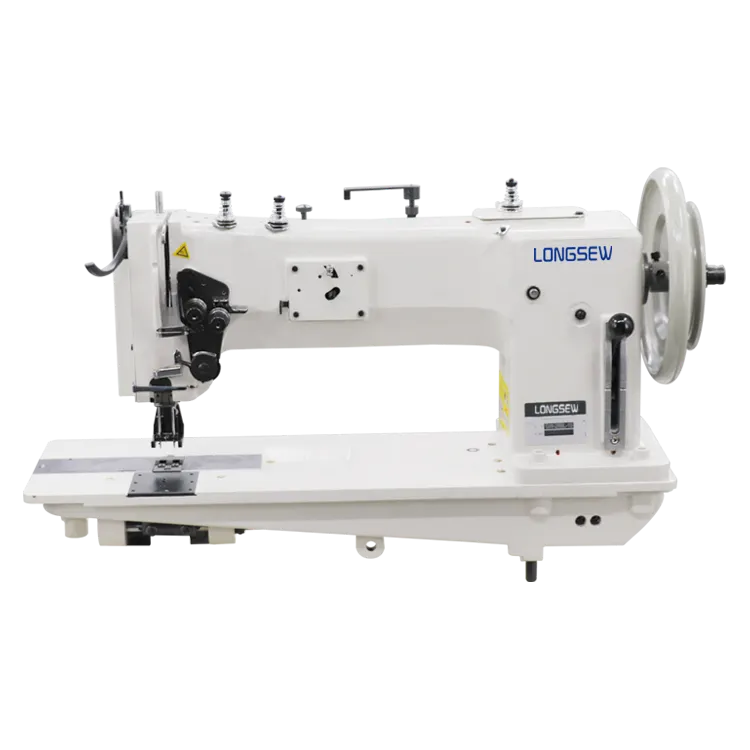
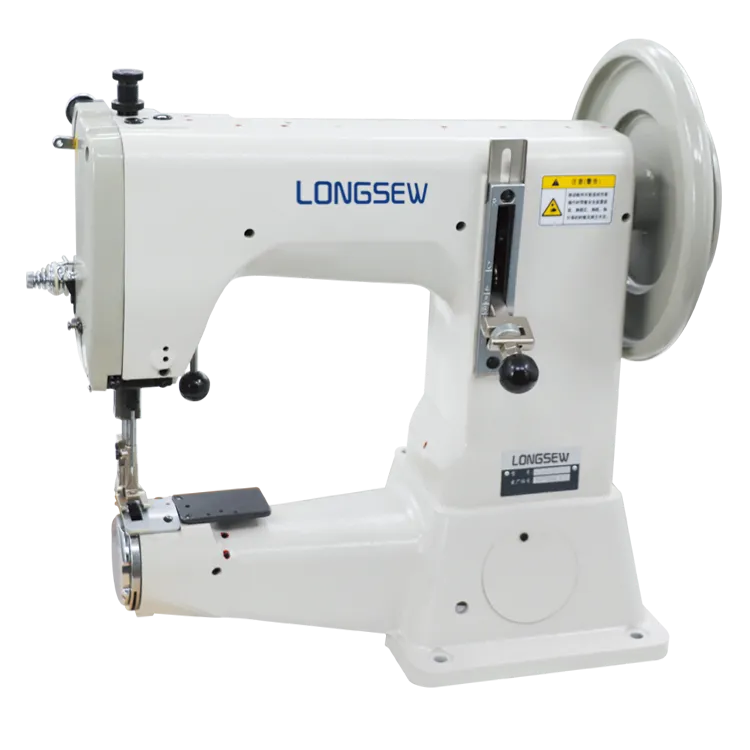
Technical Evolution of Bag Stitching in Algeria

From manual craftsmanship to automated industrial precision.

Market Development History

In the late 1990s and early 2000s, the Algerian market relied heavily on manual handheld sewing tools for closing sacks. Production was slow, and seam integrity varied wildly, often leading to product loss during transit.

Between 2010 and 2020, the transition toward semi-automation began. Factories introduced the first generation of the jumbo bag stitching machine, allowing for faster closing cycles and reinforced seams necessary for the growing oil and gas logistics sector.

Currently, the market is entering the era of full automation and PLC-controlled systems. Modern facilities are integrating high-speed automated lines that synchronize cutting and sewing to maximize throughput and reduce labor costs.

Future Development Trends

IoT Integration in Sewing

The next 3 years will see the adoption of smart sensors in machines to monitor thread tension and needle wear in real-time, reducing downtime in Algerian factories.

Eco-friendly Material Processing

With global shifts toward sustainability, machines are being optimized to handle biodegradable polymers and reinforced recycled jute fabrics.

Increased Automation Speed

Search trends indicate a growing demand for multi-head sewing systems that can produce multiple FIBCs simultaneously to meet rising export quotas.

Industry Trends and Future Outlook

Strategizing the future of textile machinery for the Algerian bulk packaging market.

Precision Automation
Transitioning from manual operation to CNC-guided sewing paths for zero-defect FIBC production.
Material Versatility
Enhanced needle systems capable of piercing high-density polypropylene and thick jute fabrics seamlessly.
Energy Efficiency
Adopting servo-motor technology to reduce electricity consumption in large-scale Algerian textile mills.
Modular Design
Flexible machine configurations that allow factories to switch between FIBC and smaller jute bags quickly.

Industry Outlook

The Algerian industrial sewing market is poised for a CAGR of 5-7% as the government promotes local manufacturing to reduce import dependency. We anticipate a surge in demand for high-load capacity machines that can handle specialized technical textiles.

As logistics hubs develop in Algiers and Oran, the integration of automated stitching lines will become the standard for maintaining the competitive edge in the North African export market.

Localized Application Scenarios in Algeria

Real-world implementations of our machinery across various Algerian industrial sectors.

1. Petrochemical Bulk Packaging in Hassi Messaoud

Using heavy-duty big bag sewing machine units to produce reinforced containers for polymer pellets and catalysts, ensuring leak-proof seals for hazardous materials.

2. Agricultural Export Packaging in Biskra

Implementing the 50 kg jute bag making machine for the high-volume packaging of Deglet Nour dates, optimized for breathability and structural strength.

3. Mining and Mineral Transport in the Highlands

Deploying industrial-grade fibc sewing machine systems to manufacture 1-ton capacity bags for phosphate and iron ore transport.

4. Cement and Construction Material Bagging

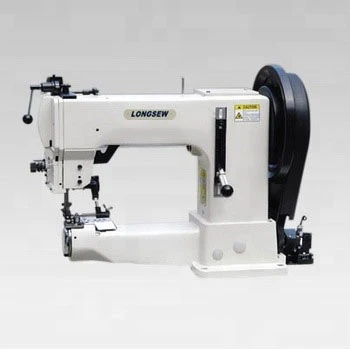
Utilizing a specialized jumbo bag stitching machine for rapid-closure of cement bags, providing high-tension seams that prevent bursting during loading.

5. Specialized Feed Production in Coastal Regions

Applying versatile stitching solutions for animal feed bags, balancing speed and stitch density to prevent contamination in humid coastal environments.

Brand Story

Global Development Journey of Hebei Longsew Machinery Technology Co., Ltd.

Foundational Engineering

Established with a focus on solving the most difficult stitching challenges in the textile industry, focusing on high-tensile industrial fabrics.

Technological Breakthrough

Developed the patented heavy-duty hook system that eliminated thread breakage in high-density FIBC production.

Global Market Expansion

Expanded operations into North Africa and the Middle East, tailoring machines to withstand extreme desert climates.

Industrial Intelligence

Integrated PLC controls and automated sensor arrays into our sewing lines to meet Industry 4.0 standards.

Commitment to Excellence

Today, we stand as a global leader in specialized sewing equipment, dedicated to durability and precision for every client.

Algerian Industry FAQ

Expert answers to common technical questions regarding bulk bag machinery.

Which fibc sewing machine is best for high-density polypropylene?

For high-density PP, we recommend our reinforced-frame models with adjustable tension controls to prevent fabric puckering and ensure industrial-grade seam strength.

How does a jumbo bag sewing machine handle varying fabric thicknesses?

Our machines feature an adjustable presser foot and an advanced feeding mechanism that compensates for thickness changes in real-time, maintaining consistent stitch length.

What is the capacity of a typical 50 kg jute bag making machine?

Our standard 50kg jute bag lines are designed for high-speed production, capable of producing hundreds of reinforced bags per hour depending on the level of automation.

Can a big bag sewing machine be used for chemical-resistant fabrics?

Yes, our machines are compatible with coated and laminated fabrics. We provide specialized needles that pierce through chemical-resistant layers without tearing the substrate.

What maintenance is required for a jumbo bag stitching machine in dusty environments?

In dusty regions like Southern Algeria, we recommend daily lubrication of the moving parts and using our enclosed motor housing to prevent dust ingress.

How do I choose between a manual and automatic big bag sewing machine?

Choose manual for low-volume custom orders and automatic systems for high-throughput industrial production where consistency and speed are the primary KPIs.

Request an Industrial Consultation

Our technical experts are ready to optimize your production line in Algeria. Contact us for a customized machinery quote.

Contact Us Now

If you are interested in our products, you can choose to leave your information here, and we will be in touch with you shortly.